
The Weight of Memory and Migrant Despair: A Deep Dive into Eddie Cahyono’s "Ibuku"
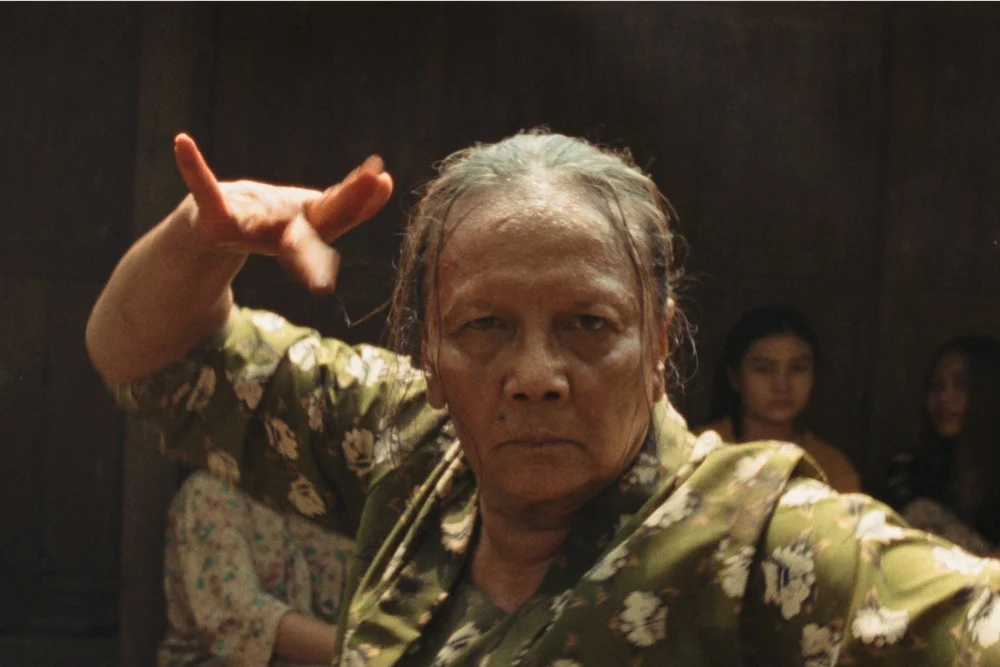
In the landscape of contemporary Indonesian cinema, few filmmakers possess the ability to bridge the gap between the visceral, the spiritual, and the sociopolitical as effectively as Eddie Cahyono. With his fourth feature film, Ibuku (My Mother), which premiered in the prestigious Competition section of the Busan International Film Festival, Cahyono delivers a haunting, melancholic masterwork that interrogates the cyclical nature of patriarchal violence and the agonizing reality of the Indonesian migrant worker crisis.
At its core, Ibuku is a portrait of an estranged mother and daughter—Sumiati, played by the legendary Christine Hakim, and her daughter, Sri (Ayushita Nugraha). While the title suggests an intimate focus on the mother, the film serves as a wider, searing indictment of a society that forces its most vulnerable citizens into exile to survive, only to abandon them when the inevitable tragedy strikes.
The Anatomy of an Estrangement: A Chronology of Grief
The film operates in a non-linear, impressionistic timeline that mirrors the fragmented nature of trauma. It opens with a striking, theatrical sequence featuring Sri, who is trapped in a projection-filled room—a metaphorical cage of her mother’s making. Sri, grappling with the profound sting of abandonment, confesses a desire to hate her mother. This resentment is not born of mere selfishness; it is the culmination of years of being pushed into an abusive arranged marriage, a decision Sumiati orchestrated as a desperate, misguided attempt to alleviate the family’s mounting debt.
As the narrative unfolds, the film reveals the catalyst for Sri’s departure: the crushing weight of poverty and the failure of parental protection. The chronology moves between the quiet, rural life of the Javanese village and the brutal, unseen reality of a Saudi prison. Years after her departure, Sumiati receives word that her daughter has been sentenced to death, accused of killing an employer who attempted to rape her.
This revelation serves as the film’s inciting incident, transforming Sumiati’s daily life into a frantic, sacrificial pilgrimage. Now a widow, with her husband having taken his own life following the shame of his gambling debts, Sumiati must navigate the village hierarchy to borrow money. The film tracks her journey not just across geographical landscapes, but across the emotional terrain of regret, as she realizes that the very actions she took to "save" her daughter—the marriage, the debt-collecting—were the factors that pushed Sri into the lion’s den of exploitative labor.
The Performance of a Lifetime: Christine Hakim as Sumiati
The emotional architecture of Ibuku rests entirely on the shoulders of Christine Hakim. Her performance is a masterclass in stillness and observational nuance. Cahyono relies heavily on long, static takes that capture the weariness and resilience etched into Hakim’s face.
Sumiati is not merely a mother; she is a former performer of Jathilian (or Kuda Lumping), a traditional Javanese trance dance. This background provides the film with its spiritual language. The ritualistic elements—the percussion, the shamanic presence, and the notion of possession—bleed into the everyday life of the village. Hakim’s portrayal of Sumiati as a woman who is "possessed" by her own grief is profoundly effective. Whether she is cooking, gathering water, or performing the rhythmic, hypnotic movements of the dance, her body is a vessel for the specters of her past.
Supporting her is a cast that grounds the film’s ethereal qualities in the harsh realities of rural administration. Landung Simatupang, playing the village chief Djatmiko, offers a performance of quiet, conflicted authority. He is the personification of the village itself: kind, yet ultimately beholden to the same societal structures that perpetuate the suffering of women like Sumiati and Sri.
Societal Pressures and the Migrant Worker Crisis
While Ibuku is a deeply personal story, it is rooted in the harsh, data-driven reality of the Indonesian migrant worker crisis. Thousands of Indonesians, predominantly women, leave their homes annually to work as domestic helpers in the Middle East. Many face systemic exploitation, wage theft, and physical abuse, often with little to no legal protection from their home government.
Cahyono’s film does not attempt to be a documentary, but it functions as a societal mirror. The filmmaker has noted in interviews that the script was informed by his own personal history of leaving his village to seek a better life. This proximity to the source material allows him to critique the "roots" of the tragedy. He argues that the exploitation of migrant workers does not begin in Saudi Arabia; it begins in the Indonesian village, where patriarchal debt cycles, lack of economic opportunity, and the commodification of daughters as "solutions" to financial ruin create a pipeline of misery.
The film effectively links these disparate worlds. The "orange glow" of the water in the deep-nested caves where Sumiati performs manual labor serves as a visual bridge to the distant, arid landscape where her daughter is incarcerated. The cinematography, characterized by a grainy, dreamlike haze, suggests that the village and the prison are not separate entities, but parts of the same suffocating loop.
Cinematic Language: The Power and Peril of Imagery
Cahyono’s visual direction is at its best when it remains suggestive. His intimate, handheld cinematography creates an atmosphere where the presence of the absent is felt. By framing the village landscape as though Sri and her husband are still walking its paths, he imbues the environment with a ghostly, tactile quality.
However, the film occasionally stumbles when it drifts into more explicit surrealism. In moments where the film introduces visual "flourishes"—such as the silent apparition of the deceased husband watching from a tree, or the use of literal wires to suspend Sumiati in a dance—the delicacy of the film’s narrative is momentarily disrupted.
Critics have noted that these moments feel slightly at odds with the profound, grounded power of the film’s more observational sequences. The opening scene, which relies on the impossible communicative power of projections and silhouettes, demonstrates that Cahyono does not need to resort to heavy-handed surrealism to convey the weight of his message. The audience is already fully immersed in the spiritual, communicative power of the visual artform; additional flourishes risk diluting the impact of the performances.
Implications: A Call for Humane Recognition
Ibuku is, ultimately, a film about culpability and the search for forgiveness. Sumiati’s journey is not just about saving her daughter’s life; it is about her own internal reckoning with the patriarchy she helped uphold. Her entreaties to the specters of her family and the village authorities are pleas for a grace that may never come.
The implications of Cahyono’s work extend beyond the screen. By focusing on the "personal" side of the migrant worker crisis, he forces the viewer to confront the human cost of economic policy. He asks: What happens when the mother, the daughter, and the state all fail each other?
As Ibuku continues its festival run, it stands as a poignant reminder of the enduring power of Javanese cultural rituals to process modern trauma. While the film’s narrative is steeped in the specificities of Indonesian social dynamics, its themes of parental failure, the crushing weight of systemic poverty, and the search for spiritual redemption are universal.
Eddie Cahyono has created a work that is as much a eulogy as it is a protest. It is a film that refuses to offer easy answers or cathartic endings. Instead, it leaves the audience with the haunting image of Sumiati, a woman standing at the edge of a cave, looking into the darkness and waiting for a voice from across the ocean that she knows may never speak again. Ibuku is a difficult, beautiful, and necessary film that demands we look at the invisible threads connecting our domestic failures to the tragedies we export to the world.
