
Review: Nobody Wants This Season 3 Finds Comfort Over Chaos, But Loses Its Edge

Main Facts
Netflix’s hit romantic comedy series Nobody Wants This returned for its highly anticipated third season on October 22, 2026. Starring Kristen Bell as cynical sex podcaster Joanne Williams and Adam Brody as the earnest, charismatic "Hot Rabbi" Noah Roklov, the show continues to captivate audiences with the undeniable chemistry of its two leads. However, Season 3 marks a significant tonal shift.
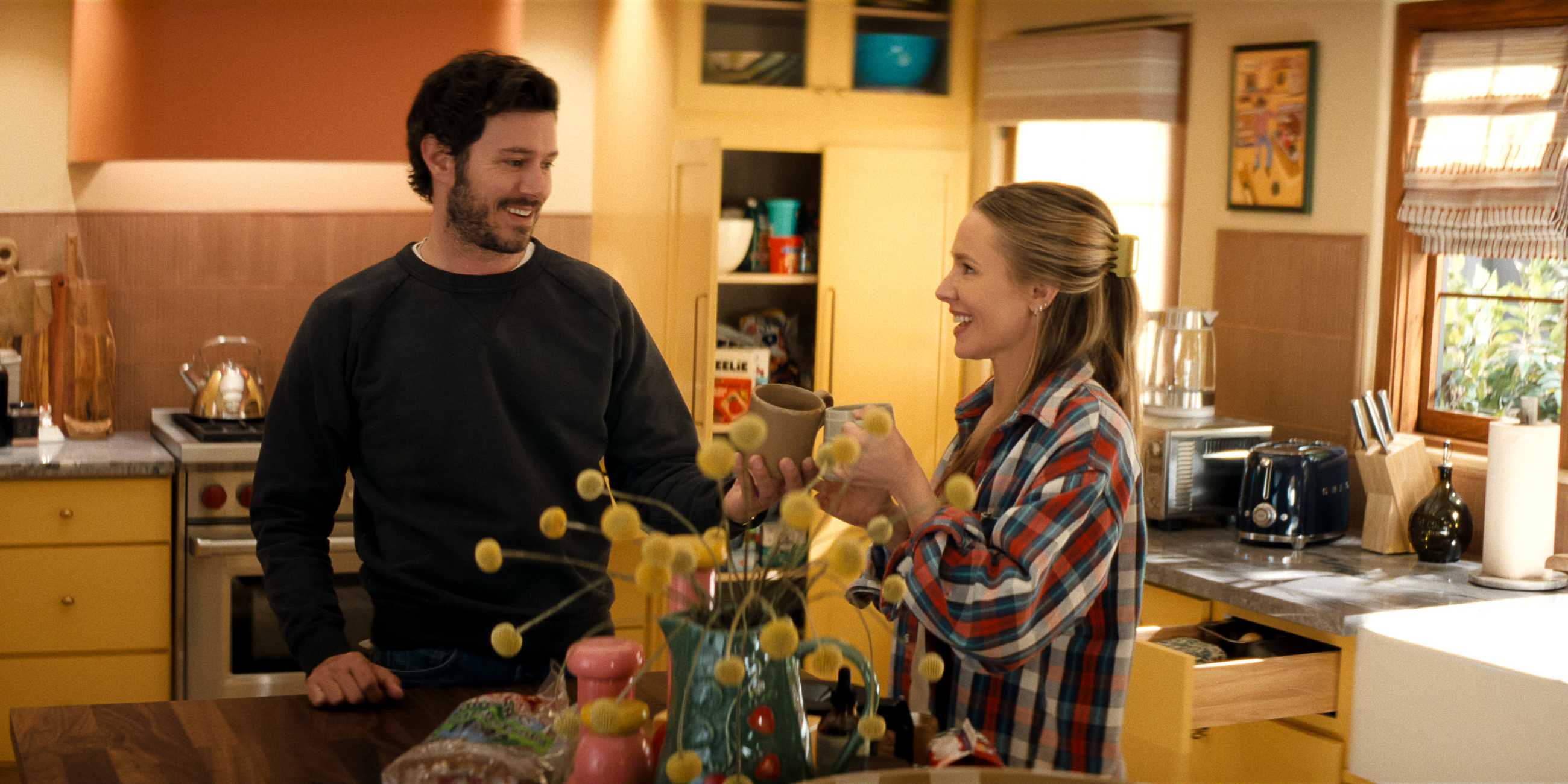
Moving past the frantic "will-they-won’t-they" dynamic that defined the breakout first season and the rocky narrative turbulence of Season 2—which saw a change in showrunners from creator Erin Foster and Craig DiGregorio to Jenni Konner and Bruce Eric Kaplan—the third season settles comfortably into domestic bliss. Joanne and Noah are officially living together, navigating the realities of a committed relationship, and tackling milestones like Joanne’s ongoing conversion to Judaism.
While Bell and Brody deliver mature, grounded performances that keep the series afloat, the removal of high-stakes romantic tension has transformed the once-addictive, watercooler program into a lower-stakes viewing experience. Furthermore, uneven subplots involving supporting characters like Morgan (Justine Lupe) and Sasha (Timothy Simons) pull focus from what made the series a cultural phenomenon in the first place.

Chronology of the Series: From Sparks to Stability
To understand the current state of Nobody Wants This in Season 3, it is necessary to trace the evolutionary trajectory of the Netflix romantic comedy:
- Season 1 Breakthrough: The series launched as an instant phenomenon, celebrated for subverting traditional rom-com tropes. The central conflict focused on the massive cultural and lifestyle divide between Joanne, a secular, outspoken podcaster, and Noah, a rising star in the Jewish religious community. The season concluded with Noah making the monumental choice to step away from his dream job as a senior rabbi to pursue a future with Joanne, leaving fans eager to see how the couple would bridge their differences.
- Season 2 Turbulence: Following creative shifts behind the scenes—with Jenni Konner and Bruce Eric Kaplan taking over as showrunners—Season 2 attempted to re-examine the core relationship. Critics and fans noted a regression in tone, with Noah portrayed with a sharper, less forgiving edge, leading to a temporary loss of the magical frisson that initially defined the couple. The season ended with secondary shifts, most notably the separation of Sasha and Esther (Jackie Tohn).
- Season 3 Domesticity: Released on October 22, 2026, Season 3 delivers on showrunner promises to abandon the tired "will-they-won’t-they" formula. The premiere immediately establishes Joanne and Noah as a domestic unit moving into their shared home. The central narrative pivots from whether they can stay together to how they build a life together, trading emotional chaos for cozy, low-stakes conflict resolution.
Supporting Data and Creative Analysis
Despite the narrative shift toward stability, Nobody Wants This Season 3 relies heavily on the profound on-screen synergy between its leads.
The Power and Pitfalls of Bell and Brody’s Chemistry
Adam Brody’s portrayal of Noah continues to lean into his viral appeal as the quintessential "Hot Rabbi," complete with grand romantic gestures in the season premiere. Meanwhile, Kristen Bell delivers what critics call her most mature iteration of Joanne yet. She gracefully balances personal growth with comedic flaws—such as telling her conversion class that she is embracing Judaism for the "cozy vibes."

Yet, this unwavering compatibility creates a structural challenge for a television comedy. As the season progresses past its initial milestone episodes, the lack of genuine external peril leaves the narrative coasting on charm. As entertainment critics note, while Bell and Brody could successfully "read the phone book" and remain entertaining, the transition from a must-watch cultural event to a predictable comfort watch is palpable.
Supporting Cast and Misfired Subplots
The secondary characters experience mixed fortunes in Season 3:
- Morgan and Sasha: Historically housing one of television’s finest platonic relationships, sibling duo Morgan and Sasha find themselves both single following Esther and Sasha’s split. Season 3 introduces a controversial romantic/sexual tension subplot between them. Critics argue this narrative choice sacrifices the charm of their established platonic bond for a storyline that struggles to earn its runtime.
- Morgan’s Career Growth: On a brighter note, Morgan navigates her first solo podcast success, stepping out of Joanne’s shadow to find professional fame.
- Esther’s Arc: Esther continues to search for identity post-separation, securing a real estate license and a steady, albeit unexciting, new partner, though the series still struggles to fully harness Jackie Tohn’s comedic potential.
- Ensemble Dynamics: The season shines brightest during scenes featuring the broader ensemble. Michael Hitchcock returns as Henry, the well-meaning father, while conversion classmates Sebastien (Andrew Rannells) and Amber (Kayla Monterroso Meija) inject much-needed comedic energy into group gatherings.
Official Responses and Creative Direction
Speaking to Netflix Tudum ahead of the premiere, showrunner Jenni Konner addressed the conscious decision to pivot away from repetitive relationship tropes.
"We didn’t have to do any more ‘Will they, won’t they?’ We know they are going to, and it was sort of, ‘How are they going to?’"
This philosophy dictated the writers’ room for Season 3. Rather than manufacturing artificial breakups or manufactured miscommunications, the creative team focused on the realities of modern interfaith relationship building, lifestyle integration, and domestic adjustment. While this approach successfully sidesteps frustrating television clichés, it forces the creative team to find alternative sources of narrative momentum—a challenge the series only partially resolves by shifting comedic weight to its supporting players.
Implications for the Future of the Show
The release of Nobody Wants This Season 3 raises critical questions about the longevity of contemporary romantic television series once the primary couple achieves their "happily ever after."

- The Shift to Ensemble Comedy: By leaning heavily into group scenes, family dinners, and community interactions at Joanne and Noah’s new home, Season 3 hints at a potential evolution. The show may be transitioning away from a strictly serialized romance into a broader ensemble comedy-drama.
- Sustaining Stakes: For a potential fourth season to recapture the spark of Season 1, the writers must find a way to balance the heartwarming stability of Joanne and Noah with compelling dramatic tension that doesn’t feel regressive.
- Genre Precedent: The series continues to prove that while the romance genre is notoriously difficult to sustain past the initial courtship phase, casting actors with elite chemistry provides a high safety net.
As all ten episodes of Nobody Wants This Season 3 stream on Netflix, audiences are left with a charming, cozy, yet transitional chapter of a show searching for its next great narrative gear.
