
Rediscovering Xanadu: The Roller-Skating Musical Fantasia That Defined an Era
Introduction: The Cult Classic That Defied Gravity
When Xanadu hit movie theaters in the summer of 1980, it arrived wrapped in neon light, synthesized disco beats, and the ethereal glow of roller-skating muses. Directed by Robert Greenwald and starring the beloved pop icon Olivia Newton-John, the film was conceived as an ambitious musical fantasia. Though it received a mixed critical reception upon its initial theatrical run, four decades later, Xanadu has evolved into a celebrated cult classic.
At the heart of the film’s enduring appeal is not just its bubblegum pop soundtrack—which spawned multiple chart-topping hits—but also its fascinating intersection of Hollywood royalty and emerging 1980s pop culture. Notably, the film features the incomparable, timeless talents of American Film Institute (AFI) Life Achievement Award honoree Gene Kelly. Serving as both a dazzling on-screen presence and the co-choreographer, Kelly brought his legendary Golden Age expertise to a movie set defined by roller skates, futuristic art deco, and synthesizer-heavy orchestration.
Today, institutions like the American Film Institute continue to preserve and celebrate the cinematic history embedded within Xanadu. Through resources like the AFI Catalog, film historians, students, and cinephiles can unpack the complex production history, cultural context, and lasting legacy of a motion picture that remains a unique time capsule of early-1980s entertainment.
Main Facts: Behind the Neon and the Music
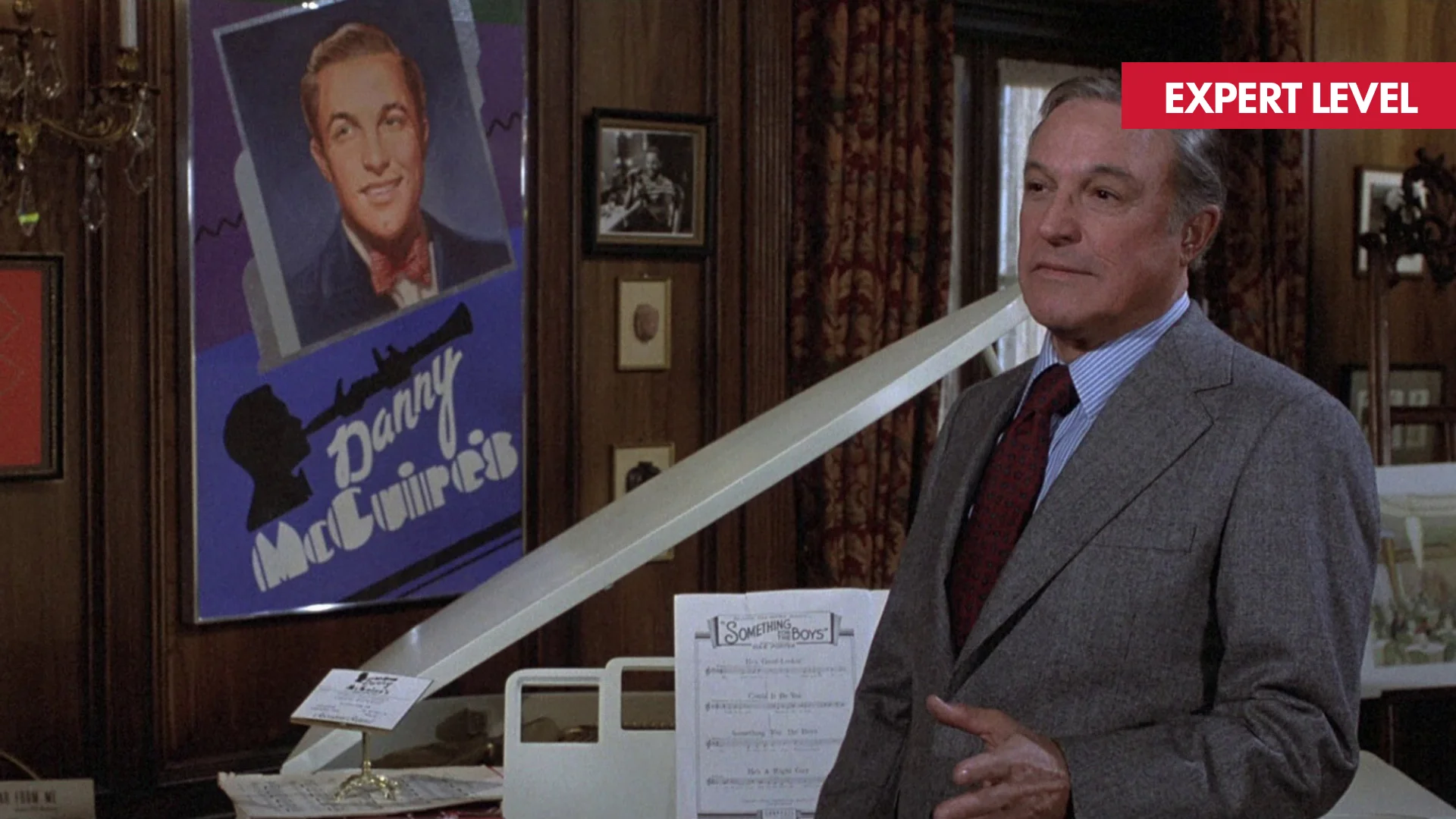
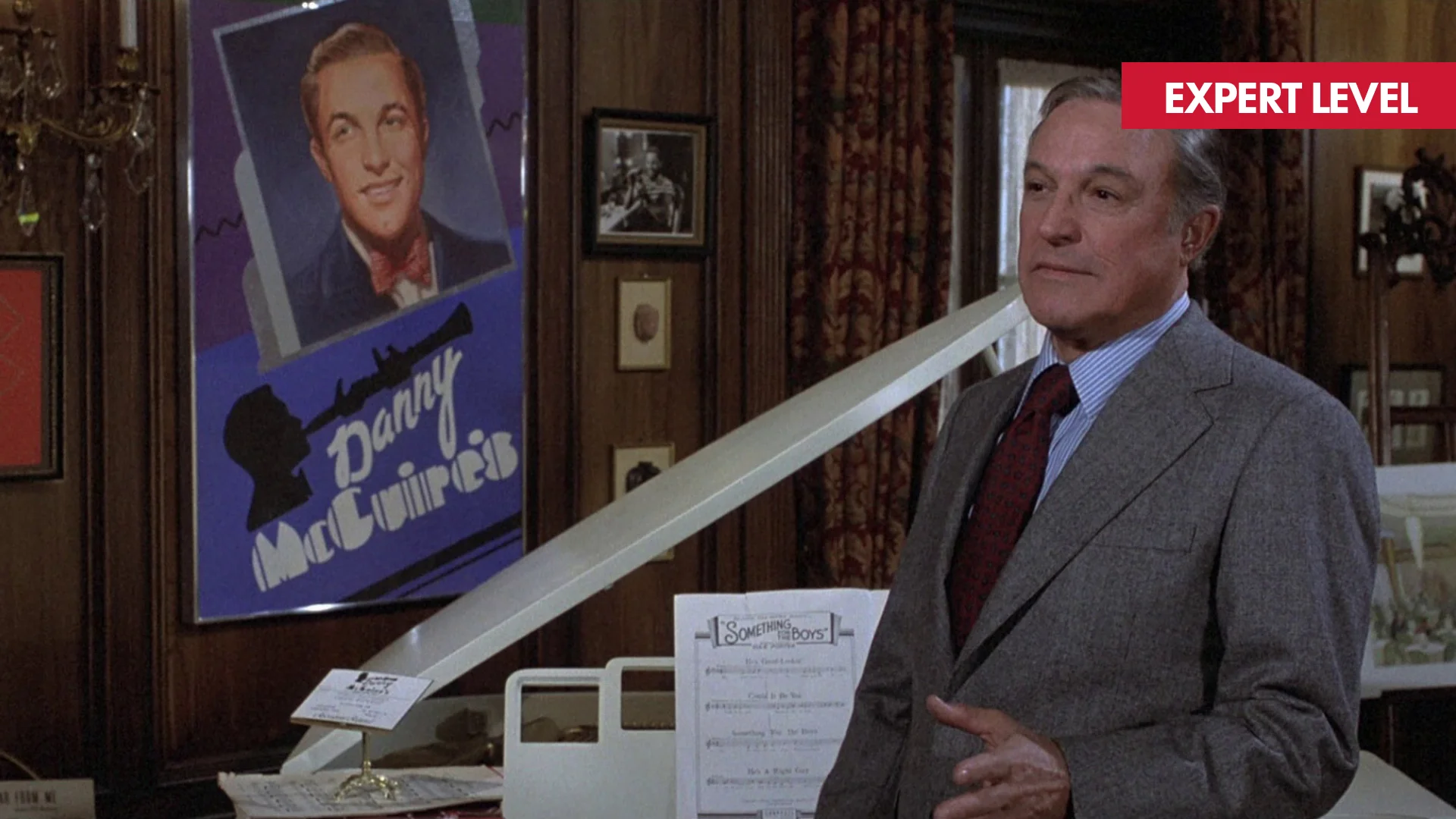
To understand Xanadu, one must look at the convergence of talent, corporate backing, and shifting musical tastes that brought the project to life. Released by Universal Pictures, the film tells the whimsical story of Sonny Malone (played by Michael Beck), a struggling artist in Los Angeles who encounters Kira (Olivia Newton-John), a muse sent from Mount Olympus. With the financial and creative backing of Danny McGuire (Gene Kelly), a retired big-band clarinetist turned wealthy businessman, Sonny and Kira realize their ultimate dream: opening a grand roller-skating discotheque called Xanadu.
Key Production Elements
- Release Date: Summer 1980 (US theatrical release)
- Director: Robert Greenwald
- Starring: Olivia Newton-John, Michael Beck, and Gene Kelly
- Choreography: Gene Kelly and Kenny Ortega
- Soundtrack Highlights: Co-written and performed by Electric Light Orchestra (ELO) and Olivia Newton-John, featuring iconic tracks like "Xanadu," "Magic," and "All Over the World."
The film’s visual aesthetic is defined by its grandiose set pieces, vibrant animation sequences designed by Don Bluth Studios, and relentless use of roller skating as a primary mode of cinematic movement and dance. While contemporary reviewers criticized its thin narrative framework, the picture’s technical ambition—particularly in blending classical musical staging with modern pop sensibilities—remains a fascinating study in genre experimentation.
Chronology: From Concept to Cult Phenomenon
The journey of Xanadu from a loose concept to a beloved pop-culture artifact spans decades of shifting cinematic perception.
1979–1980: Production and Anticipation
The project began as an attempt to capitalize on the massive success of Olivia Newton-John’s transition into mainstream pop stardom following Grease (1978), alongside the booming roller-disco craze of the late 1970s. Producers sought to pair Newton-John’s contemporary appeal with cinematic legend Gene Kelly, bridging two distinct eras of musical filmmaking. Filming took place in Los Angeles, utilizing iconic locations such as the Pan Pacific Auditorium, which added a grand, historical art deco backdrop to the futuristic fantasy elements.
Summer 1980: Theatrical Release and Critical Backlash
Upon its release, Xanadu faced an uphill battle with critics who found its plot overly simplistic and its tone uneven. Despite underperforming at the domestic box office, the film’s soundtrack proved to be an unstoppable commercial juggernaut. The album went double platinum in the United States, propelled by Newton-John’s Billboard Hot 100 number-one single "Magic" and ELO’s title track, "Xanadu."

1980s–1990s: Home Video and Midnight Screenings
As the film transitioned to home video and cable television, its reputation began to pivot. Audiences who found the earnest campiness and dazzling visual design off-putting in theaters began to embrace it as an unpretentious, joyous celebration of escapism. Midnight screenings and specialized repertory cinema revivals cemented its status as a cult favorite.
2007: Broadway Adaptation
The enduring cultural footprint of the film was further validated when Xanadu was adapted into a Broadway musical. Opening in 2007, the stage version leaned heavily into the camp and self-aware humor of the premise, earning critical acclaim, multiple Tony Award nominations, and proving that the underlying intellectual property retained significant nostalgic value.
Supporting Data: Box Office, Music Charts, and Archival Footprints
While box office figures for 1980 placed Xanadu in a modest financial tier relative to its production budget, its auxiliary metrics—particularly in music sales—tell a story of massive cultural penetration.
Soundtrack Performance Metrics
- Billboard 200: Reached the Top 5, sustaining a multi-week run on the charts.
- Singles Success: "Magic" spent four weeks at number one on the US Billboard Hot 100 chart, while "Xanadu" achieved the number-one spot on the UK Singles Chart.
- Certifications: Achieved multi-platinum status across several international markets, outperforming the theatrical film’s box office earnings in terms of pure commercial profitability.
Archival Preservation and Accessibility
The American Film Institute maintains detailed historical records of the production through the AFI Catalog. According to archival data, the film stands as one of the final major studio projects to fully embrace the traditional Hollywood musical format before the genre experienced a decades-long commercial hibernation in the 1980s and 1990s. Film scholars frequently utilize the AFI Catalog entry for Xanadu to study the transition of musical staging techniques from the Golden Age—championed on set by Gene Kelly—to the MTV-inspired music video aesthetic that would dominate the remainder of the decade.

Official Responses and Industry Perspectives
At the time of its release, responses from Hollywood studios and mainstream critics were cautious, yet retrospective analyses have offered a much warmer appraisal of the film’s artistic merits.
The Gene Kelly Factor
For Gene Kelly, Xanadu represented one of his final major cinematic performances. In retrospective interviews, Kelly expressed affection for the collaborative spirit of the project, noting the unique challenge of blending classic tap and jazz choreography with modern roller skating. Industry peers frequently cite Kelly’s involvement as the element that elevates Xanadu from a standard novelty film into a fascinating bridge between two distinct generations of dance choreography.
Olivia Newton-John’s Legacy
Olivia Newton-John frequently reflected fondly on the film, acknowledging that while it did not achieve the astronomical critical acclaim of Grease, it held a deeply personal place in her heart. She often highlighted the joy of working alongside Gene Kelly, calling the experience a career highlight. Her advocacy for the film helped pave the way for its eventual critical rehabilitation among pop culture historians.
Implications: The Lasting Cultural Legacy of Xanadu
The journey of Xanadu from a misunderstood summer blockbuster to a revered cult classic carries profound implications for how film history is evaluated, preserved, and appreciated.

1. The Re-evaluation of Camp and Joy in Cinema
Xanadu serves as a prime example of how cultural artifacts can shed their contemporary critical baggage over time. What was once dismissed as overly earnest or kitschy is now celebrated for its uninhibited creativity, bold color palettes, and refusal to conform to cynical storytelling tropes.
2. The Bridge Between Generations of Dance
By pairing Gene Kelly with modern choreographers and performers, Xanadu ensured that the vocabulary of Golden Age Hollywood musicals was directly transmitted into the dawn of the music-video era. This cross-pollination influenced subsequent generations of directors and choreographers who sought to bring theatrical movement back into mainstream pop culture.
3. The Role of Cultural Institutions
Platforms like the American Film Institute and the AFI Catalog play a critical role in preserving the legacy of films like Xanadu. By maintaining comprehensive production data, artist filmographies, and streaming pathways, these institutions ensure that even films that faced initial commercial or critical headwinds receive a fair, historically grounded assessment by future generations of movie lovers.
As audiences continue to seek out escapism, vibrant artistry, and historical cinematic touchstones, Xanadu remains a shining beacon of a bygone era—a place where muses skate down from the heavens, legends dance on neon-lit floors, and the magic of cinema endures.
