
Legal Storm Clouds Gather: A Multi-State Coalition Moves to Block Paramount’s $110 Billion Acquisition of Warner Bros.
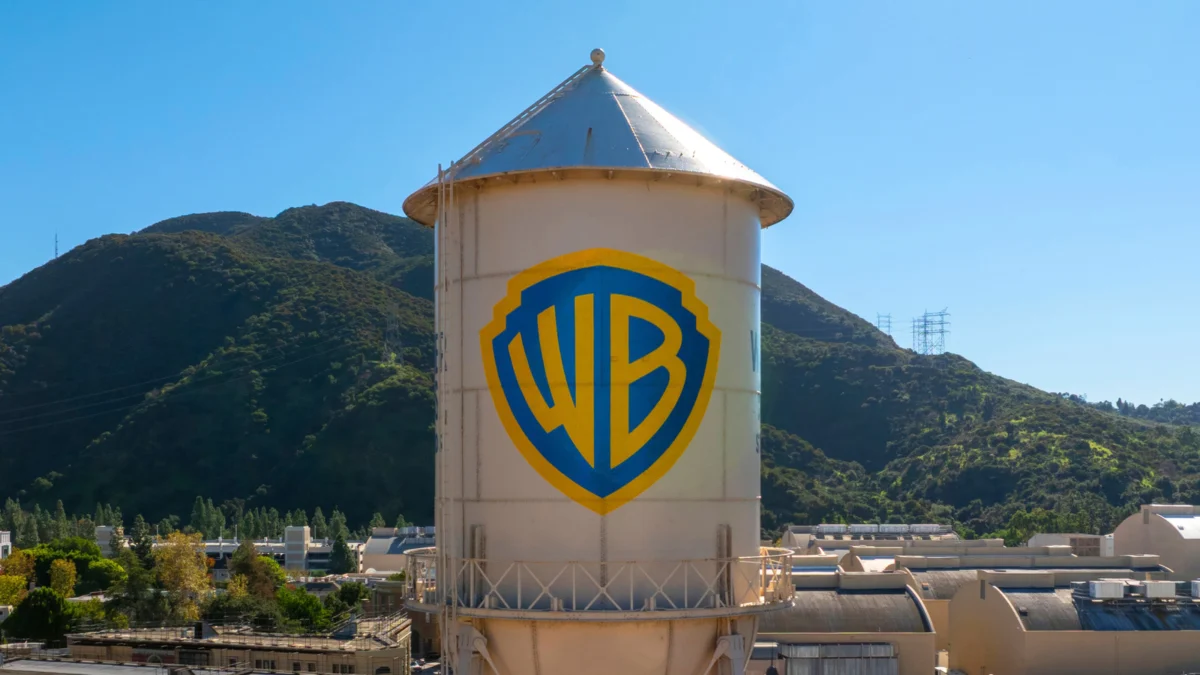
In a move that promises to redefine the landscape of American media and entertainment, a coalition of U.S. states is reportedly finalizing plans to file a federal lawsuit aimed at blocking Paramount’s massive $110 billion acquisition of Warner Bros. Discovery. This development marks a significant escalation in the regulatory battle surrounding the deal, which has been under intense scrutiny since it was first unveiled in February.
Led by the offices of the Attorneys General of California and New York, the impending legal action threatens to derail one of the most ambitious and controversial mergers in modern corporate history. As the media landscape pivots toward a streaming-dominated future, this legal challenge highlights a growing trend of aggressive antitrust enforcement by state-level regulators, who argue that the consolidation of such media giants poses a fundamental risk to consumer choice, labor stability, and market health.
The Chronology of a Mega-Merger
The path to this potential courtroom showdown began in early 2024, characterized by a high-stakes bidding war that captured the attention of Wall Street and Hollywood alike.
- February 2026: Paramount officially announces its intention to acquire Warner Bros. Discovery for $110 billion. The deal follows a period of intense uncertainty regarding the future of the media conglomerate, which had been the subject of persistent acquisition rumors.
- The Bidding War: Paramount emerged victorious over Netflix, which had aggressively pursued the acquisition in hopes of securing a vast library of intellectual property to bolster its own streaming dominance.
- Initial Regulatory Signaling: Within days of the announcement, California Attorney General Rob Bonta issued a formal statement signaling that his office would launch a comprehensive investigation into the merger’s impact on competition.
- Ongoing Scrutiny: Over the following months, the deal faced sustained pressure from labor unions, consumer advocacy groups, and competition regulators. As the summer of 2026 approached, reports began to surface that state-level legal teams were coordinating a multi-pronged litigation strategy to challenge the merger on antitrust grounds.
The Core Argument: Why States Are Suing
The legal argument against the merger centers on the concept of "market consolidation." Critics of the deal, including the attorneys general involved in the preparation of the lawsuit, argue that the creation of such a massive entity creates an insurmountable barrier to entry for smaller, independent production houses and content creators.
Antitrust and Market Concentration
At the heart of the case is the potential for the new entity to wield undue influence over both the distribution and production arms of the media business. By controlling a vast array of cable networks, film studios, and streaming platforms, the combined Paramount-Warner Bros. entity would effectively own the entire vertical chain of content delivery.
State regulators argue that this vertical integration allows the company to engage in exclusionary practices—such as favoring its own proprietary content over that of competitors—thereby stifling innovation and artificially inflating subscription prices for consumers.
The "Bonta Doctrine": A Focus on Economic Health
California Attorney General Rob Bonta has become the most vocal critic of the deal. His office has consistently framed the merger not just as a business maneuver, but as a threat to the state’s economic vitality. Bonta’s public statements emphasize that the deal is a symptom of a broader trend: the "financialization" of the media industry at the expense of its workforce.
"Further consolidation in markets that are central to American economic life does not serve our economy, consumers, or competition well," Bonta stated shortly after the announcement. His office contends that such mergers have historically led to "increased unaffordability, a loss of good-paying job opportunities, and fewer choices for consumers."
Implications for the Media Ecosystem
If the lawsuit proceeds, the implications for the industry will be profound. The legal battle could serve as a bellwether for how future media mergers are treated by federal and state courts in the coming decade.
Impact on Streaming and Consumer Choice
For the average consumer, the merger was billed as an opportunity to bundle services and provide a more seamless viewing experience. However, the states argue that the reality is likely to be a "take it or leave it" pricing structure. If competition is removed from the marketplace, the incentive for these platforms to invest in diverse, high-quality, or experimental programming diminishes, potentially leading to a homogenized content landscape.
The Labor Perspective
The entertainment industry is already reeling from the effects of recent strikes and the rapid adoption of generative artificial intelligence. Labor unions, particularly those representing writers, actors, and production crews, have expressed deep concern that the $110 billion merger will trigger a wave of cost-cutting measures. These measures often manifest as mass layoffs and the cancellation of long-term contracts, as the newly merged entity seeks to realize "synergies"—a corporate term that, in this context, often serves as a euphemism for job losses.
The Legal Strategy: A Multi-State Coalition
While the names of all participating states have not been fully disclosed, the involvement of California and New York—two of the most influential legal jurisdictions in the U.S.—lends significant weight to the action.
The Power of State Attorneys General
Under the Clayton Antitrust Act and various state-level statutes, attorneys general possess the authority to challenge mergers that they believe will have a detrimental effect on the residents of their respective states. By pooling resources, these states can mount a legal challenge that rivals the resources of a multi-billion-dollar corporation.
Expected Filing Timeline
Reports indicate that the legal team is in the final stages of drafting the complaint. The lawsuit is expected to be filed in federal court within the coming weeks. Legal experts anticipate that the defense will argue that the merger is essential to compete with the likes of Amazon, Apple, and Google, which are increasingly encroaching on the traditional media space. This "defensive consolidation" argument will likely be a primary point of contention in the courtroom.
Looking Ahead: The Road to Trial
The case is expected to be a long, arduous process. Even if the states succeed in securing an injunction to temporarily block the deal, Paramount and Warner Bros. are likely to pursue a lengthy appeals process.
The "Netflix Factor"
An interesting aspect of this case is the failed bid by Netflix. Defense attorneys are expected to use this as evidence of a highly competitive market, arguing that if a company as powerful as Netflix was competing for the acquisition, the market cannot be considered a monopoly. However, the states are expected to counter that Netflix’s involvement merely proves that the industry is devolving into a "winner-take-all" arena where only the largest players can survive.
The Regulatory Precedent
This litigation comes at a time when the Department of Justice and the Federal Trade Commission have been encouraged to take a more skeptical view of corporate power. Should the state-led lawsuit succeed, it would signal a major shift in the regulatory environment, potentially discouraging other media giants from pursuing similar "megadeals" in the future.
Conclusion
The $110 billion Paramount-Warner Bros. deal represents a crossroads for the American entertainment industry. As the line between technology and media continues to blur, the question of how much power one entity should hold is becoming increasingly urgent.
For now, the industry remains in a state of nervous anticipation. As the coalition of states prepares to file their lawsuit, the message is clear: the era of unchecked media consolidation is facing a formidable new obstacle. Whether this intervention will succeed in preserving competition or simply delay an inevitable shift in the industry remains to be seen. However, one thing is certain: the outcome of this case will echo throughout the halls of Hollywood and the corridors of Washington for years to come.
