
The 60th Karlovy Vary International Film Festival: A Milestone of Stability and Global Cinema
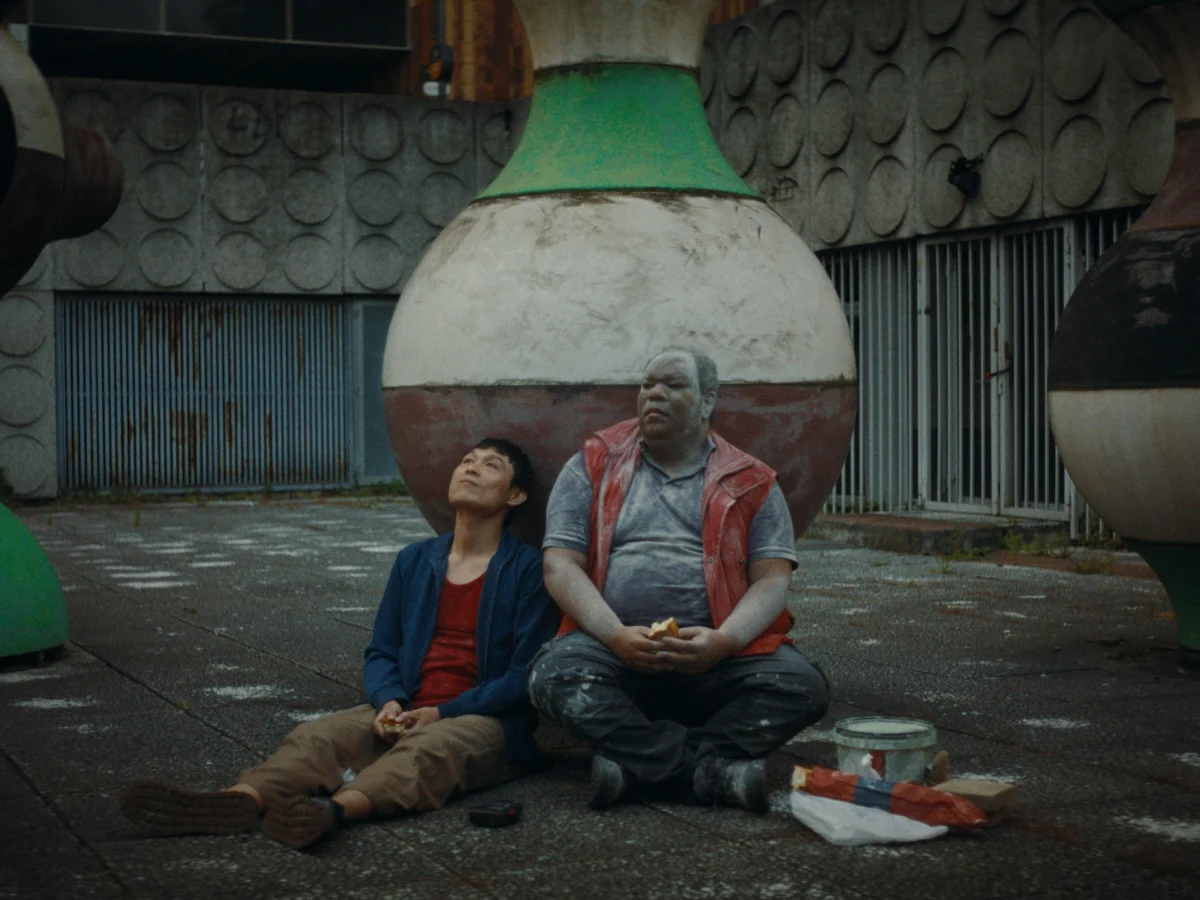
As the global festival circuit navigates a period of profound uncertainty, characterized by budget cuts, leadership turnover, and the shifting economics of distribution, the Karlovy Vary International Film Festival (KVIFF) stands as a beacon of resilience. The 60th edition of the festival, held from July 3 to July 11, 2026, reinforces its status as the crown jewel of Eastern European cinema, offering a robust, star-studded, and financially stable platform for both established auteurs and emerging voices.
Under the seasoned guidance of Artistic Director Karel Och and Chairman of the Board Kryštof Mucha, this year’s milestone anniversary showcases a program that feels both expansive and meticulously curated. While major festivals in Berlin, Toronto, and Sundance have grappled with the tightening purse strings of the post-pandemic era, KVIFF has maintained its momentum, securing strong support from its loyal sponsors and patrons. With 40 films spanning its primary competitive and non-competitive sections, the festival continues to be a vital waypoint on the annual cinematic calendar, positioned strategically between the glitz of Cannes and the prestige of Venice.
A Strategic Pivot in the Festival Landscape
For decades, Karlovy Vary has thrived by occupying a unique niche: it is a festival that embraces the "wait and see" approach of the international industry. By scheduling its festivities for early July, KVIFF acts as a second-chance haven for films that may have narrowly missed the cut at Cannes, while also serving as a laboratory for high-potential projects that were not quite ready for the May deadline.
Winning a prize at KVIFF—most notably the coveted Crystal Globe—has become a significant indicator of a film’s future marketability. It is not merely a symbolic victory; it is a launchpad that adds essential "luster" to a film’s release trajectory, often acting as a bridge for independent international features to secure distribution deals in North America and beyond. This year, the festival’s ability to draw high-caliber talent to the Czech spa town of Karlovy Vary suggests that the industry’s appetite for in-person discovery remains as strong as ever.

The Competitive Landscape: Crystal Globe and Proxima
The 60th edition is defined by a two-pronged competitive structure: the prestigious Crystal Globe Competition and the Proxima Competition, which is dedicated to more experimental, genre-bending works. This year, the programming team has successfully balanced the scales, featuring a mix of 15 first-time directors alongside established veterans.
The Crystal Globe Competition
The main competition features a diverse slate of world premieres that highlight the geopolitical breadth of the festival. Highlights include:
- "3 Weeks After" (3 nedelje posle): Directed by Miroslav Terzić, this Serbian-Bulgarian co-production sets a somber tone for the competition.
- "Black Money for White Nights": A Bulgarian-Greek collaboration from the acclaimed duo Kristina Grozeva and Petar Valchanov.
- "Chica Checa": Directed by Šimon Holý, representing the host country alongside France and Slovakia.
- "Behind the Rain" (Detrás de la lluvia): A highly anticipated new work from the legendary Chilean director Valeria Sarmiento.
- "Hijamat": A German production directed by Nader Saeivar, known for his incisive political narratives.
- "Fruit Gathering" (Thit-thee Khu): Directed by Aung Phyoe, this Myanmar-France-Czech production brings vital Southeast Asian perspectives to the main stage.
The Proxima Competition
Proxima continues to challenge the definitions of cinema, focusing on films that prioritize stylistic innovation. This year’s selection includes:
- "Paris, Paris": Directed by Isabelle Tollenaere, a Belgian film that has already generated significant buzz for its unique visual language.
- "My Friend the Porn Star" (Mein Freund der Pornostar): Austrian director Rosa Friedrich explores subcultural dynamics in this bold, 94-minute feature.
- "Incinerator" (Shokyakuro): A Japanese production by Shuntaro Uchida that promises a visceral, unsettling experience.
- "Petty Thieves" (Sitni lopovi): Directed by Mate Ugrin, this multi-national co-production explores the intersection of crime and survival.
Supporting Data: The Power of the Jury
The integrity of the competition rests on the shoulders of the appointed juries, which reflect a blend of critical, creative, and institutional expertise.

The Crystal Globe Jury is an eclectic assembly of global talent:
- Justin Chang: Renowned critic for The New Yorker, representing the intellectual rigor of the festival.
- Amanda Nell Eu: The Malaysian filmmaker behind the breakout hit Tiger Stripes.
- Pavel Rejholec: A Czech master of sound design and production, ensuring the technical elements of the films are evaluated with precision.
- Nadia Turincev: A seasoned producer known for her work with Rouge International.
- Eskil Vogt: The two-time Oscar-nominated screenwriter, whose presence brings a master-class level of narrative analysis to the deliberations.
The Proxima Jury brings a focus on distribution and independent spirit:
- Estrella Araiza: General Director of the Guadalajara International Film Festival, representing the vital Latin American market.
- Dirk Decker: A German producer who brings a sharp commercial and creative eye.
- Jakub Felcman: A quintessential "industry Swiss Army knife" whose deep knowledge of Czech film culture is invaluable.
- Devika Girish: Editor of Film Comment, representing the vanguard of modern film criticism.
- Marija Kavtaradze: A Lithuanian director/screenwriter whose recent work has garnered significant European acclaim.
Official Perspectives: Navigating the 60th Milestone
In interviews leading up to the festival, artistic director Karel Och emphasized that the 60th anniversary is less about looking back and more about "cementing the festival’s role in an era of digital fragmentation." Mucha, the chairman of the board, echoed this sentiment, highlighting that the financial stability of the event is the result of long-term partnerships with the Czech state and a robust private sponsorship ecosystem.
"We don’t chase trends," Mucha stated. "We create an environment where the film is the only thing that matters. That is why our patrons return year after year, regardless of the economic climate of the wider industry."

The absence of the financial instability seen in North American festivals—often driven by the volatility of corporate sponsorship—has allowed KVIFF to focus entirely on its programming. This consistency has made the festival a safe harbor for filmmakers who are increasingly wary of the "festival-as-a-service" model, where films are often treated as content rather than art.
Implications for the Future of Film
The implications of this year’s festival are twofold. First, it proves that regional festivals can, if managed with a long-term vision, outperform global "mega-festivals" in terms of cultural influence and stability. By maintaining a human-scale experience, KVIFF ensures that films are seen, discussed, and championed by a community of cinephiles rather than buried in the noise of a massive market.
Second, the diverse, global list of premieres—spanning Myanmar, Chile, India, and across Europe—suggests that the "global village" of cinema is alive and well. As platforms like Netflix and Amazon continue to consolidate, the need for a physical space where filmmakers from the Global South can interact with European and American critics and distributors becomes more acute.
As the curtains close on this 60th edition, the legacy of Karlovy Vary appears secure. It remains a testament to the idea that cinema is not just a commodity to be traded, but a conversation to be had. Whether through the high-stakes drama of the Crystal Globe or the experimental frontiers of the Proxima section, the festival continues to be an essential engine for the global film economy. With its unique blend of traditional hospitality and cutting-edge curation, Karlovy Vary has successfully defined what it means to be a modern film festival in the 2020s: resilient, relevant, and entirely committed to the art of the moving image.
