
Shadows of the Hudson: Unearthing the Tragic Reality Behind ‘Cruising’
When William Friedkin’s Cruising hit theaters in 1980, it arrived like a shockwave. Starring Al Pacino as a straight NYPD officer infiltrating the underground gay leather scene to track a serial killer, the film was visceral, provocative, and deeply controversial. For many, it was their first glimpse into a world that existed in the shadows of New York City. Yet, for those who lived in that world—and for the families of those lost to its perils—the film was far more than a work of fiction; it was a haunting mirror of a brutal, forgotten reality.
Decades later, filmmaker Jeffrey Schwarz is peeling back those layers with his new documentary, Mineshaft: The Cruising Murders. Premiering at this year’s Tribeca Festival, the film serves as both an investigation into the making of a cinematic lightning rod and a long-overdue memorial for the victims of real-life violence that plagued New York’s gay community in the 1970s.
The Context: A City Under Siege
To understand the visceral impact of Cruising, one must understand the New York of the late 1970s. It was a city of grit, danger, and rapid cultural shifts. Within the burgeoning gay liberation movement, the leather community had established a distinct, albeit insular, subculture. But while the community sought freedom, they were also being hunted.
In the mid-70s, police discovered the dismembered remains of six unidentified men wrapped in plastic bags in the Hudson River. Among the gruesome findings were items of clothing linked to a local leather shop, leading authorities to suspect a serial killer was targeting the gay community. At the time, the investigation was plagued by apathy; in an era of rampant homophobia, the disappearances of gay men often failed to garner the urgency or the resources required for a proper homicide inquiry.
The terror reached the halls of Variety itself in 1977 when longtime film reporter Addison Verrill was murdered. Verrill had picked up a man at a Greenwich Village bar—a man later identified as Paul Bateson, a radiologist at New York University Medical Center. Bateson was eventually convicted of the murder and sentenced to 20 years to life.
The Friedkin Connection
William Friedkin, the legendary director behind The Exorcist and The French Connection, had an unsettling proximity to these events. During his research for The Exorcist, he had encountered Bateson at the NYU Medical Center, where the radiologist performed an angiography on actress Linda Blair. Friedkin even cast Bateson as a technician in that very film.
Following Verrill’s murder and his subsequent visits to Bateson in prison, Friedkin found the seeds for his next project. Cruising was born from the intersection of this real-world trauma and the director’s fascination with the dark undercurrents of the city. However, when news of the project leaked via Village Voice columnist Arthur Bell, the backlash was immediate. Activists accused the film of being exploitative, arguing that it painted the gay community as a monolith of depravity, violence, and hyper-sexuality. The production was besieged by protests, and upon its release, the film suffered both critical disdain and box-office failure.

A Personal Reckoning
The history of Cruising is not just a footnote in film school curricula; for some, it is deeply personal history. Recent conversations with family members have illuminated the intimate cost of these headlines.
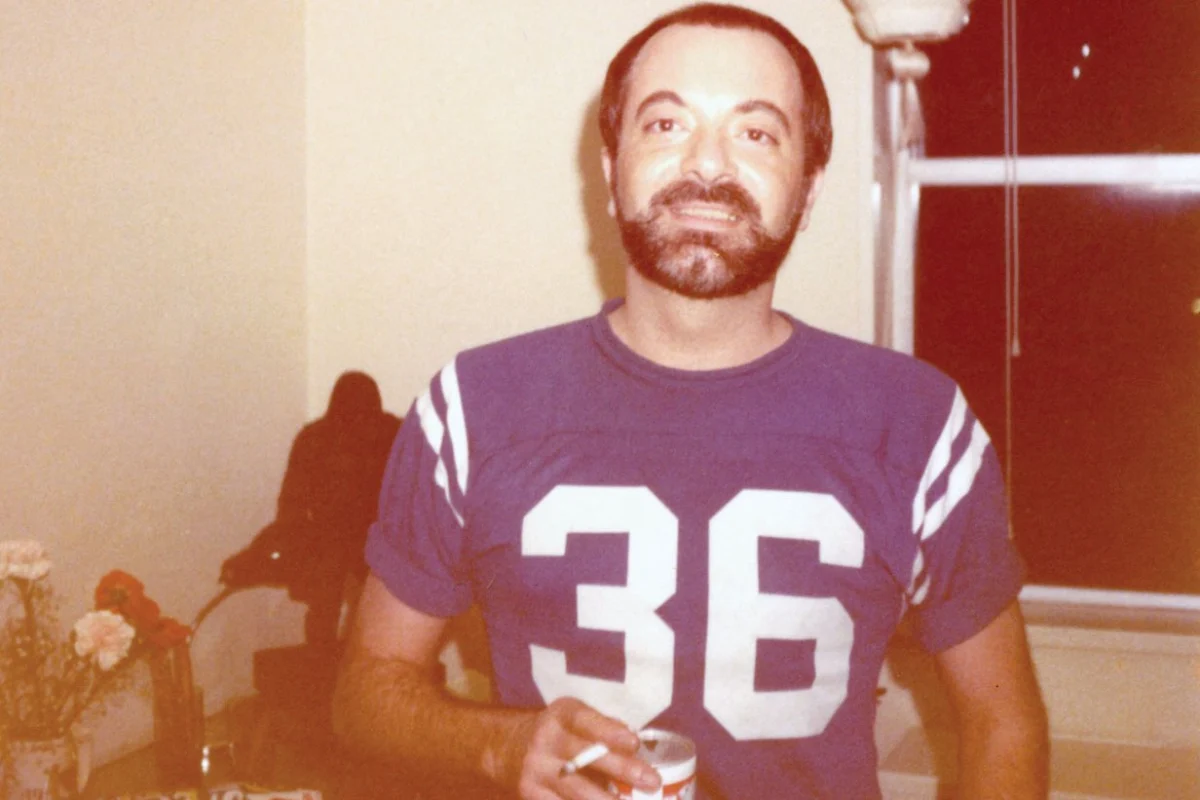
"I hadn’t seen or spoken to my Uncle Arthur’s ex-wife, Susan, in 35 years," says the author of this investigation. "When we reconnected, she spoke of the past with a heavy heart. She reminded me that two of her and Arthur’s closest friends were Addison Verrill and Bob Geary."
The revelation that Verrill was not merely a tragic figure in a true-crime dossier, but a beloved friend and a human being with a life outside of his death, adds a layer of profound grief to the legacy of the 1970s. For families, the pain was compounded by the dual ravages of violence and the AIDS epidemic, which claimed both the author’s uncle and his brother in the early 1990s. This history of loss is the silent engine driving the resurgence of interest in these stories.
Jeffrey Schwarz and the Archival Mission
Jeffrey Schwarz, known for his work on queer cinema icons like Divine and Tab Hunter, began his journey into Cruising ten years ago. What started as a technical deep-dive into the film’s production quickly transformed into an investigative mission.
"I’m looking for those stories and trying to find gay love stories," Schwarz explains. "I feel a certain responsibility to get these stories out into the world. When I started digging into the murders, I began learning more and more about Addison. It became clear that his life—and the lives of the men he loved—needed to be the heart of the documentary."
The filmmaking process required patience and sensitivity. Convincing those close to Verrill, such as his sister, Pamela, and his lover, Robert Geary, to participate was a delicate undertaking. These individuals had lived with the trauma of Verrill’s death for decades, and the prospect of re-opening those wounds was daunting. Yet, both ultimately chose to participate as a means of reclaiming Verrill’s dignity—moving him from the category of "murder victim" back to the status of a cherished friend and brother.
Official Responses and Unresolved Questions
The question of whether Paul Bateson was a serial killer remains one of the great open wounds of the era. While Bateson boasted to acquaintances about committing other murders, law enforcement never definitively linked him to the other bodies found in the Hudson.

"Those six bodies were never even identified," Schwarz notes. "I don’t think this was investigated very thoroughly by the police. It was just a bunch of gay guys that got killed, so the attitude was: ‘Who cares?’"
The failure of the justice system to identify the other victims reflects the systemic devaluation of gay lives during that decade. Today, there is no conclusive evidence that Bateson was responsible for the broader string of murders, leaving a void where closure should be. It is a testament to the era’s institutional indifference that these cases remain largely unsolved.
The Cultural and Human Legacy
As Mineshaft: The Cruising Murders premieres at Tribeca, the location carries a poignant irony. The festival takes place within walking distance of Julius’—the bar where Verrill met Geary—and the Meatpacking District, where the real-life Mineshaft bar once stood.
Watching the original Cruising today is a jarring experience, not only for its depiction of the leather subculture but for its accidental documentation of a world on the precipice of tragedy. The film was shot in the summer of 1979, just two years before the first cases of HIV were reported in the United States. Many of the extras in the film—often cast from the very bars that were the centers of that community—would soon fall victim to the AIDS crisis.
"If you look at the bar scenes in Cruising, you have to wonder how many of those guys would be alive a year or two or five years later," Schwarz reflects. "Friedkin cast real men in the leather scene and porn stars as extras. It’s a time capsule of a generation that was about to be decimated."
Conclusion: Reclaiming the Narrative
The enduring legacy of Cruising is no longer just about the controversy of its release or the brilliance of its cinematography. Through the work of documentarians like Jeffrey Schwarz, the film has become a gateway to a deeper, more empathetic understanding of the past.
By centering the lives of men like Addison Verrill, the narrative shifts from one of exploitation to one of remembrance. It is a reminder that behind every "gritty" true-crime story are real lives, real loves, and families who continue to carry the weight of those losses. As we look back at the shadows of the 1970s, we are not just analyzing a film; we are honoring the men who lived, loved, and died in the vibrant, dangerous, and transformative era that preceded our own.
