
Summer Cinema: A Curated Guide to the Indie Films Defining the Season
The arrival of summer marks a perennial shift in the cinematic landscape. As the blockbuster season reaches its zenith, a quieter, more potent revolution is taking place in independent theaters and via specialized screening programs like Film Independent Presents. This season’s lineup is defined by the “coming-of-age” archetype—a classic narrative vehicle that indie filmmakers are currently deconstructing, subverting, and reimagining across borders.
From the sun-drenched, tragic isolation of a Greek private island to the complex, identity-driven suburbs of Paris, this season’s selections prove that the indie spirit is not merely about budget constraints, but about the relentless pursuit of authentic, often uncomfortable, human truths.

The June Slate: A Chronological Roadmap
The following films represent a diverse cross-section of global storytelling, highlighting voices that challenge convention and push the boundaries of genre.
May 20: Coroner to the Stars
Kicking off the season early, directors Ben Hethcoat and Keita Ideno offer a deep dive into the bureaucratic labyrinth of Los Angeles in their documentary debut. The film tracks the tenure of Dr. Thomas Noguchi, the Chief Medical Examiner who transformed the way the world viewed celebrity mortality. By investigating cases ranging from Marilyn Monroe to Robert F. Kennedy, Noguchi became a polarizing figure who prioritized scientific transparency over the opaque, image-conscious demands of the Hollywood Studio System.

June 1: Burt
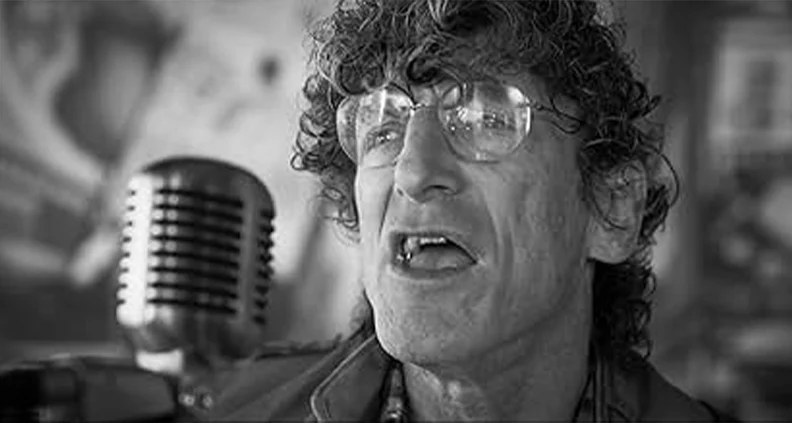
Director Joe Burke brings a deeply personal, fictionalized account of singer-songwriter Burton Berger to the screen. Centered on the dynamic between an aging, vulnerable artist living with Parkinson’s and a mysterious young man claiming to be his son, Burt is a masterclass in understated humor. It is a film about the struggle for creative legacy and the inherent danger of trusting strangers when one’s own life is built on fragile, artistic dreams.
June 5: The Birthday Party & The Little Sister
June 5th serves as a double-feature of international prestige. Miguel Ángel Jiménez’s The Birthday Party, starring Willem Dafoe, serves as a high-stakes tragedy set on a Mediterranean island, exploring the corrosive nature of extreme wealth and familial power. Conversely, Hafsia Herzi’s The Little Sister offers an intimate look at the life of a young French-Algerian student in the Paris suburbs. Herzi’s film, a Cannes standout, provides a rare, honest look at the queer North African experience.

June 15 & 19: Leviticus, Maddie’s Secret, & Girls Like Girls
Mid-June shifts toward genre experimentation. Adrian Chiarella’s Leviticus blends the horror genre with the narrative of conversion therapy, using supernatural tropes to explore the trauma of homophobia in rural Australia. Following this, John Early’s Maddie’s Secret offers a meta-commentary on the "movie of the week" aesthetic, examining the toxic pressures of the modern "food influencer" era. Finally, Hayley Kiyoko’s directorial debut, Girls Like Girls, expands her famous music video and novel into a full-length exploration of queer desire and grief in the Pacific Northwest.
June 26: The Invite & Romería
The month concludes with Olivia Wilde’s The Invite, a razor-sharp marital comedy featuring an ensemble cast including Seth Rogen and Penélope Cruz, followed by Carla Simón’s Romería. Simón, fresh off the success of Alcarràs, uses her own family history to explore the nature of identity and memory in the wake of the AIDS crisis.

Supporting Data: The Anatomy of Modern Indie Production
The films listed above represent a departure from traditional studio financing. A significant portion of this season’s highlights utilize the "microbudget" model—a financial framework that, while restrictive, often fosters high-concept creativity.
Financial and Demographic Trends
- Microbudget Prevalence: 30% of the featured films utilize a microbudget structure, emphasizing that compelling storytelling is increasingly divorced from massive capital expenditures.
- Diverse Representation: 70% of the selected films feature leads or directors of color, reflecting a concerted effort by organizations like Film Independent to champion marginalized voices.
- First-Time Filmmakers: Approximately 40% of the highlighted projects are directed by first-time feature filmmakers, underscoring the vital role of incubation programs in identifying fresh talent.
Official Responses and Creative Intent
The common thread linking these diverse projects is the filmmaker’s desire to challenge the status quo.

In discussing The Little Sister, director Hafsia Herzi emphasized the necessity of visibility: "I’ve rarely seen a proudly queer North African character on screen, even though I know so many women like her. I had to tell her story." Herzi’s perspective is mirrored by Carla Simón, who views cinema as a tool for personal and communal healing. Regarding Romería, Simón noted, "When you can’t shape your identity through others, you can invent it through creation. Cinema is there for that: creating images that don’t exist."
These sentiments align with the broader mission of Film Independent, which for over 40 years has focused on fostering a culture of inclusion. By providing a platform for projects that would otherwise be sidelined by major distribution networks, the organization ensures that innovation remains the heartbeat of the industry.

Implications: The Future of Independent Storytelling
The implications of this summer’s slate are profound for both audiences and the industry at large.
The Shift in Audience Expectations
Audiences are increasingly gravitating toward "authentic" narratives that address the intersections of identity, technology, and mental health. Films like Maddie’s Secret and Leviticus prove that audiences are willing to engage with complex, genre-bending themes that demand active participation rather than passive consumption.

The Sustainability of Independent Film
The rise of the "Celebrity Sex Pass" type of high-concept, low-budget comedy (as seen in David Wain’s Gail Daughtry) alongside heavy, arthouse dramas suggests a healthy diversification of the indie market. Producers are learning that by leveraging recognizable talent in unconventional, off-beat projects, they can bridge the gap between niche interest and wider commercial viability.
The Role of Institutional Support
The success of this season is heavily predicated on the infrastructure provided by non-profits. Without the screening rooms, mentorship programs, and lobbying efforts of organizations like Film Independent, many of these stories would be lost to the "content void." The shift toward digital distribution for films like The Birthday Party suggests that the future of indie film is a hybrid one—a blend of theatrical prestige and digital accessibility.

Conclusion: A Season of Discovery
This summer, the map of independent cinema is wider than ever. It spans from the rugged coastlines of Oregon to the stifling apartments of Paris, and from the sound stages of Hollywood to the private islands of the Mediterranean.
For the viewer, these films offer more than just entertainment; they offer a mirror to the anxieties and aspirations of the modern age. Whether it is a story about the devastating weight of a parent’s secret, or the surreal, viral nature of a chef’s sudden fame, these narratives remind us that at the heart of every great film is an artist trying to understand their place in the world. As we move through the heat of June, the promise of these stories lies in their ability to make us feel less alone in our own coming-of-age journeys, regardless of our age.

For those interested in supporting the future of these voices, consider contributing to the ongoing mission of Film Independent, ensuring that the next generation of storytellers has the resources to turn their visions into reality.
