
Behind the Scenes of The End of Oak Street: A Deep Dive into David Robert Mitchell’s Time-Warped Suburban Nightmare
Main Facts
The cinematic landscape of 2026 has been captivated by a striking new entry into speculative drama: The End of Oak Street, written and directed by acclaimed filmmaker David Robert Mitchell. Starring powerhouse leads Anne Hathaway and Ewan McGregor, the film presents a chilling, high-concept narrative in which ordinary suburban existence is violently upended by temporal displacement.
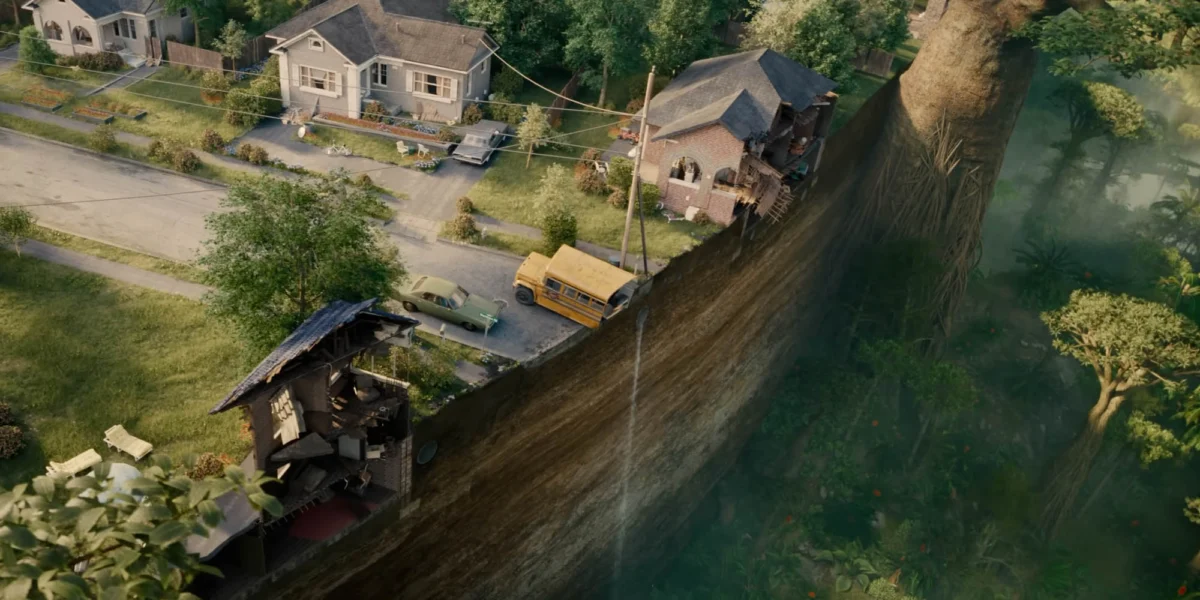
When an inexplicable, mysterious event abruptly transports an entire neighborhood into an unknown and hostile temporal dimension, the central Platt family—portrayed by Hathaway and McGregor—must band together to navigate a surreal new reality. The film blends grounded, domestic drama with high-stakes science fiction, forcing characters to confront not only the physics of a lost era, but the psychological fractures within their own community.
Coinciding with the film’s theatrical rollout, the production and visual effects community has turned its analytical lens toward the movie’s technical achievements. In the latest episode of The VFX Show (Episode 309), industry experts Matt Wallin, Jason Diamond, and Mike Seymour assembled to dissect the film’s creation. The panel put the movie’s ambitious filmmaking choices, visual effects pipelines, and narrative execution under a rigorous microscope, debating what succeeded, what faltered, and how Mitchell achieved his unique aesthetic.
Chronology
The journey of The End of Oak Street from concept to screen, and subsequently to critical discourse, follows a meticulously planned arc characteristic of major contemporary VFX-driven features:
- Pre-Production and Conceptualization: David Robert Mitchell developed the script, leaning into the uncanny valley of suburban nostalgia blended with speculative sci-fi. Casting secured high-profile talent in Anne Hathaway and Ewan McGregor to ground the high-concept premise in relatable human drama.
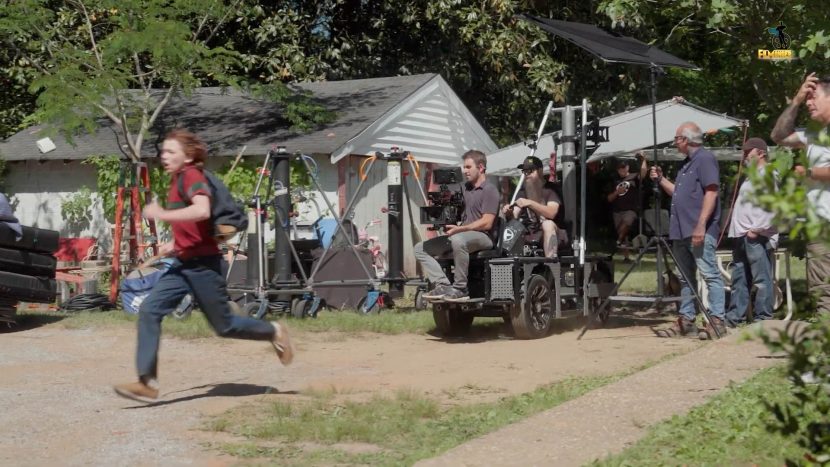
- Principal Photography & VFX Integration: Production required extensive collaboration between traditional on-set filming and complex visual effects houses to realize the neighborhood’s sudden displacement. Seamlessly blending practical set builds with digital environment extensions became paramount to selling the illusion of a world torn out of time.
- Post-Production and Sound Design: Final editing, led with the support of production crews and sound designers, locked down the eerie atmosphere that defines the film’s second and third acts. Jim Shen managed the final production and editing cadence for the film’s accompanying promotional and analytical media rollouts.
- Theatrical Release & Critical Reception: Upon hitting screens, the film sparked widespread discussions among cinephiles regarding its pacing, thematic weight, and world-building mechanics.
- The VFX Show Breakdown (Episode 309): Released shortly after the premiere, the latest installment of The VFX Show offered a comprehensive panel review. Hosts Matt Wallin, Jason Diamond, and Mike Seymour unpacked the technical merits of the film, debating the efficacy of its digital world-building and narrative gambles.
Supporting Data
The technical and creative anatomy of The End of Oak Street relies on a multi-disciplinary approach to filmmaking. Based on the insights shared by the VFX Show panel, several key production metrics and collaborative efforts stand out:
- Starring Talent: Academy Award-winning actress Anne Hathaway and Golden Globe winner Ewan McGregor anchor the film as the heads of the Platt family.
- Creative Leadership: Written and directed solely by David Robert Mitchell, maintaining a singular visionary tone throughout the project.
- Podcast Episode Details:
- Show: The VFX Show (Episode 309)
- Title Featured: TheEndofOakStreet
- Panelists: Matt Wallin (@mattwallin, www.mattwallin.com), Jason Diamond (@jasondiamond, www.thediamondbros.com), and Mike Seymour (@mikeseymour, www.fxguide.com).
- Editing & Production: Managed by Jim Shen.
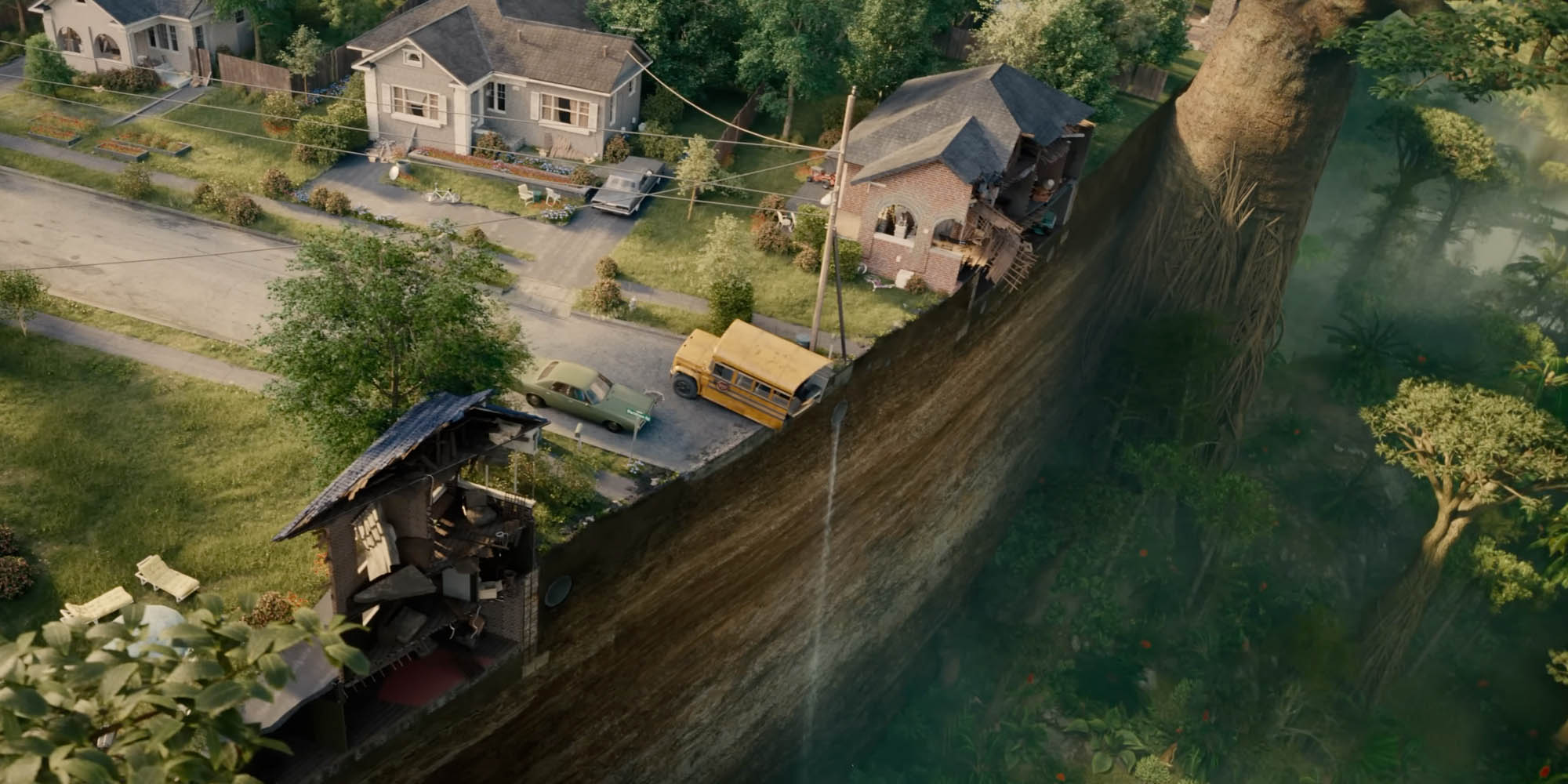
- Media Assets: The production utilized high-resolution digital cinematography, evidenced by promotional and behind-the-scenes visual stills (such as the
oakA.jpgandoakB.jpgasset releases), showcasing expansive digital matte paintings, set extensions, and intricate lighting setups designed to mimic misplaced eras.
Official Responses and Expert Analysis
The critical and technical consensus surrounding The End of Oak Street has largely been defined by industry discourse, most notably through specialized platforms like fxguide and its dedicated podcast breakdowns.
During Episode 309 of The VFX Show, the panel engaged in a lively debate concerning the fine line between stylistic ambiguity and narrative clarity. Mike Seymour noted the film’s clever use of environment to tell a story, emphasizing how the physical degradation and structural anachronisms of the displaced neighborhood reflect the inner turmoil of the Platt family. "When you pull a street out of its timeline, you aren’t just playing with geography; you’re messing with the psychological safety net of the characters," Seymour observed during the panel discussion.
Matt Wallin pointed out the technical wizardry required to make the temporal shift believable without relying on overt, distracting sci-fi tropes. Instead of wormholes and laser light shows, Mitchell and his visual effects teams opted for subtle, uncanny shifts in atmospheric lighting, architectural dissonance, and temporal bleed-throughs.
Meanwhile, Jason Diamond steered the conversation toward the human element, debating whether the film’s heavy reliance on VFX overshadowed the intimate family dynamics between Hathaway and McGregor. The panel ultimately agreed that while certain narrative choices invited polarized reactions from audiences, the sheer ambition of the production placed it among the most fascinating visual storytelling endeavors of the year.
Listeners have also been encouraged to join the conversation, with the production team opening lines for fan feedback and critical commentary via direct email interaction, fostering a community-wide dialogue about the film’s ambiguous conclusion.
Implications
The release and subsequent technical deconstruction of The End of Oak Street carry several significant implications for the future of speculative drama and visual effects-driven cinema:
1. The Evolution of High-Concept Suburban Drama
For years, suburban settings have served as backdrops for domestic thrillers or supernatural invasions (such as classic Amblin-era tropes). The End of Oak Street reinvents this subgenre by treating the suburb itself as a displaced artifact. By removing the familiar landmarks of time and space, Mitchell forces a re-evaluation of how communities interact when stripped of societal infrastructure. This sets a new precedent for how filmmakers can use mundane environments to evoke existential dread.
2. Balancing Practicality and Digital Worlds
The praise and critique leveled by the VFX Show panel highlight an ongoing industry evolution: the delicate balance between practical grounding and digital augmentation. As digital environment creation becomes more sophisticated, films like The End of Oak Street prove that audiences demand more than just visual spectacle—they require spatial continuity and emotional resonance. The success of the Platt family’s plight hinges entirely on whether the audience believes in the physical constraints of their displaced neighborhood.
3. Deepening Audience Engagement Through Media Ecosystems
The integration of specialized deep-dives, such as The VFX Show, demonstrates how modern blockbuster and mid-budget studio films extend their lifespan. By inviting technical experts, artists, and creators to openly debate the successes and failures of a film’s production choices, studios and independent creators foster a more educated, engaged viewership. It transforms passive movie-going into an active, analytical hobby, ensuring that films remain conversational focal points long after the credits roll.
As The End of Oak Street continues its run in cinemas and digital platforms, its legacy will likely be defined by its dual identity: a deeply human story of survival against impossible odds, and a masterclass in modern visual effects integration that pushed creators and audiences alike to question where they "end up" in the cinematic landscape.
