
The Ultimate Behind-the-Scenes Tragedy of The Twilight Zone: How Rod Serling Spent His Own Money to Reshoot "The Mighty Casey"
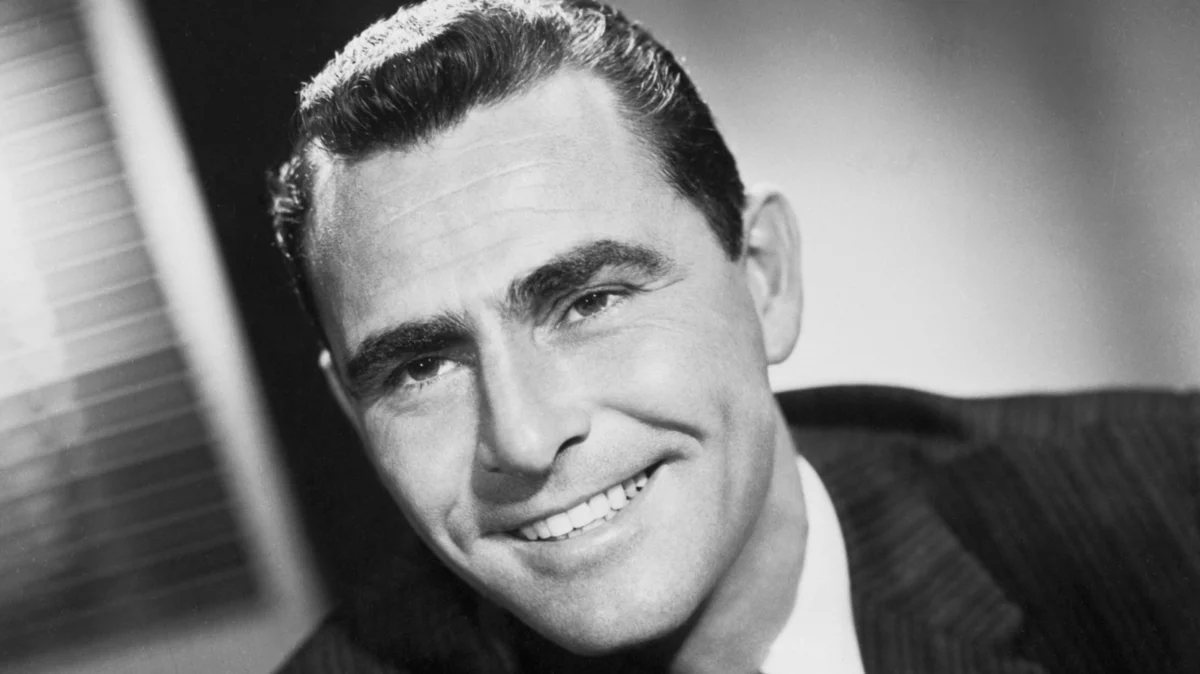
While The Twilight Zone remains globally celebrated for its mind-bending plot twists, uncanny social commentary, and eerie sci-fi premises, one of the most haunting twists in the legendary anthology series’ history occurred entirely behind the scenes. It involved a desperate race against a medical crisis, a network’s reluctance to spend money, and a creator’s fierce dedication to artistic integrity.
Decades after its original broadcast, the making of the Season 1 baseball-centric episode "The Mighty Casey" stands out as a dark chapter in television history. It forced visionary creator Rod Serling to invest $27,000 of his personal funds—an equivalent of roughly $300,000 today—to completely reshoot the episode following the tragic, unexpected death of its leading man.
Main Facts
The core of the historical record centers on the production of "The Mighty Casey," originally envisioned as a rare comedic venture for a show better known for psychological horror and existential dread.
- The Production Dilemma: Acclaimed actor Paul Douglas—known for cinematic hits like It Happens Every Spring (1949) and the original Angels in the Outfield (1951)—was cast as the beleaguered manager of a struggling baseball team. His fortunes reverse when an eccentric inventor builds a robotic pitcher.
- The Tragic Misdiagnosis: During filming, Douglas appeared visibly unwell, delivering a labored and lackluster performance. Serling and the crew initially suspected the actor had fallen off the wagon, battling the alcoholism that had plagued his reputation. In reality, Douglas was suffering from an advanced, undiagnosed coronary condition.
- The Death: Just hours after production wrapped on September 10, 1959, Douglas suffered a fatal heart attack and passed away at the age of 52.
- The Financial Burden: When the initial rough cut was screened, Serling recognized it as a total disaster. While CBS executives acknowledged the episode failed to hit the mark as a comedy, they refused to finance a reshoot. Driven by professional ethics, Serling paid $27,000 out of his own pocket to redo the episode with replacement star Jack Warden.
Chronology of Events
The tragic sequence of events surrounding "The Mighty Casey" unfolded rapidly over a few stressful weeks in late summer and autumn of 1959.
Late Summer 1959: Casting and Red Flags
Rod Serling, an admirer of Paul Douglas’s silver-screen career, personally sought out the veteran actor to anchor the lighthearted baseball script. However, production red flags arose immediately. Douglas’s well-known history of heavy drinking caused initial anxieties among the crew. Though Douglas’s agent assured Serling that the actor was entirely sober, his physical state upon arriving on set told a different, deeply alarming story.
September 1959: The Disastrous Shoot
Filming for "The Mighty Casey" was notoriously grueling. Douglas struggled through his lines, looking physically depleted, exhausted, and gaunt. The crew was forced to work around his physical limitations, unaware that the actor was experiencing acute cardiac distress. Looking back, Serling observed with heartbreak, "We were watching him literally die in front of us." Production wrapped on September 10, 1959.
September 11, 1959: The Sudden Passing
Barely 24 hours after the cameras stopped rolling on the initial cut, Paul Douglas suffered a sudden, fatal coronary thrombosis and passed away at age 52. The production team was left reeling, not only by the sudden loss of a colleague, but by the realization that they had captured the final, painful days of a dying man on celluloid.
Fall 1959 to June 1960: The Reshoot and Broadcast
Upon viewing the rough cut of the episode, Serling deemed it unbroadcastable, famously telling network executives that it was a "substantial piece of celluloid you’re going to have to eat." When CBS refused to foot the bill for a do-over, Serling funded the reshoot himself. Actor Jack Warden stepped in to play the manager. Utilizing clever editing—retaining background footage where Douglas was not visibly present—the production was salvaged. "The Mighty Casey" officially premiered as the 35th episode of The Twilight Zone on June 17, 1960.
Supporting Data and Production Details
To fully understand the magnitude of Rod Serling’s financial gamble, historical context regarding television budgets and inflation is necessary.
- The Financial Scale: In 1959, $27,000 was a substantial sum for an independent television producer to drop on a single creative salvage mission. Adjusted for inflation, that investment exceeds $300,000 in modern currency. Serling put his own financial security on the line to uphold the quality of his fledgling anthology series.
- The Replacement: Jack Warden, who took over the role of manager Casey Stengel-esque character, was a rising star who would go on to win acclaim, including an Academy Award nomination and a legendary turn as Juror No. 7 in Sidney Lumet’s 12 Angry Men (1957).
- Critical Reception: Despite the extreme lengths taken to rescue the episode, "The Mighty Casey" is historically ranked by critics and fans alike as one of the weaker installments of The Twilight Zone‘s iconic first season, frequently cited for having one of the series’ least effective twist endings. Yet, television historians universally agree that releasing the original cut featuring an actively dying Paul Douglas would have been far more damaging to the show’s legacy.
Official Responses and Behind-the-Scenes Perspectives
The rare confluence of real-life tragedy and network bureaucracy is documented extensively in historical texts, most notably in The Twilight Zone Companion by Marc Scott Zicree.
According to archival accounts, Serling’s relationship with CBS was often a delicate balancing act of creative ambition versus corporate thriftiness. When Serling presented the initial cut of "The Mighty Casey" to network brass, expecting them to instinctively order a reshoot due to its poor quality, he was met with a surprising corporate calculation: while the executives agreed the episode lacked comedic timing and spark, they were entirely unwilling to allocate additional network funds to rectify it.
Left with little choice, Serling viewed the situation through a moral lens. To air the raw footage would not only damage the reputation of The Twilight Zone, but it would also subject television audiences worldwide to what amounted to the painful, unvarnished final days of a respected Hollywood actor. Rather than exploiting Douglas’s visible physical decline for ratings or cost-cutting measures, Serling chose to absorb the massive financial hit personally—a testament to his uncompromising professional code.
Implications for The Twilight Zone and Television History
The behind-the-scenes saga of "The Mighty Casey" carries lasting implications for how television production, artist welfare, and creative control are handled.
1. The Ethics of posthumous Performances
Long before modern digital de-aging, CGI recreations, and the ethical debates surrounding posthumous digital resurrection, the Twilight Zone crisis forced the industry to grapple with the preservation of an actor’s dignity. Serling’s refusal to air Douglas’s final, distress-filled performance set an early ethical standard regarding how artists are represented on screen when tragedy strikes mid-production.
2. The Personal Sacrifice of Showrunners
In the golden age of television, showrunners rarely possessed the complete financial autonomy and equity stakes seen in modern prestige streaming. Serling’s willingness to risk $27,000 of his own capital demonstrated a rare breed of showrunner ownership. He treated The Twilight Zone not merely as a commercial product for CBS, but as an artistic portfolio that required absolute protection from exploitation and substandard execution.
3. A Darker Legacy for Season 1
While The Twilight Zone is rightfully remembered as a pioneering masterpiece of speculative fiction, the ghost of "The Mighty Casey" reminds modern audiences of the human cost embedded within classic Hollywood history. The episode serves as a poignant reminder that behind the otherworldly dimensions of fear, time loops, and alien invasions, the creators of the show were mortals navigating genuine, heartbreaking grief in real time.
