
Beyond the Ordinary: A Critical Examination of Character Architecture in Cinematic Fantasy
Main Facts
Fantasy cinema has thrived since the medium’s earliest days, relying on world-building, high-concept lore, and supernatural elements to transport audiences. However, the foundational pillar of any enduring fantasy film is its character architecture. Iconic design and high-stakes plots are insufficient on their own; true cinematic longevity requires characters possessing clear internal motivations, palpable contradictions, distinct agency, and core vulnerabilities.
A retrospective analysis of cinematic history reveals a select echelon of fantasy and speculative fiction films that transcend mere genre tropes. These motion pictures—spanning gothic fairy tales, high-fantasy epics, magical realism, and space opera—succeed because their character writing matches or exceeds the complexity of the universes they inhabit. From Tim Burton’s melancholic suburban parables to Hayao Miyazaki’s complex eco-political battlegrounds, and from Peter Jackson’s sprawling Middle-earth adaptations to George Lucas’s mythic space westerns, certain films stand apart for presenting casts that are as psychologically layered as they are unforgettable.
Chronology and Evolution of Fantasy Character Writing
The evolution of character writing within the fantasy genre mirrors the maturation of cinema itself.
- The Golden Age and Early Speculative Narratives (1940s): Early cinematic fantasy was largely bound by strict censorship frameworks like the Hays Code, yet visionary directors found subversive ways to explore deep human psychology. Frank Capra’s It’s a Wonderful Life (1946) integrated supernatural intervention into a grounded social crisis, establishing complex archetypes like George Bailey and the angel Clarence to examine existential despair and community values.
- The Late 20th Century Renaissance (1970s–1990s): The genre experienced a massive paradigm shift with the advent of blockbuster auteurism and technological maturation. George Lucas’s Star Wars (1977) synthesized Joseph Campbell’s monomyth into a modern cinematic grammar, proving that classic archetypes could be elevated through sharp, dynamic interpersonal writing. Tim Burton’s Edward Scissorhands (1990) redefined dark fantasy character design by blending the Frankenstein monster archetype with suburban satire. Later in the decade, Hayao Miyazaki’s Princess Mononoke (1997) rejected simplistic binaries of good versus evil in favor of morally complex figures locked in ideological and environmental conflicts.
- The Turn of the Millennium and Modern Masterpieces (2000s–Present): The early 2000s cemented fantasy as a prestige medium. Peter Jackson’s The Lord of the Rings trilogy (2001–2003) achieved the seemingly impossible by translating literary monoliths into living, breathing cinematic characters. Concurrently, animation and international cinema expanded the definition of fantasy: Miyazaki’s Spirited Away (2001), Brad Bird’s Ratatouille (2007), Guillermo del Toro’s Pan’s Labyrinth (2006), and Ernesto Contreras’s I Dream in Another Language (2017) demonstrated that low fantasy, magical realism, and animation could house some of the most profound character studies in film history.
Supporting Data: Landmark Films and Their Character Dynamics
To understand what makes a fantasy character truly compelling, one must examine the specific mechanics at play within these masterworks:

10. Edward Scissorhands (1990)
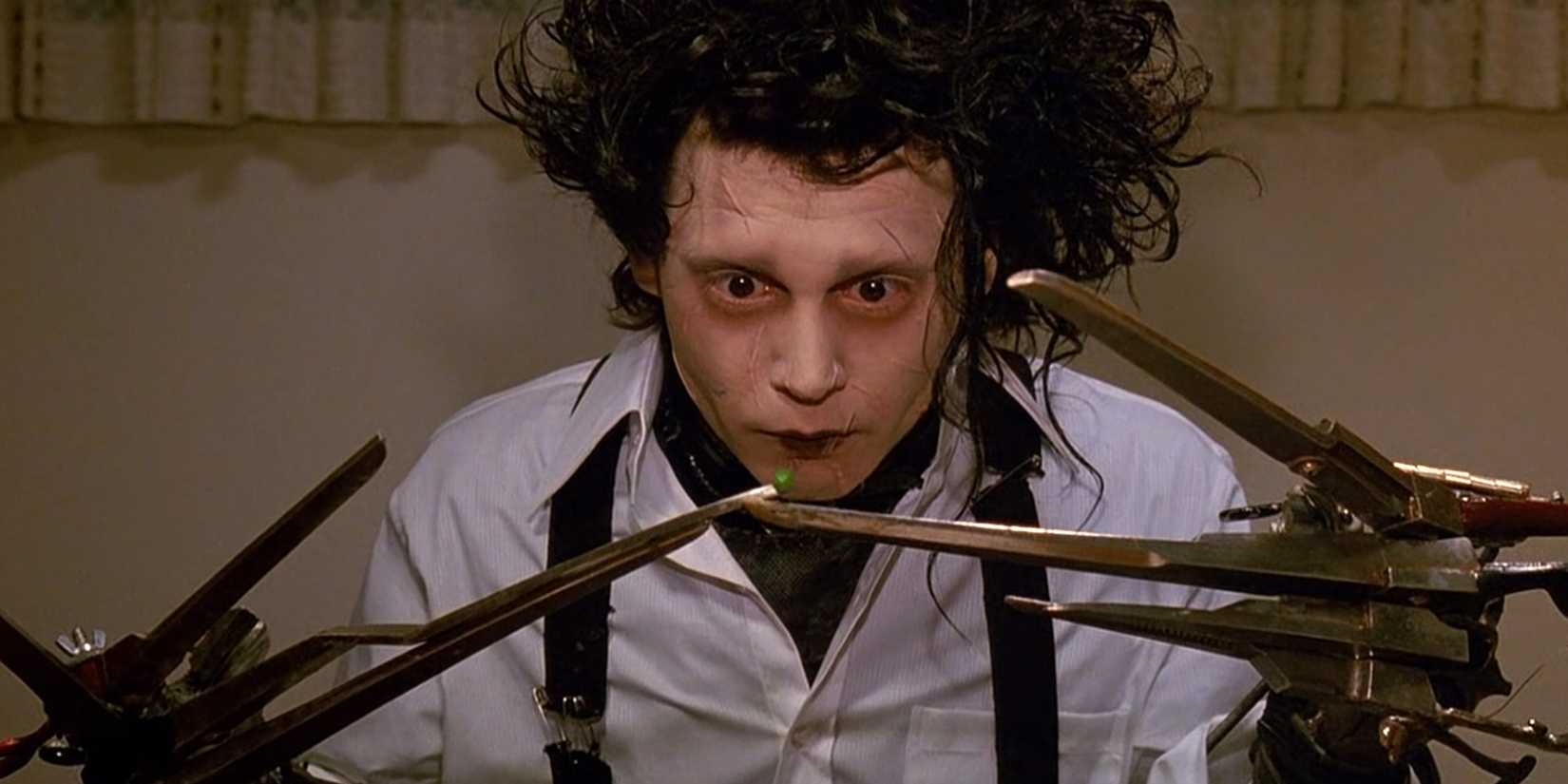
Tim Burton’s dark fantasy relies on stark contrasts. Edward functions as a poignant subversion of the misunderstood monster, merging tactile vulnerability with physical alienation. Flanked by Kim and an ensemble of parodic suburbanites, the film uses character design to critique conformity and emotional isolation.
9. Princess Mononoke (1997)
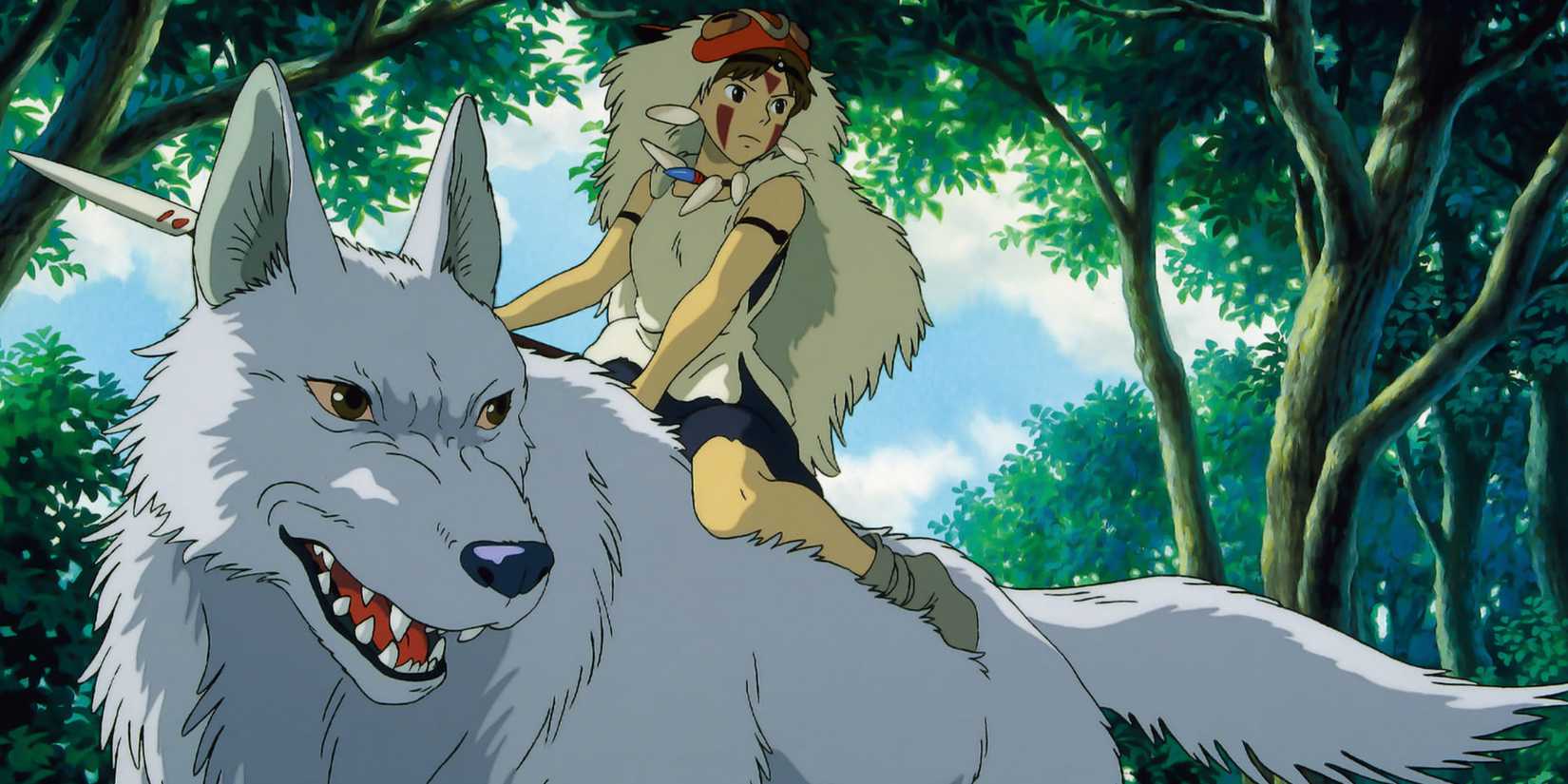
Hayao Miyazaki crafts an epic where no single faction holds a monopoly on righteousness. Characters like San (torn between human and wolf identities), Ashitaka (cursed by a demon boar yet striving for peace), and Lady Eboshi (a progressive industrialist who nonetheless destroys the forest) embody profound moral ambiguity and thematic weight.
8. I Dream in Another Language (2017)
Ernesto Contreras’s magical realism masterpiece explores the fading remnants of an Indigenous language through two estranged elderly men. The film relies on deep internal contradictions, transforming linguistic preservation into an exploration of pride, queer identity, and human communication.
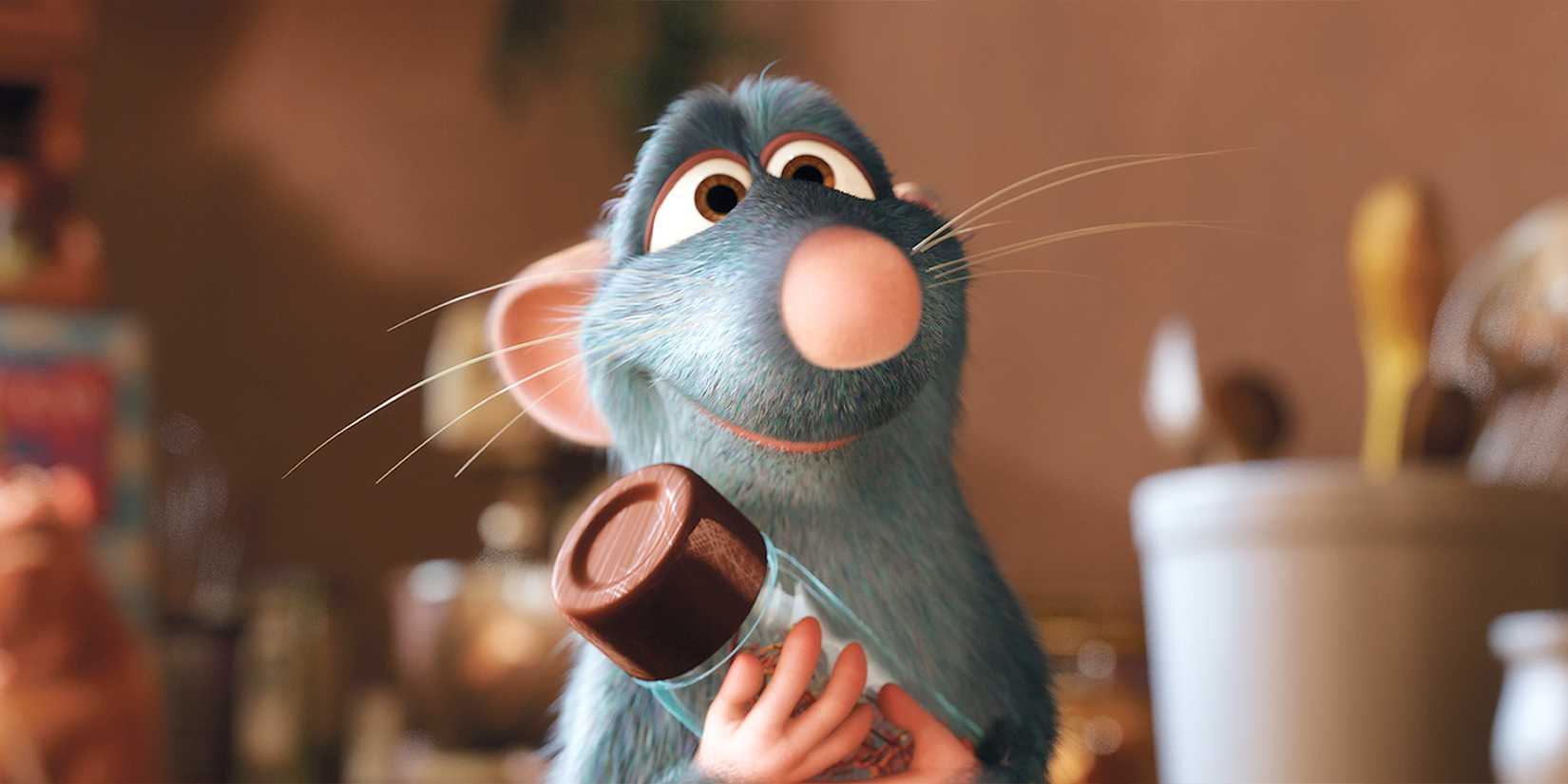
7. Ratatouille (2007)
Brad Bird’s animated triumph upends expectations by subverting the "cute animal helper" trope. Remy’s burning artistic passion, paired with Linguini’s accidental heroism and the cynical critic Anton Ego’s transformative ego-death, proves that family animation can house characters as psychologically rigorous as adult drama.
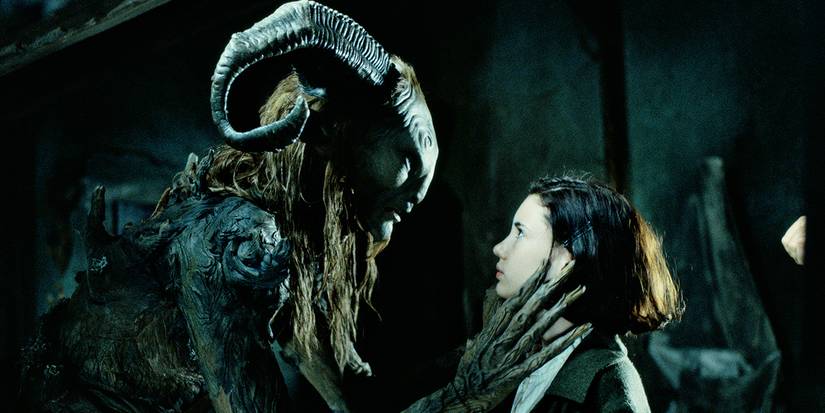
6. Pan’s Labyrinth (2006)
Guillermo del Toro grounds a dark fairy tale in the brutal historical reality of post-Civil War Spain. Young Ofelia’s imaginative flight into a labyrinth serves as a coping mechanism against fascism, mirrored by the chilling, unyielding authoritarianism of Captain Vidal. Both hero and villain are constructed with meticulous psychological precision.
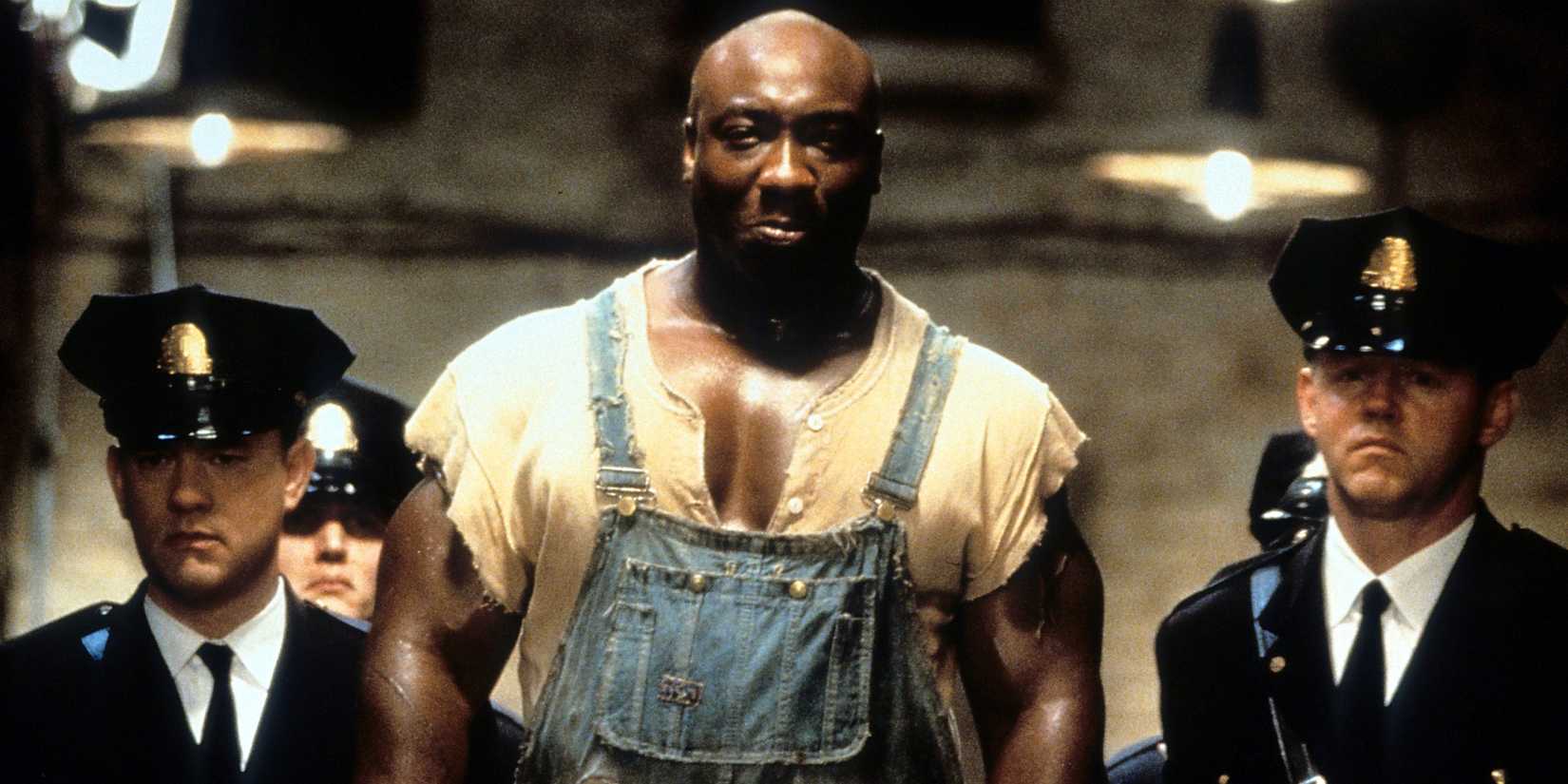
5. The Green Mile (1999)
Frank Darabont’s adaptation of Stephen King blends prison drama with magical realism. John Coffey serves as a towering, complex Christ-like figure whose supernatural empathy exposes the systemic cruelties of the American justice system, contrasted sharply against the sadistic institutional tyranny of Percy Wetmore.

4. Spirited Away (2001)
Hayao Miyazaki’s Academy Award winner anchors its surreal spirit world around Chihiro’s authentic coming-of-age journey. Supporting entities like No-Face—a reflection of consumerist greed and isolation—and the complex proprietress Yubaba elevate the narrative beyond mere visual spectacle into profound sociological commentary.
3. The Lord of the Rings Trilogy (2001–2003)
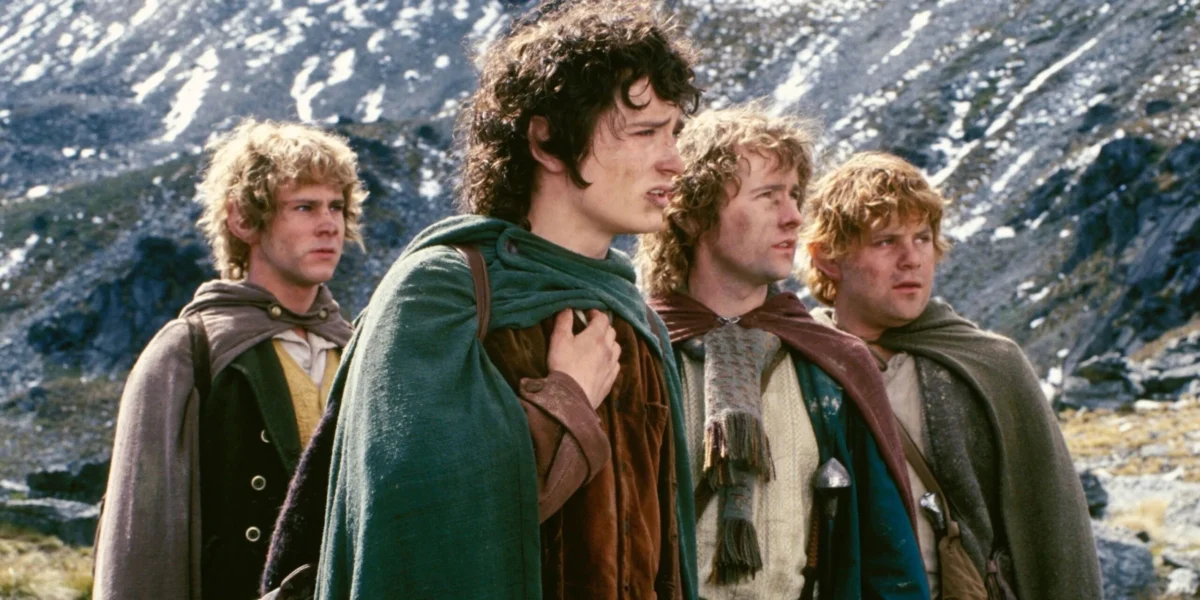
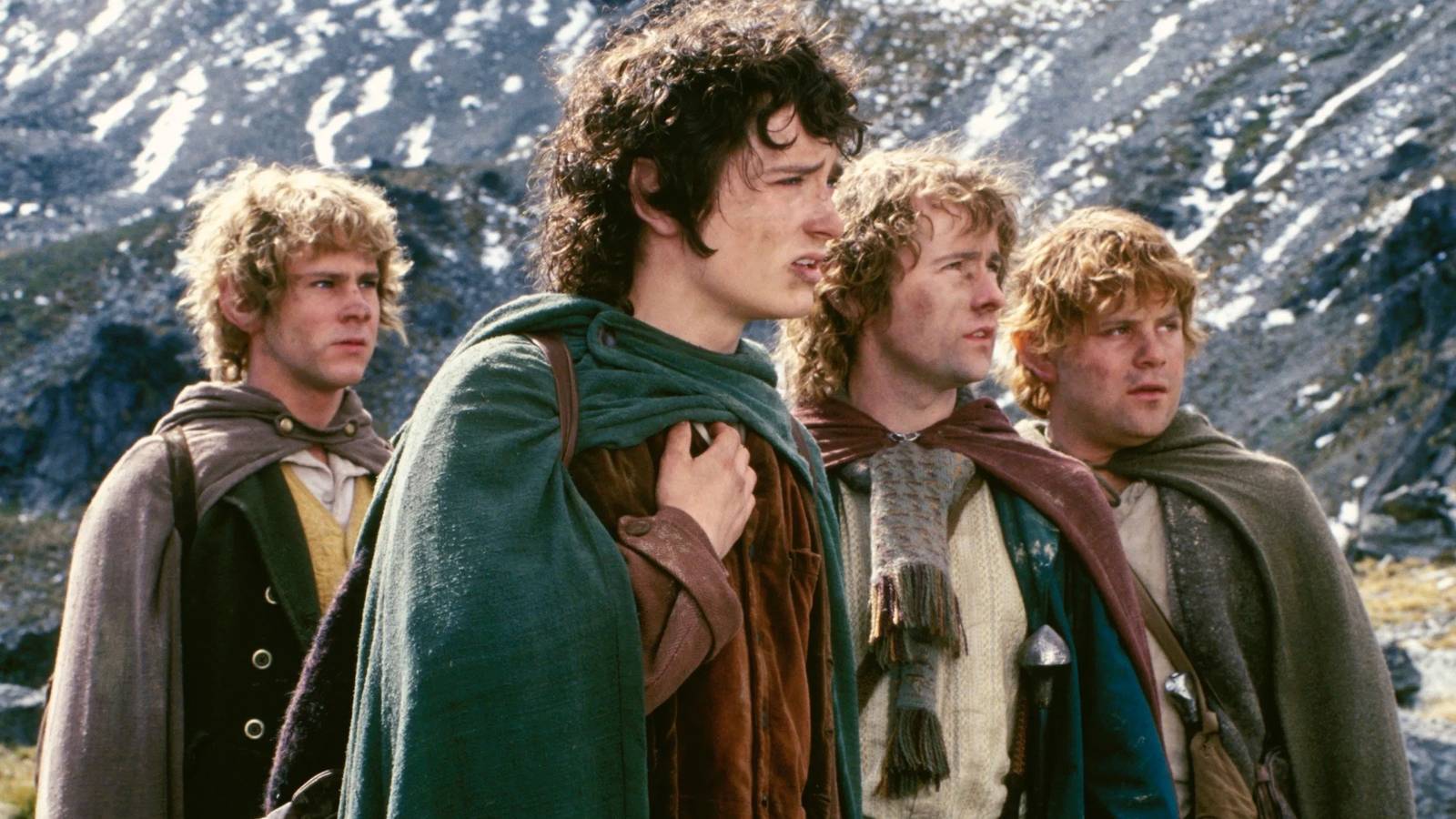
Peter Jackson’s adaptation of J.R.R. Tolkien’s legendarium avoids the trap of flattening high-fantasy archetypes. Across nearly ten hours of runtime, characters like Frodo Baggins (burdened by an inescapable corruption), Aragorn (reluctant royalty burdened by lineage), and Samwise Gamgee (the emotional anchor of the quest) are given space to evolve, doubt, and endure.
2. It’s a Wonderful Life (1946)
Frank Capra’s holiday classic is fundamentally an American fantasy built around existential despair. George Bailey’s psychological breakdown and subsequent miraculous intervention by the angel Clarence form one of the most rigorous character studies of Hollywood’s Golden Age, exploring community, sacrifice, and self-worth.
1. Star Wars (1977)
George Lucas built a space opera on the framework of Joseph Campbell’s hero’s journey, yet the enduring legacy of A New Hope lies in its character chemistry. Luke Skywalker, Princess Leia, Han Solo, and Darth Vader represent masterclasses in elevating classic archetypes into dynamic, universally resonant icons of cinema.
Official Responses and Critical Consensus
Film critics, screenwriters, and historians consistently emphasize that the durability of a fantasy film relies directly on the internal logic of its characters. While visual effects evolve and age, psychological realism remains evergreen.
Industry analysts note that modern studio filmmaking frequently makes the mistake of prioritizing lore and world-building over emotional stakes. In contrast, the universally acclaimed masterpieces listed above succeed because their supernatural or speculative elements serve as external manifestations of internal character conflicts. Whether it is a rat wanting to cook in Paris, an artificial man with blades for hands navigating suburbia, or a farm boy gazing at twin suns, the audience’s emotional buy-in is secured entirely through character agency and vulnerability.
Implications for the Future of Fantasy Filmmaking
The enduring fascination with these ten cinematic milestones carries distinct implications for contemporary and future storytellers. As the cinematic landscape becomes increasingly saturated with franchise properties, algorithmic content generation, and high-budget visual spectacles, audiences display a growing fatigue toward hollow world-building.
The lesson drawn from masters like Miyazaki, Jackson, del Toro, and Lucas is clear: special effects and expansive mythologies hold zero value if the characters navigating them lack interiority. Future fantasy cinema must continue to prioritize empathetic, morally complex, and active protagonists. Only by anchoring speculative concepts in rigorous, thoughtful character architecture can filmmakers hope to produce works that endure across generations, proving that the most magical element in any fantasy film is the human (or human-like) heart at its center.
