
A New Chapter for Independent Cinema: The Hearthland Foundation’s Landmark $3 Million Gift to Sundance Institute
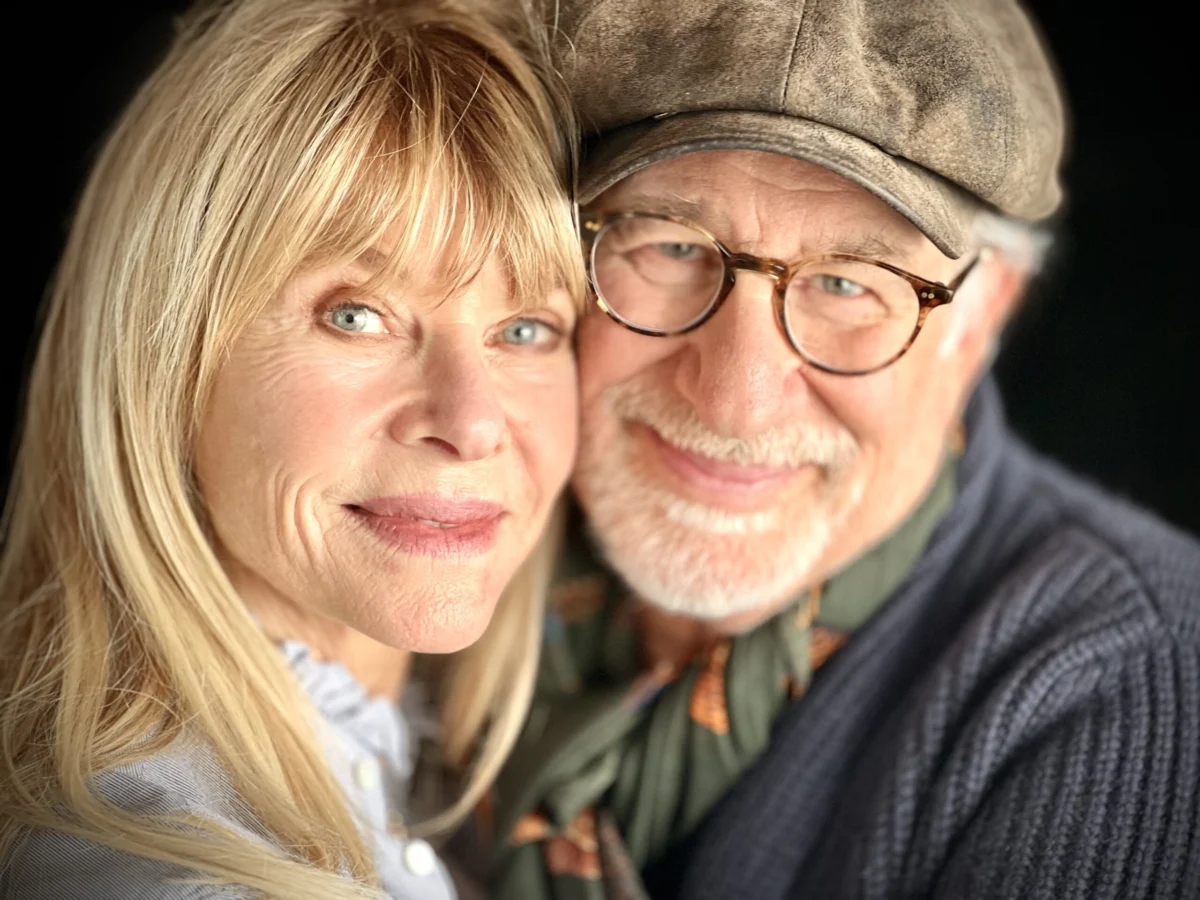
LOS ANGELES, CA — October 22, 2026 — In a move described by industry insiders as a "seismic shift" for the future of independent filmmaking, the Sundance Institute announced today that it has received a transformative $3 million gift from The Hearthland Foundation. Founded by legendary filmmaker Steven Spielberg and actor/activist Kate Capshaw, The Hearthland Foundation has dedicated this multiyear commitment to reinforcing the backbone of independent storytelling in the United States and abroad.
This donation stands as one of the largest philanthropic contributions in the history of the Sundance Institute. It arrives at a critical juncture for the organization, as it navigates a rapidly evolving media landscape while remaining tethered to the foundational vision of its founder, Robert Redford: to act as a sanctuary for artists whose voices challenge, provoke, and define the contemporary cultural dialogue.
The Strategic Allocation of Resources
The $3 million infusion is not merely a general donation; it is a surgical intervention designed to restore and expand the Institute’s most vital artist-development pipelines. The funds have been earmarked for three primary initiatives:
- The Restoration of the Directors Lab: Perhaps the most anticipated aspect of this partnership is the return of the iconic Directors Lab to its historic home at the Sundance Mountain Resort in Utah. For decades, this site served as the incubator for some of the most influential films in modern history. Its return to the resort promises to re-establish the "creative sanctuary" that has historically allowed filmmakers to experiment, fail, and succeed away from the pressures of the commercial market.
- Expansion of Fellowships: The funding will significantly increase the number of available fellowships, providing emerging filmmakers with the financial runway necessary to dedicate their lives to their craft during the often-precarious development phase.
- Direct, Unrestricted Grants: Recognizing that bureaucracy can stifle creativity, the gift will bolster the Institute’s ability to provide unrestricted grants. These funds empower artists to make decisions that prioritize artistic integrity over marketability, ensuring that experimental and high-risk projects receive the support they need to reach fruition.
A Legacy of Mentorship: The Sundance Chronology
To understand the significance of this gift, one must look at the history of the Sundance Institute. Founded in 1981 by Robert Redford, the Institute was born from a desire to create a space that existed outside the orbit of the Hollywood studio system.
- The 1980s and 90s (The Formative Years): During this era, the Sundance Labs began to identify and nurture a new wave of "American Indies." Artists like Quentin Tarantino and Steven Soderbergh were among those whose early paths were shaped by the Institute’s rigorous mentorship programs.
- The 2000s (Diversification): The Institute expanded its scope beyond the traditional feature film, embracing documentary storytelling, episodic media, and digital platforms. This era saw the rise of voices that brought marginalized experiences to the global stage, such as those found in Fruitvale Station and Pariah.
- The 2010s to Present (Global Reach): With the advent of the Sundance Collab digital platform, the Institute successfully transitioned from a physical-centric organization to a global community. The support from The Hearthland Foundation is intended to bridge the gap between this global reach and the intimate, in-person mentorship that the Directors Lab provides.
The return of the Directors Lab to the Sundance Mountain Resort is a symbolic "coming home," signaling a commitment to the tangible, physical community that has been the bedrock of the Institute’s success for over forty years.
Supporting Data: The Impact of Sundance Mentorship
The efficacy of the Sundance Institute’s model is not a matter of opinion; it is reflected in an unparalleled portfolio of success. Since its inception, the Institute has been a catalyst for films that have not only won critical acclaim but have also shifted the cultural needle.
The Institute has played an instrumental role in developing:
- Cultural Milestones: Reservoir Dogs, Boys Don’t Cry, Hedwig and the Angry Inch, Beasts of the Southern Wild, and The Big Sick.
- Academy Award-Winning Narrative and Documentary Features: CODA, Summer of Soul, Flee, RBG, Won’t You Be My Neighbor?, and Call Me by Your Name.
- Emerging Voice Development: The Institute’s programs have nurtured the careers of visionaries like Taika Waititi, Chloé Zhao, Ryan Coogler, and the directing duo known as The Daniels.
The data suggests that filmmakers who pass through the Sundance ecosystem have a significantly higher success rate in navigating the complex transition from emerging artist to sustainable career professional. By providing the time, space, and community necessary for artistic development, the Institute mitigates the "attrition rate" of talented creators who might otherwise leave the industry due to a lack of resources.
Official Responses: A Vision for Shared Futures
The announcement of the gift was accompanied by a series of statements from leadership at both the Institute and The Hearthland Foundation, highlighting a shared philosophy regarding the role of art in society.
Rachel Levin, President of Philanthropy at The Hearthland Foundation, emphasized the philosophical alignment between the two organizations. "Artists help us see what is, imagine what could be, and understand one another more fully," Levin stated. "At Hearthland, we invest in the power of creativity and storytelling to open minds, deepen connection, and expand our sense of what is possible. Kate and Steven are proud to help carry that extraordinary legacy forward."
David Linde, CEO of the Sundance Institute, framed the gift as a vote of confidence in the future of the medium. "This gift is a profound vote of confidence in independent artists and in the future of Sundance Institute," Linde noted. "As we carry Robert Redford’s vision forward, The Hearthland Foundation’s generosity ensures that the heart of our work—supporting artists at every stage of the creative process—grows stronger for years to come."
Michelle Satter, Founding Senior Director of Artist Programs, added a personal note on the transformative nature of the funding. "When you give artists time, trust, and a community that believes in their voice, transformation happens," Satter said. "The incredibly generous support from The Hearthland Foundation will underwrite our Directors Lab returning to the Sundance Mountain Resort and provide vital artist granting, which is profoundly meaningful."
The Broader Implications for the Film Industry
The $3 million gift arrives at a time when the independent film sector is facing significant headwinds. Rising production costs, the volatility of theatrical distribution, and the consolidation of media conglomerates have created an environment where "middle-budget" and "auteur-driven" films are increasingly difficult to finance.
1. Reversing the Trend of "Risk Aversion"
Hollywood studios are increasingly reliant on intellectual property (IP) and franchise-based content, often leaving little room for original, high-concept, or socially challenging films. The Hearthland Foundation’s investment provides a "cushion" for the Sundance Institute to continue betting on the unproven, the experimental, and the unconventional. This, in turn, helps maintain a pipeline of original intellectual property that the industry desperately needs to stay relevant.
2. The Decentralization of Talent
By prioritizing fellowships and grants that are unrestricted, the Institute is essentially decentralizing the power of "greenlighting." Instead of a studio executive deciding what is worthy of being made, this funding model empowers artists to define their own stories, which are then nurtured by a community of peers and mentors rather than market-focused investors.
3. A Call to Action for Philanthropy
Perhaps the most understated aspect of this announcement is the ripple effect it may have on other high-net-worth donors. By positioning the gift as a "creative act" of philanthropy, Spielberg and Capshaw are signaling to the broader philanthropic community that supporting the arts is not merely a tax-deductible expense, but a fundamental investment in the health of a democracy. Storytelling shapes how we perceive one another and which histories are remembered; by investing in storytellers, the foundation is investing in the public memory of the nation.
Looking Ahead: The Future of the Sundance Ecosystem
As the Sundance Institute looks toward the 2027 season and beyond, the influence of The Hearthland Foundation’s gift will likely be felt in the quality and diversity of the projects that emerge from its labs. The return of the Directors Lab to the Sundance Mountain Resort is expected to be more than just a change of scenery; it represents a return to the ethos of the "retreat," where the distraction of the city is replaced by the focus of the mountains.
For emerging filmmakers, the message is clear: the path to creating world-changing art is difficult, but it is not a lonely one. With this infusion of capital, the Sundance Institute has reaffirmed its commitment to being the world’s foremost laboratory for the human spirit.
As the industry grapples with the impact of artificial intelligence, shifting audience habits, and economic uncertainty, the partnership between the Institute and The Hearthland Foundation provides a steadying hand. It is a reminder that while the tools of storytelling—cameras, screens, and streaming algorithms—may change, the fundamental human need to share stories that bridge the gap between people remains as urgent as ever.
For more information on the Institute’s ongoing programs or to contribute to the mission of supporting independent artists, please visit sundance.org/support/donate.
