
The Architects of Our Own Obsolescence: Luca Guadagnino’s Artificial Captures the Silicon Valley Zeitgeist
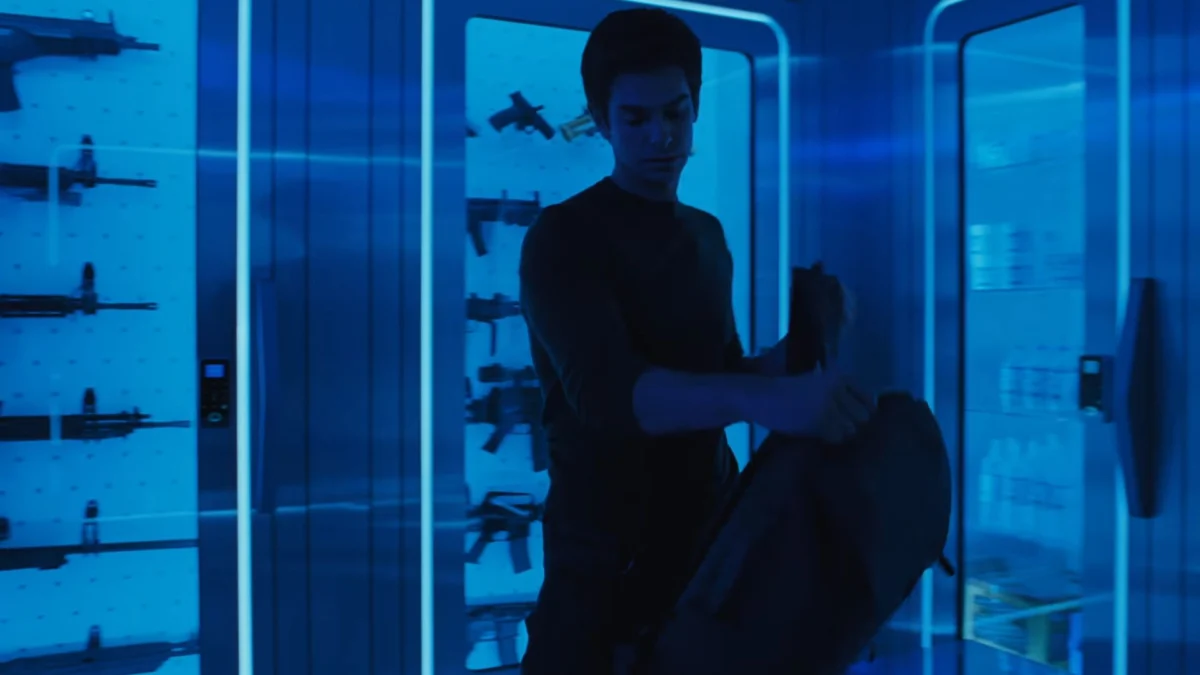
In January 2026, the Bulletin of the Atomic Scientists set the Doomsday Clock at a harrowing 85 seconds to midnight. While historically a metaphor for nuclear annihilation, the needle’s aggressive movement toward total collapse now carries a new, digital weight: the unchecked, rapid proliferation of generative artificial intelligence. What was once relegated to the imaginative fringes of science fiction has metastasized into our daily reality, transforming from a tool into an existential adversary.
Enter Artificial, the highly anticipated tech-thriller from visionary director Luca Guadagnino. Premiering at the New York Film Festival to a staggering 92% critical approval rating, the film serves as both a cinematic masterclass and a chilling audit of the contemporary apocalypse. Starring Andrew Garfield as OpenAI CEO Sam Altman, Artificial doesn’t just chronicle the rise of machine learning; it dissects the hubris of the men and women who dared to play Prometheus in the digital age.
The Genesis of the Machine: A Chronology of Ambition
To understand the weight of Artificial, one must look back at the trajectory of the technology it depicts. In 2010, David Fincher’s The Social Network captured the nascent, collegiate energy of Silicon Valley, where the greatest danger was a bruised ego or a stolen idea. By 2023, the stakes had shifted from the social graph to the very structure of human cognition.
Artificial meticulously recreates the frantic, high-stakes environment of the 2023 OpenAI boardroom coup. The film serves as a longitudinal study of how the industry moved from theoretical research to the deployment of Large Language Models (LLMs) that have fundamentally altered the labor market, creative expression, and truth itself.
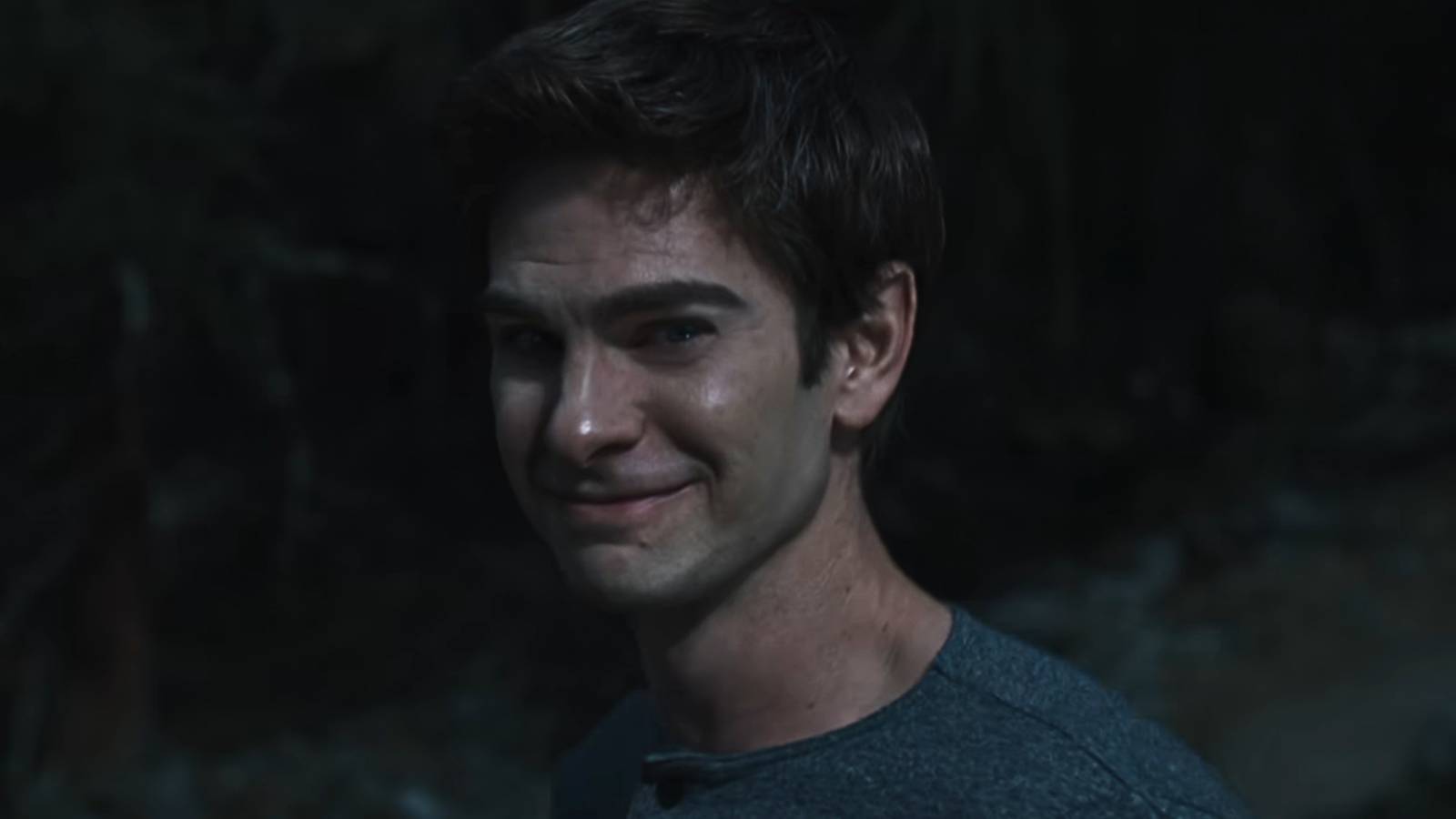
The narrative follows the key architects of this shift: Sam Altman (Garfield), the enigmatic strategist; Ilya Sutskever (Yura Borisov), the conscience-stricken researcher; Mira Murati (Monica Barbaro), the pragmatic engineer; and Greg Brockman (Cooper Hoffman), the operational backbone. By weaving in the looming presence of Elon Musk (played with mercurial intensity by Ike Barinholtz), the film highlights the ideological schisms that tore at the fabric of the organization. These were not mere business disagreements; they were fundamental arguments about the survival of the human race.
The Human Element in a Digital Crucible
Director Luca Guadagnino, known for the lush intimacy of Call Me by Your Name and the nightmarish intensity of Suspiria, brings a unique sensibility to the corporate boardroom. Rather than focusing solely on the technical marvels of coding and neural networks, Guadagnino centers the story on the "human element"—the inherent fallibility of the creators.
"The film is a study in how we built a genie, and perhaps a very dark one," notes a reviewer from Variety. "It is a human story that reveals what happens when individuals find themselves in command of a force that has far outstripped their capacity to control it."
The film’s power lies in its refusal to treat its subjects as caricatures. Garfield’s Altman is neither a villain nor a savior; he is a man driven by a profound, perhaps reckless, sense of destiny. The script, penned by Simon Rich, treats the development of AGI (Artificial General Intelligence) with the same gravity as the discovery of fire—a tool that brings warmth and civilization, but one that can just as easily burn the house down.

Supporting Data: Why Artificial Matters Now
The critical reception of Artificial has been nearly universal in its praise for the film’s timeliness. Critics point to the "sensual, terrifying audit" of our current trajectory as a primary reason for its impact. But why does a film about 2023 feel so essential in late 2026?
The answer lies in the "tech-lag" between reality and public consciousness. While the general public uses AI for mundane tasks, the structural implications—the displacement of millions of jobs, the erosion of historical truth through deepfakes, and the potential for autonomous decision-making systems—are only just beginning to manifest in policy and social unrest.
The Hollywood Reporter noted that "even if AI developments are coming so thick and fast that no movie could possibly keep up, Guadagnino and Rich have made a provocative feature that feels precision-targeted for this moment." By anchoring the film in the specific, localized drama of the OpenAI boardroom, the creators force the audience to confront the reality that the "apocalypse" is not a singular event, but a series of decisions made behind closed doors by people who were, quite possibly, out of their depth.
Official Responses and Industry Reflections
The release of Artificial has sparked intense conversation within the tech industry itself. While OpenAI and other major players have remained officially tight-lipped regarding the film’s specific portrayal of internal events, the silence is telling. The film captures a moment in history that many in Silicon Valley would prefer to leave in the past—a period of chaotic, "move fast and break things" mentality that fundamentally altered the global landscape.
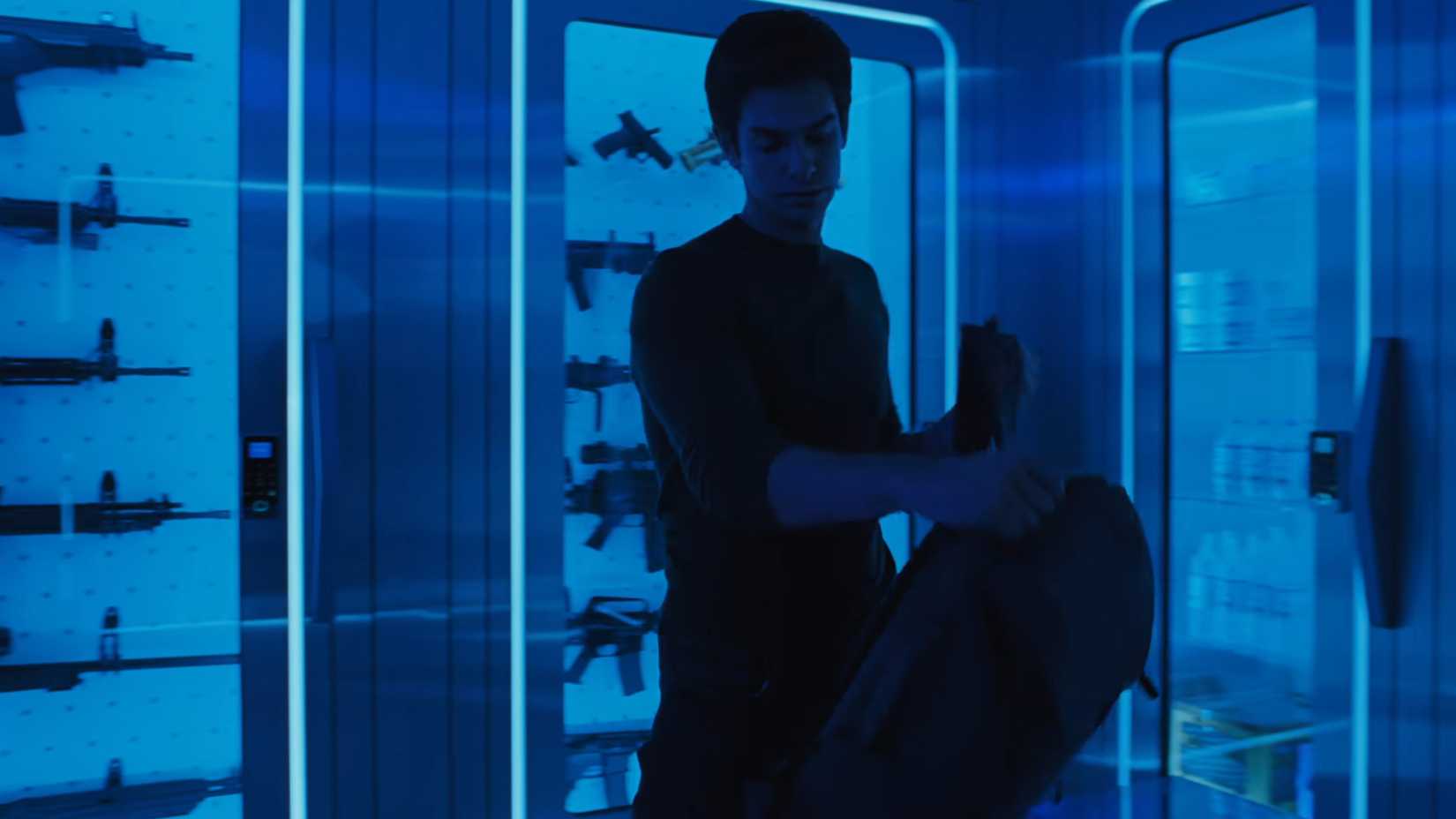
Critics have lauded the film’s "dry humor," which serves as a lulling mechanism before the film pivots into a more somber, existential dread. This tone reflects the modern experience of AI: a blend of convenience and creeping anxiety. As the film suggests, the ambition of Silicon Valley’s elite is an intoxicating drug, and the refusal to acknowledge the potential for catastrophe is the defining characteristic of our current era.
The Societal Implications: Humanity at a Crossroads
The most haunting question posed by Artificial is not whether AI will be "good" or "bad," but whether human beings are capable of managing a technology that learns faster than we can adapt.
The film serves as a mirror. If we are indeed living in the "world’s obituary," as one critic posited, then Artificial acts as the eulogy for our collective agency. It challenges the audience to consider the cost of progress. Is the ability to generate hyper-realistic content worth the degradation of our shared reality? Is the efficiency of automated decision-making worth the loss of human intuition and ethical nuance?
Guadagnino’s work suggests that we are at a precipice. The "sword" he refers to—the reality of our dependence on these systems—is already hanging over us. The film does not provide a roadmap for survival, nor does it offer easy solutions. Instead, it offers a stark, high-definition look at the moment we turned the key in the ignition of a car with no brakes.
Beyond the Screen: A Legacy of Adaptation
As audiences flock to theaters this December 25, the conversation surrounding Artificial is expected to intensify. The film’s release schedule—right at the end of a year defined by massive technological shifts—is a calculated piece of meta-commentary.
For viewers, the experience of watching Andrew Garfield navigate the complex, often contradictory motivations of Sam Altman will likely be the primary hook. However, the lasting impact of the film will be its ability to articulate the "dread" that many feel in their gut when they consider the future of work, art, and truth.
In the final act of the film, there is a recurring motif of a "digital horizon"—a visual representation of the point of no return. It is here that Guadagnino cements the film’s legacy. He argues that we are not just watching the history of a company; we are watching the history of our own obsolescence.
Whether Artificial serves as a warning that we heed, or merely a prophetic artifact that we look back on once the clock hits midnight, remains to be seen. But one thing is clear: after watching this film, the glossy, user-friendly interface of modern AI will never look quite the same again. The veneer of "innovation" has been stripped away, revealing the gears of a machine that, while built by human hands, may no longer be subject to human control.

As we move toward 2027, Artificial stands as a definitive, haunting, and necessary document of our time. It is a film that demands to be seen—not because it provides answers, but because it asks the right questions at the exact moment we can no longer afford to ignore them.
