
Rewind and Reanimate: How ‘V/H/S/Mixtape’ Perfects the Found-Footage Anthology Formula
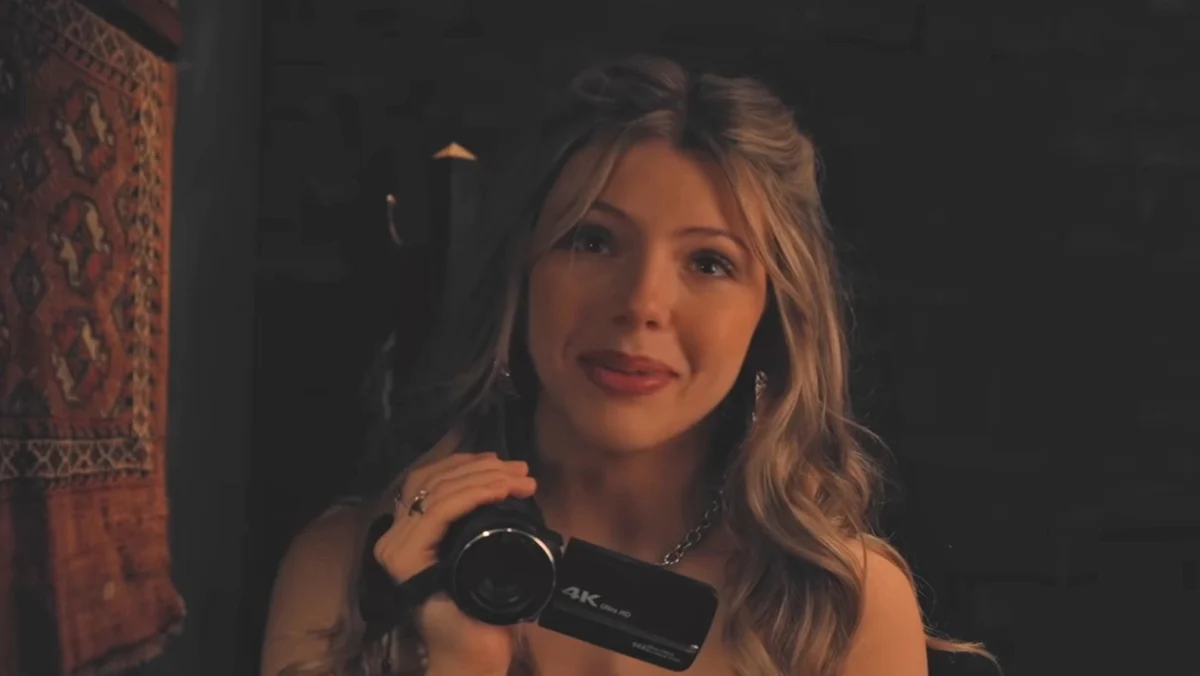
For fourteen years, the V/H/S franchise has served as the gritty, analog heartbeat of modern independent horror. What began in 2012 as an experimental project to capitalize on the lo-fi aesthetic of home video has evolved into a sprawling cinematic universe, encompassing nine feature-length entries. With the arrival of V/H/S/Mixtape, premiering at Beyond Fest 2026, the series has reached a creative zenith, finally settling into a thematic groove that manages to balance the chaotic "grab bag" nature of anthologies with a cohesive, curated identity.
Main Facts: The Evolution of a Genre Staple
The V/H/S series has always functioned as a dual-purpose vehicle: it provides a platform for visionary indie directors to cut their teeth and allows established genre veterans to experiment outside the constraints of traditional narrative filmmaking. Alumni of the franchise include modern heavyweights like Radio Silence (Ready or Not) and Adam Wingard (Godzilla x Kong: The New Empire).
V/H/S/Mixtape—the latest Shudder original—is being hailed as the most thematic entry to date. By centering the anthology on the concept of music, sound, and the auditory experience of horror, the producers have moved beyond the vague "cursed tape" mythology of the early entries. The result is a film that feels less like a random collection of shorts and more like a carefully crafted playlist designed to unsettle, provoke, and horrify.
Chronology: From Found Footage to Curated Soundscapes
To understand the success of Mixtape, one must look at the trajectory of the franchise. The first three films were defined by a nebulous attempt to create a shared mythology—the idea that the tapes themselves were vessels for supernatural evil. While atmospheric, this approach often left viewers questioning whether the series was a unified narrative or simply a loose collection of disparate ideas.
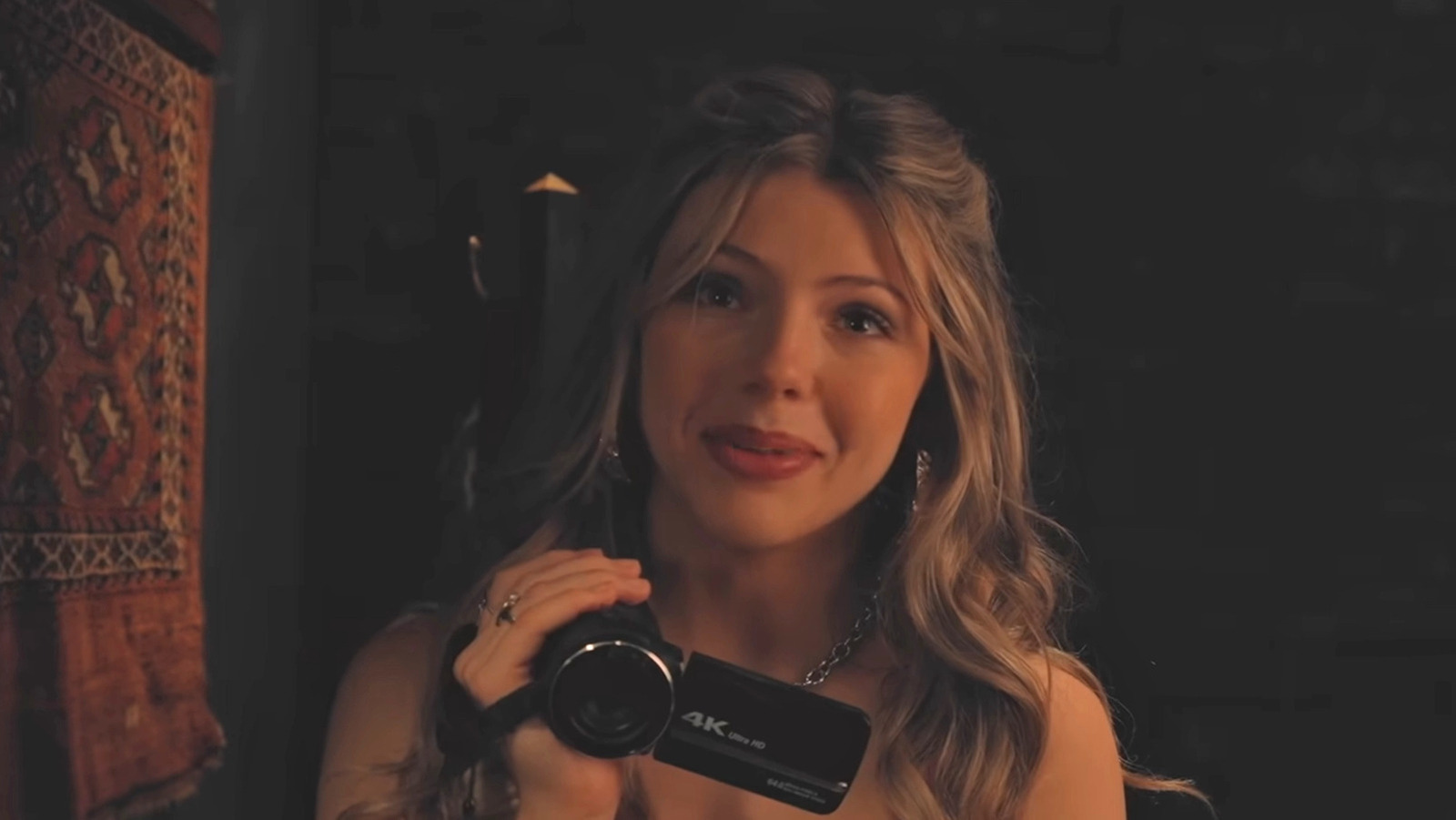
When producer Josh Goldbloom and Shudder took the reins in 2021 with V/H/S/94, they successfully pivoted to a year-based thematic structure. This provided a necessary scaffolding for directors to build upon. Following the sci-fi exploration of 2024’s V/H/S/Beyond and the holiday-themed V/H/S/Halloween (2025), Mixtape represents the third pillar in what many critics are calling the "Goldbloom Trilogy."
By selecting music as the central motif, the production team has given filmmakers a broad yet specific sandbox. The segments in Mixtape explore the macabre potential of song, the physical trauma of musical instruments, and the eerie nature of sound design itself, creating a rhythmic consistency that the series has historically lacked.
Supporting Data: Directorial Vision and Thematic Execution
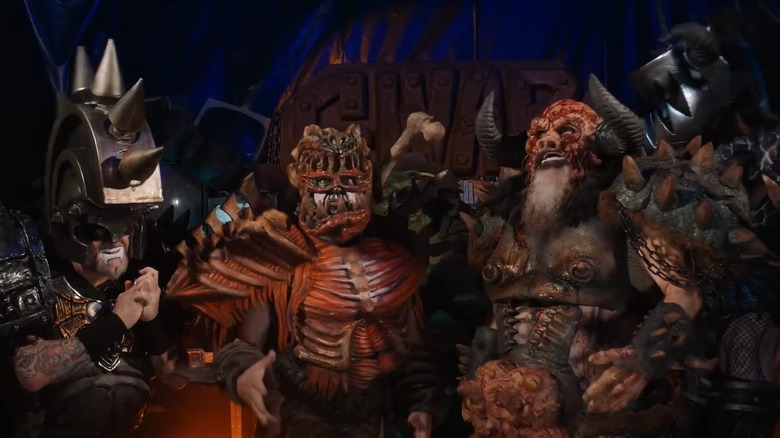
The success of V/H/S/Mixtape is largely anchored by its highly effective wraparound segment, directed by musician and filmmaker Flying Lotus. Featuring the iconic, costumed heavy metal band GWAR, the wraparound eschews the tired "scary house" tropes of previous entries in favor of a frenetic, MTV-inspired aesthetic. This choice injects the film with a sense of "Troma-style" gross-out humor that acts as the perfect palate cleanser between segments.
The inclusion of original music videos—specifically those by industry insiders like RZA and Ghost’s Tobias Forge—adds a layer of authenticity to the "mixtape" conceit. Forge’s segment, "Premature Burial," is a standout, serving as a death-metal homage to the controversial German filmmaker Jörg Buttgereit. The film’s ability to weave these high-concept artistic visions into a singular feature is a testament to the maturation of the anthology format.
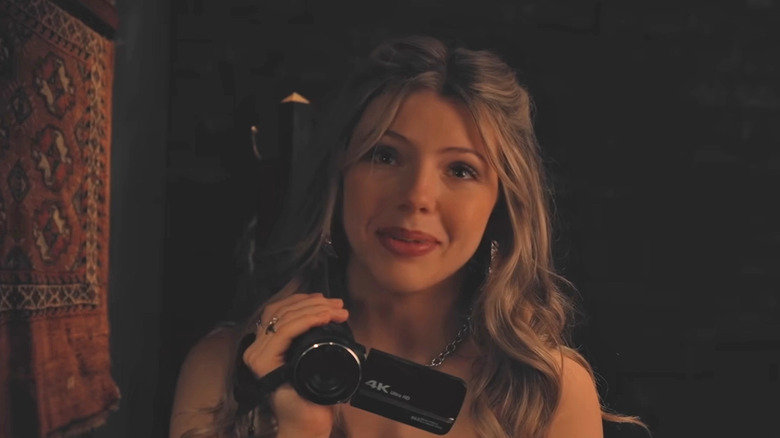
However, the film is not without its "bumpy" transitions. The inherent challenge of any anthology—sequencing—remains a hurdle. For instance, Ernest Dickerson’s "The Music of Mr. Sze," a slow-burn narrative inspired by H.P. Lovecraft, is a masterclass in tension. Unfortunately, its placement in the middle of the film serves to deflate the momentum rather than build it. Similarly, David Moreau’s "Heartbeat," while visually bold, utilizes a unique GoPro-style perspective that requires a steep learning curve for the audience, leading to a segment that feels finished just as it begins to click.
Official Responses and Creative Impact
The industry reception at Beyond Fest 2026 has been largely celebratory. Critics have noted that while individual segments may fluctuate in quality, the V/H/S brand has solidified itself as a reliable institution for horror innovation.
The integration of practical effects also remains a high point. A standout segment, "Dance, Dance, Dance, Dance" by Renee Zhan and Zoe Cooper, utilizes puppets from Jim Henson’s Creature Shop. By applying these legendary, high-end practical effects to a disturbing, adult-oriented "kindertrauma" theme, the filmmakers have created a segment that resonates long after the credits roll. It is a clear evolution from previous efforts, suggesting that the franchise is no longer just "lo-fi" for the sake of budget, but "lo-fi" as a deliberate stylistic choice.
RZA’s contribution, "Death Tone," co-directed with Matt Landsman, further bolsters the film’s reputation. RZA demonstrates an increasingly sophisticated grasp of exploitation tropes, blending bizarre, visceral practical effects with a narrative that feels uniquely his own rather than a hollow imitation of 80s genre staples.
Implications: The Future of the Franchise
As V/H/S/Mixtape prepares for its wide streaming release on Shudder on October 9, 2026, the discourse surrounding the franchise has shifted from "can they keep making these?" to "where do they go next?"
The announcement of the tenth film, which is slated to be a collaboration with the internet-famous SCP Foundation (a fictional, collaborative creative writing project focused on anomalies), has sparked both excitement and apprehension among the fanbase. The concern is that the franchise may again pivot away from the "winning formula" established by the recent thematic trilogy.
The lesson of Mixtape is that the strength of the anthology lies in its ability to anchor disparate artistic voices within a unifying, recognizable theme. If the series continues to evolve—treating each entry as a distinct "mixtape" or "collection" rather than an attempt to build a monolithic lore—it will likely maintain its status as the premier showcase for horror talent.
The franchise has successfully moved from the "lo-fi aesthetic" curiosity of 2012 to the curated, thematic powerhouse of 2026. V/H/S/Mixtape proves that even after nine iterations, the format still has room to surprise, thrill, and innovate. Whether the series can maintain this momentum in its tenth installment remains to be seen, but for now, the music is playing, the tape is rolling, and the V/H/S franchise has never sounded—or looked—better.
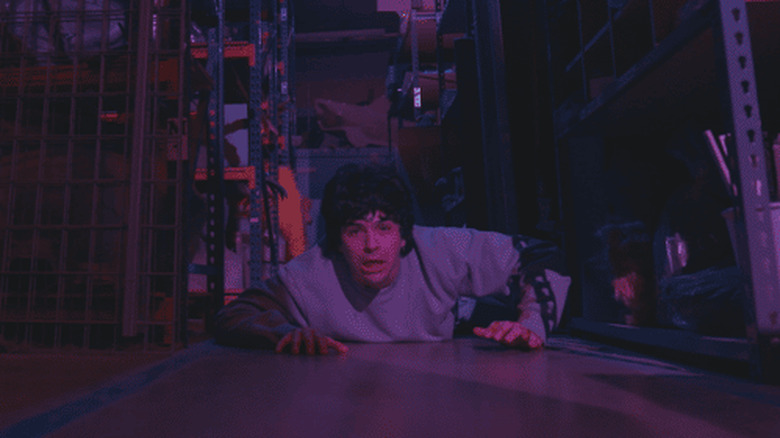
Final Rating: 8/10
