
From Veterinarian to Animator: Jess Choong’s Remarkable Journey to the Big Screen
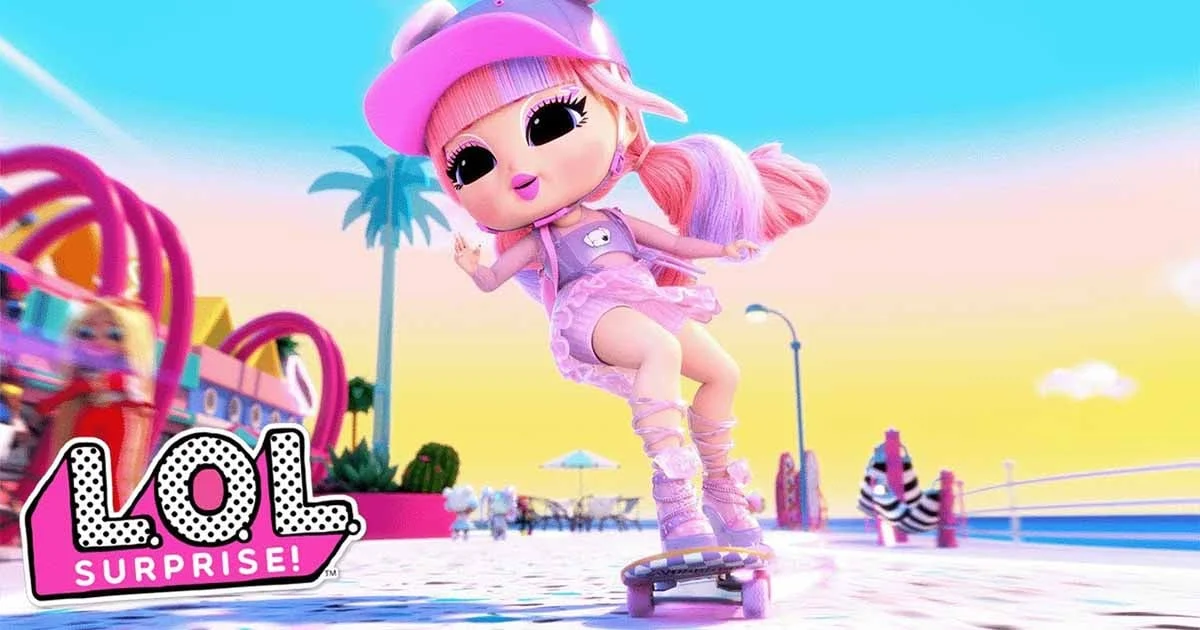
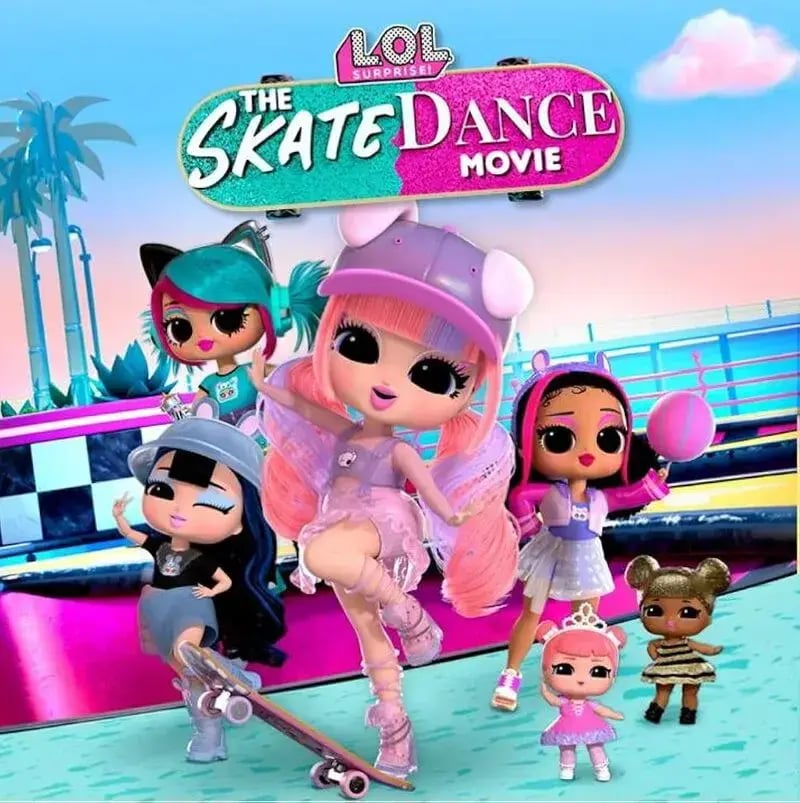
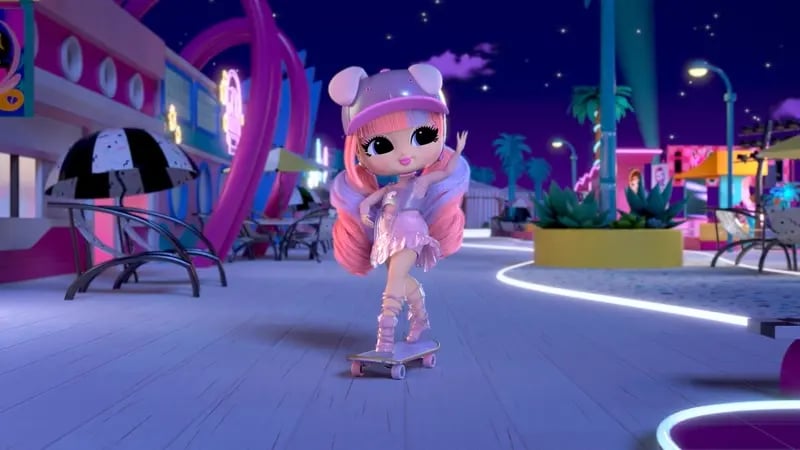
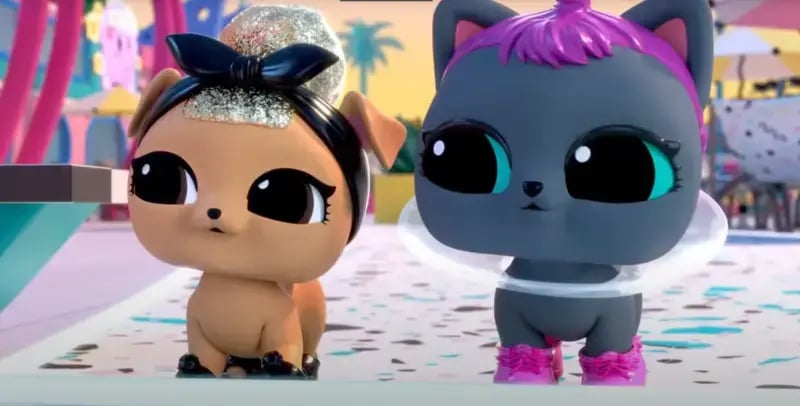
The path to a career in feature animation is rarely a straight line, but for Jess Choong, it involved a pivot more dramatic than most. Having spent years navigating the rigorous, science-heavy demands of veterinary medicine and engineering, Choong has officially cemented her place in the creative world, earning her first major credit as a 3D animator on the recently released LOL Surprise! The Skate Dance Movie.
Her story serves as both a testament to the viability of career reinvention and a masterclass in the dedication required to break into a hyper-competitive global industry. As she balances her newfound professional success with the humility of a newcomer, Choong’s journey offers a roadmap for aspiring artists who believe their creative potential might have arrived “too late.”
The Leap of Faith: A New Creative Horizon
For many, the jump from the clinical environment of an animal hospital to the software-heavy, artistic world of 3D animation would seem insurmountable. However, for Choong, the transition was fueled by a long-dormant desire to explore her artistic side. Unlike the rigid, academic constraints of her previous fields, animation provided a boundless canvas.
“It feels surreal and like a dream come true,” Choong reflects on seeing her name in the credits for the first time. “I definitely still have imposter syndrome, and I didn’t think I would see my name on a feature this soon. There were times I doubted if I could successfully change careers for a third time, especially coming from such a vastly different background.”

Choong notes that the transition was not merely a change in subject matter, but a shift in how she utilized her brain. The intellectual stimulation of creative problem-solving in Maya—the industry-standard software—offered a refreshing, albeit challenging, alternative to her previous life in medicine.
Life in the Studio: The Anatomy of an Animation Pipeline
The reality of a professional 3D animator is a far cry from the stereotypical image of an artist simply "drawing" all day. Choong explains that the role is deeply rooted in time management, technical precision, and communication.
The Daily Workflow
A typical day begins with a review of a "shot list"—a vital document in the studio’s pipeline management software. This tool tracks the life cycle of every frame: which shots are in the blocking phase, which are ready for review, and which require client revisions.
"Every project is different," Choong explains. "Some require 20–30 seconds of finished animation per week, while others might be 15–20. You have to be hyper-aware of your capacity."
The Importance of Dailies
Perhaps the most crucial component of studio life is the "dailies" process. This involves presenting work-in-progress to directors and animation leads. It is here that the collaborative nature of the industry shines. Leads often use tools like SyncSketch to provide "drawovers"—visual annotations that help animators refine poses and timing.
"The important thing throughout the day is time management," says Choong. "You could have one shot in blocking, another in the splining phase, and a third awaiting client feedback. Knowing when to ask for help is essential to ensuring the entire team hits their deadlines."
Educational Foundations: Bridging the Gap with CG Spectrum
One of the biggest hurdles for any career-changer is the education gap. Choong faced the challenge of needing to maintain a steady income while retraining. She rejected the traditional, four-year university route in favor of CG Spectrum, an online vocational school that focuses on mentorship from industry veterans.
The value of this model, according to Choong, was the immediate access to "tribal knowledge"—the unwritten rules of studio life. "Even before starting my first job, I knew what an animation lead was, what dailies were, and how the various departments interacted," she says.
By utilizing one-on-one mentorship, Choong was able to undergo multiple rounds of feedback on a single shot, mirroring the professional environment she would eventually enter. This process helped her strip away the ego often associated with creative work, teaching her to treat animation as a technical craft to be polished rather than a precious piece of art to be defended.
The Reality of a Competitive Industry
While her success is inspiring, Choong is refreshingly candid about the instability of the film and gaming sectors. Her entry into the industry coincided with the 2023 writers’ strikes in the United States, which caused global ripples throughout the animation production pipeline.
The "Relocation" Requirement
One of the most sobering realizations for emerging artists is the geographic demand. "Since starting work, I’ve realized how many people move for jobs," Choong notes. Despite the rise of remote work post-COVID, many studios still prioritize hybrid roles. Choong herself had to make the difficult decision to move interstate from Sydney, leaving behind the stability of property ownership to pursue her professional goals. It is a sacrifice she shares with a vast majority of her colleagues.
Managing Financial Expectations
Choong’s advice to prospective career-switchers is rooted in financial realism. She maintained a three-day-a-week schedule as a veterinarian to fund her studies and sustain her mortgage payments. "When you have the drive and passion, it makes it easier to study while working, but you must have a plan for your finances," she advises.
Strategies for Growth and Standing Out
When asked how a junior animator can distinguish themselves in a studio full of industry veterans, Choong emphasizes two things: consistent improvement and the proactive use of reference material.
- Ask for Feedback: "Everyone in the industry is super nice," she says. "Senior animators are always willing to help out juniors. I constantly asked for feedback on my shots."
- Filming Reference: Choong credits her growth to the diligent use of acting out her shots in front of a camera. By analyzing her own physical movements and translating them into 3D space, she was able to achieve more natural, believable performances in her character work.
- Portfolio vs. Passion: Perhaps her most contrarian piece of advice is to ignore the "all-rounder" mentality for portfolios. Instead of creating what she thought studios wanted to see, she focused on what she loved to animate. "It shows not only your animation skills but also who you are as a person," she notes.
Implications: The Future of Career Mobility
Jess Choong’s journey highlights a growing trend in the creative economy: the "second-act" professional. With the rise of specialized, online-first educational platforms, the barrier to entry is lowering for those with the discipline to pursue it.
However, the industry remains high-pressure and highly competitive. The "implied" requirement to move, the need for constant self-management, and the necessity of navigating global economic shifts mean that talent alone is rarely enough. Success requires a blend of soft skills—communication, adaptability, and emotional resilience—that Choong argues are easily transferable from other demanding professions.
"I think having soft skills from other careers is very helpful," Choong says. "Time management and communication are universal. They’ve definitely helped me as an animator more than I initially expected."
Looking Ahead
As Choong continues her tenure at her current studio, her focus remains on growth. With credits now including the LOL series, Baby Alive, and Rainbow High, she has established a solid foundation for a long-term career. Her story serves as a reminder that the creative industry is not a closed circle accessible only to those who start in art school. It is an evolving field that thrives on the diverse perspectives of those who dare to bring their previous life experiences—whether from medicine, engineering, or beyond—into the world of digital storytelling.
For those watching her progress, the lesson is clear: if you are willing to put in the work, embrace the feedback, and move where the work takes you, the leap from the laboratory to the studio is not just possible—it is a transformation waiting to happen.
