
The Pixar Pantheon: A Retrospective Analysis of Animation’s Definitive Studio
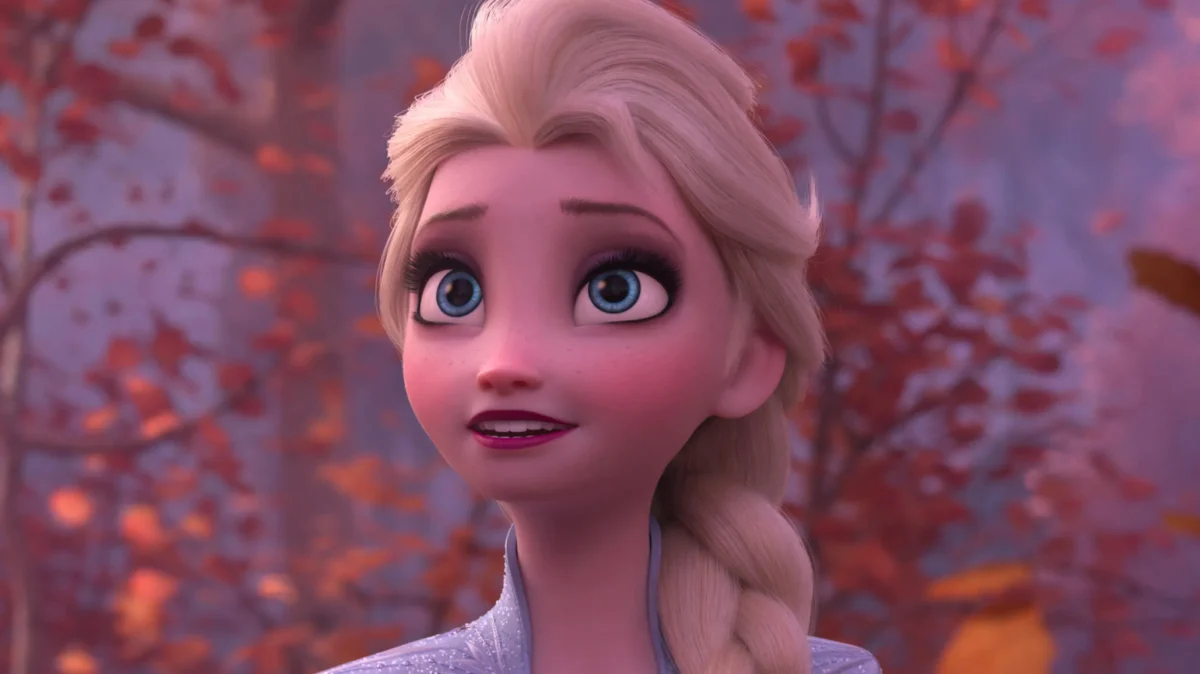
Since Disney’s monumental acquisition of Pixar Animation Studios in 2006, the Emeryville-based powerhouse has continued to solidify its reputation as an awards-season juggernaut and a pioneer of modern cinematic storytelling. Transforming computer-generated imagery (CGI) from a technical novelty into a profound artistic medium, Pixar has gifted global audiences with a gallery of unforgettable characters. From bewildered aquatic creatures to the literal embodiments of human emotion, these figures have come to define contemporary popular culture. Below is a comprehensive retrospective examination of the 85 most influential characters across Pixar’s storied filmography, categorized by their narrative impact, thematic resonance, and cultural legacy.
Main Facts: The Evolution of Pixar’s Character Architecture
Pixar’s enduring success rests upon a foundational philosophy articulated by its creative leadership: character dictates story, not the other way around. Whether animating inanimate objects, non-human entities, or abstract concepts, the studio relies on relatable psychological truths.
- The Toy Story Paradigm (1995–Present): Launching with Sheriff Woody (Tom Hanks) and Space Ranger Buzz Lightyear (Tim Allen), Pixar established the trope of hidden societies operating parallel to human awareness. Characters like Jessie (Joan Cusack), Mr. and Mrs. Potato Head (Don Rickles and Estelle Harris), Slinky Dog (Jim Varney/Blake Clark), Rex (Wallace Shawn), and Hamm (John Ratzenberger) established an ensemble dynamic that mirrors classic theatrical troupes. Antagonists like Sid (Erik von Detten), Stinky Pete (Kelsey Grammer), and Lots-O’-Huggin’ Bear (Ned Beatty) tested the moral boundaries of this toy universe.
- Non-Human Empathy: Pixar routinely bypasses biological human protagonists to explore universal human conditions through animals, monsters, and abstract creations. Finding Nemo (2003) utilized Marlin (Albert Brooks), Dory (Ellen DeGeneres), and Nemo (Alexander Gould) alongside iconic supporting figures like Bruce the Shark (Barry Humphries) to explore paternal anxiety and cognitive difference. Similarly, Monsters, Inc. (2001) turned fear on its head via Mike Wazowski (Billy Crystal), James P. "Sulley" Sullivan (John Goodman), Boo (Mary Gibbs), and Randall Boggs (Steve Buscemi), subverting corporate bureaucracy and childhood phobias.
Chronological Overview: From Ant Colonies to Sentient Elements
Pixar’s narrative timeline reflects a progressive maturation of themes, evolving from slapstick adventure to existential inquiry and complex psychological realism.
Phase One: The Foundation of Adventure (1998–2006)
Following the triumph of Toy Story, Pixar expanded its scope. A Bug’s Life (1998) introduced Flik (Dave Foley) and Princess Atta (Julia Louis-Dreyfus) to examine collective labor and individual innovation. Finding Nemo and The Incredibles (2004)—led by Bob Parr/Mr. Incredible (Craig T. Nelson), Helen Parr/Elastigirl (Holly Hunter), Violet (Sarah Vowell), Dash (Spencer Fox), and Jack-Jack (Eli Fucile/Maeve Andrews)—interrogated the pressures of nuclear family structures under extraordinary duress, aided by allies like Frozone (Samuel L. Jackson) and thwarted by villains like Syndrome (Jason Lee) and Evelyn Deavor (Catherine Keener).
The automotive era of Cars (2006) brought Lightning McQueen (Owen Wilson), Doc Hudson (Paul Newman), and Sally Carrera (Bonnie Hunt) to life, emphasizing legacy and slowing down to appreciate life’s journey.
Phase Two: The Emotional and Existential Renaissance (2007–2015)
This period marked Pixar’s most critically acclaimed epoch, tackling mortality, culinary ambition, and ecological collapse.
- Ratatouille (2007): Remy (Patton Oswalt) and Alfredo Linguini (Lou Romano) proved that "anyone can cook," validated by the austere critic Anton Ego (Peter O’Toole).
- WALL-E (2008): WALL-E (Ben Burtt) and EVE (Elissa Knight), alongside the sentient vessel Auto, presented a silent, poignant warning regarding planetary consumption.
- Up (2009): Carl Fredricksen (Ed Asner), Ellie Fredricksen, Russell (Jordan Nagai), Dug (Bob Peterson), and Charles Muntz (Christopher Plummer) explored grief, aging, and the bittersweet nature of fulfilled childhood promises.
- Inside Out (2015): By personifying the human psyche through Joy (Amy Poehler), Sadness (Phyllis Smith), Fear (Bill Hader/Tony Hale), Disgust (Mindy Kaling/Liza Lapira), Anger (Lewis Black), and Bing Bong (Richard Kind), Pixar visualized the necessity of emotional complexity.
Phase Three: Cultural Exploration and Contemporary Experimentation (2016–Present)
Recent years have seen Pixar diversify its storytelling lens through cultural specificity, teenage development, and conceptual abstraction.
- Coco (2017) explored Mexican heritage and generational memory through Miguel (Anthony Gonzalez), Héctor (Gael García Bernal), Mamá Imelda (Alanna Ubach), and Ernesto de la Cruz (Benjamin Bratt).
- Onward (2020) and Soul (2020) addressed loss and purpose via Ian Lightfoot (Tom Holland), Barley Lightfoot (Chris Pratt), Joe Gardner (Jamie Foxx), and 22 (Tina Fey).
- Luca (2021), Turning Red (2022), and Elemental (2023) used fantasy analogs—sea monsters, giant red pandas, and elemental beings—to process assimilation, puberty, and cross-cultural romance via characters like Luca Paguro (Jacob Tremblay), Meilin "Mei" Lee (Rosalie Chiang), Ember Lumen (Leah Lewis), and Wade Ripple (Mamoudou Athie).
Supporting Data: The Voice Acting Ensemble
The vitality of Pixar’s character design is inextricably linked to legendary vocal performances. The studio often relies on distinct vocal textures to establish instant character shorthand:
| Character | Film | Voice Actor | Archetype/Role |
|---|---|---|---|
| Edna Mode | The Incredibles | Brad Bird | Austere fashion maven / Designer |
| Roz | Monsters, Inc. | Bob Peterson | Monotone administrative foil |
| Squishy / Dean Hardscrabble | Monsters University | Helen Mirren / Various | Academic authority figures |
| 22 | Soul | Tina Fey | Cynical pre-natal soul |
| Anxiety | Inside Out 2 | Maya Hawke | Teenage stress personification |
| Ennui | Inside Out 2 | Adèle Exarchopoulos | Apathetic teenage persona |
Official Responses and Industry Reception
Pixar’s methodology has long been studied within the entertainment industry. Executives and directors frequently emphasize that technological advancements—such as the complex physics engines required to render the water elements in Elemental or the fur simulations in Monsters, Inc.—serve strictly to enhance character performance.
In retrospective interviews, creative leads have noted that characters like Inside Out’s Anxiety were introduced following extensive consultations with psychologists to ensure that contemporary adolescent mental health struggles were represented with both accuracy and cinematic empathy. The studio’s willingness to adapt casting—such as updating vocal talent for growing characters like Riley Andersen (Kensington Tallman in Inside Out 2)—underscores an institutional commitment to organic character evolution.
Implications: The Cultural Legacy of Pixar’s Character Design
The cultural imprint of Pixar’s character catalog extends far beyond box office receipts. By humanizing the non-human, Pixar has fundamentally shifted how contemporary audiences process empathy.
- Normalization of Mental Health: Characters like Sadness, Anxiety, and Marlin have provided accessible vernacular for audiences—particularly children and adolescents—to discuss depression, generalized anxiety, and grief.
- Technological Benchmarks: Every character archetype introduced, from the metallic reflections of WALL-E to the translucent properties of Wade Ripple, has pushed the entire animation sector to raise its technical standards.
- Enduring Commercial Vitality: As Pixar continues to expand universes into upcoming projects like Hoppers (featuring Mabel Tanaka voiced by Piper Curda and King George voiced by Bobby Moynihan) and Elio, the studio demonstrates that its character-first methodology remains the gold standard of modern cinematic storytelling.
