
The Ultimate Gamble: Why the Next ‘One Piece’ Movie is Breaking Decades of Franchise Tradition
Main Facts
The One Piece multimedia empire is gearing up for a monumental shift. During the heavily anticipated One Piece Day 2026 convention, Toei Animation officially announced that the next theatrical feature in the legendary franchise will be titled One Piece Film: God Valley, slated for a Japanese theatrical release in the summer of 2027. This will be swiftly followed by One Piece Film: Baad, scheduled for 2029.
However, the announcement of God Valley sent shockwaves through the global fandom, primarily because it shatters a core operational tradition that has guided the One Piece cinematic landscape for nearly three decades: it will be the very first canonical One Piece feature film.
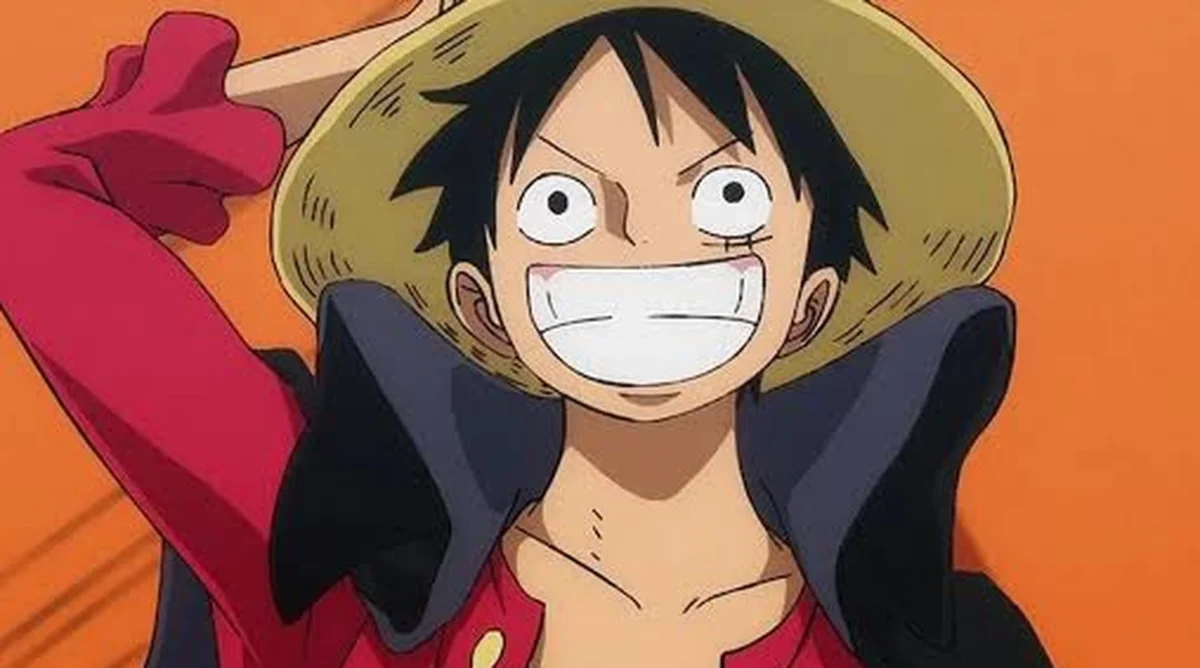
More radically, God Valley will completely exclude Monkey D. Luffy and the Straw Hat Pirates. Instead, the 2027 film will focus entirely on a historical flashback event that occurred 38 years prior to the current anime timeline, diving deep into an era dominated by legendary figures such as Gol D. Roger, Rocks D. Xebec, and a young Monkey D. Garp.
This pivot aligns One Piece with modern shonen anime cinematic trends—such as the theatrical approaches seen with Demon Slayer: Infinity Castle, Jujutsu Kaisen 0, and Chainsaw Man – The Movie: Reze Arc—which utilize the big screen to adapt pivotal, lore-heavy manga storylines rather than relying on standalone, non-canon side adventures. Yet, by benching its iconic protagonist entirely, Toei Animation and franchise creator Eiichiro Oda are making the ultimate gamble on the standalone drawing power of the property’s rich history and expansive world-building.
Chronology: A Historic Timeline for the Franchise
To understand why One Piece Film: God Valley is such a seismic event, it is vital to map out the historical and production timeline surrounding the franchise.
- 38 Years Prior to Current Timeline: The infamous "God Valley Incident" takes place. The World Government holds its triennial human-hunting tournament on God Valley, drawing the attention of both the Rocks Pirates—led by Rocks D. Xebec—and the Roger Pirates, led by Gol D. Roger. A catastrophic battle ensues, resulting in the island’s mysterious erasure from history and forever altering the geopolitical landscape of the world.
- 1997 – Present: Eiichiro Oda begins serializing One Piece in Weekly Shōnen Jump. Over nearly 30 years, it grows into a cultural monolith, recently tying with Superman as the best-selling comic series of all time.
- 2000 – 2022: Toei Animation releases 15 non-canon One Piece feature films. While widely loved by fans for their bombastic action and unique character team-ups, none of these films impact the main manga or anime continuity.
- 2025 – 2026: The manga explores the God Valley Incident in intricate detail via flashbacks, introducing critical lore, the tragedy of Bartholomew Kuma, and the legendary figures of the past.
- Summer 2027: One Piece Film: God Valley is scheduled to premiere in Japanese theaters, breaking the franchise’s non-canon movie tradition and omitting the Straw Hat Pirates.
- Late 2027: The sprawling, emotional Elbaph arc of the manga approaches its conclusion as the overarching narrative barrels toward its final saga.
- 2027 (Concurrent): Netflix launches The One Piece, a modern, streamlined anime remake starting from the East Blue saga, alongside the premiere of Season 3 of the critically acclaimed live-action One Piece series.
- 2029: One Piece Film: Baad is scheduled for release, continuing Toei’s new era of cinematic storytelling.
Supporting Data and Context
The decision to pivot toward a canonical, prequel-style feature film is underscored by shifting trends in the anime industry and the staggering commercial milestones of the One Piece IP.
Historically, shonen anime movies—films based on action-heavy series like Naruto, Bleach, and early One Piece—relied heavily on original, self-contained filler narratives. These stories ensured that production schedules would not conflict with weekly television broadcasts, while also allowing casual viewers to enjoy a cinematic spectacle without needing to consume hundreds of episodes of setup.
However, the industry paradigm shifted dramatically in the 2020s. Projects like Demon Slayer – Kimetsu no Yaiba: The Movie: Mugen Train and Jujutsu Kaisen 0 proved that audiences are more than willing—and indeed prefer—to watch crucial, canon arcs adapted with cinematic-tier budgets on the big screen.
One Piece Film: God Valley adopts this modern philosophy, but takes it a step further. While Jujutsu Kaisen 0 served as a prequel featuring a different protagonist (Yuta Okkotsu), it still tied directly into the emotional and narrative trajectory of its primary cast. God Valley, conversely, features zero recurring modern characters in leading roles. The dramatis personae consists entirely of historical titans:
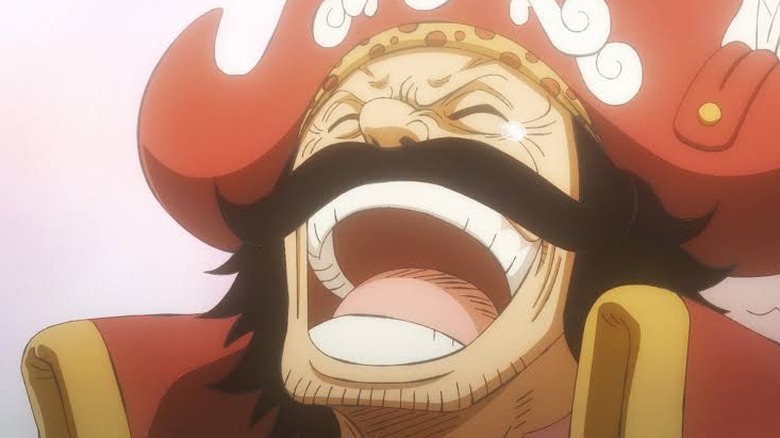
- Gol D. Roger: The eventual Pirate King.
- Rocks D. Xebec: The terrifying captain of the Rocks Pirates, long hailed as Roger’s greatest adversary.
- Monkey D. Garp: The legendary Marine Hero forced into an uneasy alliance.
- Younger iterations of Whitebeard, Big Mom, Kaidou, Silvers Rayleigh, Emporio Ivankov, and Bartholomew Kuma.
The financial stakes are immense. Across 15 previous films, the One Piece cinematic franchise has relied on the universal marketability of Monkey D. Luffy’s infectious charisma and the dynamic chemistry of the Straw Hat crew. Removing them entirely means Toei Animation is betting that One Piece has evolved past a simple character-driven adventure into a deep, mythological universe whose history is just as compelling to fans as its present-day journey.
Official Responses and Industry Reception
Reactions from the anime community and industry insiders following the One Piece Day 2026 announcements have been a mixture of stunned disbelief and unbridled excitement.
Toei Animation’s promotional rollout emphasized the monumental nature of the project, framing God Valley not merely as a spin-off, but as an essential piece of historical puzzle-solving engineered by Eiichiro Oda himself. Industry analysts have pointed out that tackling the God Valley Incident on the big screen allows the animation studio to allocate theatrical-grade resources to battles that were previously only teased or shown in fragmented panels within the manga.
Prominent manga and anime commentators have noted that adapting God Valley sidesteps the pacing issues that often plague weekly anime adaptations. By condensing the multi-sided warfare, the tragic persecution of the native inhabitants, and the ideological clashes of the era into a feature-length runtime, Toei can deliver a tightly wound, high-stakes war film.
Fans online have similarly flooded forums and social media platforms with theories. While a vocal minority initially questioned how a One Piece movie could function without Luffy, the prevailing sentiment quickly shifted. Discussions quickly centered on the narrative weight of seeing Garp and Roger fighting side-by-side, the horrifying depths of the World Government’s atrocities, and the true nature of Rocks D. Xebec’s ambitions.
Implications for the Future of the Franchise
The announcement of One Piece Film: God Valley carries profound implications for how long-running anime franchises will be handled in their twilight years.
1. The Death of Meaningless "Filler" Movies
For decades, anime films tied to ongoing series were viewed by purists as optional side-quests—fun, beautifully animated, but ultimately lacking narrative consequence. The success of God Valley will likely cement a new standard where theatrical adaptations are reserved for monumental, canon-expanding events. If God Valley succeeds, it proves that fans are hungry for world-building depth that transcends the immediate safety net of the main protagonist.
2. Validating the Lore Over the Mascot
Luffy is one of the most recognizable and beloved characters in pop culture history. Sidelining him for a cinematic release is an audacious exercise in brand confidence. It signals to the audience that the world of One Piece is bigger than any single character—that the geopolitical intrigue, the dark history of the Void Century, and the legends of the old guard possess enough gravity to carry a blockbuster film on their own merits.
3. Setting the Stage for the End of the Manga
As the manga races toward its final arcs and the Elbaph storyline wraps up, the release of God Valley in 2027 will serve as a thematic bridge. By contextualizing the sins of the World Government and the legacy of the old pirate era right as the modern story reaches its climax, Toei Animation is ensuring that the transmedia ecosystem of One Piece remains deeply unified.
Ultimately, One Piece Film: God Valley is more than just a movie announcement—it is a statement of artistic maturity. By trusting its audience to embrace a historical tragedy devoid of its main heroes, the franchise is once again proving why it stands at the absolute pinnacle of modern storytelling.
