
Unmasking the Magic: The Visual Effects, Physics, and Emotional Toll of Spider-Man: Brand New Day
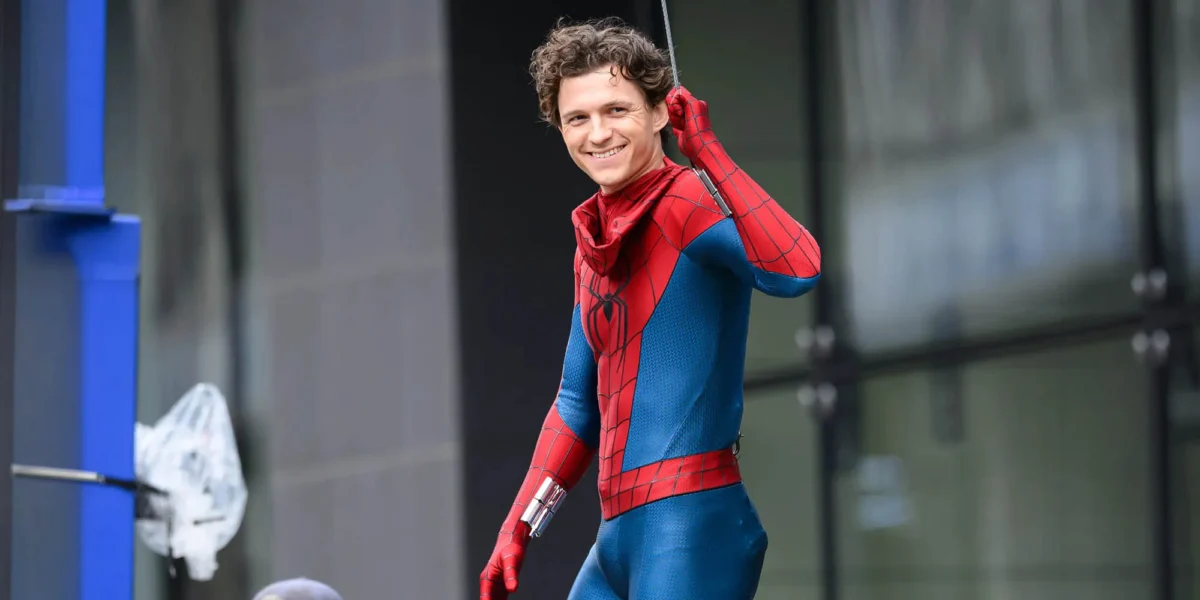
Four years have passed since the reality-altering spell cast by Doctor Strange wiped Peter Parker from the collective memory of the world. While New York City continues to celebrate the heroic exploits of Spider-Man, the human behind the mask lives a life defined by profound isolation. MJ, Ned, and everyone Peter once loved have moved forward, leaving him to vanish almost entirely into his superhero persona. He splits his time between relentless crime-fighting and quiet, solitary visits to Aunt May’s grave.
This deep emotional and psychological strain anchors Spider-Man: Brand New Day, the landmark 38th feature in the Marvel Cinematic Universe (MCU) and the fourth solo outing for Tom Holland’s web-slinger. Directed by Destin Daniel Cretton and penned by screenwriters Chris McKenna and Erik Sommers, the blockbuster boasts an expansive, star-studded cast including Zendaya, Sadie Sink, Jacob Batalon, Jon Bernthal, Florence Pugh, Tramell Tillman, Michael Mando, and Mark Ruffalo.
Behind the dramatic narrative and high-octane spectacle lies a massive cinematic achievement. In the latest installment of the renowned VFXShow podcast, industry experts break down the ambitious action sequences, the hybrid visual effects methodology, and the painstaking physics required to bring Marvel’s latest blockbuster to life.
Main Facts: The Anatomy of a Blockbuster
Spider-Man: Brand New Day represents a significant tonal and technical shift for the MCU. Moving away from the cosmic-level stakes of multiversal chaos seen in recent Marvel entries, this film deliberately pulls the camera back down to the asphalt, grounding its narrative in the gritty, street-level reality of New York City.
- The Creative Team: Directed by Destin Daniel Cretton, known for blending character-driven drama with large-scale action (Shang-Chi and the Legend of the Ten Rings), with a script by MCU veterans Chris McKenna and Erik Sommers.
- The Cast: Tom Holland returns as the titular hero, joined by returning favorites Zendaya and Jacob Batalon, alongside heavy-hitting franchise newcomers Jon Bernthal (reprising his role as Frank Castle/The Punisher), Florence Pugh, Sadie Sink, Tramell Tillman, Michael Mando, and Mark Ruffalo.
- The Production Scale: As the 38th film in the Marvel Cinematic Universe, Brand New Day relies on a sophisticated "hybrid production methodology," merging practical stunt work, real-world locations, and advanced digital effects to create seamless action transitions.
Chronology: From Street-Level Grime to Department of Damage Control Chaos
The narrative architecture of Spider-Man: Brand New Day is carefully structured to escalate tension progressively, beginning in the shadowed alleyways of New York before expanding into massive, collateral-heavy set pieces.
Act I: The Street-Level Sentinel
The film opens in a remarkably grounded, low-stakes environment. Years removed from the Avengers and the cosmic threats of Thanos or Kang, Spider-Man has dedicated himself to cleaning up New York’s underworld. The early acts showcase him tangling with a variety of street-level criminals—ranging from classic rogues like Mac Gargan to shadowy syndicates like The Hand. During this period, Peter also establishes a tense, pragmatic working relationship with gritty police detective Jean DeWolff, emphasizing a return to the classic "friendly neighborhood" dynamic.
Act II: The Catalyst
The narrative equilibrium shatters in a thunderous sequence involving Frank Castle, better known as The Punisher. Castle’s relentless, heavily armed pursuit of an armored vehicle escalates rapidly, culminating in a rogue military tank crashing directly through the barriers of a Department of Damage Control (DoDC) high-security prison. This violent breach not only frees dangerous inmates into the urban ecosystem but also forces Spider-Man out of the shadows and into a conflict far larger than routine street crime.
Act III: The Emotional Crucible
As the chaos of the DoDC breakout spreads across the city, Peter is forced to confront his ultimate vulnerability: his utter lack of a personal support system. With no one left to remind him of who Peter Parker is outside of the suit, the physical demands of full-time heroics begin to mirror his internal decay, pushing the character toward a dramatic breaking point that tests both his physical limits and his psychological resilience.
Supporting Data: The Hybrid VFX Methodology
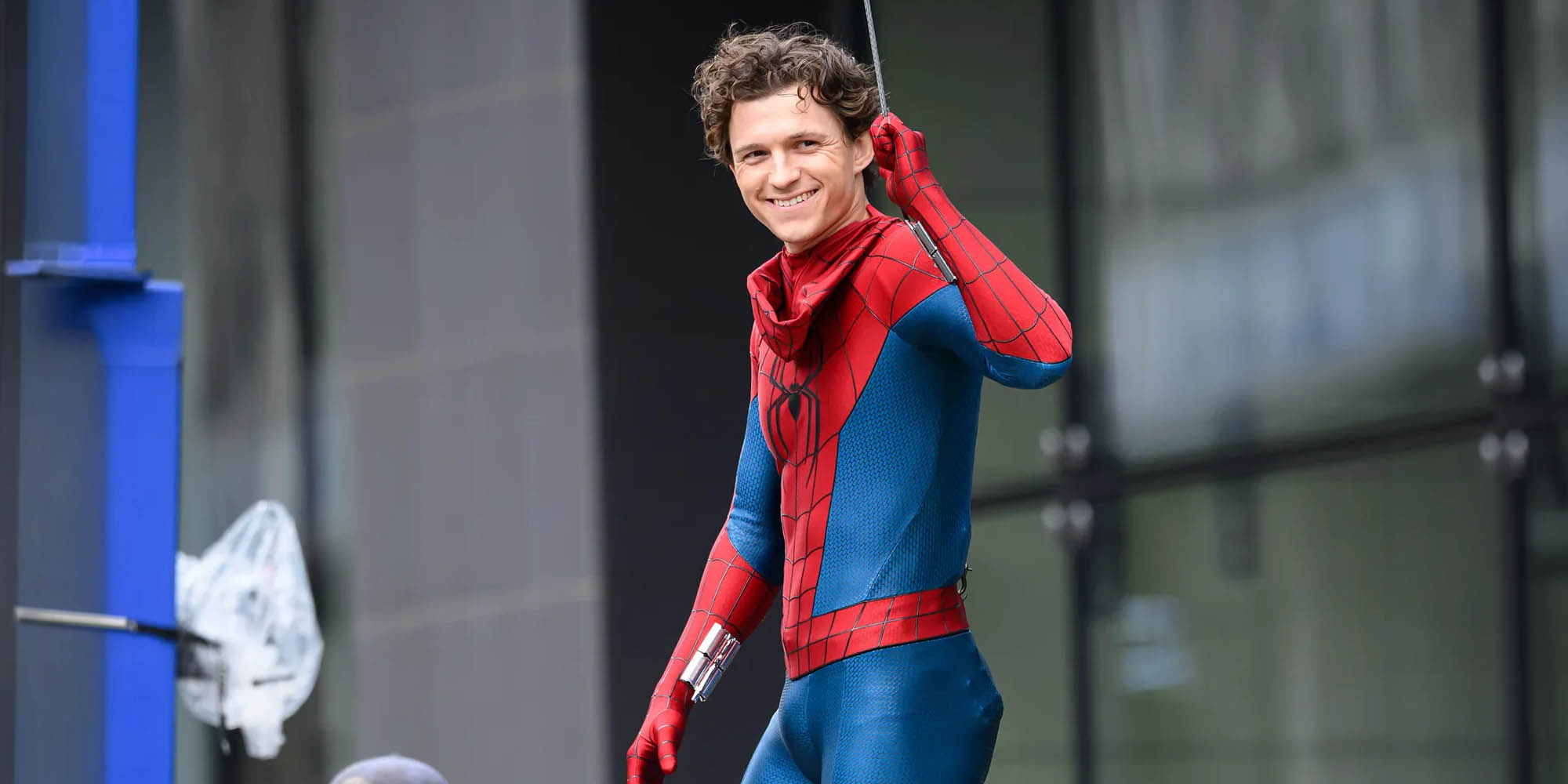
One of the most discussed elements of Spider-Man: Brand New Day is its commitment to bridging the gap between practical filmmaking and computer-generated imagery (CGI). Tom Holland has frequently voiced his appreciation for productions that prioritize a physical suit and tangible stunt choreography, but modern blockbusters require a delicate balancing act.
According to the VFXShow panel, the film relies heavily on a multi-layered asset pipeline:
- Practical Foundations: The production utilized real vehicles, authentic street locations, on-set stunt performers, and physical pyrotechnics or property destruction to establish baseline weight, contact physics, and realistic lighting.
- Digital Augmentation: Visual effects teams stepped in to extend physical environments, digitally erase safety rigging, augment the impact of collisions, and propel Spider-Man into trajectories that would be physically impossible—or lethally dangerous—for a human stunt performer to execute safely.
- The Invisible Transition: A single cinematic shot of Spider-Man in motion often moves fluidly between Tom Holland in a practical suit, a professional stunt double, and a fully digital double multiple times within a continuous sequence.
The success of the film’s visual language hinges entirely on making these transitions imperceptible to the audience. Animation and compositing teams worked in tandem to ensure that while the physics are mathematically heightened to deliver the expected superhero athleticism, the illusion of mass and momentum remains intact.
Official Responses and Panel Insights
In the latest episode of the VFXShow (Episode 308), titled “Our Friendly Neighborhood Disagreement,” the panel of visual effects veterans dove deep into the triumphs and occasional pitfalls of the film’s technical execution.
The panel featured:
- Matt “4th Wall” Wallin, known for his sharp critique of cinematic immersion and spatial boundaries.
- Jason “The Rough-Cut Diamond” Diamond, renowned for analyzing narrative pacing and editorial choices.
- Mike Seymour (“Evil Doctor See More”), co-founder of fxguide, who famously steered the conversation toward the unyielding laws of physics—specifically debating whether gravity remains a constant constraint regardless of mass during high-velocity web-swinging sequences.
While the panel generally praised the production’s return to a more tactile, physical aesthetic compared to heavily green-screened predecessors, they engaged in a spirited debate over the consistency of digital physics during complex aerial choreography. The integration of practical stunt work alongside heavy digital environments proved to be a fertile ground for discussing the future balance of blockbuster filmmaking.
Implications: The Future of Marvel’s Visual Effects Pipeline
The technical approach utilized in Spider-Man: Brand New Day carries significant implications for the broader film industry, particularly as major studios reassess their reliance on digital effects.
- A Blueprint for Hybrid Production: For years, superhero cinema faced mounting criticism for an over-reliance on weightless CGI and rushed post-production schedules. Brand New Day demonstrates that a hybrid model—where practical stunts provide the tactile weight and VFX provide the scope—can satisfy both audiences and critics demanding higher visual integrity.
- Re-anchoring the MCU: By stripping away multiversal clutter and focusing on grounded, physical action sequences, Marvel Studios is signaling a potential shift in how future street-level heroes (such as Daredevil, Echo, and the Punisher) will be handled aesthetically.
- The Evolution of the Digital Double: As machine learning and rendering technologies advance, the seamless swapping between live-action actors, stunt doubles, and digital avatars seen in Brand New Day sets a new benchmark for character animation in action cinema.
As Spider-Man: Brand New Day continues its theatrical run, it leaves behind a blueprint not only for how to tell a deeply personal superhero story in the wake of catastrophic world-memory loss, but also how to physically ground a character who spends half his life flying through the Manhattan skyline.
