
Beyond the Cape: How "Clayface" Rewrites the Blueprint for James Gunn’s New DC Universe

(Note: This article contains spoilers for the theatrical release of "Clayface".)
The superhero cinematic landscape has long operated under a predictable set of parameters. Whether dealing with the finely tuned, interconnected mechanisms of the Marvel Cinematic Universe or the disjointed efforts of the older DC Extended Universe (DCEU), audiences have routinely been trained to expect shared cinematic universes to rely on a specific ecosystem: mid-budget action, interconnected cameos, mandatory post-credit scenes, and a unified house style.
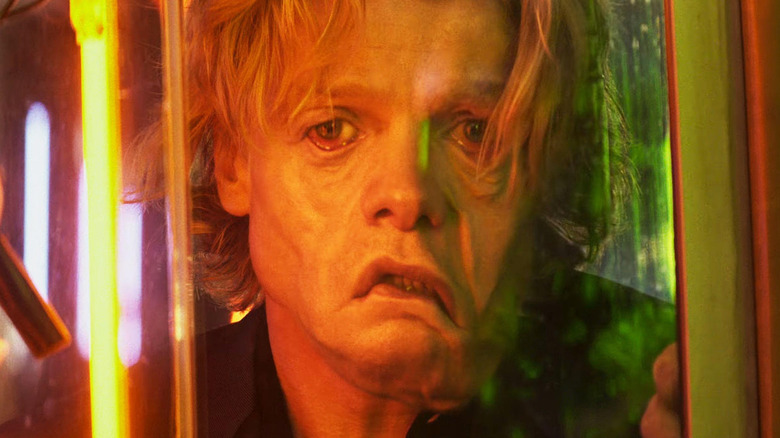
Enter Clayface. Directed by James Watkins (Speak No Evil) and starring Tom Rhys Harries as Matt Hagen, the latest addition to the DC Universe (DCU) shatters these assumptions completely. Eschewing the neon-lit optimism of tentpoles like James Gunn’s Superman or upcoming projects like Supergirl, Clayface dives headfirst into the grim, visceral waters of an R-rated body-horror film. Focused entirely on a classic Batman villain—yet notably absent of the Caped Crusader himself—the movie represents a profound pivot in strategy for DC Studios co-heads James Gunn and Peter Safran.
Far from being a mere footnote or a self-contained side project, Clayface serves as a critical structural pillar for the burgeoning DCU. By trading corporate synergy for cinematic independence, the film establishes a new blueprint for how comic book adaptations can survive and thrive in a fatigued marketplace.
Main Facts: The Anatomy of a Street-Level Horror Story
At its core, Clayface is a tragic, grotesque rise-and-fall narrative set against the rotting backdrop of Gotham City. The film charts the meteoric ascent of Matt Hagen (Tom Rhys Harries), a scrappy Gotham street kid who claws his way up through sheer grit to become a Hollywood leading man.
Hagen’s trajectory is violently derailed, however, when an encounter with a ruthless local crime boss leaves him with catastrophic, career-ending facial disfigurement. Driven by desperation and left with nothing left to lose, Hagen turns to a clandestine, cutting-edge medical treatment. While the procedure miraculously restores his appearance, it triggers a horrific biological and psychological cascade. As Hagen’s grip on reality disintegrates, he spirals into a destructive campaign of vengeance, mutating physically into the terrifying shape-shifter comic fans have known for decades.

Produced by Warner Bros. and spearheaded under the newly minted DC Studios banner, Clayface breaks several molds concurrently:
- The Rating: It is an uncompromised, hard R-rated body-horror feature.
- The Scope: It is deeply street-level, keeping the grander scale of cosmic heroes entirely off-screen.
- The Continuity: It functions almost entirely independently of the overarching DCU narrative timeline, requiring zero prior homework from the viewer.
Chronology: Where Clayface Fits in the DCU Timeline
Understanding the chronology of James Gunn’s DCU requires looking at how DC Studios is staggering its releases. Unlike the old DCEU, which attempted to launch a cinematic universe sequentially with rapid-fire team-up films (Batman v Superman: Dawn of Justice, Suicide Squad), Gunn and Safran have opted for a mosaic approach, dropping stories across different temporal eras and narrative genres.
Chronologically, Clayface takes place during the early days of the DCU timeline, acting as a period piece of sorts for its primary antagonist. Matt Hagen’s origin story predates major events involving the wider Justice League ecosystem. In fact, audiences familiar with DC’s animated and multi-platform rosters might recall that Alan Tudyk is slated to voice Matt Hagen/Clayface in the animated/mixed-media series Creature Commandos. However, Clayface deliberately avoids leaning on or setting up the events of Creature Commandos.
By positioning the film early in the timeline yet keeping its narrative tightly restricted, Gunn and Safran have allowed Clayface to set a baseline for Gotham City without tripping over future continuity hurdles. Following Clayface, the DCU slate marches forward with heavy hitters like the Superman sequel, Man of Tomorrow, and Andy Muschietti’s upcoming The Brave and the Bold—the latter of which will officially introduce the DCU’s definitive Batman. Because of this, Clayface acts as the unintended, foundational architect of Gotham City within this new cinematic era.
Supporting Data and Production Context: Avoiding the "Too Many Cooks" Trap
To fully appreciate why Clayface is structured the way it is, one must examine the operational autopsy of the old DCEU. Under previous management, Warner Bros. rushed to compete with Marvel Studios, leading to a fractured environment of creative interference, mandated reshoots, and a desperate race to establish cinematic synergy before individual characters had room to breathe.
When James Gunn and Peter Safran took the reins of DC Studios, they explicitly diagnosed these ailments. The remedy wasn’t to tighten corporate control, but to loosen it—prioritizing filmmaker-driven visions, strong standalone scripts, and thematic variety over a uniform "house style."

Clayface is the clearest evidence yet that Gunn is putting his money where his mouth is. Consider the logistical contrast: it is nearly impossible to picture Marvel Studios greenlighting a gory, R-rated body horror film centered on a supervillain’s psychotic breakdown during the same theatrical window it pushes out lighter, family-friendly cosmic adventures. Yet DC Studios has embraced this duality.
Furthermore, the film’s production choices reflect a "less is more" philosophy regarding continuity. By keeping Easter eggs to an absolute minimum, Clayface rejects the modern blockbuster’s obsession with setting up the next five movies. Viewers can walk into a theater knowing nothing about the wider DCU and walk out completely satisfied.
Official Responses and Creative Philosophy
The greenlighting of Clayface underscores a profound shift in how studio executives view intellectual property management. Rather than treating DC characters as pieces on a monolithic chess board, Gunn has repeatedly emphasized a creator-first mandate.
When the initial DCU slate was announced, and subsequently adjusted to accommodate shifting creative priorities, Gunn stressed that individual projects would dictate their own tones. In interviews regarding the philosophy of DC Studios, the leadership team has emphasized that audiences are suffering from conventional superhero fatigue. The antidote, according to Gunn and Safran, is genre diversification.
By hiring James Watkins—a filmmaker known for psychological tension and dark atmosphere—to helm an isolated villain origin story, DC Studios signaled that a comic book adaptation can successfully masquerade as indie-style horror. The lack of corporate interference in Clayface has been praised by critics as a refreshing return to form for studio filmmaking, proving that comic adaptations do not need to look, sound, or feel identical to succeed.
Implications: What Clayface Means for the Future of the DCU
The release of Clayface carries massive implications for the long-term viability and creative ceiling of James Gunn’s DC Universe.
1. Establishing the DCU’s Gotham City
First and foremost, the film permanently etches the DCU’s version of Gotham City into the cultural consciousness. Without ever showing Bruce Wayne or the Batman, Clayface paints a vivid, grimy, and oppressive portrait of the city. It establishes Gotham as a sprawling, highly stratified metropolis divided by stark class warfare. Any future filmmaker stepping into Gotham—including Andy Muschietti when he directs The Brave and the Bold—will have to reckon with the gritty baseline that Watkins and his team have established.
2. Proving the Viability of Offbeat Adaptations
More importantly, Clayface proves that the DCU can encompass wildly disparate tones without fracturing the audience’s understanding of the brand. If an R-rated body-horror film about a melting actor can co-exist alongside an optimistic, bright-eyed Superman film, it opens the floodgates for what types of stories DC Studios can tell next. We could hypothetically see mystical occult thrillers, political noir detective stories, or small-scale comedies all existing under the same loose banner without demanding a forced crossover.
3. Curing Superhero Fatigue
By letting projects stand on their own two feet unencumbered by continuity, DC Studios is effectively immunizing itself against the interconnected fatigue that has recently plagued Hollywood. Fans do not need to do homework, watch three streaming series, or memorize a timeline to enjoy Clayface. They just need to sit back and watch a tragedy unfold.
Conclusion
Clayface is an anomaly in modern franchise filmmaking: a big-studio movie that behaves like an independent passion project. By refusing to burden its narrative with universe-building chores, it paradoxically expands the entire scope of what the DCU is capable of achieving.
As James Gunn’s universe marches onward toward Man of Tomorrow and eventual encounters with the Dark Knight, Clayface will be remembered not just as a terrifying cinematic experience, but as the moment DC Studios proved that a cinematic universe is at its strongest when it dares to look away from the cape.
“Clayface” is playing in theaters nationwide.
