Inside the Digital Arsenal of Citadel Season 2: How DNEG Blended Invisible Magic with Global-Scale Spectacle
As streaming television continues to blur the boundary between episodic storytelling and blockbuster feature film production, visual effects houses are increasingly tasked with delivering cinematic scope on compressed timelines. For the highly anticipated second season of Amazon Prime Video’s high-octane spy thriller Citadel, visual effects powerhouse DNEG returned to spearhead a massive technical and creative campaign.
Expanding significantly upon the groundwork laid in Season 1, DNEG’s contributions to Citadel Season 2 span a wide stylistic gamut. The team balanced meticulous, performance-driven invisible effects—such as CG blood integration, digital wound enhancements, and nuanced stunt-double face replacements—with earth-shattering digital spectacles. Among the season’s most demanding set pieces are a haunting figure perpetually engulfed in flames, a fully computer-generated vehicular collision executed entirely without practical stunt driving, a seamless 80-second continuous tracking shot bridging two distinct camera formats, and a cataclysmic orbital sequence featuring the high-altitude destruction of an entire satellite network.
In a comprehensive interview with fxguide, DNEG Visual Effects Supervisor Daniel Baldwin pulled back the curtain on the pipeline, R&D, and cross-departmental collaboration required to bring the sophomore season of Citadel to life.
Main Facts: The Scope of DNEG’s Contribution
The scale of DNEG’s work on Citadel Season 2 cannot be overstated. Working hand-in-hand with Production Supervisor Wesley Froud and VFX Producer Lisa Kelly, DNEG was involved from the earliest pre-production stages, ensuring that digital interventions were anticipated, captured, and executed with maximum fidelity.
The studio’s primary technical deliverables for the season included:
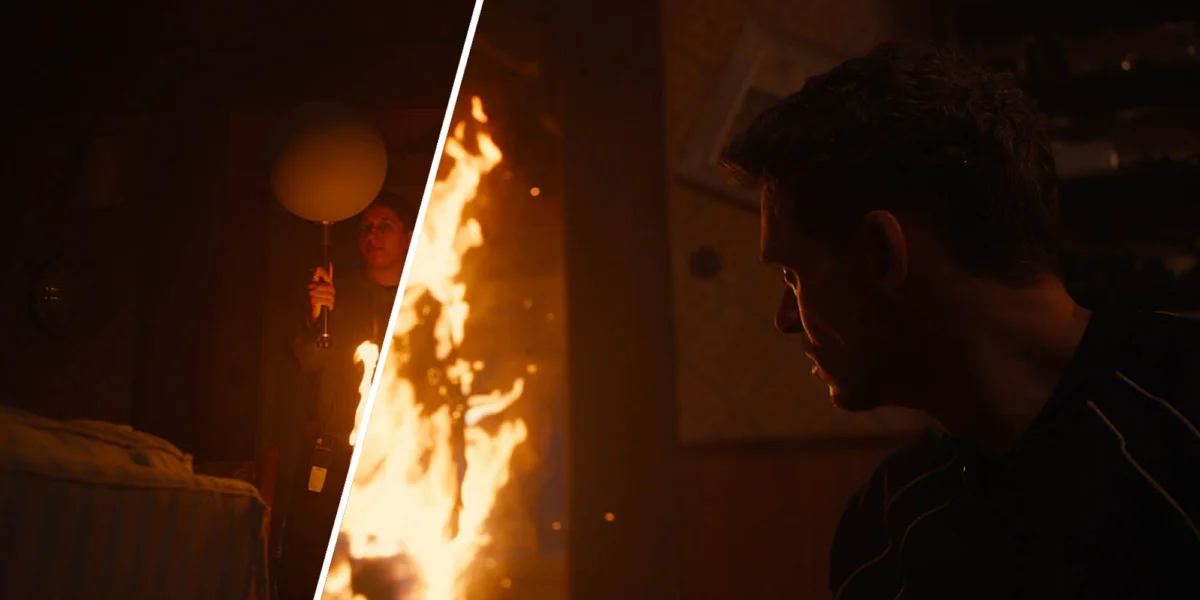
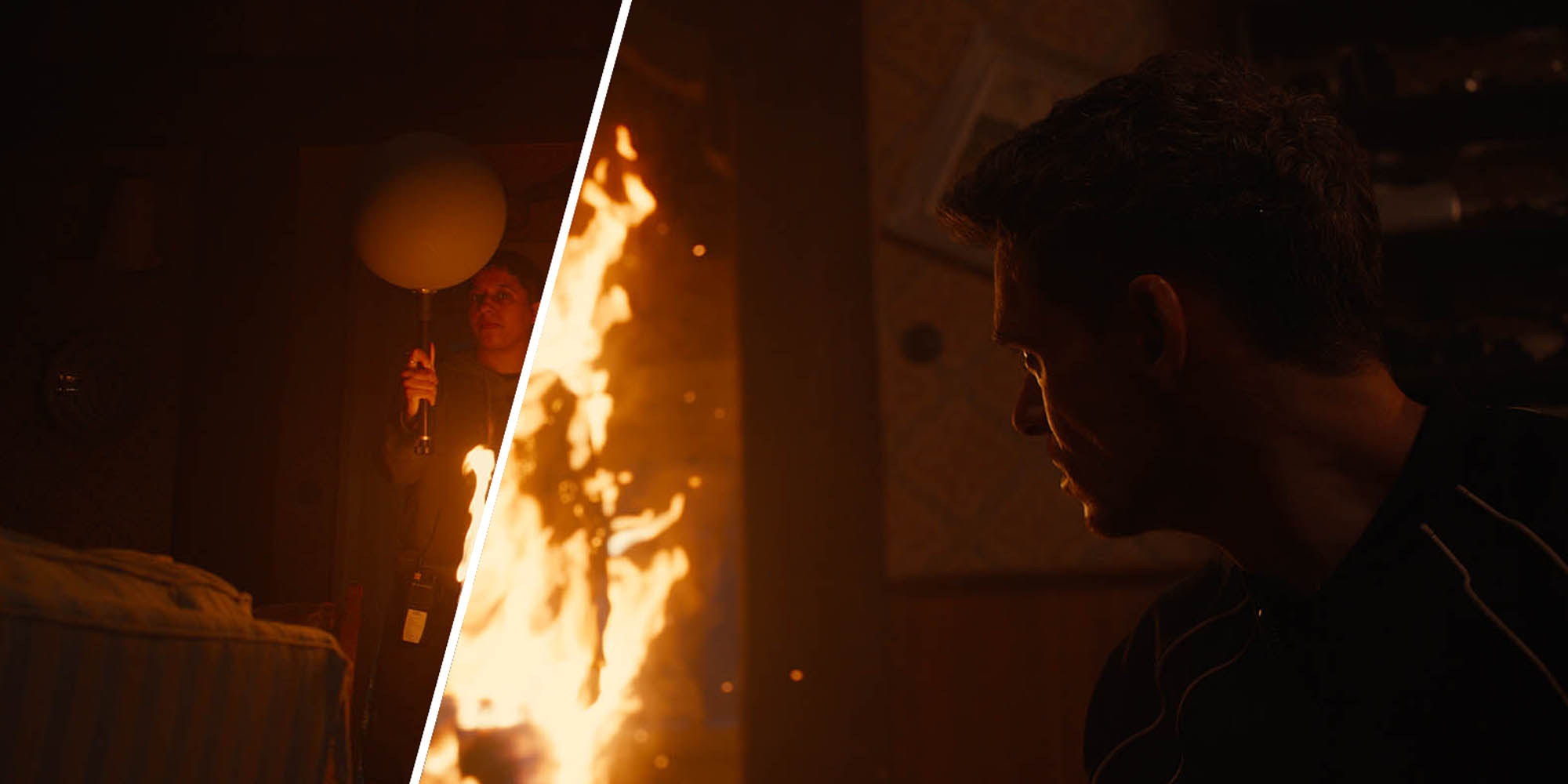
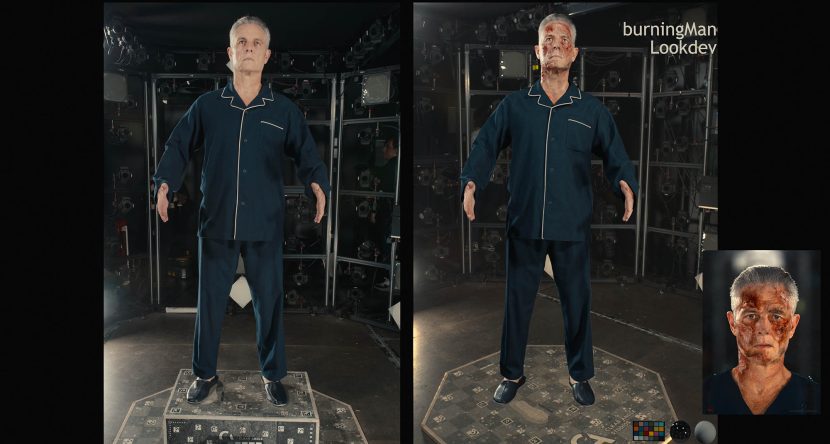
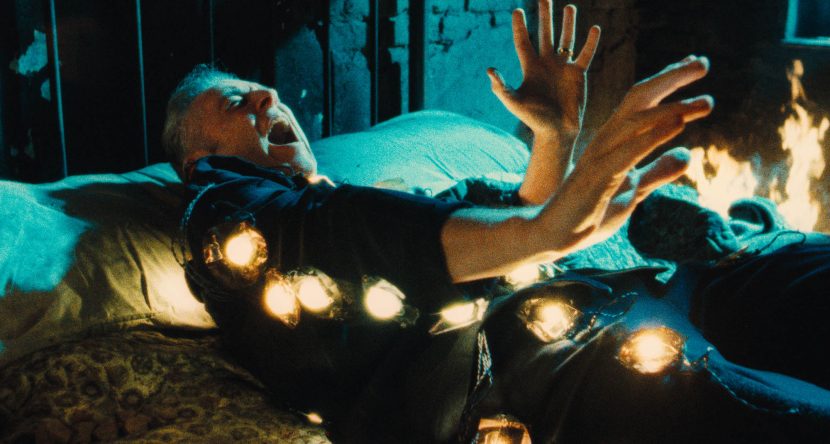
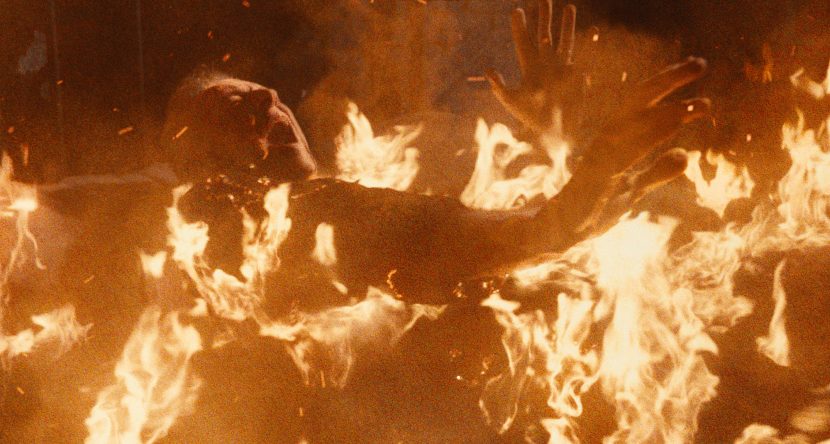
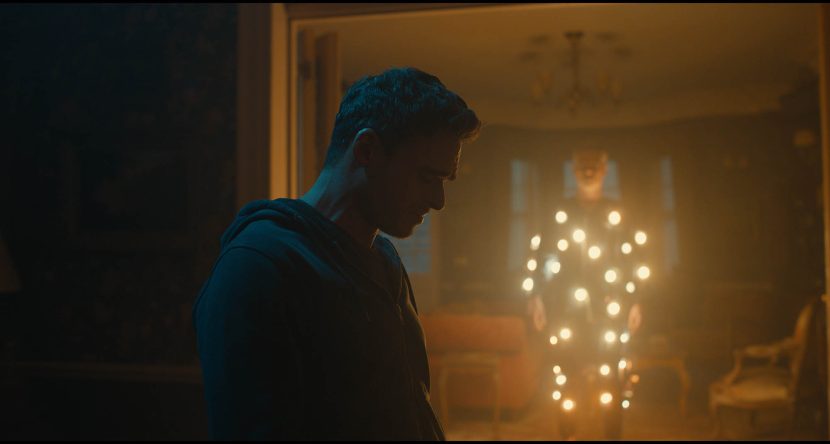
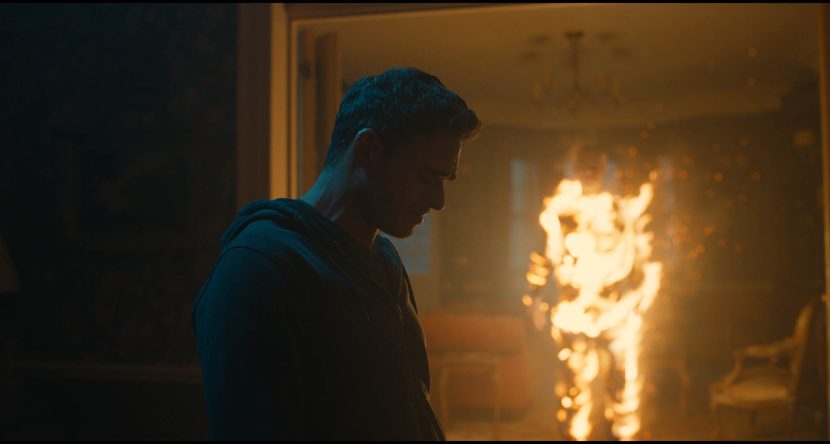
The "Burning Man" Sequence: Featuring Mason’s father, a character constantly enveloped in realistic fire, balancing complex fluid dynamics simulations with absolute respect for the actor’s emotional performance.
The Frankfurt Car Crash: A fully digital vehicle collision sequence built entirely from scratch using pre-visualization, manufacturer crash-test data, and empty background plates, bypassing practical stunt driving entirely.
The 80-Second Continuous Take: A complex technical stitch moving from a drone capture to a Steadicam shot, bridging day-to-night lighting shifts, disparate camera positions, and environmental variations through a hybrid 2.5D projection and full-CG actor takeover.
The G8 Finale Satellite Destruction: A cinematic outer-space climax featuring proprietary Earth renders, zero-gravity orbital physics, and explosive satellite self-destructions that rain debris down toward the atmosphere.
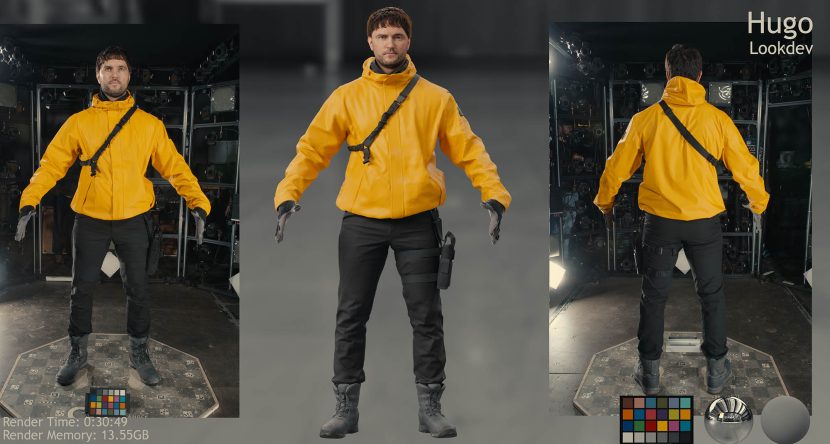
Action Pipeline Enhancements: Extensive digital double work (including the Swedish assassin Hugo), procedural Houdini and element-based muzzle flashes, interactive LED lighting setups on set, and bespoke digital blood simulations.
Chronology: From Pre-Production Planning to Post-Production Polish
Early Collaboration and On-Set Data Capture
DNEG’s involvement in Citadel Season 2 began long before the cameras rolled. Having established a robust creative shorthand during the production of Season 1, Baldwin and Production Supervisor Wesley Froud maintained a continuous dialogue between seasons. This early engagement allowed the visual effects team to advise on best practices for capturing real-world photographic references—particularly for the intricate burning-man sequences and complex environmental scans.
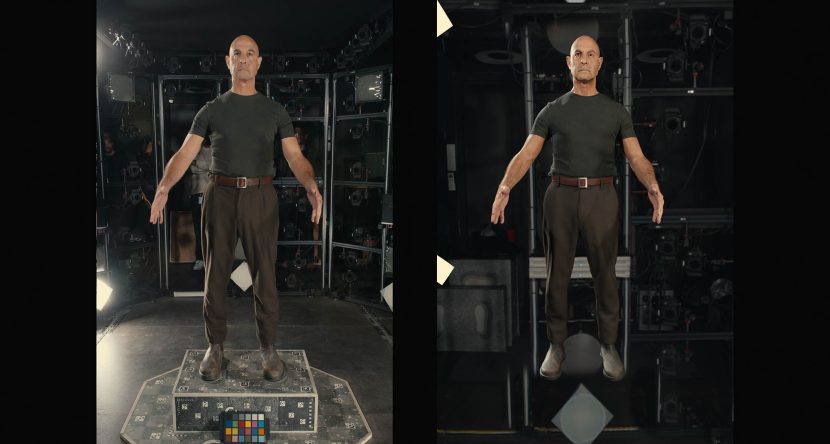
Baldwin personally attended principal photography alongside a dedicated DNEG data capture team. They executed LiDAR scans of extensive environments, such as the full-CG Frankfurt set build, acquired high-dynamic-range imaging (HDRIs) with traditional grey and chrome reference balls, and supervised comprehensive digital scanning sessions for the principal cast and stunt performers.
Pre-Visualization and the Frankfurt Crash
For major action set pieces like the Frankfurt car crash sequence—where the character Abby is abducted—the production adopted a rigorous pre-vis and tech-vis pipeline. Rather than risking unpredictable practical stunts, the team built an extensive reference library of real-world car collisions, drawing heavily on automotive manufacturer crash-test footage to analyze metal deformation, suspension compression, and glass-shattering patterns.
Once the precise choreography was locked via animation pre-vis, the production shot empty background plates matching the planned camera moves, followed by a separate reference pass of the vehicles driven slowly through the frame. This data formed the foundation for DNEG’s heavy Houdini simulations and photorealistic rendering in post-production.
The heavy lifting of final compositing, lighting, and simulation work was distributed across DNEG’s global facilities, with significant oversight in Sydney under the supervision of Renaud Madeline, and layout direction handled by Shailendra Swarnkar. Despite the heavy workload typical of a major streaming series, Baldwin noted that the production leadership consistently afforded the visual effects teams the necessary time and creative runway to refine simulations, balance digital blood integration, and perfect complex camera stitches without feeling artificially constrained by episodic schedules.
Supporting Data & Technical Deep Dives
Engineering the "Father on Fire"
One of the season’s most visually arresting and emotionally charged elements involves Mason’s father, who appears throughout the narrative engulfed in flames. Preserving the emotional nuance of the actor’s performance while layering active fire, smoke, and embers required a hybrid methodology combining practical references, LED interactive lighting rigs, and Houdini FX simulations.
To understand how fabric burns, Froud filmed practical tests setting mannequins alight dressed in the father’s specific pyjama costume. This informed the behavior of embers, smoke density, and flame propagation. Concurrently, the on-set electrical and props teams engineered a custom LED suit worn by the actor during filming. This active lighting rig cast accurate, dynamic interactive light onto the surrounding environment, other cast members, and the actor’s own face.
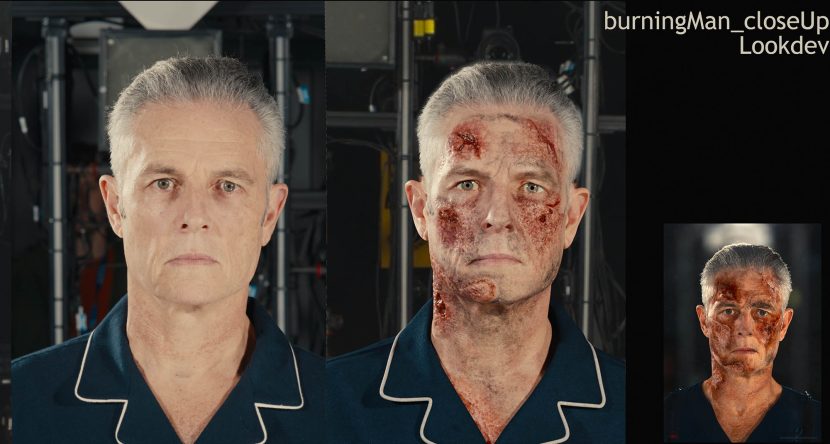
"We went through a concept phase where we explored the amount of burning and scarring we would be adding to the father’s face… We settled on the decision that the flames should not cross his head whenever possible, and changes to his face should be fairly minimal and additive. We agreed to never fully replace his head with CG, so that we’re always respecting the emotional performance." — Daniel Baldwin, DNEG VFX Supervisor
DNEG scanned and body-tracked the actor, building a digital replica of his pyjama suit in CG. Cloth simulation (CFX) ran first to capture realistic fabric movement, upon which singeing and procedural flame simulations were layered. Exposed skin wounds were achieved using digital matte painting (DMP) reprojections tracked meticulously onto the actor’s expressions.
Anatomy of a Car Crash
Vehicle crashes are notoriously difficult to pull off convincingly in visual effects because audiences possess an instinctive, subconscious understanding of physics—mass, suspension travel, tire-to-road contact friction, and complex reflections.
To avoid the common "tells" that betray computer-generated vehicles, DNEG strictly grounded every frame of animation and simulation in real-world reference footage. By leaning heavily on manufacturer crash-test data rather than stylistic imagination, the team accurately translated vehicle weight, momentum distribution, and kinetic energy dissipation into their proprietary vehicle rigs and Houdini simulations.
The 80-Second Continuous Take: Stitching Time and Space
Perhaps the most technically complex sequence of the season is an 80-second continuous tracking shot that seamlessly bridges a drone-captured aerial perspective with a ground-level Steadicam pass.
While the on-set camera operators made every effort to match framing at the planned transition point, post-production intervention became unavoidable due to two major variables: subtle shifts in actor and camera positioning at the stitch point, and dramatic lighting discrepancies caused by capturing the two plates at completely different times of day under natural sunlight.
To solve this, DNEG embarked on a comprehensive digital bridge:
Matchmoving: Both camera takes were meticulously tracked.
Environment Rebuilding: The entire exterior environment was reconstructed in CG as a 2.5D projection on proxy geometry, supplemented by digital matte paintings to fill spatial gaps.
The Hidden Switch: The layout team stitched the cameras in 3D, smoothing the physical move across the transition frames. Simultaneously, the animation team executed a hidden digital takeover of the actor, subtly adjusting shoulder, elbow, and head positions over a minimal frame range to transition him smoothly from Plate A to Plate B.
Cloth & Lighting Continuity: CFX simulations with targeted shot sculpts deformed the actor’s t-shirt creases dynamically. Plate A’s lighting and visual information were reprojected onto the Plate B environment build, maintaining visual continuity until the character steps indoors, where a natural lighting shift inside a doorway provided the final, invisible wipe.
Gunplay, Muzzle Flashes, and Digital Blood
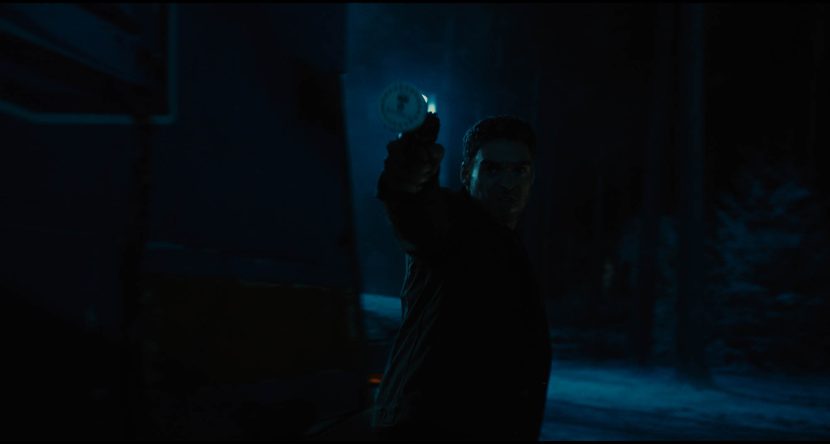
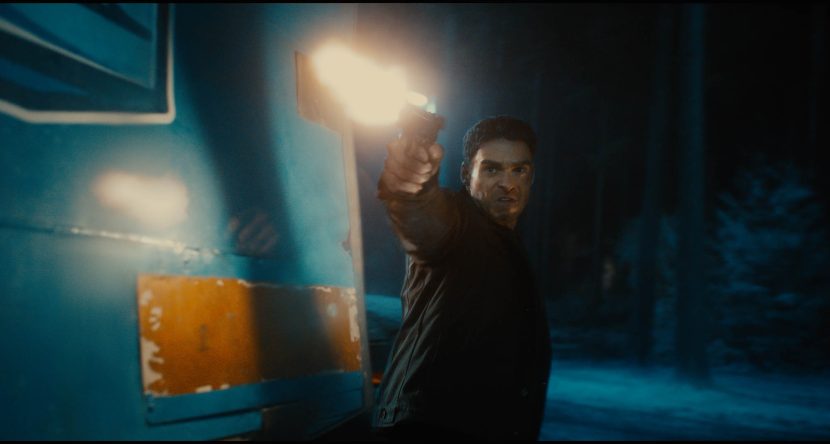
DNEG’s pipeline for muzzle flashes and bullet hits balanced practical elements with procedural simulations. When production parameters allowed—such as in static or locked-off camera setups—the team utilized 2D elements shot on set using the exact firearms featured in the narrative, alongside physical bullet impacts fired into actual set construction materials. However, for dynamic 3D camera moves or extreme lighting scenarios, the team turned to procedural Houdini setups.
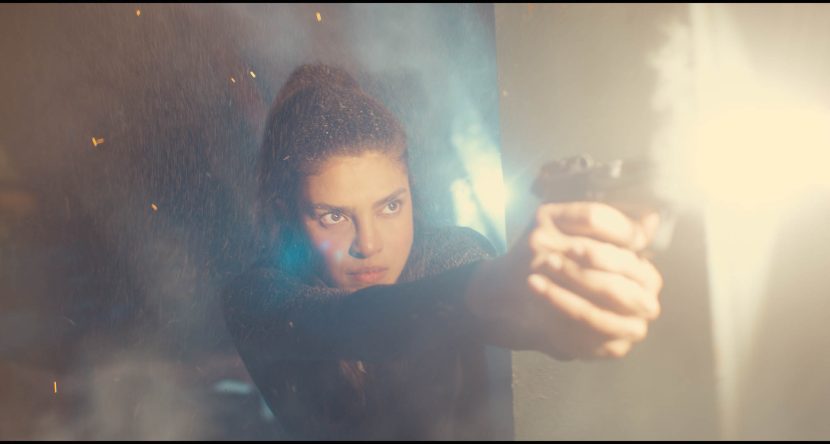
Interactive lighting was preserved on set via LED tips mounted to the ends of the weapons. In post-production, artists prep-out these practical lights, replace the gun barrels with CG asset replicas, and composite the appropriate muzzle flashes.
Digital blood, frequently cited as one of the hardest invisible effects to sell under episodic time constraints, was approached on a shot-by-shot basis. Balancing filmmaker taste, proximity to the camera, and character importance, DNEG avoided a one-size-fits-all formula. Principal characters received rigorous attention to detail—incorporating full digital body scans, multi-iteration simulations, and close comparisons to physical special effects makeup used on adjacent set pieces—ensuring that the violence remained visceral yet grounded.
The G8 Finale: Outer Space and Orbital Scale
The climax of Citadel Season 2 takes viewers beyond Earth’s atmosphere for a high-stakes sequence involving a satellite network self-destructing in orbit.
Leveraging DNEG’s proprietary Earth generation pipeline—which delivers photorealistic terrain, volumetric oceans, and dynamic cloud systems—the VFX supervisors focused heavily on narrative framing, cloud coverage, and cinematic lighting.
Addressing the scientific reality that fire cannot burn in the vacuum of space, Baldwin noted that creative storytelling ultimately took precedence over strict astrophysical accuracy:
"There is no atmosphere in space, so you wouldn’t really see any fire from satellites exploding… We knew this and discussed it early on, but agreed we had to have some recognisable explosions for the audience to quickly understand what’s happening. You could excuse the fire as coming from internal fuel or gases inside the satellites themselves… Once the debris was projected away from the initial explosion, we made sure it continued at a consistent velocity in our FX sims until it began to get pulled towards Earth by gravity."
Official Responses and Industry Implications
The collaborative success of Citadel Season 2 underscores a shifting paradigm in modern television production. By integrating visual effects supervisors and data capture crews at the absolute inception of physical production—fostered by close working relationships between production executives like Wesley Froud, VFX Producer Lisa Kelly, and vendor leads like Daniel Baldwin—productions can mitigate costly post-production reshoots and creative mismatches.
The technical achievements accomplished by DNEG on this season—particularly the complex digital bridge of the 80-second continuous shot and the entirely digital Frankfurt crash sequence—demonstrate that episodic television can successfully deploy feature-film-grade visual effects workflows without sacrificing the emotional integrity of the principal performances.
Implications for the Future of Episodic VFX
As audiences grow increasingly sophisticated, the tolerance for overt, distracting computer graphics continues to shrink. DNEG’s work on Citadel Season 2 highlights the growing industry reliance on "invisible spectacle"—a design philosophy where cutting-edge digital simulations, procedural destruction, and complex matchmoves are deployed not to distract the viewer with gratuitous CGI, but to seamlessly support, ground, and elevate the narrative vision of the filmmakers.
By maintaining strict adherence to real-world physical references—whether studying manufacturer crash-test footage, analyzing the burn patterns of stunt mannequins, or balancing zero-gravity debris physics against atmospheric gravitational pull—DNEG has set a new benchmark for what modern streaming franchises can achieve in the digital realm.