
Blackmagic Design Elevates the Cinema Camera 6K with Major Camera 10.2.2 Firmware Update
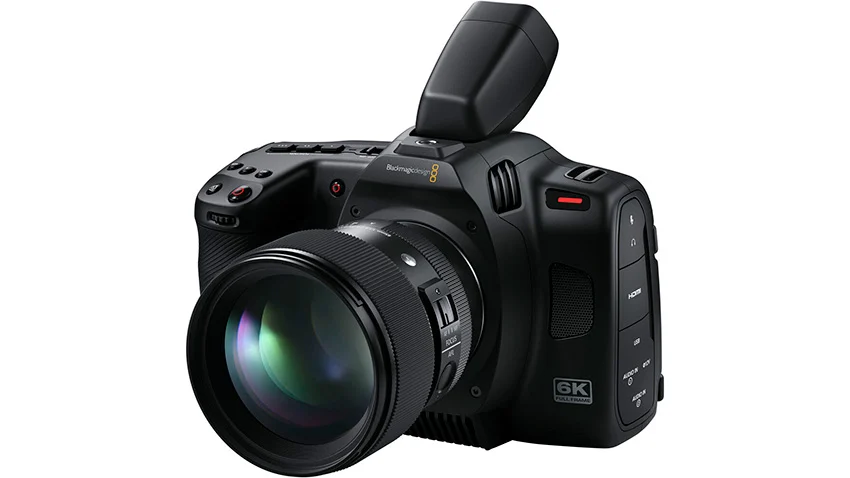
LOS ANGELES, CA — In a move that significantly extends the lifespan and operational versatility of its popular large-format cinema line, Blackmagic Design has officially released the Camera 10.2.2 Update for the Blackmagic Cinema Camera 6K. This major free firmware update brings a robust suite of sophisticated tools—most notably Phase Detect Autofocus (PDAF), Blackmagic Cloud Streaming, four-channel audio recording, and pre-recording capabilities—to the camera’s full-frame ecosystem.
Following on the heels of similar autofocus implementations rolled out for the Blackmagic PYXIS 6K, this new software package bridges the gap between traditional manual-focus cinema workflows and the agile, automated demands of modern solo-operator and fast-turnaround video production. Rather than altering the camera’s core imaging pipeline, the 10.2.2 update supercharges the user experience, delivering advanced assistive technologies directly to current owners and prospective buyers alike.
Main Facts: What the Camera 10.2.2 Update Delivers
The Blackmagic Camera 10.2.2 firmware update is not a minor bug-fix patch; it is a comprehensive feature upgrade that fundamentally expands how operators can interface with the Blackmagic Cinema Camera 6K.
At the center of the release is the integration of Phase Detect Autofocus (PDAF). This advanced focusing mechanism moves beyond legacy contrast-based systems, offering rapid, accurate focal adjustments. Alongside PDAF, the update introduces:
- Continuous Autofocus: Keeps moving subjects sharp without manual intervention.
- Face and Object Detection: Automatically tracks subjects within the frame, reducing cognitive load on the camera operator.
- Advanced Focus Controls: User-adjustable transition speeds, custom shortcut-key assignments for autofocus modes, and the ability to pause continuous autofocus by holding down the focus button.
- Blackmagic Cloud Streaming: Direct integration with Blackmagic’s cloud-based ecosystem for instantaneous proxy and footage uploading.
- Four-Channel Audio Recording: Expanded audio capture capabilities for complex multi-mic setups.
- Pre-Recording (Cache Recording): A safety buffer that captures footage prior to hitting the record button, ensuring unpredictable moments are never missed.
Despite these sweeping additions, the physical hardware remains unchanged. The camera retains its large 36 x 24mm full-frame sensor, native 6K resolution, L-mount lens compatibility, and industry-standard Blackmagic RAW (BRAW) recording capabilities.
Chronology of Development: Bringing PDAF to the Blackmagic Ecosystem
The journey toward advanced autofocus in Blackmagic Design’s cinema line represents a strategic shift for a company historically rooted in traditional, manual-focus narrative filmmaking.
The Manual Focus Legacy
For years, Blackmagic Design cameras—from the original Pocket Cinema Camera series to early 6K variants—relied strictly on manual focus workflows or basic, contrast-detection autofocus pushes. While favored by traditional cinematographers working with dedicated ACs (assistant cameras) and focus pullers, these limitations placed heavy burdens on independent videographers, documentary crews, and solo shooters working in dynamic environments.
The PYXIS 6K Precedent
The turning point arrived with the introduction of the Blackmagic PYXIS 6K box camera, which debuted advanced Phase Detect Autofocus to the brand’s contemporary lineup. Filmmakers immediately recognized the potential of this hardware-software synergy. Industry insiders speculated whether Blackmagic would trickle this technology down to its existing handheld form factors.
The 10.2.2 Deployment
With the launch of Camera 10.2.2, Blackmagic Design has answered those calls. By optimizing the sensor readout and processing power of the Cinema Camera 6K, engineers successfully ported the PDAF algorithms over, validating the company’s commitment to supporting its hardware ecosystem long after initial retail release. This software milestone marks a new era for Blackmagic, proving that high-end cinematic tools can successfully merge with modern computational focusing aids.
Supporting Data & Technical Specifications
To fully understand the impact of the Camera 10.2.2 update, it is essential to examine the underlying specifications of the Blackmagic Cinema Camera 6K and how the new software enhances its technical envelope.
Sensor and Imaging Pipeline
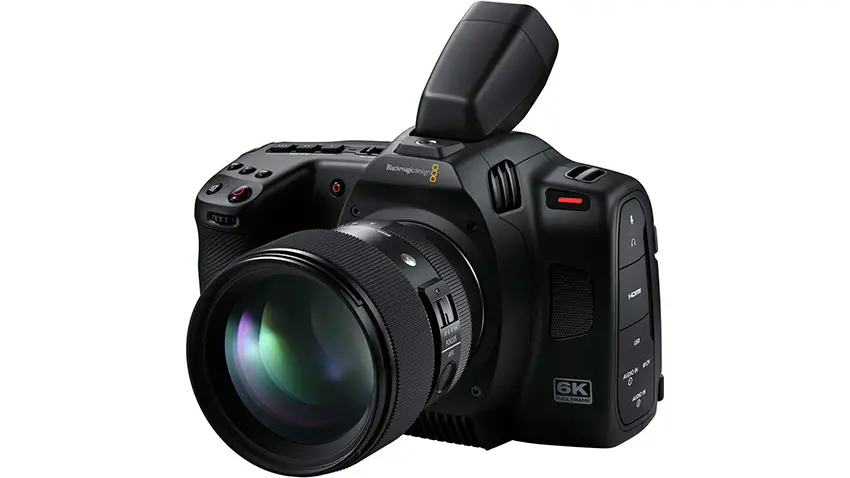
- Sensor Size: 36 x 24mm Full-Frame sensor, allowing for shallow depth-of-field aesthetics and wide-angle performance.
- Resolution: Open Gate 6K (6048 x 4032) up to 36 fps, alongside various windowed 4K and 2K modes at higher frame rates.
- Dynamic Range: 13 stops of dynamic range, preserving highlight and shadow details in complex lighting conditions.
- Lens Mount: Leica L-Mount, offering native compatibility with full-frame L-mount glass as well as extensive adapter possibilities for PL, EF, and vintage lenses.
New Firmware Capabilities (Camera 10.2.2)
- Autofocus Modes: Single, Continuous, Face Detect, and Object Detect.
- Transition Customization: Adjustable focus rack speeds to avoid jarring, unnatural focus snaps.
- Audio Channels: Up to 4 channels of uncompressed audio recording via mini-XLR with phantom power and 3.5mm microphone inputs.
- Streaming Protocols: Direct RTMP/RTSP live streaming and Blackmagic Cloud integration via Ethernet or mobile tethering.
- Pre-Roll Buffer: Adjustable pre-recording cache to capture critical seconds before the trigger is pressed.
Official Responses and Industry Reception
The release of Camera 10.2.2 has generated significant buzz across online filmmaking forums, YouTube creator channels, and professional broadcast circles.
While Blackmagic Design representatives emphasize that the update is designed to "empower creators with greater operational flexibility without compromising cinematic integrity," independent filmmakers have been vocal about the practical implications.
Documentary shooters, event videographers, and indie directors have praised the inclusion of PDAF and face-tracking. For years, many creators loved the color science and dynamic range of Blackmagic sensors but hesitated to deploy them in fast-paced, run-and-gun scenarios where focus pulls had to be executed solo.
Furthermore, workflow integration experts have highlighted the importance of Blackmagic Cloud Streaming. In a post-pandemic production landscape where clients demand instantaneous rushes and remote editing teams require immediate access to proxy files, native cloud connectivity transforms a standalone cinema camera into an active node within a global production pipeline.
Implications for Filmmakers and the Market
The deployment of Camera 10.2.2 has profound implications for both current owners and the broader digital cinema camera market.
For Existing Owners
For filmmakers who have already invested in the Blackmagic Cinema Camera 6K, this update functions essentially as a free hardware upgrade. Without spending a single dollar on new gear, their existing camera gains enterprise-grade autofocus reliability, enhanced audio routing, and cloud connectivity. This drastically extends the utility of the camera, keeping it competitive against newer models released by rival manufacturers.
For Solo Operators and Small Crews
The combination of face detection, continuous autofocus, and pre-recording directly targets the pain points of small-scale productions. A single operator can now capture unpredictable wildlife, fast-moving sports, or dynamic documentary interviews with significantly lower risk of missing focus or mistiming a crucial cue.
Market Positioning
By bridging the gap between traditional cinema workflows and modern automated aids, Blackmagic Design has made the Cinema Camera 6K a formidable competitor in the hybrid and indie cinema spaces. It no longer appeals solely to purists willing to master strict manual focus; it now courts commercial shooters, wedding videographers, and digital content creators who require speed, adaptability, and high-end cinematic output in a single, unified package.
Conclusion
Blackmagic Design’s Camera 10.2.2 Update proves that firmware innovation can be just as impactful as hardware redesigns. By bringing Phase Detect Autofocus, continuous tracking, custom focus transitions, four-channel audio, and cloud streaming to the Cinema Camera 6K, Blackmagic has breathed new life into an already capable full-frame platform.
For current users, it is an essential download that modernizes their kit. For prospective buyers, it solidifies the Cinema Camera 6K as one of the most versatile, feature-rich, and value-driven cinema cameras available on the market today.
