
The Return of the Saiyans: Dragon Ball Super: Beerus Aims to Redeem the Franchise’s Most Controversial Era
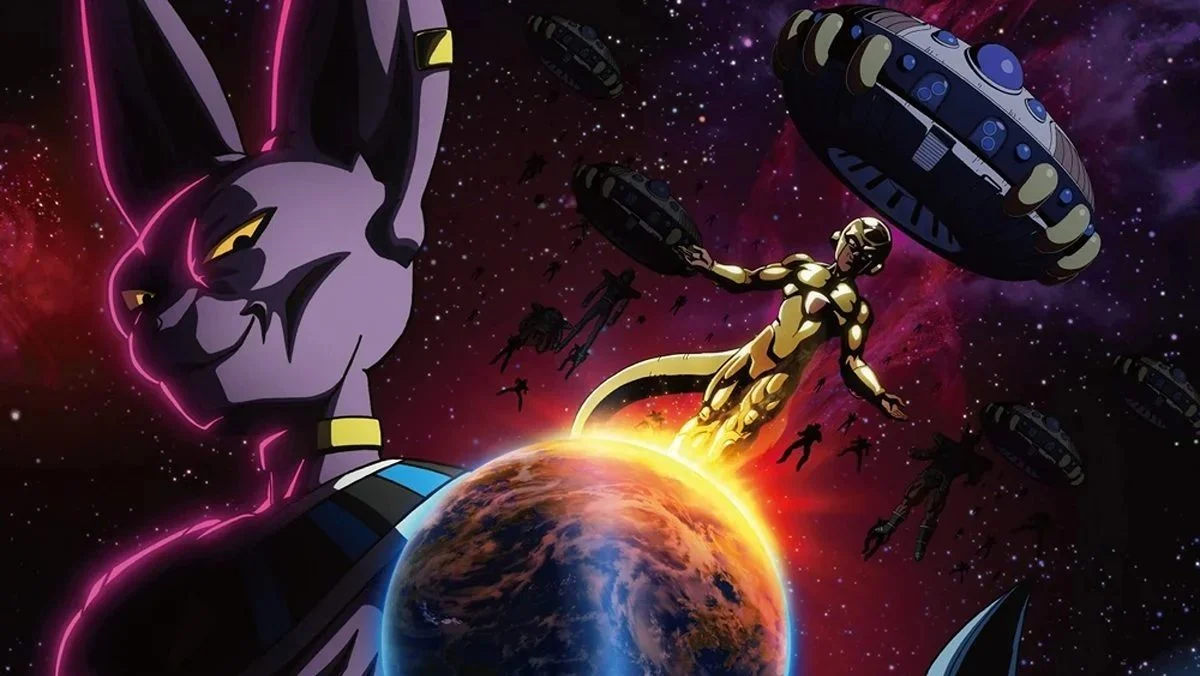
TOKYO — Power up and dust off your scouters, anime fans: Dragon Ball is officially mounting its grand television return. Nearly eight years after the emotional curtain fell on the original 131-episode run of Dragon Ball Super on March 5, 2018—concluding with the unforgettable finale “A Miraculous Conclusion! Farewell, Goku!”—Toei Animation is bringing the legendary franchise back to the small screen.
Announced via a stunning promotional trailer that has set global fandom ablaze, the new project, titled Dragon Ball Super: Beerus, is more than just a simple re-airing. According to Dragon Ball executive producer Akio Iyoku, this is an “enhanced” and thoroughly reconstructed version of the beloved anime. Featuring meticulously redrawn animation for legacy sequences alongside an abundance of newly boarded and animated scenes, Dragon Ball Super: Beerus promises to present Akira Toriyama’s iconic universe looking sharper, richer, and more cinematic than ever before.
For a franchise that has shaped the landscape of global pop culture for nearly four decades, this return marks a monumental milestone. However, it also brings with it a fascinating history of adaptations, revisions, and fan expectations that span across mediums and decades.
Main Facts: What We Know About Dragon Ball Super: Beerus
At its core, Dragon Ball Super: Beerus is a comprehensive visual and narrative overhaul of the foundational arc of the Dragon Ball Super era. Set several years following the harrowing conclusion of the Majin Buu arc—the longest and final narrative block of Dragon Ball Z—Earth is enjoying a rare, hard-earned era of peace.
However, tranquility in the Dragon Ball universe is never built to last. The cosmic balance of the universe is overseen by Beerus, the God of Destruction, who awakens from a prolonged slumber with a specific curiosity on his mind. Upon learning that the mortal Saiyan Goku successfully defeated the interstellar tyrant Frieza, Beerus sets a direct course for Earth. What follows is a sprawling, high-stakes confrontation of cosmic proportions that tests the limits of Goku’s strength and introduces entirely new tiers of divine power.
Key Production Highlights:
- The Format: An episodic television format that reconstructs the original narrative framework.
- The Visuals: A massive upgrade utilizing modern animation techniques. Executive producer Akio Iyoku confirmed that classic scenes are receiving complete visual overhauls, while brand-new sequences are being woven into the narrative fabric.
- Release Window: The series is slated to premiere in Japan on October 12.
- International Distribution: As of press time, neither Toei Animation nor streaming partners such as Netflix have officially confirmed international sub or dub release dates, though global announcements are anticipated in the near future.
Chronology: A History of Iterations, Remakes, and Retcons
To fully understand why Dragon Ball Super: Beerus is generating such intense discussion among critics and longtime devotees, one must look back at the convoluted timeline of how this specific story has been told over the last decade. Dragon Ball has long possessed a complex history of recursive storytelling, but the Beerus saga stands out as a primary example.
1. The Genesis: Dragon Ball Z: Battle of the Gods (2013)
The character of Beerus—alongside his martial arts mentor and attendant, Whis—was first introduced to the world in the theatrical feature film Dragon Ball Z: Battle ofp the Gods, released in Japanese theaters in March 2013. Written under the close supervision of franchise creator Akira Toriyama, the film was praised for injecting fresh theatrical energy, humor, and mythological world-building into a franchise that had been dormant in terms of new animation for years.

2. The First Television Retelling: Dragon Ball Super (2015–2018)
Buoyed by the box-office success of Battle of the Gods (and its 2015 follow-up, Dragon Ball Z: Resurrection ‘F), Toei Animation launched the Dragon Ball Super television series in July 2015. Rather than forging entirely new ground immediately, the anime’s first two major arcs were adapted directly from these recent feature films.
Unfortunately, this transition from film to weekly television production proved catastrophic for the series’ initial quality. Plagued by notoriously tight production schedules and a shortage of experienced animation supervisors, the early episodes—particularly the God of Destruction Beerus and Golden Frieza arcs—suffered from erratic pacing, uninspired direction, and notoriously subpar animation that became the subject of widespread internet ridicule.
3. The Manga Adaptation (2015–Present)
Concurrently, a Dragon Ball Super monthly manga series was launched, illustrated by Toyotarou under Toriyama’s guidance. The manga handled the pacing of the Beerus and Frieza arcs much more succinctly, though it too served as a parallel continuity with distinct storytelling nuances.
4. The Redemption: Dragon Ball Super: Beerus (2026)
Now, nearly a decade after those rocky television beginnings, Toei Animation is stepping back to correct the historical record. Dragon Ball Super: Beerus acts as a direct remediation of the 2015 anime adaptation, utilizing modern production budgets, expanded timelines, and state-of-the-art digital artistry to present the material the way it was always meant to be seen.
Supporting Data: The Economics and Aesthetics of Modern Anime Production
The decision by Toei Animation to revisit and reconstruct past arcs rather than forging ahead into post-Tournament of Power territory highlights a significant shift in contemporary anime production models.
The Shift in Production Quality
During the initial 2015 run of Dragon Ball Super, the television industry was bound by rigid weekly broadcast schedules that frequently compromised visual integrity. In contrast, modern long-running or seasonal franchise revivals operate under more flexible, higher-budget paradigms.
According to promotional materials and early trailer analysis, Dragon Ball Super: Beerus benefits from:
- Advanced Compositing: Modern digital lighting and particle effects that give the cosmic combat a distinct cinematic weight, setting it apart from the flat lighting of the 2015 broadcast.
- Choreographic Expansion: Because the narrative is being reconstructed rather than strictly re-rendered, fight choreography is being expanded to give characters like Vegeta, Gohan, and Piccolo more meaningful screen time and agency during the initial confrontations.
- Fan Sentiment Metrics: Social media engagement following the trailer drop demonstrated an overwhelmingly positive response. Analytics indicate that nostalgic interest combined with promises of high-tier sakuga (high-quality animation) have generated millions of views across platforms within 48 hours.
Official Responses and Industry Perspectives
The announcement of Dragon Ball Super: Beerus has prompted reflections from key figures within the anime production ecosystem regarding the legacy of the franchise and the evolution of its production standards.
Akio Iyoku, speaking on behalf of the production leadership, emphasized that the driving force behind this enhanced release is respect for the fans and the enduring legacy of Akira Toriyama, who passed away in early 2024. Iyoku noted that revisiting these foundational chapters allows the creative team to fully realize the scope of Toriyama’s vision without the severe time constraints that hindered the original 2015 broadcast.
Industry analysts have also weighed in on the "remake culture" currently pervading the anime industry. While some purists express fatigue over franchises repeatedly revisiting familiar arcs—jokingly diagnosing the Dragon Ball fandom with a chronic case of "remaking a remake of a retcon of a manga arc"—financial and cultural analysts point out the undeniable logic behind the move.
With Toei Animation enjoying robust financial health driven by global theatrical releases like Dragon Ball Super: Super Hero and robust merchandise sales, investing in definitive visual versions of foundational milestones ensures that the franchise remains accessible and visually cohesive for younger generations of viewers discovering the series for the first time.
Implications: What This Means for the Future of Dragon Ball
The launch of Dragon Ball Super: Beerus carries significant implications not only for the immediate future of the anime, but for how classic franchises choose to handle their rocky legacy content moving forward.
1. Rectifying Past Missteps
For years, the initial episodes of Dragon Ball Super stood as a glaring blemish on an otherwise stellar animation pedigree. By wiping the slate clean—or rather, painting meticulously over the old canvas—Toei is effectively offering a definitive edition of the series. If Beerus proves successful, it raises the tantalizing possibility that the Golden Frieza arc (and perhaps other divisive segments of the series) could receive similar high-end reconstructive treatments.
2. A Bridge to Brand New Content
While longtime fans are naturally eager to see stories set after the Moro and Granolah arcs from the unadapted manga chapters, establishing a visually stunning, universally acclaimed baseline for the God of Power scale is crucial. Introducing casual and streaming-era audiences to the cosmic hierarchy through a polished lens guarantees a more cohesive foundation as the narrative eventually expands into higher divine tiers.

3. Global Distribution Challenges
The primary shadow hanging over the upcoming October 12 Japanese premiere is the current lack of confirmed international release dates. In an era where global simultaneous releases (simulcasts) are the gold standard for major anime properties, the absence of an immediate announcement regarding English subtitles and dubs has left international fans on edge. However, given Netflix and Crunchyroll’s aggressive investment in major shonen properties, industry insiders expect localized release windows to be locked in shortly.
Conclusion
The legacy of Dragon Ball is built on the simple, immutable joy of watching Goku push past his limits to face insurmountable odds. Despite the narrative labyrinth of movies, television adaptations, manga variations, and timeline retcons, the core appeal of the franchise remains untouched.
Dragon Ball Super: Beerus acknowledges the stumbles of the past while boldly stepping into the future. With breathtaking new visuals, a reconstructed narrative, and the full weight of Toei Animation’s modern resources behind it, the return of the God of Destruction promises to give Akira Toriyama’s legendary universe the definitive adaptation it has always deserved.
As October 12 approaches, the message to the global fandom is clear: dust off your orange Gis, because the Saiyans are back, and they are looking better than ever.
