
Back to Basics: Why the Shorter Runtime of Avengers: Doomsday Might Be Marvel’s Smartest Move Yet
Main Facts: The Blueprint for Doomsday Takes Shape
When it comes to the Marvel Cinematic Universe (MCU), scale has always been the primary currency. Bigger budgets, higher stakes, wider multiverses, and—most notably—longer runtimes have defined the studio’s massive crossover events. However, as the cinematic landscape evolves and audience fatigue becomes an increasingly real hurdle for blockbuster franchises, Marvel Studios appears to be shifting gears.
According to co-director Anthony Russo, the highly anticipated Avengers: Doomsday is currently tracking for a runtime of approximately two and a half hours. Speaking in a recent interview with Fandango (and reported by GamesRadar), Russo shed light on the creative philosophy guiding the production. Rather than sprawling out into the three-hour territory that characterized the franchise’s previous mega-event, Doomsday is leaning into a more disciplined, tightly wound cinematic experience.
"It’s a two-and-a-half-hour movie or so, and you’re sitting through it, and it’s a focused, propulsive narrative that has like an organizing principle at its center, and everything has to orbit around that," Anthony Russo explained. "That’s part of the creative challenge for Joe and I—just figuring out what that orbit is and how it all smashes together."
While post-production remains ongoing ahead of the film’s theatrical release this December, this target runtime offers a clear window into Marvel’s current strategic pivot. By reining in the excess runtime that has occasionally burdened modern blockbusters, the Russo brothers are aiming to deliver a lean, muscular narrative capable of anchoring one of the most complex character rosters in cinematic history.
Chronology of the Crossover: How We Got Here
To understand the significance of the Avengers: Doomsday runtime, it is vital to trace how the franchise’s structural pacing has evolved over more than a decade of storytelling.
Phase 1: The Foundation (2012)
When Joss Whedon assembled Earth’s Mightiest Heroes for the first time in 2012’s The Avengers, the concept of a cinematic universe crossover was still an unproven gamble. Balancing Iron Man, Captain America, Thor, the Hulk, Black Widow, and Hawkeye required immense structural discipline. The resulting film clocked in at a brisk 2 hours and 23 minutes, proving that a massive ensemble could share screen time without collapsing under its own weight.
Phase 2: Expanding the Scope (2015)
Three years later, Avengers: Age of Ultron pushed the boundaries slightly with a runtime of 2 hours and 21 minutes. While critically and commercially successful, the film famously struggled with studio interference and heavy foreshadowing for future installments, highlighting the editorial challenges of maintaining narrative momentum in a shared universe.
Phase 3: The Infinity Saga Peaks (2018–2019)
The stakes shifted dramatically when Anthony and Joe Russo took over the directorial reins for the Infinity Saga’s explosive climax.
- Avengers: Infinity War (2018) ran for 2 hours and 29 minutes, utilizing nearly every minute to weave intersecting subplots across the cosmos before its devastating climax.
- Avengers: Endgame (2019) shattered all previous conventions, pushing the limit to 3 hours and 1 minute. As the culmination of a 22-movie arc, Endgame justified its epic length through exhaustive emotional payoffs and character send-offs. However, it also set a daunting precedent, establishing an expectation that future Avengers films must inherently be monumental endurance tests.
Phase 4 and 5: The Multiverse Sagas and the Road to Doomsday
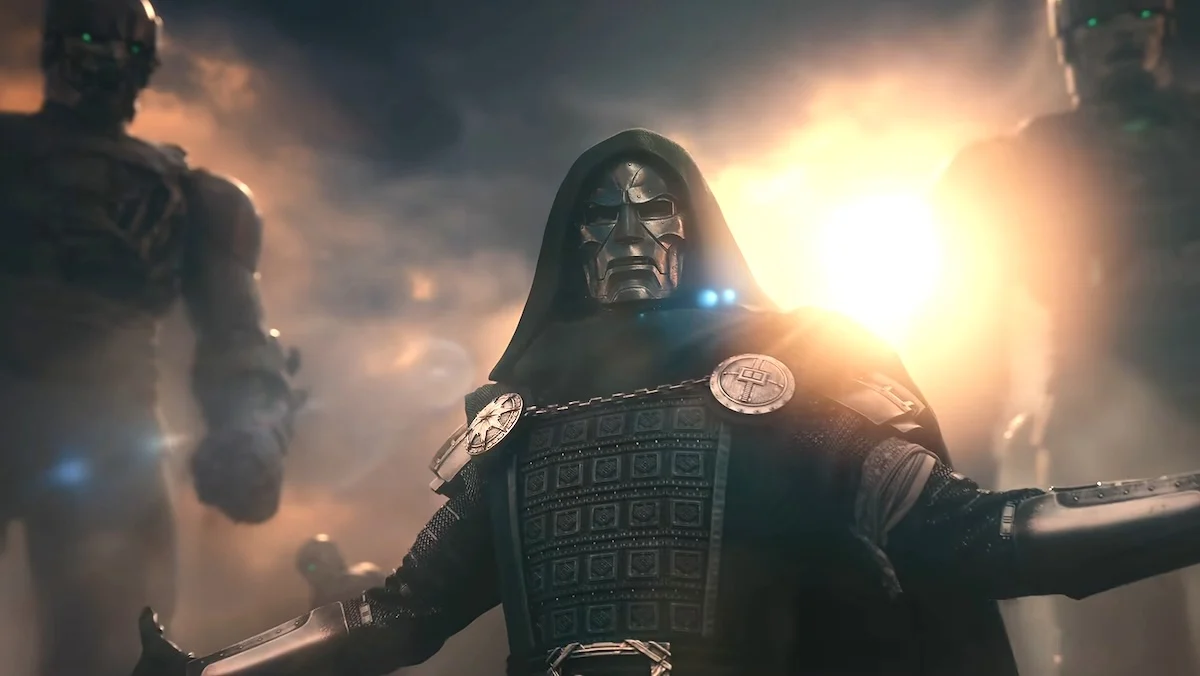
Following the conclusion of the Infinity Saga, the MCU expanded into the Multiverse Saga, experimenting with various tones, streaming series, and standalone sequels. Delays, creative shake-ups, and shifting cinematic landscapes eventually led Marvel back to its most reliable creative assets: the Russo brothers and iconic comic book antagonists. With Avengers: Doomsday, the franchise is deliberately looking backward to the tighter structural pacing of the early days, while introducing a brand-new primary threat in Victor von Doom.
Supporting Data: Comparing the Runtimes of the MCU
To contextualize where Avengers: Doomsday sits within the broader cinematic universe, a direct comparison of the franchise’s core team-up films provides a clearer picture:
| Film Title | Release Year | Runtime | Directors |
|---|---|---|---|
| The Avengers | 2012 | 2 hours, 23 minutes | Joss Whedon |
| Avengers: Age of Ultron | 2015 | 2 hours, 21 minutes | Joss Whedon |
| Avengers: Infinity War | 2018 | 2 hours, 29 minutes | Anthony & Joe Russo |
| Avengers: Endgame | 2019 | 3 hours, 1 minute | Anthony & Joe Russo |
| Avengers: Doomsday | 2026 (Expected) | ~2 hours, 30 minutes | Anthony & Joe Russo |
As the data illustrates, Endgame is clearly the statistical outlier in the franchise. With the exception of the 2019 epic, every single Avengers film has hovered comfortably in the 140-to-150-minute range. In this light, the Doomsday runtime is not an anomaly; rather, it is a return to historical franchise norms.
Official Responses and Creative Challenges
The announcement of a two-and-a-half-hour runtime has sparked widespread discussion across entertainment journalism and fan communities alike. The creative team’s openness about the structural challenges of writing and directing Doomsday reveals an acute awareness of modern audience expectations.
Anthony and Joe Russo, widely celebrated for handling massive ensemble casts in films like Captain America: Civil War and Avengers: Infinity War, have emphasized that length does not equal depth. In crafting a narrative centered around a unifying "organizing principle," the directors are tasked with trimming unnecessary narrative fat to ensure the audience remains fully engaged from the opening frame to the credits.
Industry analysts have pointed out that managing a two-and-a-half-hour window forces screenwriters to prioritize tight plotting, rapid exposition, and efficient character integration. When dealing with complex comic book lore—particularly the introduction of Doctor Doom and the intricate mechanics of multiversal incursions—every single scene must serve a dual purpose: advancing the plot while deepening the emotional core of the characters involved.
Furthermore, studio executives at Disney and Marvel Studios are likely paying close attention to theatrical turnover rates. A tighter runtime allows theaters to schedule more daily screenings, potentially maximizing box office returns while accommodating modern viewing habits that favor focused, fast-paced storytelling over sprawling epics.
Implications: What This Means for Doomsday and Secret Wars
The decision to cap Avengers: Doomsday at roughly two and a half hours carries profound implications for both the immediate future of the MCU and the trajectory of subsequent projects—most notably, its direct sequel, Avengers: Secret Wars.
1. A Relief for Audiences and Exhibitors
In recent years, modern blockbusters have steadily crept past the two-and-a-half-hour mark, occasionally straining audience endurance and limiting daily theater screening slots. By keeping Doomsday within a more traditional runtime, Marvel is offering a cinematic experience that respects the viewer’s time while still delivering the spectacle expected of an Avengers banner. This should alleviate anxieties among fans who worry about overstuffed narratives or pacing issues.
2. Narrative Focus over Bloat
By committing to an "organizing principle" that anchors every character and sub-plot, the Russo brothers are signaling a departure from the multi-pronged, sprawling chaos that occasionally hampered Phase 4 and Phase 5 projects. A tighter script leaves less room for meandering side-quests, forcing the story to move with relentless momentum.
3. The Shadow of Secret Wars Looms Large
While Doomsday is taking a more streamlined approach, the question remains: what happens when the franchise reaches Avengers: Secret Wars?
Given that Secret Wars is expected to adapt one of the most massive, reality-bending crossover events in comic book history—reportedly taking place on Battleworld and featuring an unprecedented roster of characters from across decades of Marvel cinema—it is difficult to imagine how it could possibly fit into a standard runtime. If Doomsday acts as the focused, propulsive setup, industry insiders are already speculating that Secret Wars could reclaim the throne of the three-hour (or longer) epic, serving as the ultimate, unrestrained grand finale to the Multiverse Saga.
Ultimately, Avengers: Doomsday represents a calculated balancing act: maintaining the monumental scale of a crossover event while exercising the discipline of classic Hollywood storytelling. If the Russo brothers can successfully channel their narrative ambition into a focused two-and-a-half-hour package, it might just be the creative revitalization the Marvel Cinematic Universe needs.
