
The Future of Interactive Entertainment: From High-Speed Galactic Racing to AI-Driven Game Creation
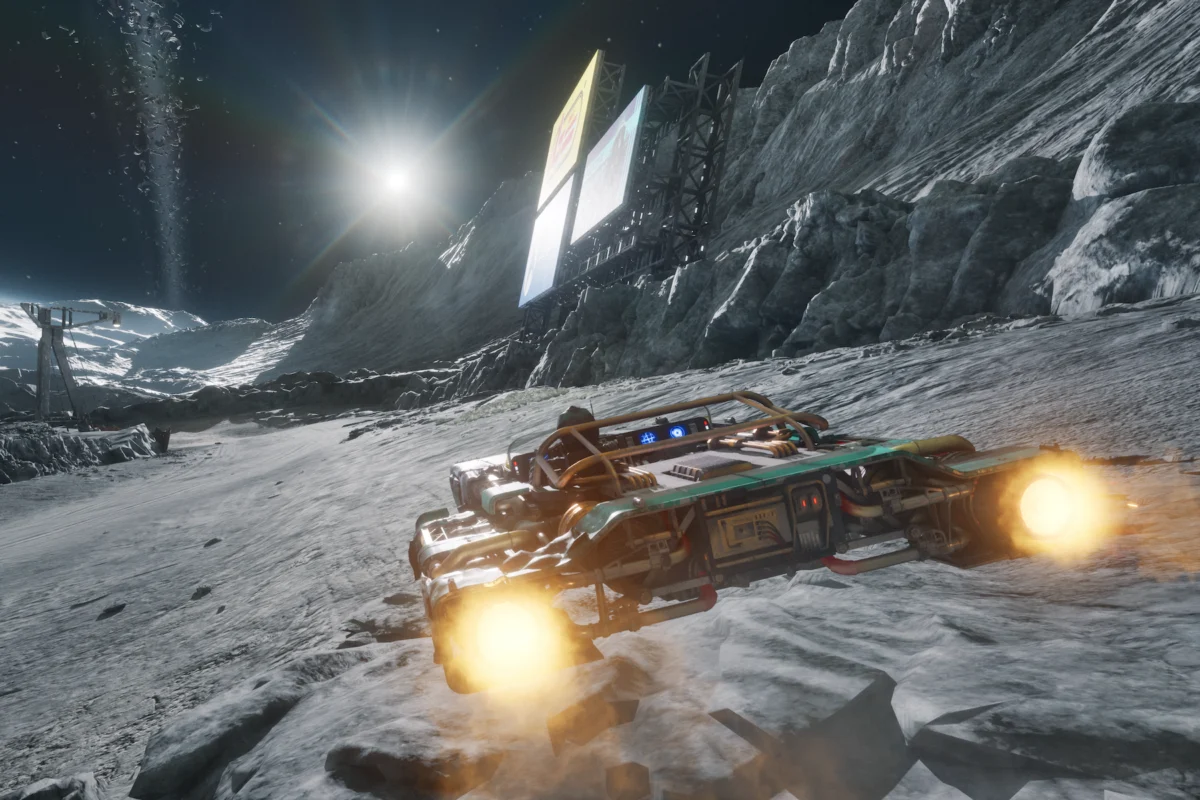
The landscape of interactive media is undergoing a profound transformation. As technology bridges the gap between hardware limitations and creative accessibility, developers and platform holders are simultaneously pushing the boundaries of high-fidelity gaming and democratizing the tools of production. From the launch of Star Wars: Galactic Racer on Amazon Luna to the ambitious roadmap for the RuneScape franchise and Google’s foray into generative game creation, the gaming industry is currently in a state of rapid, expansive evolution.
I. Main Facts: The Launch of Star Wars: Galactic Racer
The most significant headline in the gaming sphere this week is the worldwide release of Star Wars: Galactic Racer. Developed by Fuse Games—the seasoned studio behind the adrenaline-fueled Burnout and Need for Speed franchises—the title promises to redefine the racing genre within the Star Wars canon.
The game places players in the pilot seat of various repulsorcraft, competing in a high-stakes, unsanctioned racing circuit known as the "Galactic League." Orchestrated by the mysterious figure Darius Pax, this league serves as the backdrop for the game’s primary narrative. Players assume the identity of "Shade," a lone racer driven by a dual-purpose quest: the pursuit of glory and the bitter sting of revenge. The racing action is set against a backdrop of iconic and rugged Star Wars locales, including the sprawling ship graveyards of Jakku, the icy terrains of Ando Prime, and the industrial landscape of Sentinel I.
Simultaneous with its release on PlayStation 5, Xbox Series S/X, and PC, the game has made a landmark debut on Amazon’s cloud-gaming service, Luna. This integration marks a significant milestone for Amazon, as it represents a "day-and-date" release—a strategy that ensures cloud gamers are no longer relegated to secondary status, waiting weeks or months for ports.
II. Chronology: A Week of Industry Milestone Movements
The current week has been characterized by a flurry of announcements that signal a shift in how games are developed, accessed, and played.
- Monday: Fusebox Games announced The Traitors: Interactive Game, a mobile adaptation of the hit television show. The game allows players to assume roles like "The Chameleon" or "The Outspoken Leader" to navigate 12 days of social deduction and strategy.
- Weekend: Jagex held its annual "RuneFest 2026," unveiling a massive content roadmap for the RuneScape franchise, including a new MMO built in Unreal Engine.
- Mid-Week: Google unveiled "Playground," an experimental, browser-based engine designed to allow users to build games through conversational AI prompts.
- Thursday–Sunday: New York Comic Con hosts a series of high-profile collaborations, including the debut of a limited-edition trading card set featuring Zara Larsson and the Winx Club fairies, produced by Kayou.
III. Supporting Data: The Expanding Ecosystem of Gaming
The data surrounding these developments reveals a broader strategy to capture diverse market segments.
The Luna Integration
Jeff Gattis, head of gaming at Amazon, highlighted the strategic importance of the Star Wars: Galactic Racer launch. "We’ve always believed Luna players deserve to be in the action from day one," Gattis noted. For Amazon, the value proposition is clear: by leveraging the Prime ecosystem, they are removing the friction of hardware ownership and lengthy downloads. By allowing Prime members to access the single-player campaign at no additional cost, Amazon is effectively positioning Luna as a primary portal for high-end gaming rather than a secondary utility.
Jagex’s Long-Term Vision
The announcements from RuneFest 2026 emphasize the longevity of legacy IP. With RuneScape approaching its 25th anniversary, Jagex is betting on a multi-pronged approach. The upcoming as-yet-unnamed MMO in Unreal Engine aims to merge the "community-led spirit" of the original title with modern 3D technology. Complementing this is the "RuneScape Reignited" event, starting December 2, which will offer free access to the full experience for a ten-day window, a classic strategy to boost player retention and acquisition.
The Rise of Conversational Game Design
Google’s "Playground" represents perhaps the most disruptive technological leap this week. By utilizing a conversational interface, the barrier to entry for game development is effectively obliterated. The platform allows users to build, refine, and publish games without a single line of code. Furthermore, the planned integration with "Unity Spark" suggests that Google is looking to create a bridge between amateur creativity and professional-grade mechanics, allowing users to "graduate" from simple prompt-based games to complex 3D environments.
IV. Official Responses and Industry Sentiment
The reception to these announcements has been largely positive, reflecting an industry-wide push toward accessibility.
Regarding the Traitors adaptation, Fusebox Games CEO Terry Lee stated: "Our history is built on story-based, choice-driven games that put players in control, making the deceit and strategy of The Traitors a natural fit. We’re giving fans the chance to step out of the audience and take a seat at the table."
The sentiment surrounding the RuneScape news is one of calculated ambition. By mapping out a schedule that extends through 2027—including the "Hoard of Dragons" sequel, the "City of Gnomes" narrative, and the "Blood Crystal Saga"—Jagex is signaling stability to its long-term user base, which remains one of the most dedicated communities in the MMO space.
V. Implications: What This Means for the Future of Gaming
The convergence of these events suggests three major trends that will define the next decade of interactive entertainment:
1. The Death of the "Second-Class" Cloud Player
With the successful day-and-date launch of Star Wars: Galactic Racer on Luna, the cloud gaming industry is moving past its "proof of concept" phase. The implication is that major publishers no longer view cloud gaming as a niche platform but as a vital pillar of their release strategy. This parity is essential for the normalization of cloud gaming as a primary way to play.
2. The Democratization of Development
Google’s "Playground" and the potential for Unity Spark integration point toward a future where "gaming" is not just a form of media consumption, but a form of expression. When game creation becomes as simple as typing a text prompt, the volume of content will explode. This mirrors the transition of the music industry into the era of home studios, where high-quality output became accessible to the masses. The challenge for the industry will shift from how to build games to how to discover and monetize the best content in an ocean of user-generated titles.
3. The Power of "Legacy" IP and Transmedia
The collaboration between Zara Larsson, Winx Club, and Kayou at New York Comic Con, alongside the adaptation of The Traitors into a game, underscores the immense value of intellectual property. Gaming is no longer an isolated vertical; it is the center of a transmedia web. Brands are finding that the most effective way to engage younger audiences is to turn passive viewing experiences—like reality TV or music videos—into active, participatory gaming experiences.
4. Community-Driven Roadmaps
Jagex’s 2026-2027 roadmap is a masterclass in community management. By tying new content to legacy quests (like the gnome storyline dating back to 2002), they are weaponizing nostalgia. The implication for other developers is clear: in an era of endless live-service competition, the most successful games will be those that honor their history while leveraging modern engines to provide a "Reignited" experience.
Conclusion
As we look toward the remainder of 2026 and into 2027, the gaming industry is clearly shifting toward a model that prioritizes immediate access, user agency, and deep-seated community connections. Whether it is the high-octane thrills of Star Wars: Galactic Racer, the deep, lore-rich updates for RuneScape, or the experimental creative freedom offered by Google’s "Playground," the common thread is the removal of barriers. The gatekeepers are falling, and the era of the active, creative participant has truly begun.
For the average consumer, this means more choices, more ways to engage with their favorite stories, and—most importantly—the power to stop being just a spectator and start being a creator.
