
Behind the Pinging Walkie-Talkie: How Real-Life Location Scouting Shaped Paula González-Nasser’s Feature Debut, “The Scout”
Main Facts
In the high-pressure ecosystem of film and television production, few departments absorb as much daily chaos, eccentric human behavior, and grueling logistics as the locations team. For writer and director Paula González-Nasser, those grueling hours on the asphalt—navigating endless parking tickets, unscripted tenant disputes, and the unpredictable whims of property owners—became the ultimate training ground.
González-Nasser has transitioned up the industry ladder from her early days as a unit production assistant (PA), locations scout, and locations coordinator to helm her debut feature film, “The Scout.” Distributed by Greenwich Entertainment, the film offers an intimate, authentic glimpse into the invisible labor required to bring a script to life.
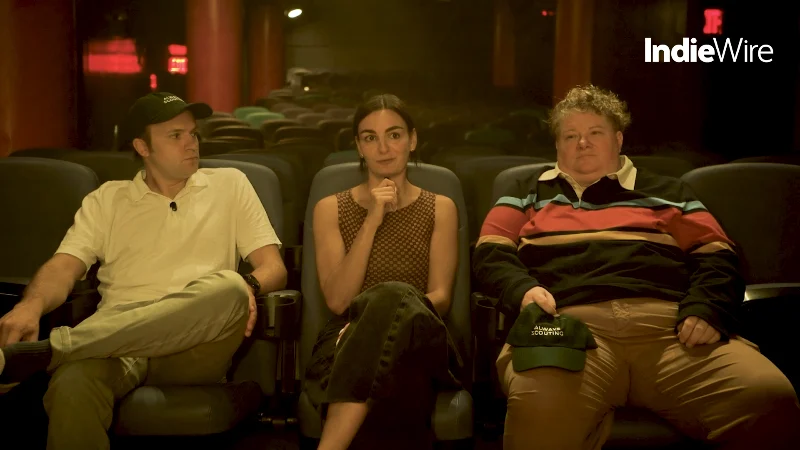
Starring Mimi Davila as Sofia, a dedicated young location scout racing against the clock to secure apartments for a network television pilot while trying to keep her personal life afloat, The Scout captures the frantic, unglamorous reality of the job. Ahead of the film’s theatrical release and screenings at cultural institutions like the Film Forum, González-Nasser sat down alongside veteran New York City locations managers Julie Sage and Hayden Dunham to dissect the fine art, psychological endurance, and crushing logistics of scouting spaces in and around New York City.
Chronology: From the Asphalt to the Director’s Chair
The journey from wrangling angry landlords to calling the shots behind the camera is rarely straightforward. For González-Nasser, the trajectory mirrors the traditional, hard-earned ascent through the below-the-line ranks of the film industry.
- The Early Ranks: González-Nasser began her career on the ground level, working as a unit PA. In this role, she learned the foundational rules of set etiquette, crowd control, and equipment staging.
- The Scouting Trenches: She later transitioned into location scouting and coordination. It was during these years that she accumulated a mental Rolodex of bizarre anecdotes—such as being trapped in an apartment by a landlord intent on sharing 9/11 conspiracy theories, or dealing with a property owner on the set of The Last OG who demanded a face-to-face confrontation with star Tracy Morgan.
- Shaping the Creative Vision: Rather than shedding these exhausting experiences, González-Nasser channeled them into her writing. The daily trials of the job formed the narrative spine of The Scout, which views the entire filmmaking process through the lens of spatial discovery.
- The Directorial Debut: With The Scout, González-Nasser steps firmly into the director’s chair, utilizing her firsthand knowledge of production logistics to craft a narrative that honors the often-overlooked architects of visual storytelling.
Supporting Data: The Hidden Logistics of New York Filmmaking
Shooting a film or television project in a metropolis as dense and dynamic as New York City requires an encyclopedic knowledge of geography, municipal bureaucracy, and architectural versatility. According to industry veterans Julie Sage and Hayden Dunham—whose collective credits range from independent gems like High Maintenance and Search Party to massive prestige projects like Billions, And Just Like That…, and Transformers—the job oscillates wildly between high-end luxury and gritty realism.

The Spectrum of New York Spaces
“New York really has a huge spectrum of high-end places and then much lower-end places,” Sage explained to IndieWire. “You can be in a junkyard one day, and the next day you’re scouting suites at The Plaza. So I think that’s a really cool part of the job: seeing so much that New York has to offer on locations.”
Beyond the architectural whiplash, locations teams are granted rare, restricted access to the city’s hidden infrastructure. “You also get to see New York when no one’s watching,” Sage added, recalling overnight shoots on Ellis Island that offered private, nocturnal tours of historic landmarks devoid of tourists.
The Industry Standbys: Courts, Jails, and Hospitals
While audiences might believe every courtroom, holding cell, or hospital ward depicted in a New York-set procedural looks unique, veterans know that production convenience often trumps novelty.
“Any courthouse scene filmed in New York, it’s the Bronx Courthouse pretty much every time. It’s the same courtroom for every single show or movie that’s ever shot here,” Dunham noted. When a script calls for a correctional facility or medical emergency, the options narrow even further. “For jails, it’s the same two jails. The same hospital—Metropolitan Hospital.”
Sage points out the pragmatic reasons behind these repeating choices: “They have a wing they don’t use, and it looks contemporary. They’ll let you shoot there all the time.”

Versatile Event Spaces
When standard municipal buildings won’t suffice, locations teams rely on a tried-and-true roster of film-friendly commercial and private properties. Venues such as La Capitale on the Bowery or Castle Gould at the Sands Point Preserve are legendary among location managers for their structural adaptability. With the right dressing, a single versatile ballroom can double as a high-end corporate gala, a posh wedding reception, or even a professional fighting arena.
However, before artistic discussions about lighting and set design can even begin, teams must conquer the logistical nightmare of funneling 100 to 200 crew members, heavy grip trucks, and catering setups into a single space without disrupting the surrounding neighborhood.
Official Responses and Industry Insights
The release of The Scout has sparked a broader conversation within the independent film community regarding the foundational importance of location work. Filmmakers and crew members alike are beginning to acknowledge that a project’s visual identity relies entirely on the spaces it inhabits.
“Scouting is the first seed for me,” González-Nasser emphasized during her discussion with IndieWire. “How I look at a space and what’s there kicks the ideas off in my head. If anything, I have more appreciation for locations after directing this movie because we were so in it from the beginning, scouting spaces, but also seeing this character go through her day, you’re reminded of how much work it is, but also how special of a job it is.”
Industry veterans echo this sentiment, framing location management not merely as a logistical hurdle, but as an indispensable pillar of cinematic art.
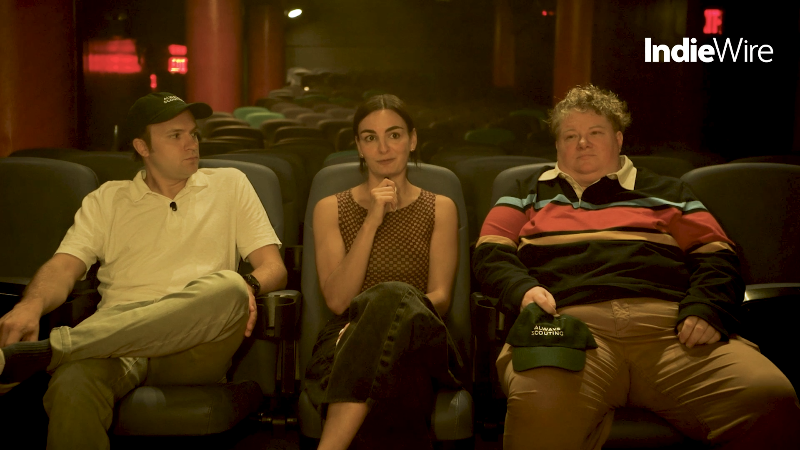
“A cinematographer can’t do their job if they don’t have a great location,” González-Nasser noted. “A production designer can’t do anything without a great location. It’s such a pillar of the script coming to life.”
Implications for the Industry
The success and thematic focus of The Scout carry significant implications for how below-the-line film workers are represented in cinema. For decades, movies about the entertainment industry have focused primarily on glamorous directors, tortured method actors, or high-rolling studio executives. By shifting the narrative microscope downward to focus on a location scout, González-Nasser validates the daily heroism of production foot soldiers.
Furthermore, as production costs rise and municipal permitting grows increasingly complex in major hubs like New York City, the expertise of veteran location managers and scouts becomes more valuable than ever. Films like The Scout remind audiences that every cinematic illusion—from a quiet Brooklyn brownstone conversation to a sweeping crime drama in a municipal courthouse—rests on the shoulders of professionals who know how to navigate the unscripted chaos of the real world.
“The Scout” is currently screening in select theaters.
