
The King Returns: Evaluating Godzilla Minus Zero and the Evolution of the Kaiju Epic
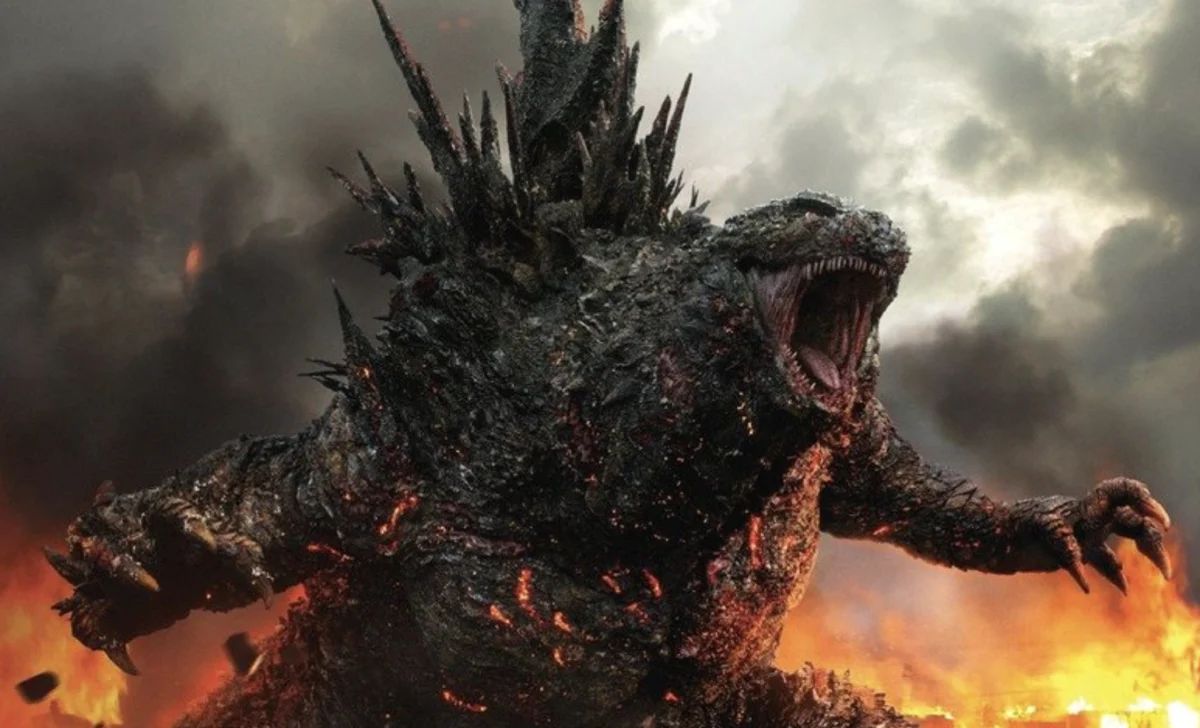
In the annals of cinematic history, few franchises have demonstrated the longevity and cultural elasticity of Toho’s Godzilla. Following the global phenomenon that was 2023’s Godzilla Minus One, director Takashi Yamazaki has returned to the director’s chair with Godzilla Minus Zero. While the film aims to capitalize on the critical and commercial success of its predecessor—which famously secured the franchise its first Academy Award—the result is a complex, often uneven exploration of post-war trauma, familial duty, and the spectacle of planetary-scale combat.
Main Facts: A Sequel to a Modern Masterpiece
Set in 1949, two years after the events of Minus One, Godzilla Minus Zero positions itself as an immediate thematic and narrative successor. The film picks up in the fragile, rebuilding landscape of post-war Japan, where the survivors of the original Godzilla encounter are attempting to reclaim some semblance of normalcy.
The central narrative hook involves the arrival of King Ghidorah, the legendary three-headed dragon—though, in a departure that has sparked significant discourse among fans, the film introduces a singular-headed iteration of the creature. This creative choice serves as an early indicator of Yamazaki’s intent: to escalate the stakes beyond the grounded, singular-threat survival horror of the first film into a high-octane, cosmic kaiju brawl.
The film sees the return of the core ensemble cast: Ryunosuke Kamiki as the haunted pilot Koichi, Minami Hamabe as the resilient Noriko, and Hidetaka Yoshioka as the brilliant engineer Kenji Noda. The narrative tension is fueled by a simple, if somewhat repetitive, premise: how do you move forward when your hard-won peace is threatened by monsters that defy the laws of physics?
Chronological Context: The Shadow of 1947
To understand the weight of Godzilla Minus Zero, one must look at the trajectory set by Godzilla Minus One.
- 1947: The setting of Minus One, where a defeated Japan faces the dual trauma of war and the emergence of an atomic apex predator.
- 1948: A period of reconstruction, largely off-screen, where the survivors attempt to integrate back into a society that is trying to forget the horrors of the Pacific conflict.
- 1949: The present timeline of Minus Zero. The film opens with a sudden, devastating dragon attack in Matsumoto, which serves as the inciting incident that drags the former "defense force" back into the fray.
The transition from the 1947 timeline to 1949 is marked by a shift in tone. While the first film focused on the internal psychological decay caused by survivor’s guilt, Minus Zero attempts to externalize this guilt through the physical manifestation of Ghidorah. However, the pacing of this transition is one of the film’s most criticized elements, as the recruitment and planning sequences lack the urgent, life-or-death momentum that defined the predecessor.

Supporting Data: Technical Mastery vs. Narrative Drag
The technical achievements of Godzilla Minus Zero are, by all accounts, peerless. The VFX work, overseen by Yamazaki’s team, continues to push the boundaries of what is possible with a mid-budget production.
The Visuals and Audio Experience
- Monster Physics: The film succeeds in translating gargantuan weight into believable on-screen motion. The "heft" of the monsters is palpable, a detail that is expected to be amplified in the upcoming IMAX release.
- Score: Composer Naoki Sato returns with a score defined by sharp, shrill strings that elevate the sense of dread during the Matsumoto attack.
- Action Sequences: The combat is described as "unpredictable mayhem." A particularly notable sequence involving an homage to The Wizard of Oz provides a surreal, imaginative flair that stands out against the otherwise grey, industrial battlegrounds.
The Human Element
The critical consensus suggests a disconnect between the film’s technical brilliance and its human drama. While Minus One successfully anchored its monster-focused narrative in the intimate, relatable struggles of a makeshift family, Minus Zero struggles to evolve these characters.
The character arcs for Koichi and Noriko are often circular. In the first film, Koichi’s arc was about accepting the duty to survive. In this sequel, his motivation is strictly protective—a "family-first" ideology that, while earnest, results in repetitive dialogue and scenes that feel like they are merely stalling for the next monster appearance.
Official Responses and Creative Direction
Director Takashi Yamazaki has been vocal about his desire to explore the "escalation of spectacle." By introducing Ghidorah, he has clearly signaled a move toward the classic Toho "Vs." formula, albeit filtered through his signature dramatic lens.
Critics have noted that the film feels "constrained" by the very morals it seeks to promote. The film’s heavy-handed sentimentality is intended to mirror the emotional catharsis of Minus One, but without the freshness of the original’s premise, it often veers into melodrama. When Noriko, for example, undergoes a major character shift within the span of a single scene, it highlights a lack of narrative precision that was notably absent in the first film.
Implications: The Future of the Toho Kaiju Franchise
The release of Godzilla Minus Zero carries significant implications for the future of the franchise. It poses a fundamental question: Can a Godzilla film successfully balance the "human drama" requirement with the "monster brawl" expectations of a global audience?

1. The "Waiting for Monster Fights" Syndrome
One of the most damning criticisms of Minus Zero is its pacing. While Minus One was praised for its tight, character-driven tension, Minus Zero occasionally falls into the trap of being a film where the human scenes are merely bridges to the action. For a franchise that is currently at its creative peak, this represents a regression.
2. The Danger of Sentimentality
The film’s reliance on the same emotional beats as the first installment suggests a "sequel fatigue" in the writing. The "rigid morals" Yamazaki employs—specifically the focus on traditional family unit preservation—are beginning to feel like a stylistic ceiling rather than a foundation.
3. The Gold Standard of Visuals
Despite the narrative critiques, the film cements the idea that Toho is now the undisputed leader in high-quality kaiju VFX. The ability to make a single-headed Ghidorah feel like a credible, world-ending threat is a testament to the VFX department’s ingenuity. The commercial success of this film will likely hinge on the IMAX experience, where the sheer scale of the destruction is expected to draw in audiences regardless of the script’s shortcomings.
Conclusion: A Step Backward or a Necessary Experiment?
Godzilla Minus Zero is a paradox. It is a visually breathtaking, technically superior piece of cinema that delivers some of the most imaginative monster action in recent memory. Yet, it is burdened by a script that refuses to let its characters grow, opting instead to retread the emotional ground of the first film with less impact.
As a standalone entry, it serves as a thrilling ride for fans of the genre. As a successor to the Academy Award-winning Minus One, it serves as a cautionary tale: even the King of the Monsters cannot carry a film on spectacle alone. For future installments, the franchise must decide whether it wants to continue exploring the intimate, messy human experience or lean entirely into the "let them fight" ethos that has sustained the genre for decades.
Ultimately, Godzilla Minus Zero is a reminder that while the monsters may evolve and grow larger, the heart of the story—the human connection—must also evolve, lest it be crushed under the weight of the very titans it seeks to depict.
