
The Hidden Gem: Why Elizabeth Olsen’s "Sorry for Your Loss" Deserves a Second Life
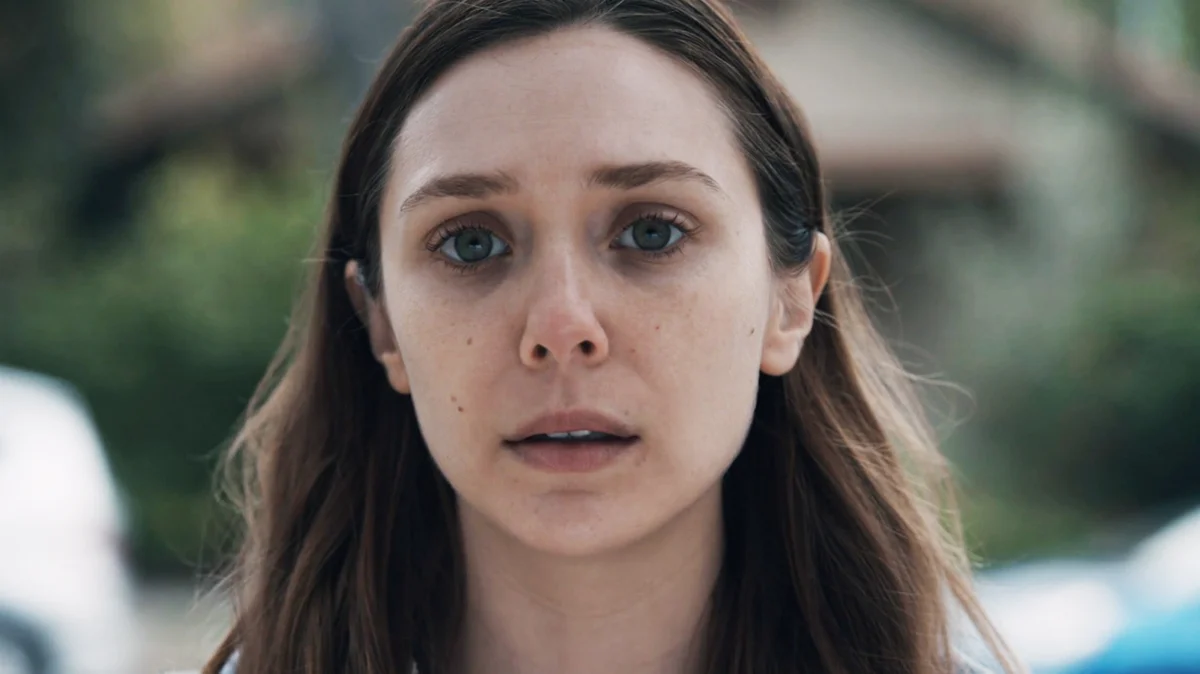
In the hyper-competitive landscape of the "streaming wars," where platforms like Netflix, Max, and Disney+ command billions in annual content spend, it is easy for high-quality productions to vanish into the digital ether. Few series have suffered this fate more unjustly than Sorry for Your Loss, a poignant, critically acclaimed drama that served as the flagship scripted endeavor for the now-defunct Facebook Watch. While the platform itself has been relegated to the annals of Silicon Valley history, the series—anchored by a career-defining performance from Elizabeth Olsen—remains a masterclass in the exploration of human grief. Now, thanks to its availability on Prime Video, audiences have a second chance to discover this overlooked masterpiece.
The Genesis of an Unlikely Prestige Drama
To understand the trajectory of Sorry for Your Loss, one must first contextualize the ambitious, if ill-fated, ambitions of Facebook Watch. Launched in 2017, the video-on-demand service was Mark Zuckerberg’s attempt to pivot the social media giant toward original entertainment. The strategy was clear: leverage the platform’s massive user base to create a social viewing experience. However, the service became better known for celebrity-driven reality shows, such as Red Table Talk with Jada Pinkett Smith and various short-form viral experiments.
Amidst this landscape of unscripted content, creator Kit Steinkellner—a playwright with a sharp, empathetic voice—pitched a project that felt inherently suited to the medium. Originally developed as a project titled Widow for Showtime, the narrative found its home at Facebook. Steinkellner’s reasoning was poignant: Facebook is, after all, the modern digital cemetery and town square where we announce births, marriages, and, inevitably, the passing of loved ones. The thematic alignment between the platform’s nature and the show’s exploration of loss was serendipitous.
A Narrative of Unflinching Authenticity
Sorry for Your Loss centers on Leigh Shaw, portrayed with devastating vulnerability by Elizabeth Olsen. Following the sudden death of her husband, Leigh is forced to navigate the agonizing, non-linear stages of grief. The series avoids the melodramatic pitfalls common in television dramas, opting instead for a grounded, quiet realism.
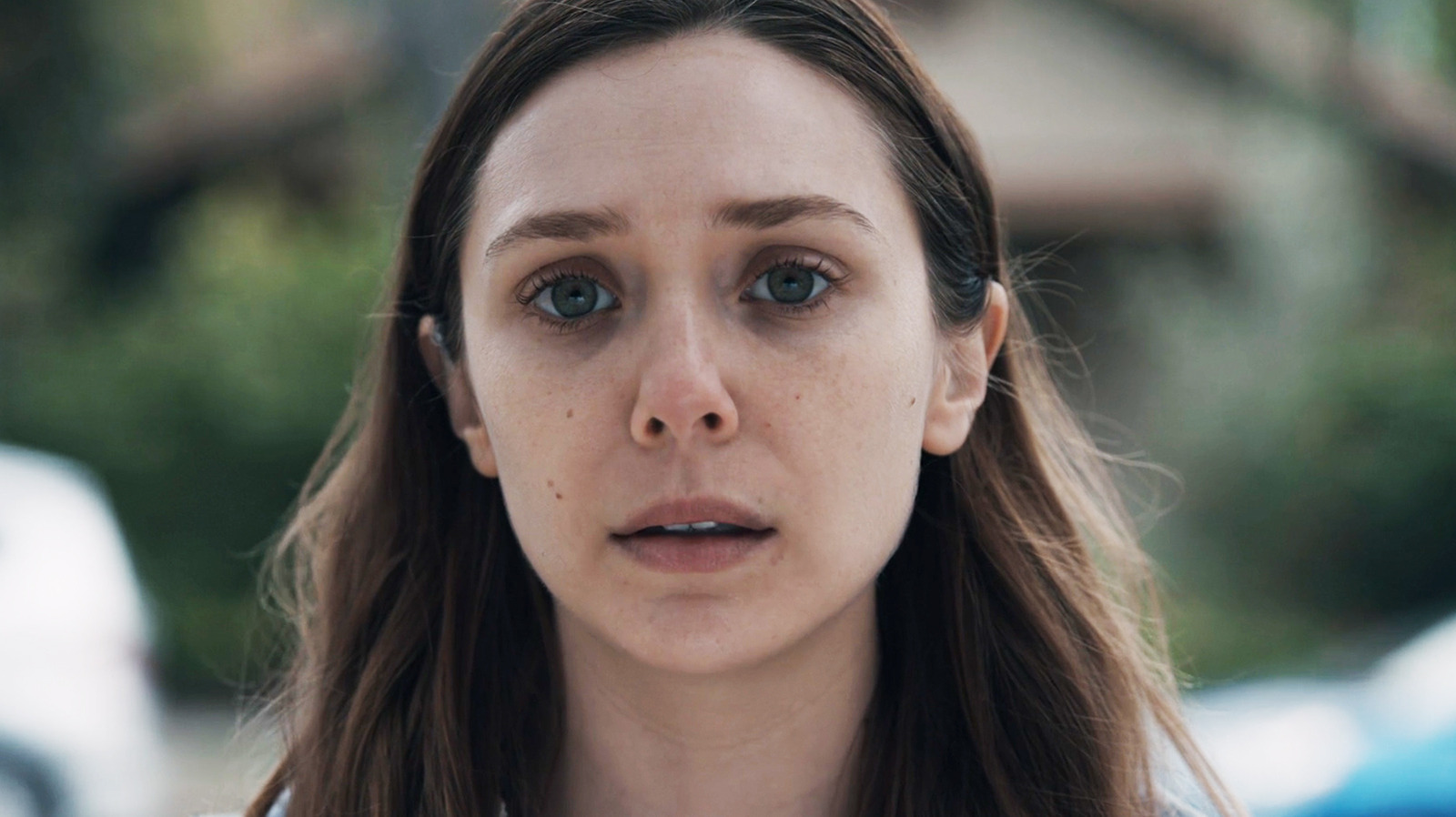
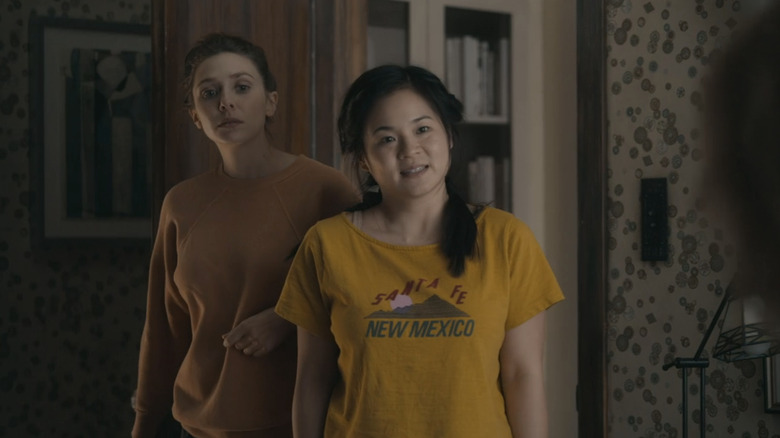
The story follows Leigh as she moves back in with her mother, Amy (Janet McTeer), and her sister, Jules (Kelly Marie Tran). The dynamic between the three women serves as the emotional bedrock of the show. Kelly Marie Tran, fresh off her pivotal role in the Star Wars sequel trilogy, delivers a nuanced performance as Jules, a recovering alcoholic struggling to support her sister while battling her own demons.
The show’s brilliance lies in its refusal to offer easy answers. It explores the "unpleasant" sides of mourning—the anger, the confusion, the jealousy, and the startling realization that we never truly know everything about the people we love. Through a series of flashbacks and present-day interactions, the audience slowly pieces together the husband’s secret life, transforming the show from a simple character study into a compelling, slow-burn mystery.
Chronology of a Cult Classic
The series debuted on September 18, 2018, with director James Ponsoldt—known for his work on The Spectacular Now—at the helm. The release strategy was unconventional, mirroring the episodic consumption habits of the time, with 20 half-hour episodes split across two seasons.
- September 2018: Sorry for Your Loss premieres on Facebook Watch to immediate critical acclaim. It is hailed as an "auspicious start" for the platform’s scripted aspirations.
- November 2019: The second season concludes. Despite being a critical darling, the show faces an uncertain future as Facebook pivots away from expensive, high-concept scripted drama.
- 2020–2023: The series enters a period of relative obscurity as Facebook Watch begins its slow decline, eventually shuttering entirely as the company shifted focus toward the Metaverse and AI initiatives.
- Present Day: The series is licensed to Prime Video, finally allowing the show to reach a broader audience outside of the gated community of Facebook’s video ecosystem.
Critical Reception and Industry Impact
When Sorry for Your Loss hit the airwaves, the critical response was nothing short of glowing. It holds an elite status on review aggregator Rotten Tomatoes, with both seasons boasting near-perfect scores—a rarity in television history.
Critics praised the show’s ability to bypass "schmaltz" and sentimentality. As noted by Lucy Mangan in The Guardian, the series felt "absolutely authentic." Emily St. James of Vox highlighted its emotional acuity, noting that it was a rare piece of art that felt "fully formed" from the very first episode.
The industry took note of the show’s high quality, yet it remained a commercial enigma. While it garnered awards buzz and critical accolades, it was tethered to a platform that lacked the infrastructure and cultural cachet of established streaming giants. Its cancellation in 2019 was not a reflection of its quality, but rather a casualty of a corporate strategy that prioritized "engagement metrics" and low-cost unscripted content over prestige storytelling.
Implications: The Fragility of Digital Content
The story of Sorry for Your Loss serves as a sobering reminder of the fragility of digital content. In the era of cloud-based distribution, shows are at the mercy of shifting corporate agendas. When Facebook decided that its future lay in "Meta AI" and short-form video, scripted dramas like Sorry for Your Loss were discarded as non-essential assets.
The broader implication for television history is the risk of "digital black holes." If a show is produced exclusively for a platform that ceases to exist, it risks disappearing entirely from the cultural consciousness. The migration of Sorry for Your Loss to Prime Video is a rare, happy ending in the world of media distribution. It suggests that even in an age of ruthless content pruning, quality work eventually finds a home.
Why You Should Watch It Now
For those who know Elizabeth Olsen only through her role as Wanda Maximoff in the Marvel Cinematic Universe, Sorry for Your Loss provides a stark, necessary contrast. It highlights her range as a performer—her ability to convey grief with a mere glance and to hold the screen with a quiet, simmering intensity.
Furthermore, the show stands as a testament to the talent of creator Kit Steinkellner and the supporting cast, including the underutilized Kelly Marie Tran. It is a show that invites the viewer to reflect on their own experiences with loss, community, and the secrets we keep from those closest to us.
In a streaming landscape often cluttered with reboots, high-budget fantasy epics, and reality show fluff, Sorry for Your Loss offers something refreshingly human. It is a reminder that the best television doesn’t always come from the biggest budgets or the loudest marketing campaigns; sometimes, it comes from a quiet, honest attempt to document what it means to be alive—and what it means to survive the people we have lost.
As it finds its new audience on Prime Video, Sorry for Your Loss is finally getting the recognition it was denied during its initial run. It is not just a "must-watch" for fans of Elizabeth Olsen; it is essential viewing for anyone who appreciates television that is brave enough to sit in the darkness of grief and emerge with a profound sense of grace.
