
Unlocking New Perspectives: GoPro and PolarPro Address Focus Limitations with New Mission 1 Diopters
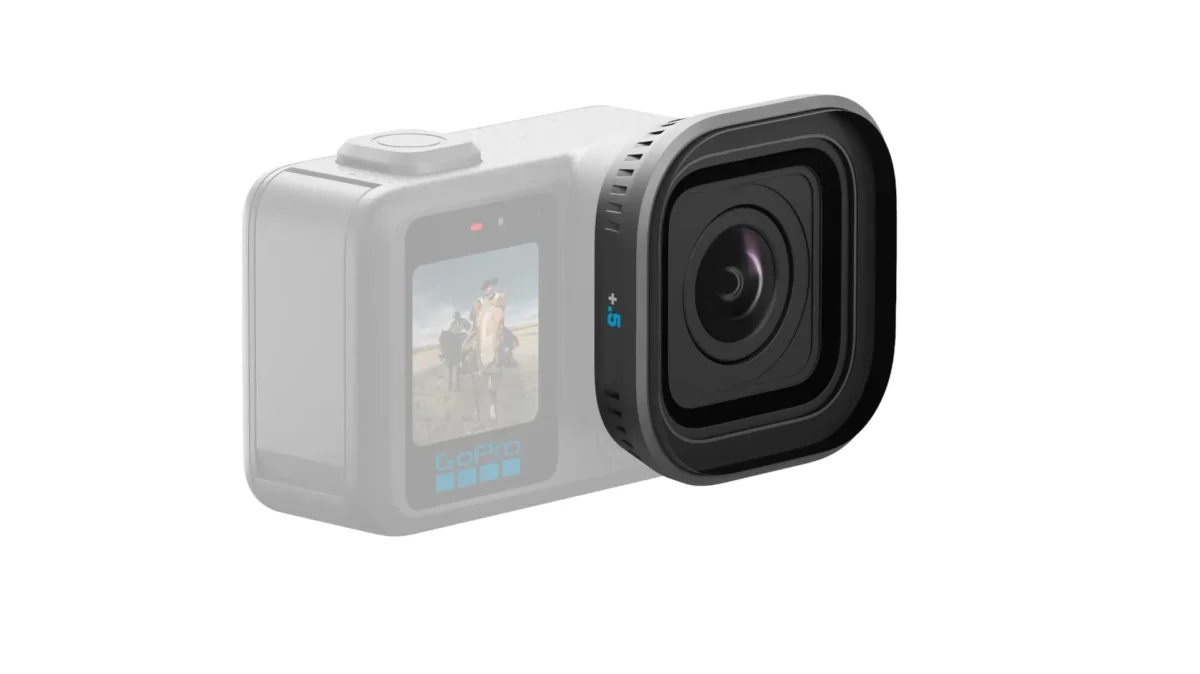
In the world of action cinematography, the introduction of a larger sensor is typically cause for universal celebration. When GoPro unveiled its Mission 1 series, the inclusion of a 1-inch sensor promised (and delivered) a significant leap in dynamic range, low-light performance, and overall image fidelity. However, this hardware advancement introduced a subtle, yet frustrating, trade-off: a shift in the camera’s minimum focus distance. With the Mission 1 series, the camera’s native focus began at 60 cm (24 in), rendering many classic close-up "action-selfie" shots and intimate interior compositions blurry or unusable.
Addressing this feedback directly, GoPro has partnered with renowned optics manufacturer PolarPro to release a suite of professional-grade close-up diopters. These accessories, designed specifically for the Mission 1 and its various iterations, aim to bridge the gap between high-end sensor performance and the versatility required by creators who need to get up close and personal with their subjects.
Main Facts: The New Optical Arsenal
The new Close-Up Filter collection consists of three distinct strengths, each crafted from optical-grade, multi-coated glass to ensure that no sharpness or light transmission is sacrificed. These filters are not mere plastic attachments; they are engineered to maintain the integrity of the Mission 1’s image pipeline.
The collection is available in two distinct purchasing formats:
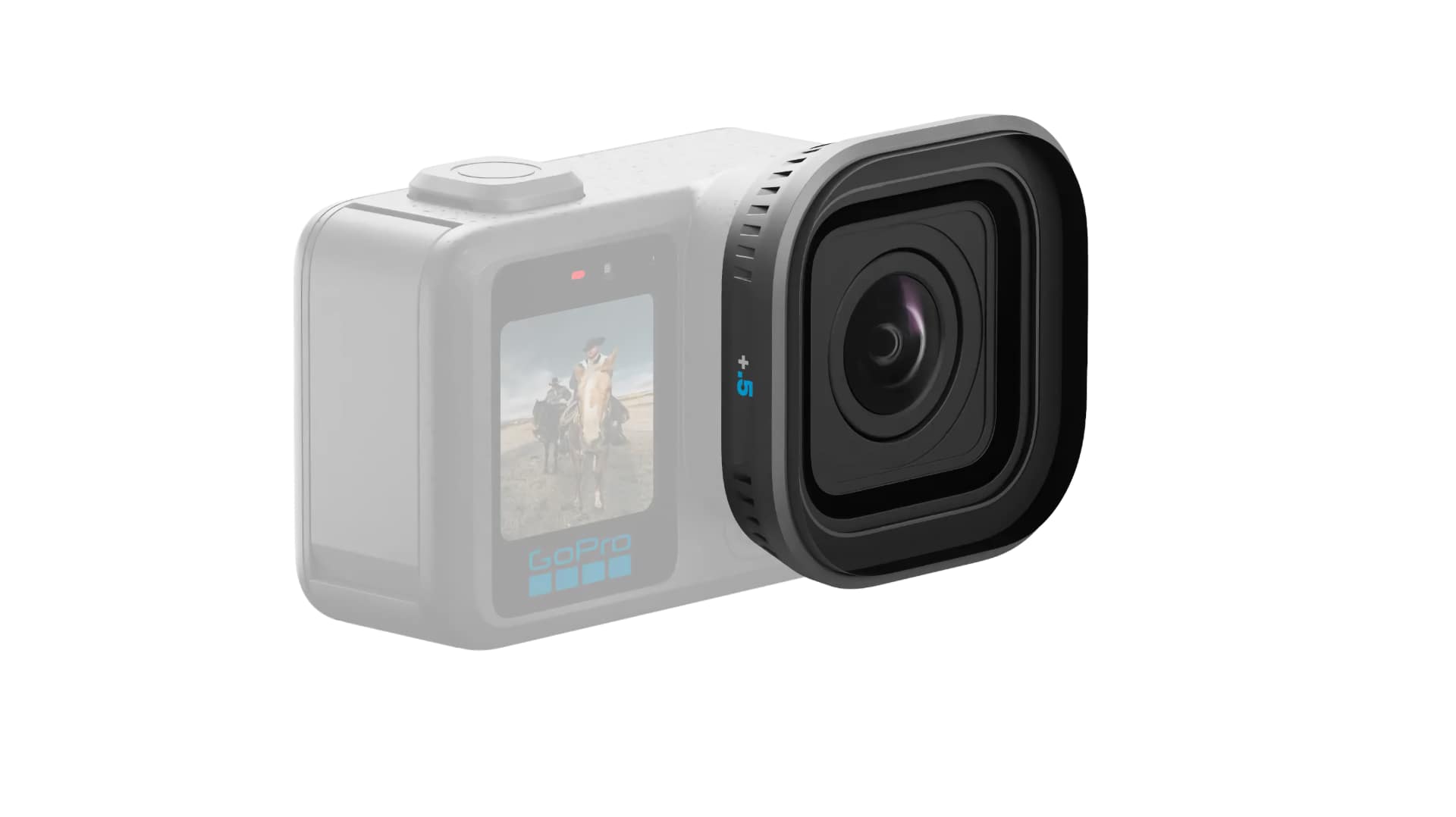
- The Standalone +0.5 Close-Up Filter ($49.99): Marketed primarily toward vloggers, travel enthusiasts, and lifestyle creators, this filter provides a subtle shift in focus, allowing for more natural subject separation without drastically limiting the camera’s infinity-focus capabilities.
- The Three-Filter Close-Up Filter Set ($99.99): This comprehensive kit includes the +0.5, +1, and +2 diopters. This set is designed for users who require maximum versatility, allowing them to adapt their focal range on the fly based on the specific constraints of their environment—from wide-angle car interiors to tight macro-style product shots.
These filters function as transparent, slide-on attachments. Crucially, they utilize "static focus," meaning the camera system requires no firmware adjustment or manual calibration to recognize the shift in the optical plane.
A Chronological Look at the Development
To understand why these filters are such a significant release, we must look at the timeline of the Mission 1 series.
The Launch (May)
When the Mission 1 was launched in May, it was heralded as a "sensor-first" device. Critics and users alike lauded the 1-inch sensor for its cinematic potential. However, within weeks of the product reaching the hands of early adopters, a consensus emerged on creator forums and social media: the 60 cm (24 in) minimum focus distance was a bottleneck. For vloggers holding the camera at arm’s length, or for those mounting the camera inside a vehicle or on a small gimbal rig, the "sweet spot" for focus was simply too far away.
The Feedback Loop
Throughout the summer, GoPro’s engineering and product teams monitored user feedback. The complaint was consistent: the camera could capture a stunning sunset, but it struggled to focus on a subject sitting in a passenger seat or an object held just inches from the lens. The partnership with PolarPro—a company already famous for its premium drone and action camera filters—was initiated as a direct response to this limitation.
The Official Announcement
Following a period of speculation and "leaked" images from the launch event, GoPro officially confirmed the availability of the PolarPro-manufactured filters this week. By bringing these to market, GoPro has effectively "fixed" the limitation of the larger sensor without requiring users to purchase a completely new camera body.
Supporting Data: Understanding the Focus Shift
The magic of these diopters lies in their ability to physically alter the convergence of light entering the lens, effectively "bringing" the focal plane closer to the glass. However, optics is a game of compromise. By moving the near-focus limit closer, the user must accept a narrowing of the far-focus limit.
Breakdown of Focal Ranges
| Filter Strength | Near-Focus Distance | Far-Focus Limit |
|---|---|---|
| +0.5 | 50 cm (19.7 in) | 150 cm (59 in) |
| +1 | 45 cm (17.7 in) | 90 cm (35.4 in) |
| +2 | 30 cm (11.8 in) | 50 cm (19.7 in) |
These numbers highlight the importance of choosing the right tool for the job. If a user intends to film a sweeping landscape, the +2 filter would be entirely inappropriate, as it would render anything beyond 50 cm out of focus. Conversely, if a user is capturing a detailed piece-to-camera while sitting in a car, the +2 filter is the only option that will keep the subject’s eyes sharp.
Official Responses and Technical Nuance
GoPro has been transparent about the limitations and best practices regarding these filters. They have provided specific guidance to ensure users don’t encounter frustration in the field.
The Stacking Dilemma
GoPro acknowledges that many users will want to use these filters in conjunction with Neutral Density (ND) filters to control shutter speed in bright conditions. The company advises that users must stack the diopter in front of the ND filter.
However, there is a caveat: the company notes that when using VLOG mode with both an ND filter and a diopter stacked, the camera’s subject-tracking algorithm may struggle to lock onto a face. This is likely due to the added thickness of the glass stack, which can interfere with the sensor’s contrast-detection focus points.
Vibration and Stability
A significant technical note pertains to the +2 filter. Because this filter creates a very shallow depth of field, it is highly sensitive to motion. GoPro warns that high-vibration activities (such as mountain biking or mounting the camera on a vehicle chassis) may cause the image stabilization system to struggle. When the focal plane is only 30 cm away, even a millimeter of shake is magnified, which can result in "jittery" footage if the camera is not perfectly stabilized.
Implications for the Creative Community
The release of these diopters signifies a maturing of the action camera market. We have moved past the era where "action cameras" were only meant for wide-angle, "fish-eye" shots of extreme sports.
1. The Rise of the "Cinema-Action" Hybrid
With the Mission 1 and these new diopters, creators can now achieve a level of background separation and bokeh that was previously reserved for full-frame mirrorless cameras. The +2 filter, in particular, allows for a shallow depth of field that separates the subject from the background, adding a "cinematic" polish to vlog content.
2. Solving the "Confined Space" Problem
For creators who film in cockpits, car interiors, or small studio spaces, these filters are a game-changer. The 60 cm limit of the standard lens often resulted in "soft" footage for interior car shots. By bringing the focus down to 30 cm, creators can now maintain high-quality, sharp video in tighter environments.
3. Workflow Considerations
For the professional user, this means that lens selection—or, in this case, filter selection—is now part of the pre-production planning for a GoPro shoot. Users can no longer rely on a "set it and forget it" approach if they want to maximize the potential of their shots. Understanding the focal ranges listed above will become a necessary skill for the modern Mission 1 user.
4. Backing and Longevity
The inclusion of PolarPro’s "Adventure Assurance" program adds a layer of confidence for the user. These filters are built to endure the same harsh environments as the Mission 1 itself. Knowing that the glass is multi-coated—which helps prevent flare and ghosting—means that the investment is likely to last as long as the camera itself.
Conclusion
The collaboration between GoPro and PolarPro is a classic example of a brand listening to its community. By identifying a specific pain point—the minimum focus distance of a large sensor—and providing a high-quality, modular solution, they have extended the lifespan and utility of the Mission 1 series.
While the user must now navigate the technical nuances of focal distances and potential stabilization issues when stacking filters, the payoff is a significantly more capable camera. Whether you are a professional filmmaker using the Mission 1 as a B-cam or a vlogger looking for that extra bit of depth in your shots, these diopters provide the optical flexibility to ensure that your subject is always in sharp, clear focus, no matter how close you choose to get.
The Mission 1 series is no longer just a wide-angle action tool; with these additions, it has officially entered the realm of the versatile, creative, and professional imaging suite.
