
The Architect of Roshar: Why ‘The Way of Kings’ Defines Modern Fantasy Worldbuilding
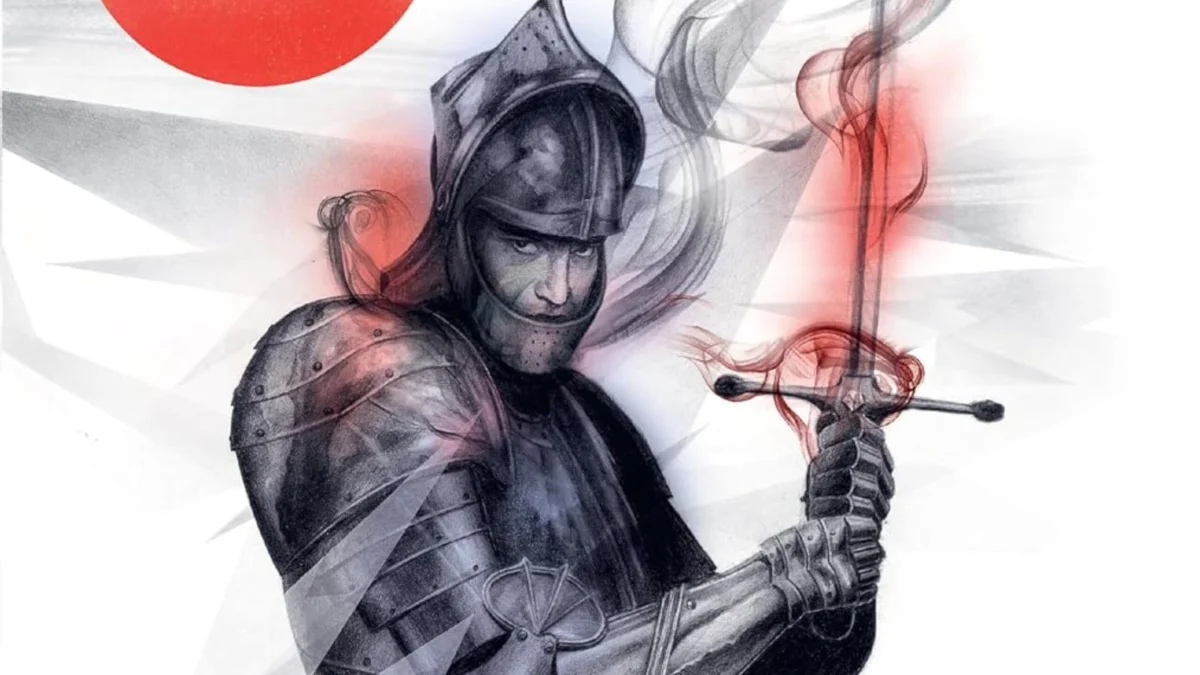
In the expansive landscape of contemporary literature, few terms are as frequently invoked—or as poorly understood—as "worldbuilding." It is the bedrock upon which high fantasy is constructed, the silent partner to plot and character that transforms a simple story into an immersive experience. While many authors struggle to balance narrative momentum with the necessary exposition of their settings, Brandon Sanderson’s The Way of Kings stands as a titan of the genre. As the inaugural entry in The Stormlight Archive, now five volumes deep into a planned ten-part saga, the novel serves as a masterclass in organic, systemic, and atmospheric design.
By avoiding the common pitfalls of "info-dumping," Sanderson has crafted a world—Roshar—that feels lived-in, ancient, and dangerously fragile. For readers and critics alike, the novel remains a benchmark for how to build a world from the ground up without sacrificing the emotional resonance of the human experience.
The Foundations of Roshar: A Planet Shaped by Storms
To understand the genius of The Way of Kings, one must first understand the physics of its world. Unlike the generic medieval-European settings that dominated fantasy for decades, Roshar is an alien environment, shaped entirely by its ecology and catastrophic weather. The world is defined by "highstorms"—titanic, hurricane-like tempests that sweep across the only supercontinent from east to west.
These storms are not merely background scenery; they are the fundamental force of life on Roshar. Because of the constant, violent winds, traditional plant life cannot survive. In its place, the flora has evolved into rock-budding, crustacean-like organisms that retract into shells to survive the onslaught. The fauna follows suit, with almost every creature possessing a hard exoskeleton. Even the economy is built around this weather; as the highstorms pass, they infuse gemstones with "Stormlight," a supernatural energy source that acts as the primary currency and fuel for the world’s technology. This integration of biology, meteorology, and economics is what elevates Sanderson’s work above standard genre fare.
A Chronology of Conflict: The Shattered Plains
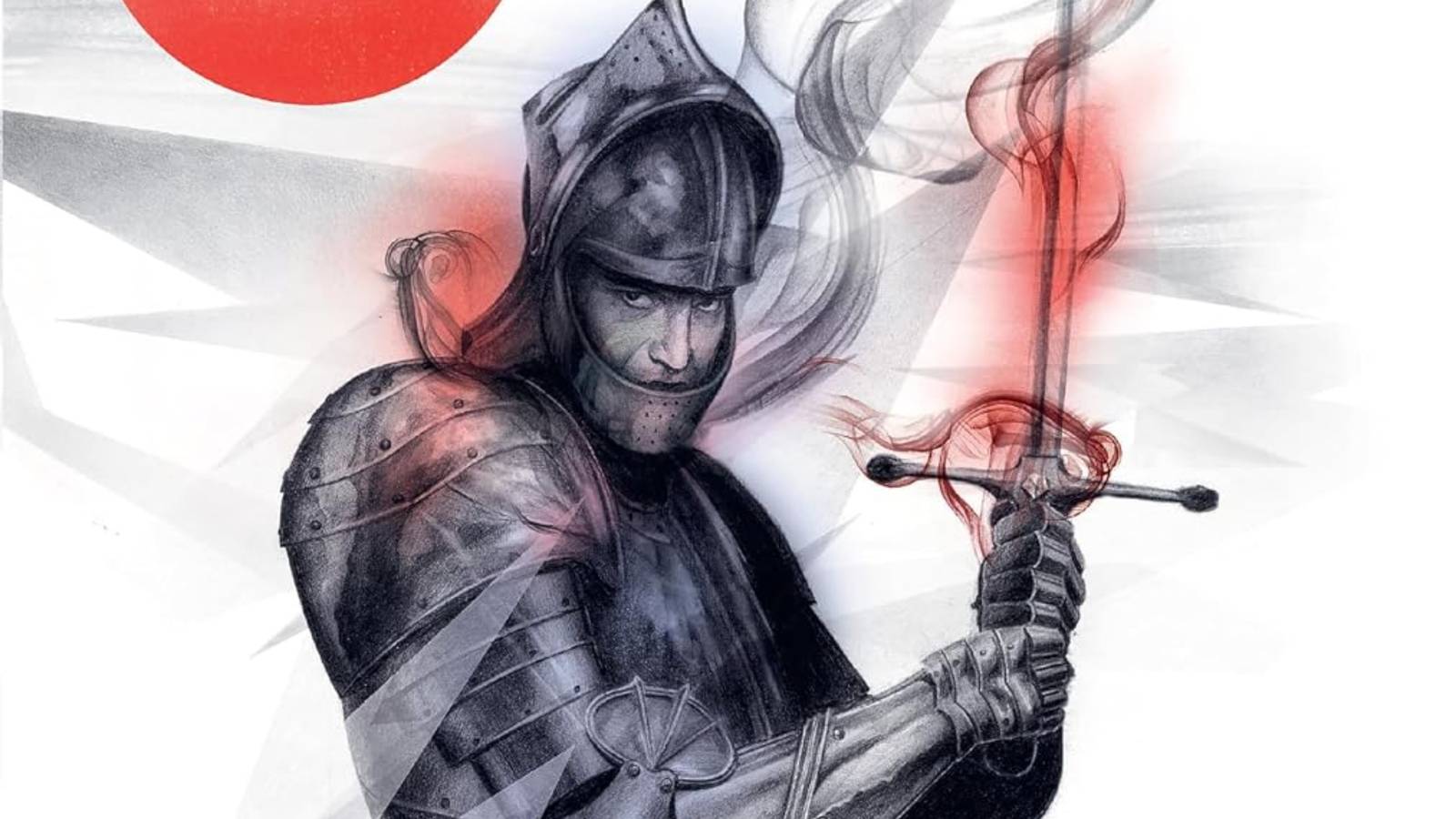
The narrative architecture of The Way of Kings is anchored in a brutal, decade-long stalemate. The story begins with a seismic geopolitical shift: the assassination of King Gavilar of Alethkar. The culprits, a crustacean humanoid race known as the Parshendi, trigger a retaliatory war that draws the Alethi highprinces to the Shattered Plains—a desolate, labyrinthine expanse of plateaus and chasms.
The chronology of the novel effectively tracks the descent of this war into a grinding, senseless conflict. The Alethi, a culture defined by martial prowess and internal political maneuvering, find themselves trapped in a war of attrition.
- Year 0: The assassination of King Gavilar occurs, sparking the Vengeance Pact.
- Year 1–4: The Alethi armies establish camps on the Shattered Plains, fighting for shards and gemstones while squabbling amongst themselves.
- Year 5 (The Primary Narrative): The story picks up with three distinct perspectives that illuminate the different strata of this broken world:
- Dalinar Kholin: A highprince and brother to the late king, struggling with visions from the "Stormfather" that suggest a return of ancient, apocalyptic threats.
- Kaladin: A former soldier betrayed and sold into slavery, forced to serve as a "bridgeman"—a expendable human shield used to move mobile bridges across chasms under heavy arrow fire.
- Shallan Davar: A young scholar seeking to become an apprentice to Jasnah Kholin, the princess and noted polymath, to save her family from ruin.
These character arcs are interwoven with "flashback" sequences that provide essential context to the world’s history, gradually peeling back the layers of trauma and mystery that define the protagonists.
The Complexity of Culture: Beyond the Map
What sets The Way of Kings apart is the meticulous care taken with the distinct cultures of Roshar. Sanderson avoids the "monoculture" trap, creating over 30 sovereign nations, each with its own customs, legal systems, and societal taboos.

Take the Horneater Peaks, home to the Unkalaki people. Their culture is dictated by birth order and a unique adaptation to high altitudes. Or consider the Azish Empire, a bureaucratic superpower where every interaction is mediated by meticulous documentation and signed forms. Then there are the Thaylens, characterized by their long, white eyebrows and dominance in maritime trade.
These cultures do not merely exist; they collide. The friction between the Alethi’s military focus and the Azish’s legalism provides a depth of realism that mimics the geopolitical complexities of our own world. Furthermore, the inclusion of "spren"—spirit-like entities that manifest in response to human emotion or natural phenomena—adds an layer of metaphysical wonder. From the "fearspren" that emerge when terror strikes to the "windspren" that dance in the gusts, these beings turn the environment into a reactive, almost sentient participant in the story.
Supporting Data: Why It Matters to the Genre
In the realm of modern fantasy, The Way of Kings is often compared to J.R.R. Tolkien’s The Lord of the Rings. While Tolkien remains the gold standard for linguistic depth and foundational mythology, Sanderson offers a different strength: structural cohesion.
- The Systemic Approach: Sanderson’s "Hard Magic" systems—where the laws of power are clearly defined and consistent—are mirrored in his worldbuilding. Every aspect of Roshar has a logical, traceable cause-and-effect relationship with the highstorms.
- Character-Driven Exposition: The lore is never dumped on the reader in dry paragraphs. It is filtered through the eyes of the characters: Kaladin’s experience of the world as a slave, Shallan’s view as an academic, and Dalinar’s as a leader.
- The Cosmere Connection: The book serves as a gateway to the "Cosmere," a shared literary universe connecting over 30 of Sanderson’s works. This allows for a level of interconnected history that is unprecedented in modern fiction, rewarding dedicated readers with deeper insights into the nature of the universe.
Official Reception and Legacy
Since its 2010 release, The Way of Kings has been universally hailed as a defining work of the 21st century. Critics have pointed to the series’ ability to tackle heavy themes—such as mental health, trauma, and the nature of leadership—while simultaneously maintaining a high-stakes, epic scope.
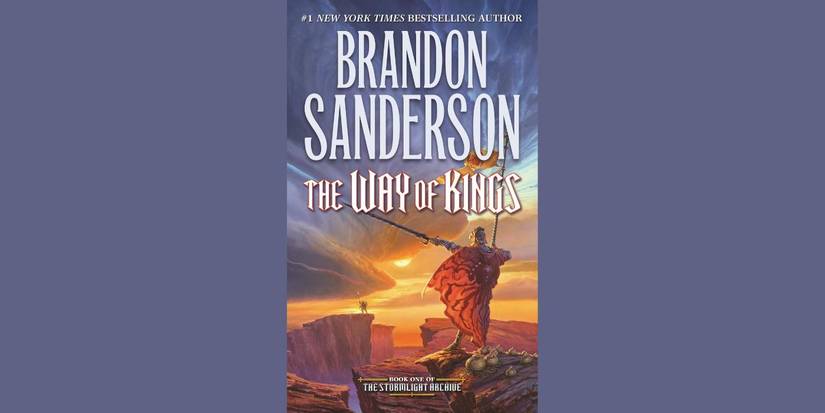
The success of the series has fundamentally altered the expectations of readers. Fans now demand more than just a map in the front of a book; they expect a world that functions on internal logic, where the environment is as vital a character as the hero.
Implications: The Future of Worldbuilding
The primary implication of the success of The Way of Kings is that the fantasy genre has officially moved past the "generic fantasy" era. The audience for epic fantasy is now sophisticated, looking for worlds that are not just colorful backdrops, but complex systems that challenge the characters within them.
Sanderson has proven that the beauty of fantasy lies in the "what if." What if a world had no dirt? What if the rain was a weapon? What if the creatures you hunt have their own complex societies? By pushing these boundaries, The Way of Kings has paved the way for a new generation of writers to experiment with environmental, biological, and political worldbuilding in ways that were previously thought too ambitious or too complex for the mass market.
In the final analysis, The Way of Kings is not just a book about a war on a shattered continent; it is a declaration of intent. It asserts that worldbuilding, when done with precision and empathy, is the highest form of storytelling. It reminds us that whether a world is "feasible" is irrelevant; what matters is whether it feels true. And in the case of Roshar, it feels truer than most.
