
The Architect of Ambiguity: Why ‘You Can See Everything’ Is the Most Dangerous Documentary of 2026
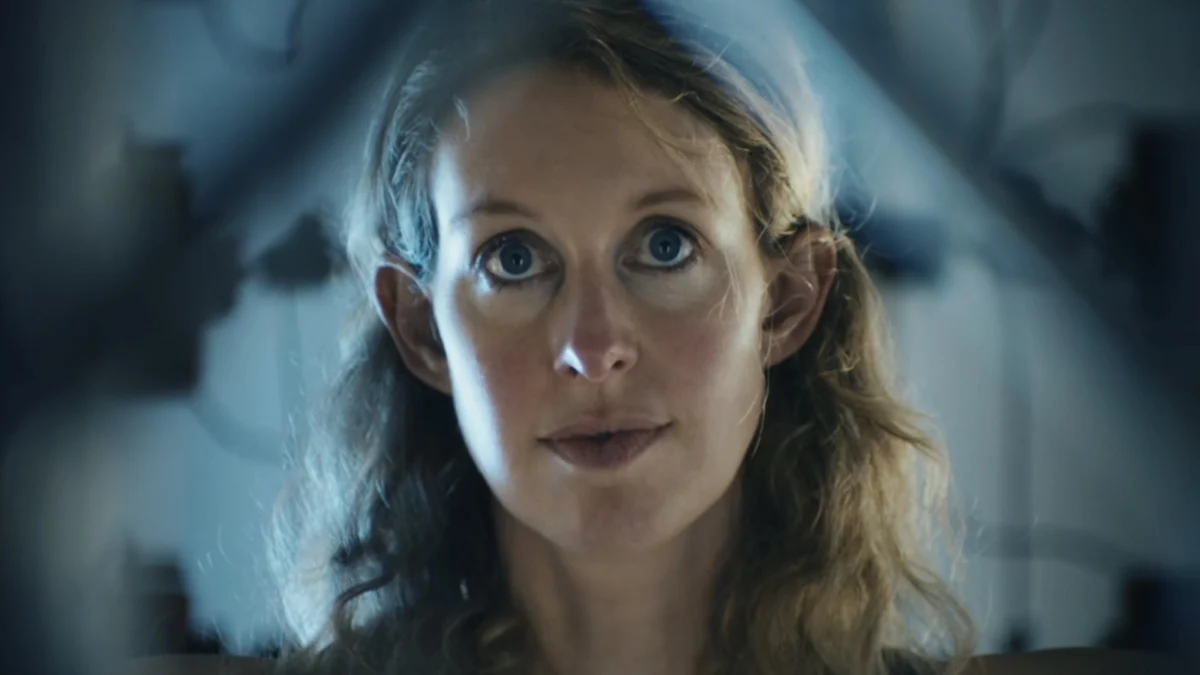
In the landscape of modern non-fiction filmmaking, few projects have generated as much immediate, polarizing fervor as You Can See Everything. Co-directed by the master of meta-absurdism, Nathan Fielder, and documentary filmmaker Lance Oppenheim, the film purports to be a fly-on-the-wall chronicle of the final 34 days of freedom for Elizabeth Holmes, the disgraced founder of Theranos. However, as the 174-minute runtime unfolds, the documentary transcends its subject matter to become a harrowing, recursive study on the nature of truth, the architecture of manipulation, and the terrifying elasticity of the human ego.
Released by A24 and slated for a wide theatrical debut on October 16, 2026, the film is already being hailed as a "mystifying masterwork," though critics warn that it leaves the audience less informed about the Theranos scandal and significantly more unnerved by the people involved.
The Premise: A Portrait of Imminent Incarceration
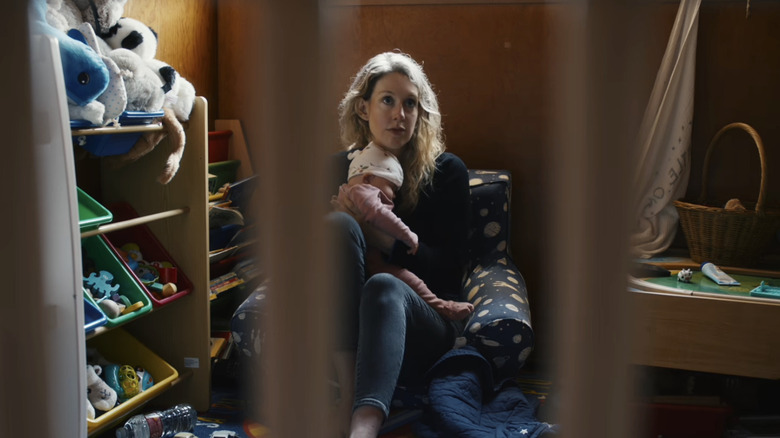
The narrative begins with a simple, albeit suspicious, invitation: Elizabeth Holmes, having been convicted of wire fraud and conspiracy, allows Fielder and Oppenheim unfettered access to her San Diego beach house. She is joined by her partner, Billy Evans, and their two children. The couple insists that the film crew "can see everything," a rhetorical gambit that Fielder—a man whose career has been built on the tactical weaponization of social awkwardness—is uniquely equipped to dismantle.
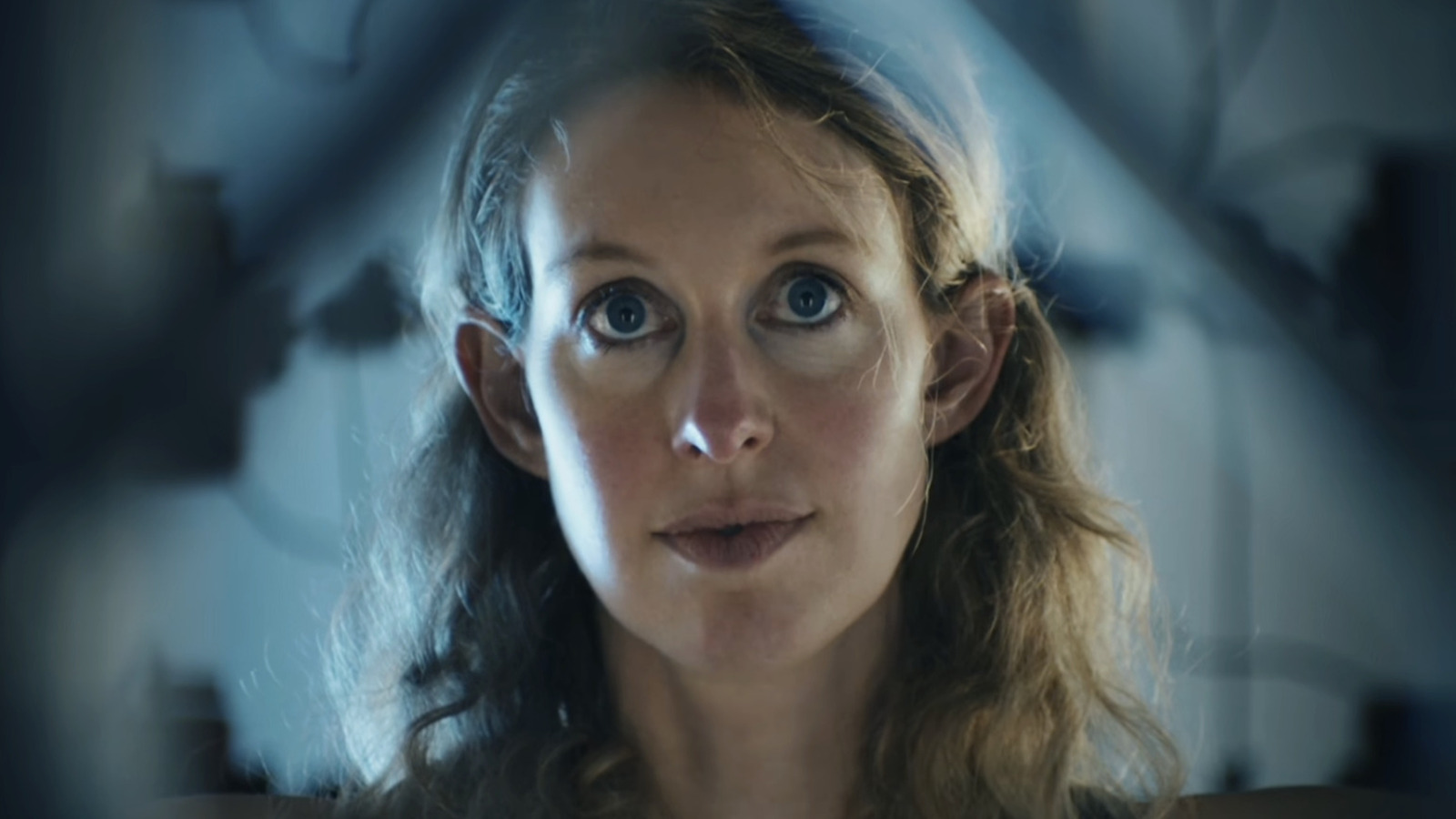
The documentary establishes a tense, domestic atmosphere. Holmes, ever the enigma, presents herself as a woman who has been misunderstood by a world that failed to grasp the complexity of her scientific vision. She maintains that the Theranos technology was fundamentally sound and that the failures were not of her making, but of a scientific community that refused to keep pace with her innovation.
Chronology of a Controlled Environment
The film is structured around the final 34 days preceding Holmes’ surrender to federal authorities. For the viewer, the pacing is a deliberate exercise in slow-burn tension.
- Days 1–10 (The Illusion of Transparency): The filmmakers focus on the mundane realities of the household. Holmes and Evans curate a lifestyle that feels meticulously staged. Fielder’s presence is immediately felt, not just as a documentarian, but as an active participant who subtly challenges the couple’s narrative through pointed, uncomfortable questioning.
- Days 11–20 (The Science of Semantics): The film dives deep into the intellectual gymnastics Holmes employs to justify her crimes. She argues that her conviction was a failure of language, claiming she only ever promised what the device could do, not what it currently did. It is here that the film’s "mind-melting" quality peaks, as viewers are forced to sit through long, agonizing dialogues where reality seems to bend under the weight of her conviction.
- Days 21–34 (The Shift in Power): The second half of the documentary undergoes a radical tonal shift. Following Holmes’ departure for prison, the film pivots from being a portrait of a disgraced CEO to an investigation of her husband, Billy Evans. The documentary enters a surreal, high-stakes territory reminiscent of Fielder’s HBO series The Rehearsal, where the line between objective observation and manufactured reality becomes impossible to discern.
Supporting Data and the "Theranos 2.0" Allegation
One of the most compelling aspects of the film is the lingering suspicion that Holmes is using the documentary to rehabilitate her image and potentially launch a "Theranos 2.0." Throughout the production, Fielder probes whether the film is a strategic public relations move. He famously observes the couple through windows and from the periphery, documenting their private behaviors with a detached, clinical eye.
The film provides no definitive proof that a new scam is underway, but it offers something arguably more damaging: a look at the psychological mechanics of someone who refuses to accept accountability. The data presented in the film—largely consisting of raw, uncut conversations—suggests that Holmes’ belief system is not a temporary charade but a deeply ingrained, perhaps immutable, worldview.
Official Responses and the "Who’s on First?" Paradox
The film’s most surreal moment occurs when Fielder attempts to explain the classic Abbott and Costello sketch, "Who’s on First?" to Holmes and Evans. The scene serves as a perfect metaphor for the entire project. Fielder uses the bit to illustrate the absurdity of their circular logic, yet the couple remains entirely unresponsive to the humor.
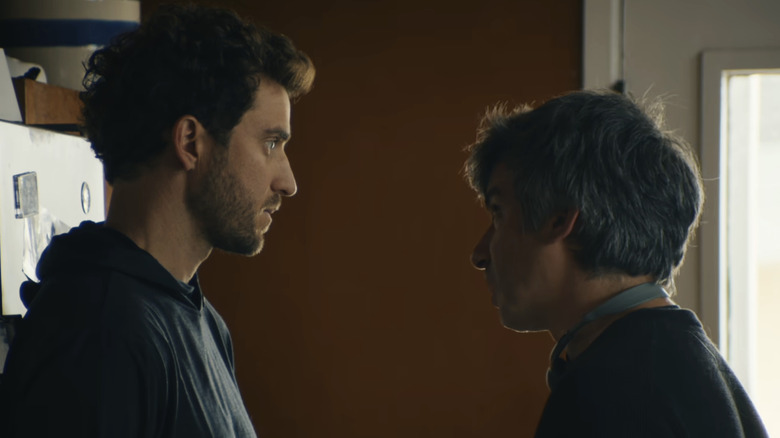
Is this a genuine lack of social intelligence, or is it a defensive tactic designed to keep the filmmakers at arm’s length? This question permeates the film. Evans, in particular, emerges as a chilling, controlling presence. His behavior—ranging from taking over simple household tasks like whisking eggs to more overt, manipulative acts—suggests a power dynamic that is far more sinister than previously reported.
Implications: The Death of Objective Truth
The implications of You Can See Everything are profound. By allowing Fielder to insert himself into the narrative, the filmmakers acknowledge that a purely objective documentary about a figure as deceptive as Elizabeth Holmes is a fallacy. Instead, they offer a "subjective truth" that challenges the viewer to become an active detective.
The Role of the Filmmaker
Fielder’s involvement changes the documentary from a historical record to a psychological thriller. He does not merely report; he triggers. By bringing his own history of staging elaborate, manipulative television shows into the room, he forces the audience to question if the "truth" we are seeing is being manipulated by the filmmaker as much as it is by the subject.
The Audience as Accomplice
The final act of the film creates a sense of profound unease. As the viewer watches, they realize they have been seduced by the access provided. The film’s success relies on the audience’s morbid curiosity, effectively making the viewer a participant in the ongoing drama of the Holmes-Evans household.
A Masterclass in Psychological Documenting
Ultimately, You Can See Everything is not a film that provides answers. It is a mirror held up to our own fascination with the "fraudster archetype." Whether one is a longtime follower of the Theranos saga or a newcomer to the story, the film is equally gripping.
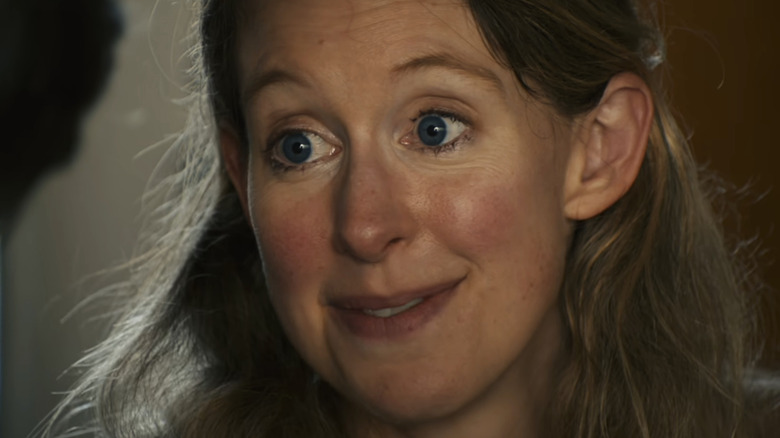
The film’s technical execution—the extreme close-ups, the lingering silence, the unconventional framing—serves to heighten the discomfort. When Fielder asks a question, the camera does not cut away; it stays on the subject’s face, waiting for the flicker of a lie or the crack in the veneer. More often than not, the veneer remains, leaving the viewer to grapple with the realization that some people are fundamentally impenetrable.
As the film moves toward its conclusion, the focus shifts to the influence of dramatized media—specifically the impact of the Hulu series The Dropout—on the subjects themselves. This meta-layer adds a final, dizzying complexity to the film, as the subjects grapple with how they are perceived by the public, further complicating the narrative of who is the victim and who is the perpetrator.
Final Assessment
You Can See Everything is a 10/10 masterclass in documentary filmmaking that pushes the boundaries of the medium. It is an unsettling, beautiful, and deeply frustrating experience that demands multiple viewings. By refusing to give the audience the closure they crave, Fielder and Oppenheim have created something much more durable: a film that will continue to spark debate long after the screen goes dark.
For those looking for a neat, wrapped-up account of the Theranos scandal, this is not it. For those looking for an unflinching, terrifying, and brilliant examination of the human capacity for self-deception, it is an essential piece of cinema.
You Can See Everything opens in theaters nationwide on October 16, 2026.
