
Cultural Currents: From the Floors of NYCC to the Quiet Corners of Literary Discovery
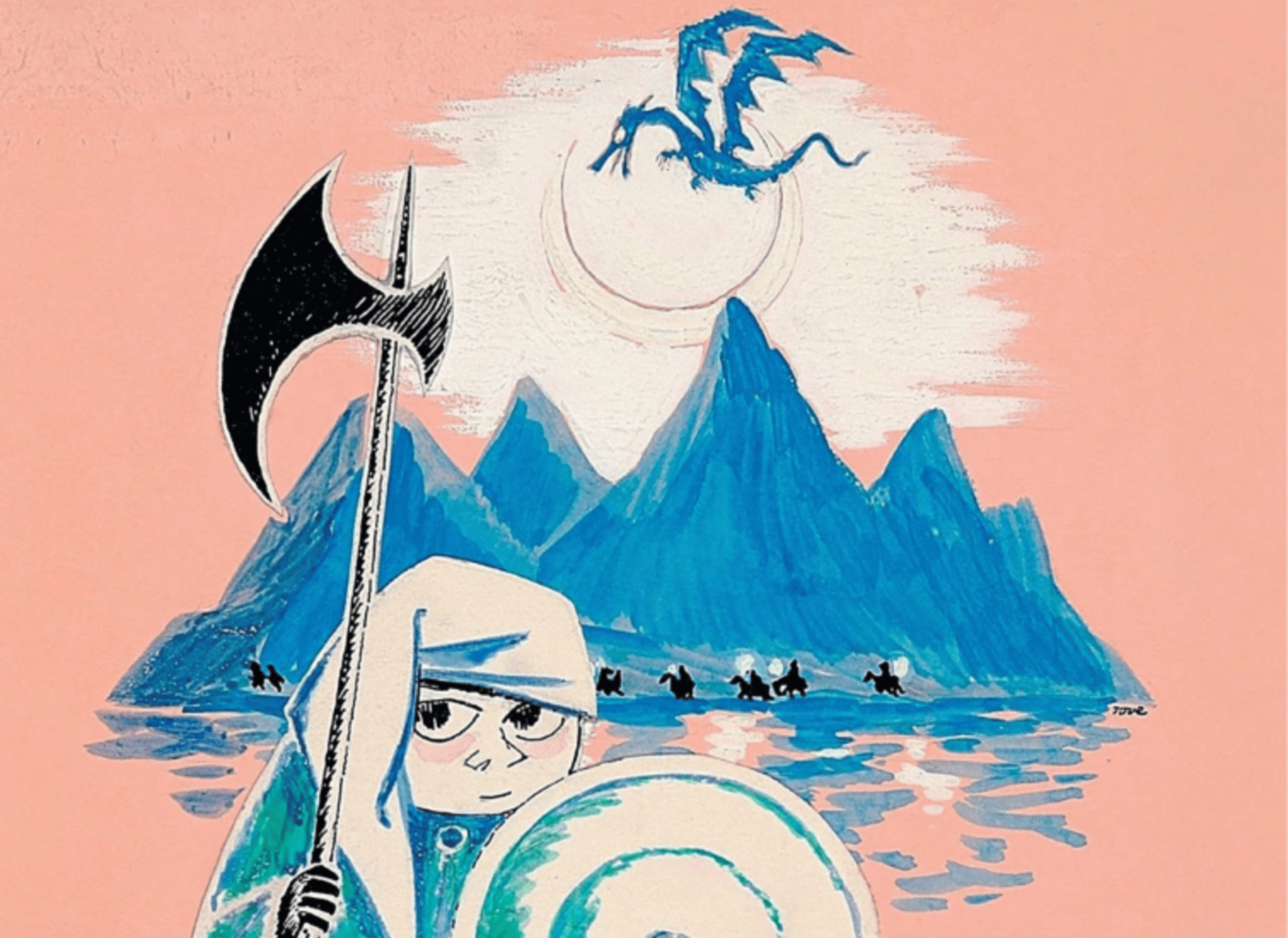
The landscape of pop culture is currently fractured by a singular, overwhelming event: New York Comic Con (NYCC). As thousands of enthusiasts descend upon the Javits Center, the air is thick with the scent of recycled air, floor wax, and the distinct, humid energy of collective fandom. Yet, for those of us not currently navigating the labyrinthine aisles of artist alley, this week offers a peculiar, quieter set of developments. From the long-awaited arrival of Tove Jansson’s Hobbit illustrations to the existential questions posed by new literary releases and the mysterious, damp allure of Netflix’s latest creature features, the cultural conversation is shifting in unexpected directions.
The Ritual of the Con: A Guide to Survival
For the uninitiated, New York Comic Con is a test of endurance. It is a spectacle of costume, commerce, and community. However, beneath the veneer of excitement lies a biological minefield. Seasoned convention-goers know the threat all too well: "con crud," the inevitable post-event illness that strikes with the precision of a heat-seeking missile.
The primary vector for this transmission is, perhaps counterintuitively, the act of consumption. In an environment where attendees spend hours pawing through decades-old newsprint comics, handling shared controllers for demos, and touching communal surfaces, the hands become biological hotspots. The golden rule for any attendee should be absolute: do not touch anything that is destined for your mouth. If you must consume sustenance, rely on "car cups" of gum—dispensers that allow you to dispense product directly into your mouth without finger-to-oral contact. In the ecosystem of a massive public gathering, maintaining a barrier between your hands and your food is not merely good hygiene; it is the fundamental strategy for remaining healthy once the last booth is packed away.
Chronology of Cultural Releases: October and Beyond
While the Javits Center remains the epicenter of the week’s activity, the broader entertainment industry has maintained a steady, if eclectic, release schedule.
- October 11th: The premiere of MGM+’s Treasure Island.
- Ongoing: The theatrical run of Other Mommy, featuring a chilling performance by Jessica Chastain.
- Retrospective: A 20th-anniversary screening of Guillermo del Toro’s Pan’s Labyrinth.
- Literary Arrival: The publication of The Hobbit: Illustrated by Tove Jansson by William Morrow.
- Streaming: The debut of Below, a sea-monster narrative, on Netflix.
This lineup suggests an industry leaning into both the nostalgia of classic genre staples and the dark, atmospheric tension of modern psychological horror.
Supporting Data: The Tove Jansson Renaissance
Perhaps the most significant cultural event of the week is the official U.S. publication of The Hobbit: Illustrated by Tove Jansson. While the legendary Finnish-Swedish artist is world-renowned for her Moomin series, her interpretation of J.R.R. Tolkien’s Middle-earth has remained an elusive treasure for English-speaking audiences for decades.
The history of this project is deeply rooted in the interconnectedness of 20th-century literature. The project was spearheaded by Astrid Lindgren, the visionary creator of Pippi Longstocking. In her capacity as a publisher, Lindgren recognized the singular power of Tolkien’s work early on, famously predicting that it would become the "children’s book of the century."
Jansson’s illustrations represent a radical departure from the traditional, pastoral imagery typically associated with Tolkien. Her dwarves are angular and uncanny; her Smaug is a creature of fluid, predatory elegance. This edition is not merely a collector’s item; it is a critical intervention that asks us to re-examine the aesthetic boundaries of high fantasy. By presenting these illustrations to a U.S. audience, William Morrow is effectively correcting a long-standing oversight in the history of illustrated literature.
Official Perspectives: The State of Genre Television
The release of MGM+’s Treasure Island brings with it a broader industry question: why are we returning to Robert Louis Stevenson’s classic again, and why does the genre-defining Black Sails remain so criminally under-discussed?
Critics and industry analysts have noted the "Treasure Island problem." With a high-profile series starring David Oyelowo and Hayley Atwell debuting this week, and a Ridley Scott film slated for 2027, the market is becoming saturated with pirate narratives. Yet, the benchmark set by the Starz series Black Sails—which functioned as a gritty, complex, and deeply philosophical prequel to the original novel—seems to have been forgotten by the general public.
The lack of mainstream "superstardom" for the cast of Black Sails is a frequent point of contention in media circles. Performers like Hannah New (Eleanor Guthrie) and Jessica Parker Kennedy (Max) delivered powerhouse, nuanced performances that were essential to the show’s success. Their absence from the top tier of Hollywood A-list casting calls is a symptom of a systemic issue in how streaming-era talent is identified and championed. As we approach the premiere of the new Treasure Island, viewers would do well to revisit the complex character studies of Black Sails as a standard for what the genre is capable of achieving.
Literary Criticism as a Radical Act
In the world of contemporary essays, few voices are as vital as Franny Choi. Her new collection, We Radiant Things: Notes on Being Alien and Becoming Cyborg, has already established itself as a frontrunner for the best non-fiction of the year.
Choi, who previously captivated readers with her poetry collection Soft Science, approaches cultural criticism with a unique, visceral methodology. In her analysis of the film Ex Machina, she transcends traditional review formats. She does not merely analyze the film’s plot; she interrogates the intersection of race, gender, technological anxiety, and the commodification of the female body.
Her stated mission—"to do what someone might call criticism: tenderly, from stabbing range"—is a manifesto for the future of the medium. It is criticism that acknowledges the pain of the subjects it touches while maintaining the intellectual rigor required to dismantle them. As she pivots to explore the legacy of Ghost in the Shell, it is clear that We Radiant Things will serve as a vital text for those looking to understand the "cyborg" nature of modern identity.
Implications: The "Snot-Berg" Phenomenon
Finally, we must address the week’s most bewildering streaming arrival: Below, the Netflix series starring Josh Hartnett. Set in Newfoundland and featuring a mysterious, possibly monstrous, maritime entity, the show has elicited a bizarre spectrum of critical response.
The reception is a case study in the unpredictability of streaming algorithms and critical reception. Reviews have ranged from "exhilarating" to "enjoyable enough," with a recurring, slightly gross mention of a "killer snot-berg." Despite the odd premise, the series highlights the enduring reliability of Josh Hartnett and the sharp, intelligent presence of Mackenzie Davis.
The casting, specifically that of Charlie Heaton as Hartnett’s son, has raised questions about the internal logic of the series, but the overarching appeal remains clear: the desire for "X-Files-adjacent" genre television. Whether Below becomes a lasting staple of the genre or a footnote in the massive library of Netflix originals remains to be seen. However, its presence serves as a reminder that even in an era of high-budget prestige television, there is still room for the strange, the damp, and the slightly gross.
Conclusion
As the crowds disperse from New York Comic Con and the industry looks toward the winter release schedule, the common thread is one of quiet, persistent transformation. Whether it is through the rediscovery of Tove Jansson’s pen-and-ink visions, the rigorous interrogation of human-machine relations, or the simple, curious joy of watching a sea monster thriller, we are in a period of intense cultural synthesis. We are taking the old—pirate stories, classic fantasy, familiar faces—and recontextualizing them through the lenses of modern anxiety and artistic innovation. And for those of us not at the Javits Center? We have plenty to read, watch, and wonder about from the comfort of our own homes. Just remember: keep your hands clean, your books close, and your gum safely inside its cup.
