
The Bard Through a Dark Lens: Robert Eggers to Helm New ‘Romeo and Juliet’ Adaptation
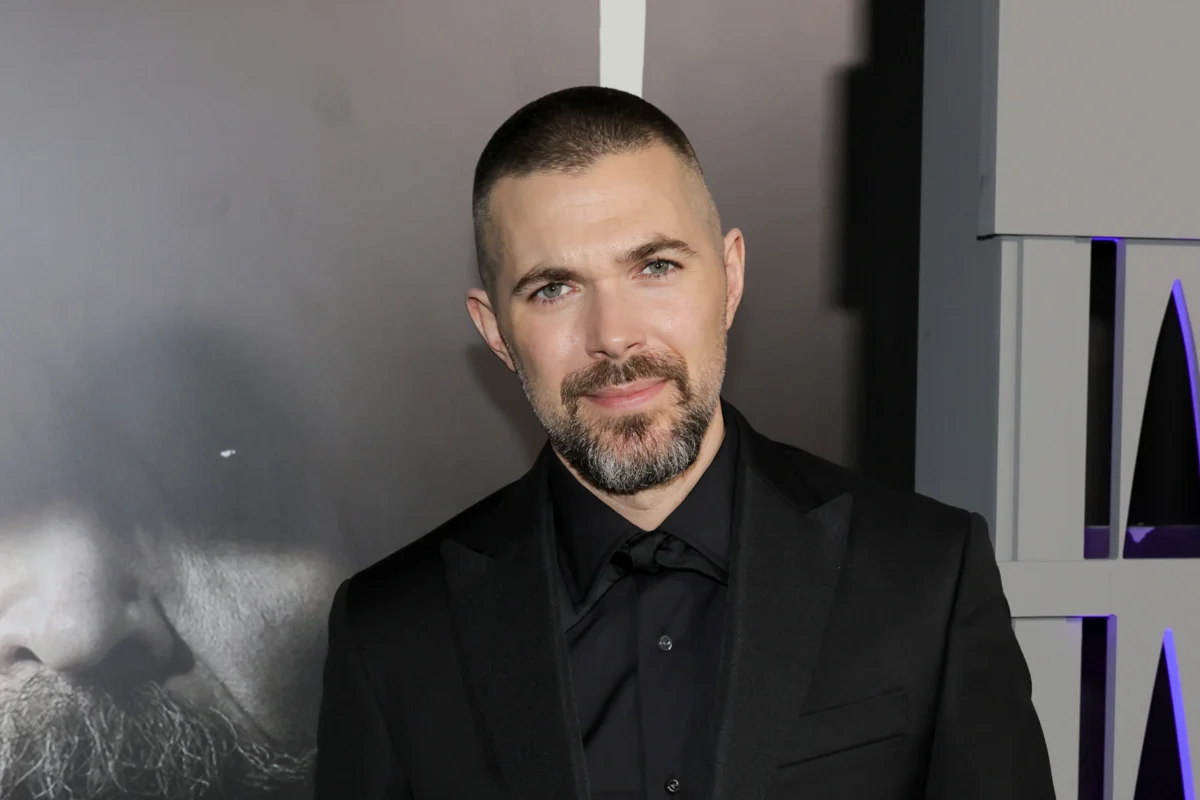
In a move that has sent shockwaves through the industry, auteur Robert Eggers—a filmmaker celebrated for his obsessive commitment to historical authenticity and atmospheric dread—has been tapped to direct a new big-screen adaptation of William Shakespeare’s Romeo and Juliet. According to reports first surfaced by The Hollywood Reporter, Focus Features is currently in the final stages of closing a deal to distribute the film, cementing a creative partnership that has defined the director’s entire career.
While the prospect of another retelling of the star-crossed lovers from Verona might seem conventional to the casual observer, the involvement of Eggers suggests a radical departure from the romanticized, often glossy iterations of the past. Known for his unflinching gaze into the past, Eggers is expected to treat the material not as a whimsical romance, but as a visceral, period-accurate exploration of the social decay and brutal tribalism inherent in the original text.
A Proven Creative Synergy: The Focus Features Pipeline
The acquisition of this project by Focus Features is more than a mere business transaction; it is a consolidation of an artistic ecosystem. Robert Eggers has become the de facto crown jewel of the Focus roster. From his 2015 breakout hit The Witch to the high-seas madness of The Lighthouse, and the sprawling, gritty epic The Northman, Eggers has maintained an unbroken streak of creative collaboration with the label.
Should this deal close as anticipated, it will mark the latest chapter in a long-standing symbiotic relationship. Focus Features has served as the domestic home for The Northman, Nosferatu, and the highly anticipated Werwulf, while also handling international distribution for his earlier works. By securing Romeo and Juliet, Focus is signaling its continued confidence in Eggers’ ability to blend high-concept artistic vision with the kind of prestige appeal that draws both critics and a dedicated, cult-like audience.
The Aesthetic of Authenticity: What to Expect
Those anticipating a neon-soaked, contemporary reimagining in the vein of Baz Luhrmann’s 1996 hit—which famously utilized pop soundtracks and modern weaponry—are likely to be disappointed. Robert Eggers’ filmography is defined by "period-appropriate" maximalism. Whether it is the 17th-century vernacular of The Witch or the meticulous reconstruction of the Viking Age in The Northman, Eggers’ primary interest lies in the texture of history.
Industry insiders suggest that his version of Romeo and Juliet will likely be rooted in the specific sociopolitical realities of the Italian Renaissance. This implies a focus on the grim, claustrophobic reality of 16th-century Verona: the stench of the streets, the weight of the religious iconography, and the lethal stakes of familial feuds. Rather than focusing on the "star-crossed" sweetness of the lovers, Eggers is expected to pivot toward the tragedy’s darker implications, emphasizing the toxicity of the Montague and Capulet rivalry.

Chronology and The Path to Verona
The journey toward this announcement has been marked by a rapid accumulation of capital and creative momentum. While whispers of the project began circulating earlier this year, the formalization of the deal arrived following a competitive bidding war that underscores the high demand for Eggers’ specific brand of genre-bending cinema.
- 2015–2019: Eggers establishes his reputation as a master of period horror with The Witch and The Lighthouse, setting the tone for his signature visual style.
- 2022: The release of The Northman confirms his ability to manage large-scale, big-budget productions while maintaining complete creative control.
- 2024: The massive global success of Nosferatu ($181 million worldwide) solidifies Eggers’ status as a box-office draw.
- 2026 (Q3): Focus Features enters advanced negotiations to distribute the Romeo and Juliet project, confirming Eggers’ move into Shakespearean adaptation.
This timeline reflects a filmmaker who has methodically scaled his ambitions, moving from the contained, intimate dread of his early work to the operatic, large-scale tragedy that Romeo and Juliet demands.
Supporting Data: The Commercial Viability of Tragedy
The "Romeo and Juliet" IP remains one of the most durable in the history of cinema. However, its success is highly dependent on the "angle" of the director. The most recognizable modern version, Baz Luhrmann’s 1996 film, earned a staggering $147 million worldwide—a feat achieved largely by stripping away the period trappings to appeal to a younger, MTV-era demographic.
Robert Eggers’ challenge, and opportunity, lies in the opposite direction. By doubling down on historical realism, he is betting on a "prestige" audience that has proven increasingly resilient. The success of Nosferatu—a gothic, black-and-white-adjacent style horror film that grossed nearly $200 million—proves that audiences are willing to engage with demanding, stylized, and grim content if the craftsmanship is undeniable. Focus Features is banking on the fact that the "Eggers Brand" is now strong enough to turn a 400-year-old play into a modern, must-see theatrical event.
Implications for the Eggers Slate
Every artistic decision in Hollywood comes with a trade-off, and the announcement of Romeo and Juliet as a priority project has immediate consequences for the rest of Eggers’ development slate.
Fans who have been eagerly anticipating his rumored sequel to the cult classic Labyrinth or his long-gestating, grim take on A Christmas Carol (which was expected to star frequent collaborator Willem Dafoe) will likely have to wait significantly longer. Industry experts suggest that these projects have been placed on the "back burner," as the production requirements for Romeo and Juliet—a film that will likely require massive sets, intricate costumes, and a lengthy shoot—will occupy the entirety of Eggers’ schedule for the next 18 to 24 months.

Furthermore, the involvement of poet and screenwriter Sjón, who collaborated with Eggers on The Northman and Werwulf, remains a question mark. If the duo reunites to pen the script, it could result in a version of the play that leans heavily into poetic, archaic language, further distancing the project from the accessible, modernized versions of the past.
The Broader Landscape of the Industry
The move also comes at a time of significant industry consolidation. With major studios like Paramount and Warner Bros. undergoing turbulent mergers and debt-reduction strategies, the focus on "prestige-plus" content—films that have the budget of a blockbuster but the soul of an indie—has become a survival strategy for labels like Focus Features.
By anchoring their slate to an auteur like Eggers, Focus is creating a "safe harbor" for audiences tired of the franchise fatigue currently plaguing the major studios. Romeo and Juliet, while a known property, functions as a blank canvas for a director like Eggers. It offers the comfort of a familiar story combined with the promise of a radical, terrifying, and visually arresting aesthetic that cannot be replicated by CGI-heavy superhero spectacles.
Final Thoughts: A Tragic Masterpiece Awaits
As production gears up, the industry will be watching closely to see who Eggers selects for the titular roles. The casting will be the final piece of the puzzle; will he look to his usual stable of actors—like the haunting Anya Taylor-Joy or the intense Willem Dafoe—or will he reach for a new generation of talent to embody the doomed lovers?
Whatever the outcome, one thing is certain: Robert Eggers is not interested in the "romance" of Romeo and Juliet. He is interested in the "tragedy." By returning the story to its original, brutal roots, he may well provide the definitive version of the play for the 21st century—a version where the love is fleeting, the hate is eternal, and the history is etched into every frame. For fans of cinema, the wait for this production will undoubtedly be as intense as the final act of the play itself.
