
The Flesh That Creeps: A Definitive Retrospective of Cinema’s Most Terrifying Body Horror Masterpieces

From films exploring the nefarious intentions and cruel bodily executions of creatures from the cosmos to gritty features grounded in gruesome reality that shockingly showcase the terrors humans can inflict on one another, body horror remains one of cinema’s most visceral subgenres. For the faint of heart, or those simply prone to motion sickness, looking away might be the safest option—though doing so means missing some of the most mechanically brilliant, psychologically profound achievements in filmmaking history.
This retrospective examines the evolution, cultural implications, and technical wizardry behind the greatest body horror films of all time, ranked from terrifying modern interpretations to timeless genre-defining classics.
Main Facts: Defining the Anatomy of Body Horror
Body horror is a subgenre of horror that intentionally showcases grotesque or psychologically disturbing violations of the human body. These violations can manifest through disease, mutation, mutilation, parasitism, technological integration, or forced metamorphosis. Unlike traditional slashers that rely on external threats or jump scares, body horror targets the vessel we inhabit every day, turning our own anatomy into an unreliable, hostile enemy.

The subgenre gained massive traction in the late 20th century, championed by practical effects pioneers and visionary auteurs, and has experienced a massive renaissance in the 2020s. By leveraging practical makeup, animatronics, and modern visual effects, filmmakers use physical decay and transformation to explore deep-seated anxieties surrounding aging, technology, identity, sexuality, and loss of control.
Chronology of Carnage: A Ranked Retrospective
10. The Blob (1988)
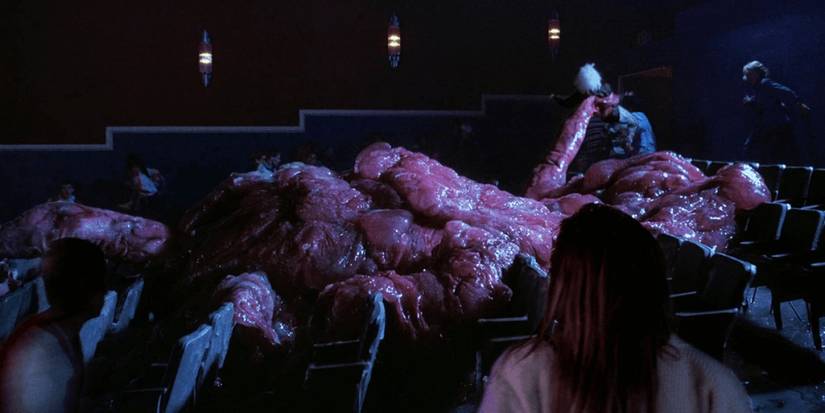
A high-concept remake of the 1950s monster movie, Chuck Russell’s The Blob represents the pinnacle of pre-CGI 1980s special effects makeup. Led by SFX wizard Tony Gardner, the production achieved something rarely seen prior: a hand-made, amorphous, carnivorous entity that visually demonstrated what a living acid can do to human flesh via burning, liquefying, and digesting.
The plot follows a carnivorous alien organism unleashed by a meteorite. As it consumes flesh, it grows exponentially, threatening an entire town. Local cheerleader Meg (Shawnee Smith) and rebellious bad boy Brian (Kevin Dillon) must race against time while clueless adults attempt to shoot a mountain of insatiable goo. The practical effects remain astonishingly revolting, cementing its place in creature-feature history.
9. Dolly (2025)
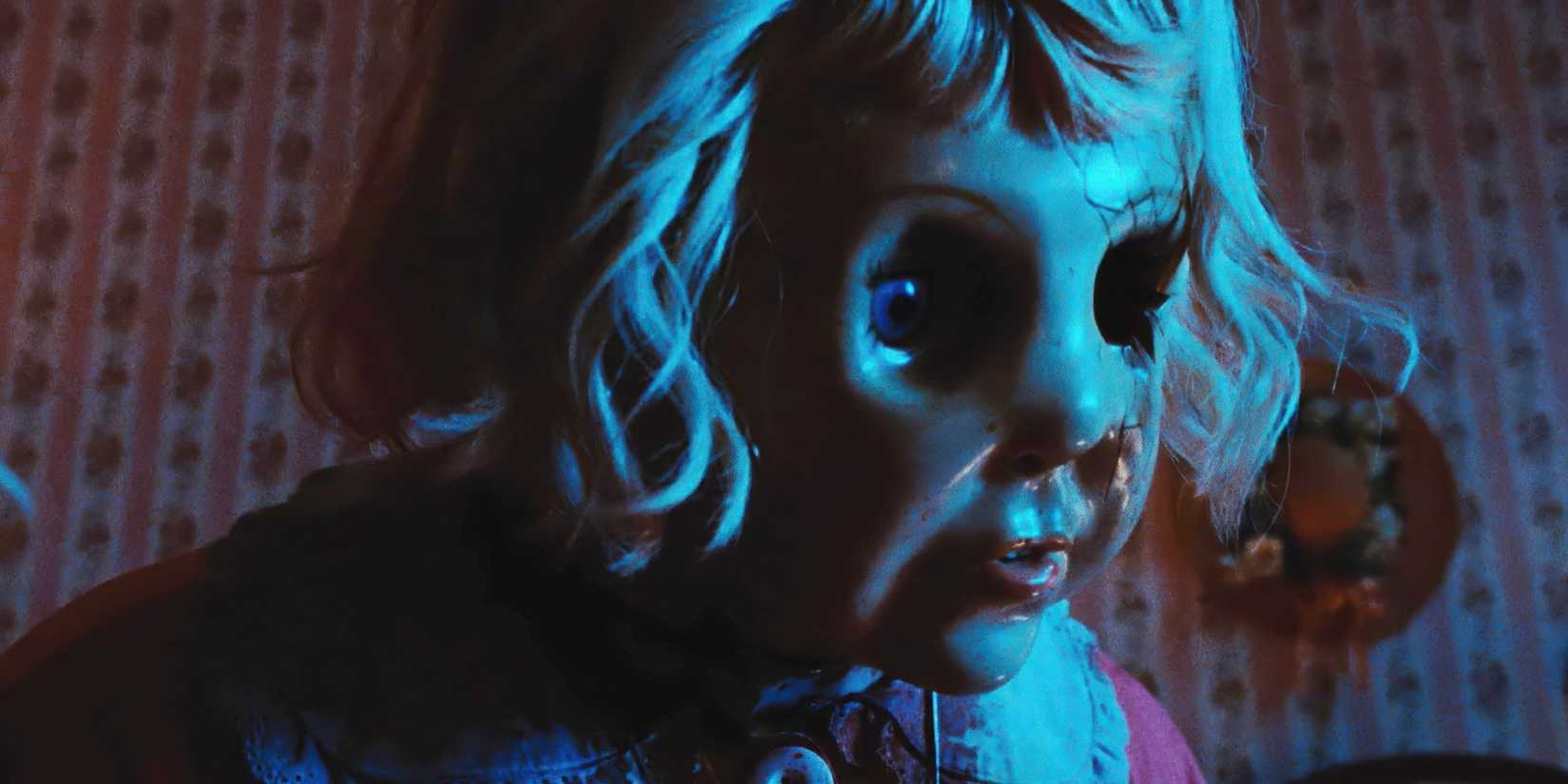
Rod Blackhurst’s Dolly redefines cinematic disturbance, ensuring audiences will never look at children’s toys the same way again. While polarising viewers with its visceral presentation, this harrowing feature explores physical and psychological abuse in ways rarely brought to the screen.
The story follows reluctant hiker Macy (Fabianne Therese) and her enthusiastic partner Chase (Seann William Scott). Deep in the wilderness, they encounter a hulking, doll-masked figure known as Dolly (played by professional wrestler Max the Impaler), who views Macy as a prospective infant to be forcefully raised. Virtually every scene features harrowing bodily abuse that tests the endurance of the viewer, redefining cinematic cruelty.
8. Raw (2016)
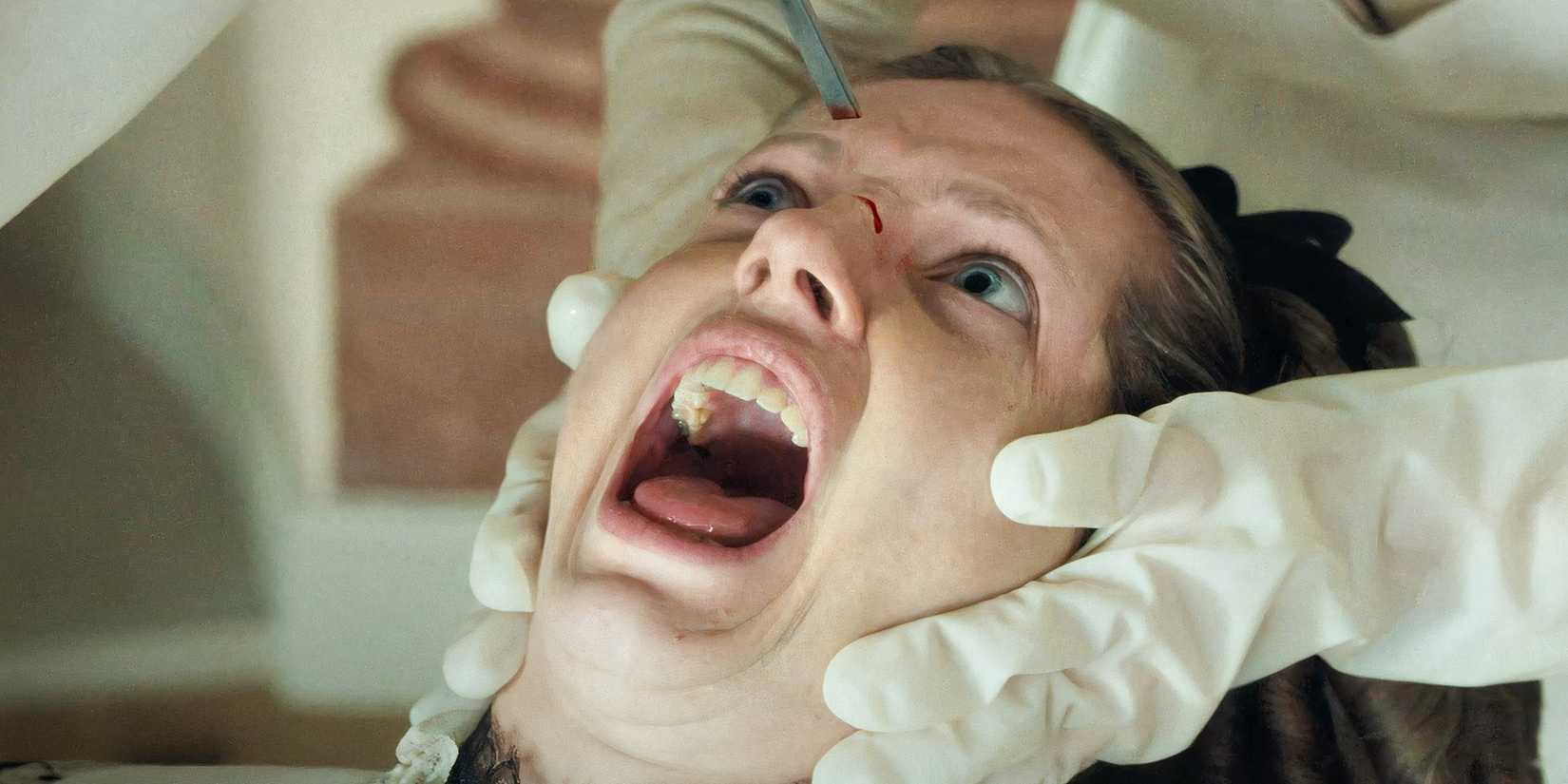
French director Julia Ducournau made an explosive feature debut with Raw, an audacious body horror satire. Using literal cannibalism as a pitch-black metaphor for the turbulent transition into adulthood, the film spares no gory detail during its protagonist’s unwelcome awakening.
Strict vegetarian Justine (Garance Marillier) enrolls in veterinary school, following in the footsteps of her family. Subjected to extreme, blood-soaked hazing rituals alongside her sister Alexia (Ella Rumpf), Justine slowly develops an unquenchable craving for human flesh. Ducournau uses this horrific dietary pivot to ask profound, deeply unsettling questions about familial bonds and self-actualization.
7. The Ugly StepSister (2025)
Nordic fairy tale retold with maximum revulsion, The Ugly StepSister offers a nausea-inducing spin on Cinderella. Shifting the perspective to Elvira (Lea Myren)—the stepsister striving to match her kingdom’s obsession with pulchritudinous beauty—the film showcases increasingly barbaric, self-inflicted cosmetic procedures.
From primitive plastic surgeries to a tapeworm-driven weight-loss regime featuring one of the most vile regurgitation sequences in cinematic history, Elvira’s body and psyche endure relentless torment before reaching an unexpected thematic resolution on self-acceptance.

6. Titane (2021)
Following her explosive debut, writer-director Julia Ducournau secured the prestigious Palme d’Or at the Cannes Film Festival with Titane, a glorious homage to David Cronenberg’s technological body horror.
After surviving a childhood car crash that leaves her with a titanium plate fitted into her skull, Alexia (Agathe Rousselle) develops homicidal tendencies and an unnatural attraction to automobiles. When she breaks her own nose and rearranges her features to assume the identity of a missing boy, Titane delivers unforgettable imagery, interrogating how physical trauma permanently fractures the human psyche.
5. Together (2025)
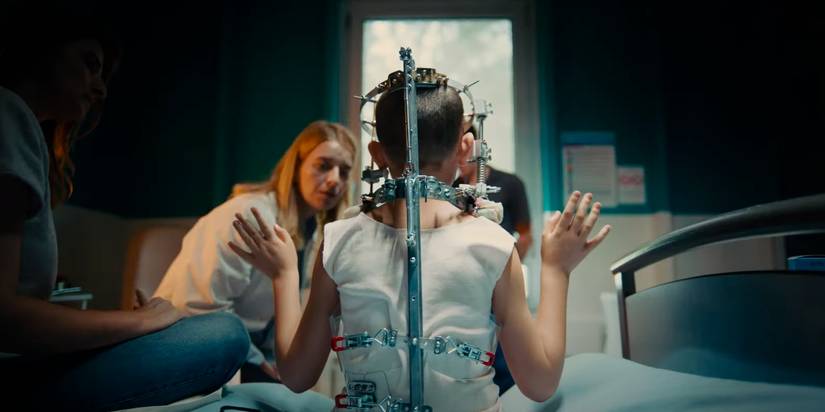
Proving that body horror does not always require oceans of gore, Michael Shanks’ Together explores the psychological depths of codependency. Starring real-life couple Alison Brie and Dave Franco as Millie and Tim, the film chronicles a troubled relationship relocating upstate in search of a fresh start.
An inexplicable force draws them together—literally—as their skin begins to stick and fuse. As the physical union progresses, the metaphor melts away into a revolting, deeply uncomfortable reality, culminating in one of the most chilling non-gory body horror finales of the decade.
4. Videodrome (1983)
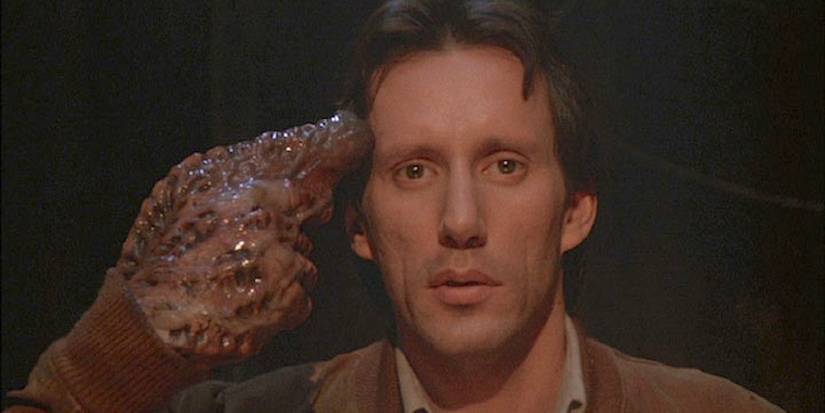
David Cronenberg’s Videodrome stands as a quintessential text in the subgenre. Blending psychosexual dread with hallucinatory social commentary on media consumption, the film tracks Max Renn (James Woods), the operator of a sleazy cable station.
When Max stumbles upon an underground broadcast titled "Videodrome" featuring extreme, uncensored violence and snuff material, he traces the signal, only to discover it induces literal brain damage and tumor growth. Blurring the line between flesh and cathode-ray tubes, Cronenberg prophesied humanity’s perilous, inescapable integration with technology decades ahead of schedule.
3. The Substance (2024)
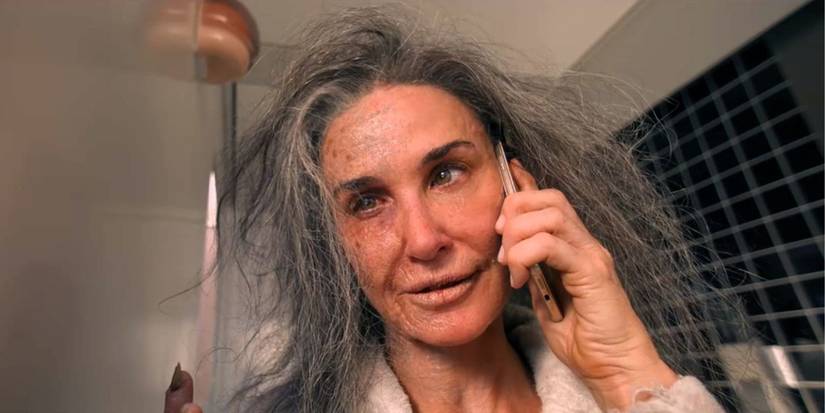
Coralie Fargeat’s modern, venomous take on Dr. Jekyll and Mr. Hyde earned widespread acclaim and awards recognition. The Substance examines humanity’s age-old obsession with eternal youth through Elisabeth Sparkle (Demi Moore), an aging starlet who utilizes a mysterious black-market cellular procedure.
The procedure spawns a younger, radiant alter ego, Sue (Margaret Qualley). As the timeline for switching hosts is violated, Elisabeth’s original body undergoes an abject, horrifying deterioration, eventually mutating into a multi-limbed monstrosity. Fargeat weaponizes body horror as a razor-sharp satire of societal misogyny and the impossible beauty standards forced upon women.
2. Hellraiser (1987)
Clive Barker’s directorial debut, Hellraiser, established an unforgettably painful thesis: the thin boundary between ecstasy and agony.
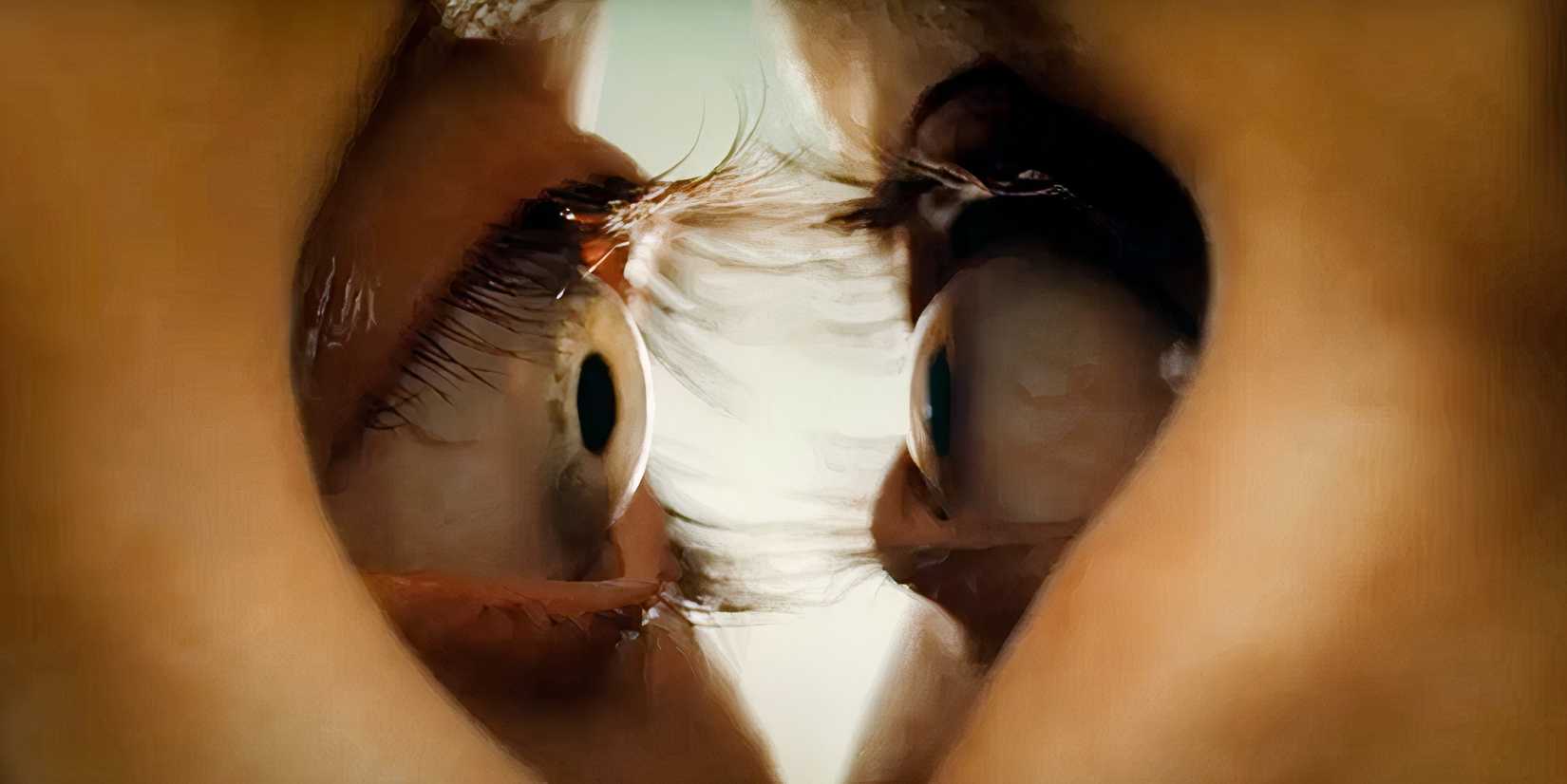
The narrative centers on Frank (Sean Chapman), a sadomasochism enthusiast who unlocks a puzzle box opening portals to alternate dimensions inhabited by the Cenobites. Led by the iconic Pinhead (Doug Bradley), these entities harvest human souls using chained hooks that meticulously flay the flesh. When Frank’s niece Kirsty (Ashley Laurence) accidentally opens the box, Barker unleashes a masterclass in sadomasochistic practical effects.
1. The Fly (1986)
David Cronenberg’s The Fly remains the undisputed king of body horror—a masterwork that balances cutting-edge practical effects with a deeply tragic human heart.
Brilliant scientist Seth Brundle (Jeff Goldblum) invents a teleportation system capable of molecular transference. When science reporter and romantic partner Veronica Quaife (Geena Davis) enters his life, Seth attempts to transport himself, unaware a common housefly has snuck into the pod. The resulting DNA fusion initiates Brundle’s agonizing, multi-stage transformation into the "Brundlefly." Highlighting themes of ambition, disease, and inevitable aging, The Fly endures as a staggering artistic achievement.
Supporting Data & Technical Milestones
| Film Title | Director | Release Year | Primary Body Horror Motif | Notable SFX Achievement |
|---|---|---|---|---|
| The Blob | Chuck Russell | 1988 | Acidic Liquefaction | Hand-molded silicone and methyl cellulose goo |
| Raw | Julia Ducournau | 2016 | Cannibalism / Maturation | Realistic prosthetic flesh and visceral sound design |
| Titane | Julia Ducournau | 2021 | Technological Integration | Cranial metal plating and extreme facial trauma prosthetics |
| Videodrome | David Cronenberg | 1983 | Media / Flesh Fusion | Mechanical VHS insertion slots and hallucinatory hallucinations |
| The Substance | Coralie Fargeat | 2024 | Aging and Self-Obsession | Full-body prosthetic suits and elaborate multi-stage creature design |
| The Fly | David Cronenberg | 1986 | Genetic Mutation | Multi-phased "Brundlefly" progressive breakdown suits |
Official Responses and Critical Reception
Over the decades, the cultural perception of body horror has shifted dramatically. Once dismissed by mainstream critics as low-brow exploitation, works by auteurs like David Cronenberg, Julia Ducournau, and Coralie Fargeat have achieved high-art status, earning top prizes at prestigious international festivals including Cannes and the Academy Awards.
Industry veterans and modern critics alike have praised the subgenre’s reliance on practical effects over digital rendering. Makeup effects artists such as Tony Gardner and Chris Walas have frequently highlighted that tactile, physical effects elicit a much deeper, visceral psychological reaction from audiences than computer-generated imagery ever could. Studio executives have similarly taken note, with recent theatrical successes proving that audiences possess an insatiable appetite for bold, boundary-pushing practical artistry.
Implications: Why We Crave the Grotesque
The enduring popularity of body horror speaks volumes about the human condition. At its core, the subgenre forces viewers to confront their ultimate lack of control over their own biology. Bodies age, break down, betray us through illness, and ultimately perish.
By externalizing these internal anxieties into monsters, mutations, and fusions, filmmakers like Cronenberg and Fargeat offer a strange form of catharsis. We watch characters undergo horrific transfigurations not merely to be shocked or repulsed, but to process the terrifying reality of what it means to live inside a fragile, changing human vessel. As long as humanity struggles with identity, vanity, and mortality, body horror will remain an essential, thrilling mirror to our deepest fears.
