
The Snake Returns: Zack Snyder Breaks Silence on ‘Escape from New York’ Remake
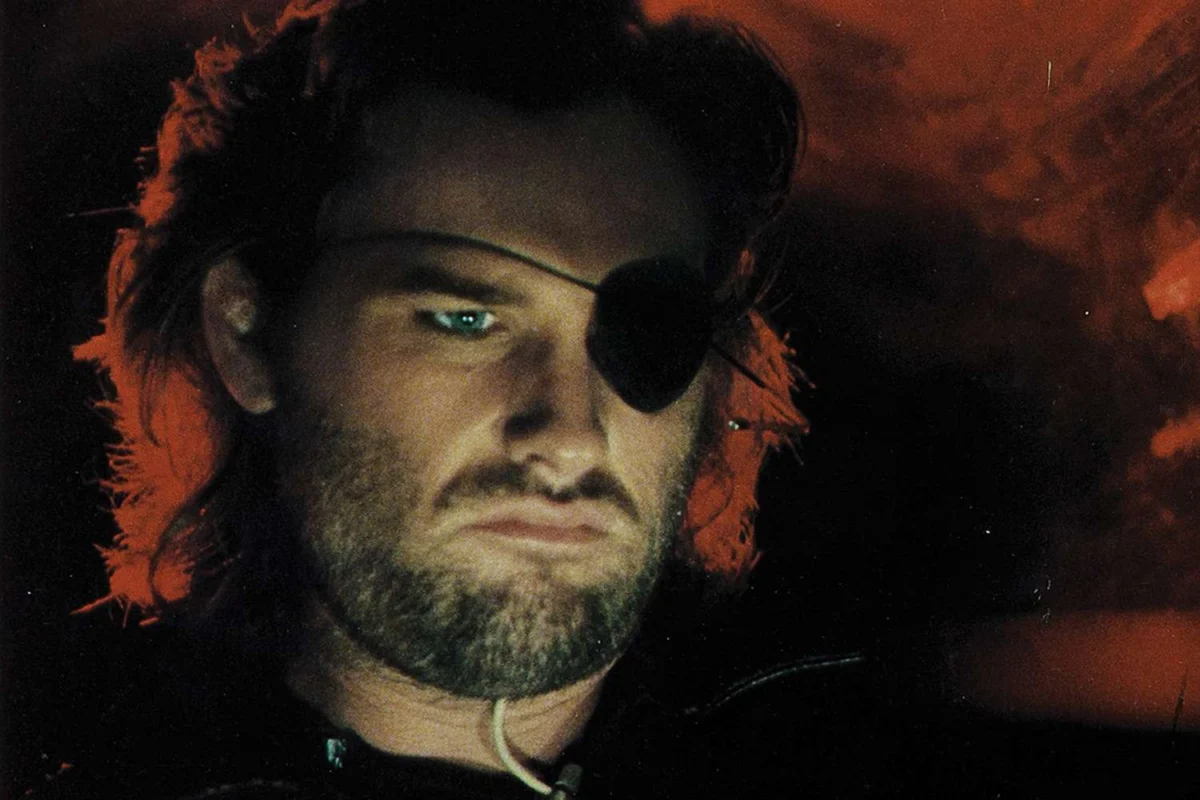
In the modern cinematic landscape, the "remake" has become a polarizing staple—a testament to either the enduring power of classic narratives or, as critics often lament, a symptom of creative fatigue in the blockbuster machine. Zack Snyder, a director whose career has been defined by his visual audacity and his penchant for reinterpretations of iconic material, has officially stepped back into the ring of the remake. Following his 2004 debut with the reimagining of George A. Romero’s Dawn of the Dead, Snyder is now setting his sights on John Carpenter’s 1981 cult masterpiece, Escape from New York.
While the project was initially announced earlier this year, details remained shrouded in mystery until a recent appearance by Snyder on the Happy Sad Confused podcast. In a candid conversation with host Josh Horowitz, the director finally pulled back the curtain on his creative vision for the project, confirming that he has no interest in "modernizing" the setting—a decision that is already sparking intense debate among cinephiles and industry analysts alike.
The Core Vision: An Unwavering Stance on Period Authenticity
For those anticipating a high-tech, contemporary reimagining of Manhattan as a maximum-security prison, Snyder’s comments offer a surprising pivot. Eschewing the common industry practice of updating vintage concepts for modern sensibilities, Snyder is doubling down on the 1980s aesthetic that birthed the original.
"The movie is going to be set in ’97, from the perspective of 1981," Snyder clarified during the interview. "I set the movie [in] the war between the United States Police Force and the criminal elements. It takes place, I think, July 9th, 1981, which is the release date of the original movie… The rest is pretty much Escape from New York."
This revelation confirms that Snyder intends to operate within a historical vacuum. By maintaining the 1981 perspective of the future—a "retro-futurism" that relies on the technology and political anxieties of the late Cold War era—Snyder is effectively attempting to preserve the DNA of the original film rather than graft new organs onto it. It is a stylistic choice that prioritizes the "kitsch and camp" of the original over the need for relevance through modern technological tropes.
Chronology: From Carpenter’s Vision to Snyder’s Lens
To understand the weight of this undertaking, one must look at the historical trajectory of the Escape franchise.
1981: The Original Blueprint
John Carpenter’s Escape from New York arrived at a time of rising urban decay in America. With a modest budget of approximately $6 million, Carpenter created a dystopian vision where Manhattan had been walled off into a sprawling prison. Kurt Russell’s portrayal of Snake Plissken—an anti-hero who defined the "tough guy" archetype for a generation—anchored a film that was as much a political satire as it was an action thriller.
2004: The Snyder Precedent
Snyder’s career was launched into the stratosphere with his Dawn of the Dead remake. Unlike many directors who treat source material with extreme reverence, Snyder significantly altered the tone of Romero’s original, opting for high-octane pacing and sprinting zombies. The success of this project gave him the capital and the industry clout to pursue his own original visions, such as 300, Watchmen, and the Rebel Moon saga.
2024: The Announcement and Beyond
The announcement of the Escape from New York remake earlier this year sent shockwaves through social media. Industry insiders have noted that the rights to the franchise have been a "hot potato" for over a decade, with various directors—including Robert Rodriguez and Leigh Whannell—having been attached to the project at different points in time. Snyder’s confirmation that he is at the helm marks the most significant development in the franchise’s history in over 40 years.
Supporting Data: Why Remake a Classic?
The decision to remake a beloved classic is rarely driven by artistic necessity alone; it is a calculated financial maneuver. Industry data suggests that intellectual property (IP) is the primary driver of studio investment in the 2020s.
- Risk Mitigation: Studios are increasingly averse to original scripts, favoring established properties with built-in fanbases. Escape from New York remains a recognized brand with international appeal.
- The "Nostalgia Economy": Statistics from major box office trackers indicate that audiences are more likely to purchase tickets for films that tap into the aesthetic of the 1980s—a trend propelled by the massive success of properties like Stranger Things and the Top Gun sequel.
- The Creative Challenge: For a director of Snyder’s caliber, the project serves as a technical exercise. By replicating the 1981 "feel," Snyder is challenging his production design team to recreate a lost era of cinema, moving away from the digital cleanliness of modern blockbusters toward the grit and grain of celluloid-inspired filmmaking.
Official Responses and Creative Philosophy
Snyder’s approach is rooted in an appreciation for the original film’s dual nature. He describes Escape from New York as the "perfect combination of kitsch and camp," but emphasizes that there is a deeper, more enduring political layer to be mined.
"It’s in a way that’s satire and can get to us," Snyder noted. "We can make comments about government and all the overreach or whatever you want to call it, the People’s Liberation Front of America, all that stuff… That’s in the headlines. It’s quite current, in some ways."
The director’s perspective highlights a crucial point: while the technology of 1981 is obsolete, the political themes of government overreach and societal collapse are, arguably, more resonant now than they were during the Reagan era. By keeping the setting in 1981, Snyder suggests that the audience will view these themes through the "safety" of a period piece, allowing the satire to land without the distraction of modern political polarization.
Implications: The Search for the New Snake
Perhaps the most significant question looming over the project is the casting of the protagonist. Kurt Russell’s Snake Plissken is arguably one of the most iconic performances in cinema history. His eyepatch, his cynicism, and his gravelly delivery are inextricably linked to the actor’s persona.
When asked who might step into the role, Snyder remained tight-lipped. This silence has fueled rampant speculation across fan forums. Will the studio seek a proven action star, or will they opt for a younger, grittier actor to redefine the role? The casting of Plissken will be the single most important decision for the project’s commercial viability. If the actor fails to capture the "cool factor" that Russell brought to the role, the remake risks being dismissed as a hollow imitation before the first frame is even shown.
Furthermore, the implications for the industry are profound. If Snyder succeeds in this "retro-remake," it could open the floodgates for a new genre of filmmaking: the "period remake." Instead of updating classic stories, studios may begin producing remakes that remain faithful to the decade of their origin, effectively creating parallel universes of classic cinema.
Conclusion: A High-Stakes Bet
As of this writing, there is no official release date for the Escape from New York remake. The project is still in the development phase, with script iterations and casting searches ongoing.
Critics remain divided. Some argue that the original film is perfect as it is and should be left untouched. Others believe that Snyder’s unique visual language is exactly what is needed to revitalize the story for a generation that might otherwise overlook a 1981 thriller. Regardless of one’s stance, the project is destined to be one of the most scrutinized films of its decade.
Zack Snyder has made his intent clear: he is not looking to "fix" Escape from New York. He is looking to inhabit it. Whether that journey leads to a triumphant revival or a cautionary tale of creative hubris remains to be seen. For now, the world waits to see who will be tasked with the unenviable job of putting on the eyepatch and walking the streets of a forgotten Manhattan.
