
The Lost 1995 SNES Kid Kirby Project Finally Recreated by Fans: A Window into What Could Have Been
By James Jordan Lynch
Published September 21, 2026
There is an inherent tragedy attached to video games that are abandoned deep into their development cycles. Even today, in 2026, the graveyard of the industry is littered with ambitious projects that were unceremoniously canned just months—or sometimes weeks—before crossing the finish line.
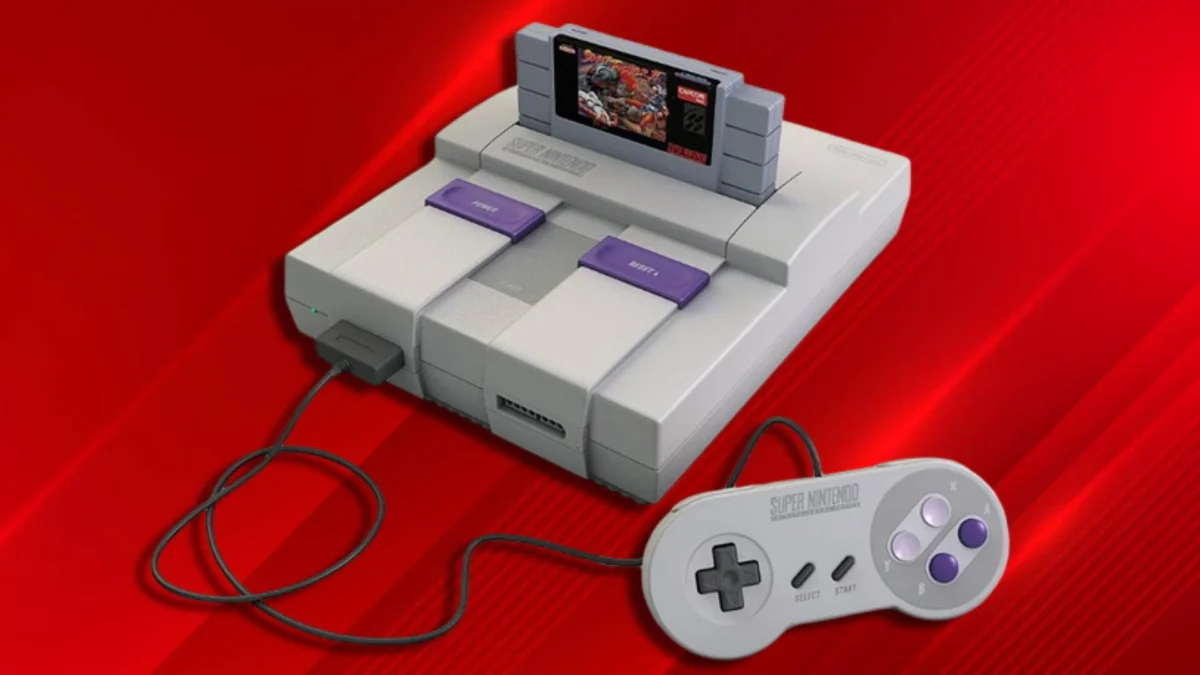
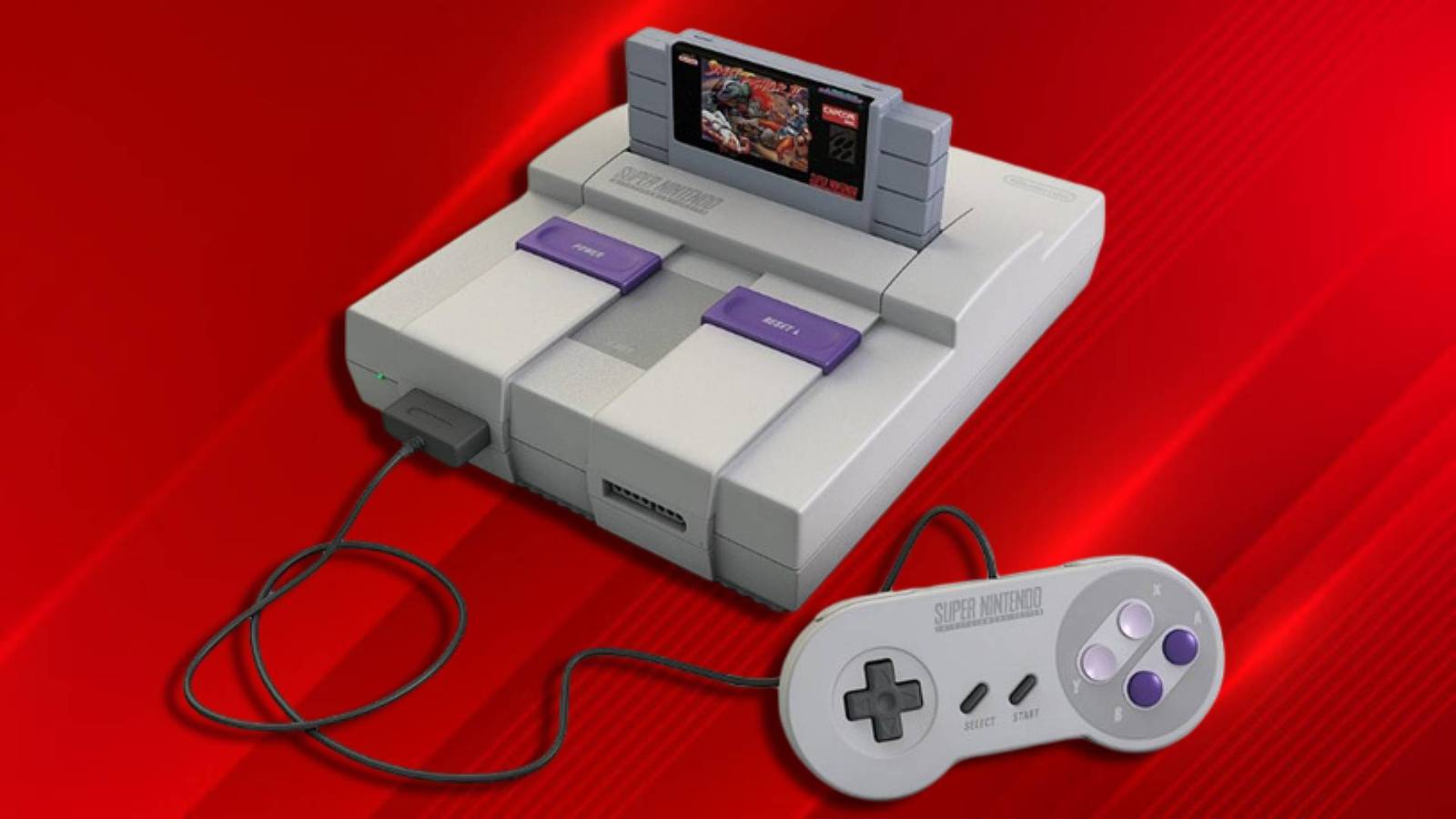
For those who grew up gaming in the 1990s, Nintendo reigned supreme as the undisputed king of the hardware landscape. The Super Nintendo Entertainment System (SNES) served as the backdrop for countless childhood memories, birthing timeless classics and defining an entire generation of interactive entertainment. Yet, alongside the legendary titles that populated store shelves, a handful of ghosts lurk in the shadows of Nintendo’s history—projects that promised the world but vanished without a trace.
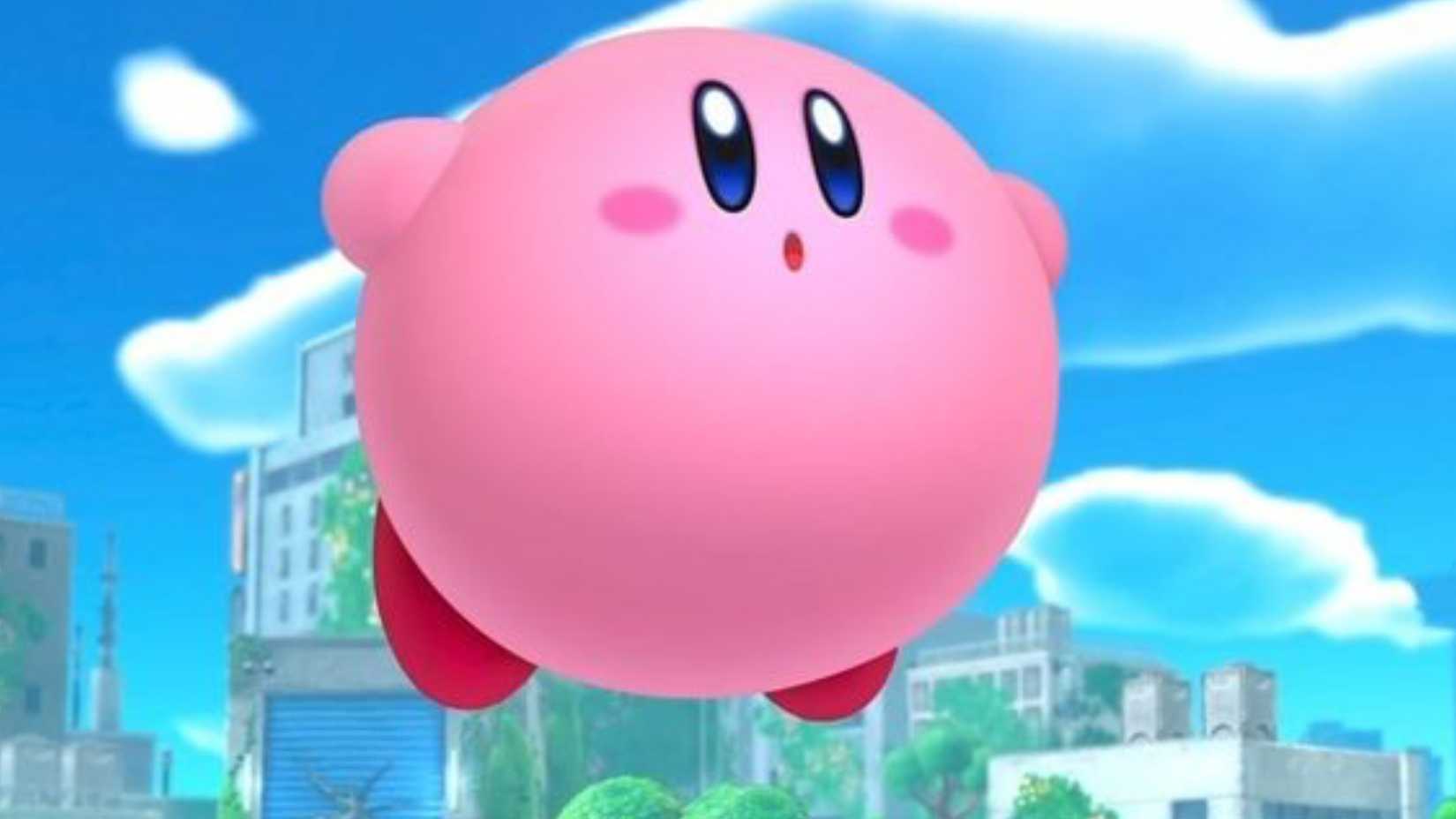
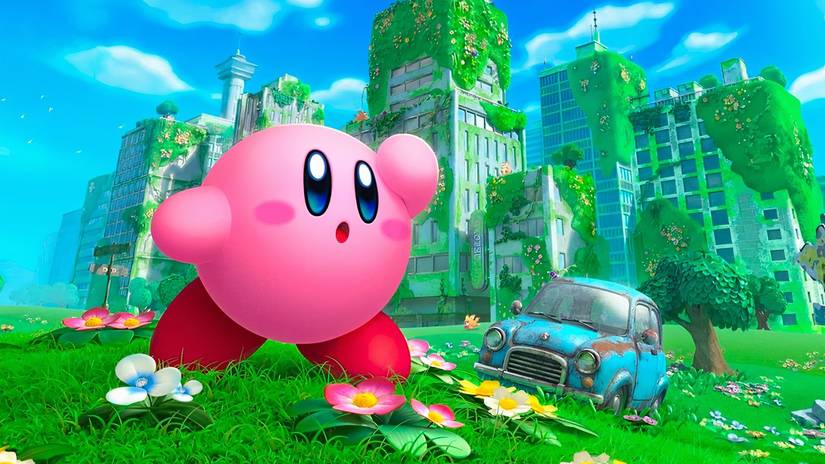
One such casualty was Kid Kirby, a planned SNES title that was abruptly canceled ahead of a planned 1995 release. For decades, the game existed only as a whisper of concept art, hazy magazine previews, and corporate lore. Now, thanks to the tireless reverse-engineering and preservation efforts of passionate retro gaming fans, Kid Kirby has finally been brought to life as a playable PC fan-recreation. More than just a nostalgic curiosity, this playable artifact offers a fascinating window into an alternate timeline of video game history—one that involves the unlikely intersection of Nintendo’s pastel pink mascot and the studio that would eventually spawn Grand Theft Auto.
Main Facts: Unearthing the Canceled 1995 SNES Title
The existence of Kid Kirby has long fascinated gaming historians due to one extraordinary detail: if it had been completed, it would have been the first and only Kirby game in history developed by a Western studio.
While Nintendo traditionally kept its flagship intellectual properties close to home, managed by internal Japanese teams or trusted second-party partners like HAL Laboratory, Kid Kirby was outsourced to DMA Design. Based in Dundee, Scotland, DMA Design was a rising star in the European development scene during the early 1990s.
According to archival materials and the newly released fan recreation, the narrative setup for Kid Kirby was delightfully whimsical, adhering to the cozy yet adventurous tone of Dream Land:
"Kirby was dreaming in Dream Land because that’s what you’re supposed to do there. Dreams were warm and cute. But his dream was cut short by a big commotion outside! Kirby put away his dream so he could use it later on. Nothing seemed to be wrong at first, but as he watched, something amazing happened… The Dream Spring stopped! Well this just wouldn’t do, would it? He would have to restart it! He packed away his adventure kit to deal with anything he might find. This mystery was going to be solved! Stepping outside, brave little kid kirby [sic] started on the path that would lead him all over Dream Land. Good Luck!"
Thanks to the dedicated work of fan developer Novastar86b, a functional PC recreation of the canceled SNES game has been released on itch.io. The fan-made build features eight distinct levels and a climactic boss fight. With each level completed, new mechanics are introduced to keep the gameplay loop fresh and engaging, capturing the spirit of what DMA Design was aiming for over three decades ago.
Chronology: From DMA Design’s Pitch to the Modern Fan Revival
To understand how Kid Kirby went from a corporate misfire to a playable reality, it is necessary to trace the timeline of its turbulent development and subsequent rediscovery.

Early 1990s: The DMA Design Era
Before DMA Design became a household name for creating high-octane, open-world urban crime simulators, the studio cut its teeth on clever, critically acclaimed 2D puzzle-platformers like Lemmings. Impressed by their technical proficiency and creative design sensibilities, Nintendo approached the Scottish developer to pitch concepts for a fresh take on their burgeoning pink hero, Kirby.
1995: The Canned Project
The collaboration ultimately resulted in Kid Kirby, which aimed to utilize a unique mouse-driven control scheme or alternative hardware gimmicks common for the era. However, communication hurdles between Japan and Scotland, shifting hardware paradigms as the industry stared down the barrel of the 3D revolution (led by the impending arrival of the Nintendo 64 and Sony PlayStation), and design complications led Nintendo to pull the plug. Kid Kirby was quietly canceled in 1995, and DMA Design moved on to other pastures.
The Decades of Obscurity
For nearly thirty years, Kid Kirby was a ghost. Occasional leaks of early sprite sheets, development documents, and rough concept art surfaced via enthusiast websites and interviews, teasing retro collectors with what might have been, but the game itself remained entirely unplayable.
2026: The Fan Recreation Arrives
Bridging a decades-long gap, independent preservationists and developers leveraged surviving design documentation, leaked assets, and reverse-engineering techniques to rebuild the game from scratch. Released on itch.io, the Kid Kirby PC recreation finally allows modern players to experience the lost 1995 platformer firsthand, transforming historical vaporware into an interactive reality.
Supporting Data & Technical Overview
For those looking to dive into the fan-made recreation, the build offers a surprisingly robust slice of mid-90s platforming action.
- Platform of Original Intent: Super Nintendo Entertainment System (SNES)
- Modern Recreation Platform: PC (Available via itch.io)
- Original Developer: DMA Design (later evolved into Rockstar North)
- Content Included in Recreation: 8 playable levels, sequential mechanic introductions, and a final boss encounter.
- Cost: 100% free via the developer’s community page.
Hardware Legacy of the SNES
The Super Nintendo, upon which Kid Kirby was originally engineered, remains one of the most beloved pieces of hardware in consumer electronics history:
| Specification | Details |
|---|---|
| Brand | Nintendo |
| Original Release Date | August 23, 1991 (North America) |
| Original MSRP | $199 USD |
| Media Format | ROM cartridge |
| Weight | 2.12 lbs |
Official Responses and Industry Context
While Nintendo has not officially commented on the fan-made PC recreation—as is typical of the publisher’s strict legal stance regarding unauthorized adaptations of its intellectual property—gaming outlets and preservationists have widely celebrated the release.
DSO Gaming and other prominent outlets first spotlighted the project, drawing immense attention to the sheer novelty of a playable DMA Design Nintendo title. The curiosity surrounding the game stems largely from the pedigree of its original creators. DMA Design famously transitioned out of its sprite-based platforming days into Rockstar North, the powerhouse studio behind the Grand Theft Auto franchise.
This historical lineage has turned Kid Kirby into a legendary "what-if" scenario within the video game industry.
Implications: The Alternate Timeline of Video Games
The resurrection of Kid Kirby invites profound speculation about how a single corporate decision in 1995 could have altered the entire trajectory of modern interactive entertainment.
If Nintendo had embraced Kid Kirby and greenlit subsequent projects with DMA Design, the studio might have remained firmly entrenched in the family-friendly, platforming ecosystem of Nintendo platforms. In that alternate reality, the creative forces that birthed Grand Theft Auto would have been tied to mascot-driven adventures and colorful cartridge-based releases.
Without the freedom to pivot toward mature, subversive open-world gameplay, the gritty urban sandbox genre might never have materialized in the late 1990s, fundamentally altering the financial and cultural landscape of the multi-billion-dollar gaming industry.
Ultimately, Kid Kirby stands as both a poignant reminder of the fragile nature of game development and a testament to the dedication of modern preservationists. Thanks to their efforts, a lost piece of SNES history has been rescued from oblivion, giving fans around the world a chance to step into Dream Land via a road not taken.
