
The Beast Awakens: Robert Eggers Unleashes the Visceral Terror of Werwulf
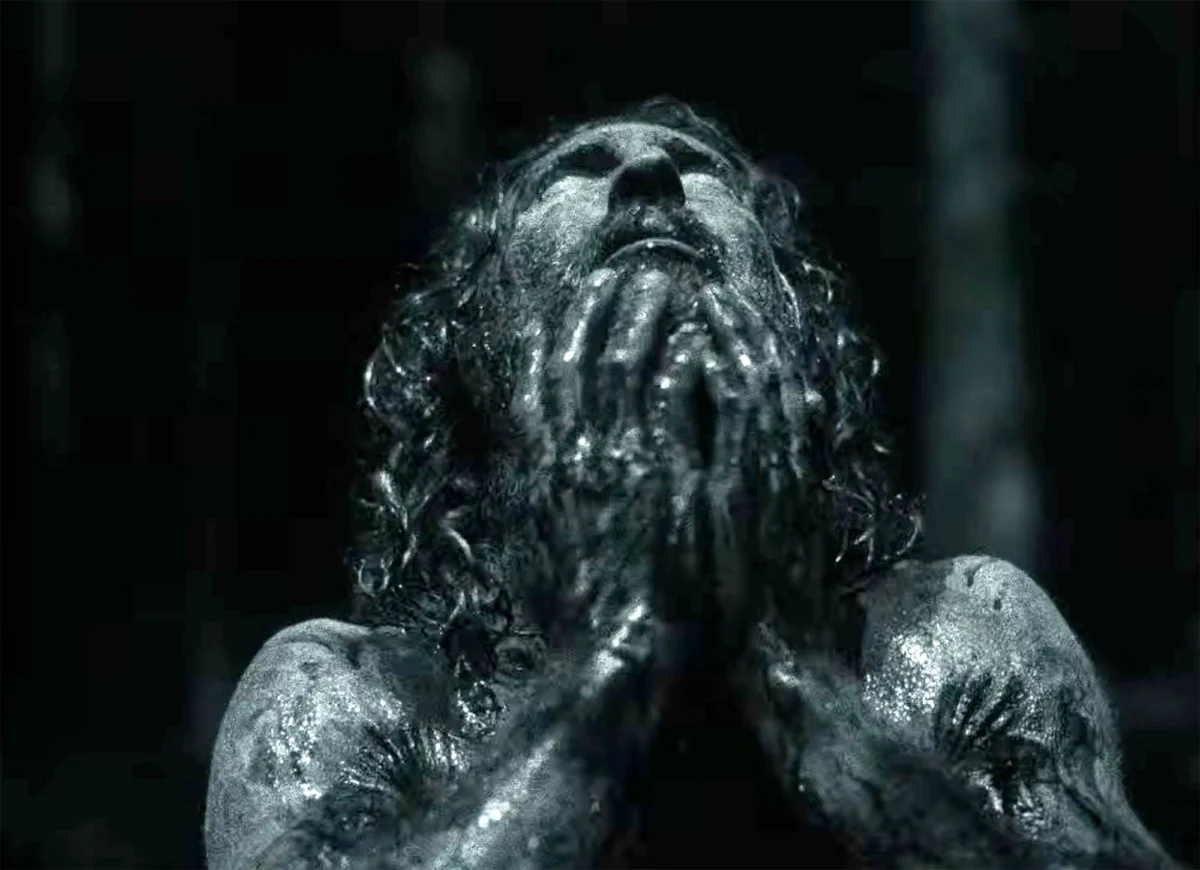
By Editorial Staff | September 26, 2026
As the full moon climbs into the autumn sky, Focus Features has provided a chilling reminder of what lurks in the shadows. Following the high-anticipation buildup surrounding his previous gothic masterwork, Nosferatu, visionary director Robert Eggers has unveiled the second full-length trailer for his latest descent into historical horror: Werwulf (alternatively stylized as VVervvulf). Set for a wide theatrical release on Christmas Day 2026, the film promises to be the most grueling, immersive, and linguistically authentic exploration of the lycanthrope myth ever committed to celluloid.
The Anatomy of the Beast: Main Facts
Robert Eggers, the auteur behind The Witch, The Lighthouse, and The Northman, has never been one to shy away from the suffocating weight of history. With Werwulf, he turns his meticulous gaze toward 13th-century England—a period defined by brutal living conditions, religious fervor, and a landscape where folklore and reality were indistinguishable.
The film stars Aaron Taylor-Johnson as a cursed farmer whose transformation is not merely a biological shift, but a spiritual damnation. Joining him is an ensemble cast that reads like a who’s who of prestige genre acting: Lily-Rose Depp, the perennial Eggers collaborator Willem Dafoe, and the haunting presence of Ralph Ineson. The film is built upon a screenplay co-written by Eggers and the Icelandic poet Sjón, known for his mythic sensibilities and linguistic precision.

The trailer, released amidst a flurry of online speculation, offers a glimpse into the film’s "Middle English" dialogue—a choice that underlines Eggers’ commitment to total period immersion. With a haunting score composed by Robin Carolan and the razor-sharp, atmospheric cinematography of Jarin Blaschke, Werwulf is positioned as a visceral, uncompromising meditation on the "devil within."
A Chronology of Anticipation: From Concept to Creature
The journey of Werwulf from an ambitious script to a highly anticipated Christmas release has been marked by a slow, deliberate drip of information, typical of Eggers’ marketing strategies.
- Early 2025: Rumors began circulating that Eggers was looking to follow his reimagining of the vampire mythos (Nosferatu) with a deep-dive into the medieval origins of the werewolf.
- Late 2025: Production was confirmed, with principal photography taking place across the United Kingdom, specifically utilizing the soundstages of Elstree Studios, the rugged landscapes of Wales, and the ancient, dense canopy of the Forest of Dean in Gloucestershire.
- Mid-2026: The first teaser trailer dropped to widespread critical acclaim, establishing the film’s grim, color-drained aesthetic and the terrifying ambiguity of its antagonist.
- September 2026: The second full trailer, released under the shadow of a full moon, showcased more of the creature’s practical effects and the psychological toll of the central performances.
- December 25, 2026: The global theatrical release, positioning the film as a dark, subversive alternative to traditional holiday cinema.
Supporting Data: The Craft Behind the Curse
To understand the weight of Werwulf, one must look at the technical architecture Eggers has constructed. The film is not a standard "jump-scare" horror; it is a labor-intensive period piece.
The Linguistic Challenge
By utilizing Middle English, Eggers is challenging the audience’s suspension of disbelief. Much like he did with the 17th-century vernacular in The Witch, this linguistic barrier serves to isolate the audience from the modern world, forcing them to experience the film through the mindset of a 13th-century villager. This is not just a stylistic choice; it is an act of historical reconstruction.

Technical Prowess
The cinematography by Jarin Blaschke continues the visual dialogue started in The Lighthouse. The film uses natural, candle-lit, and moonlight-only sources to create a "painterly" quality that feels plucked from a medieval tapestry. The practical effects, which have been kept largely under wraps to preserve the mystery of the "creature," are reported to eschew modern CGI in favor of prosthetics and animatronics, giving the werewolf a tangible, physical threat that the audience can feel.
Production Sites
The choice of the Forest of Dean is particularly significant. As one of the oldest and most atmospheric woodlands in England, its deep, claustrophobic foliage provides a perfect setting for a story rooted in the "uncanny." The production’s investment in authentic period architecture, costumes, and agricultural tools further grounds the narrative in a reality that feels both dusty and dangerous.
Official Responses and Industry Buzz
The release of the second trailer has prompted an immediate reaction from both horror enthusiasts and the broader cinematic community. Focus Features has leaned into the film’s "visceral and haunting" nature, describing it in marketing materials as a "harrowing tale of devotion, damnation and the devil within."
Early industry whispers suggest that this is the darkest script Eggers has ever written. In an interview segment from the film’s production site, devourethallmankynde.com, the filmmakers hinted that the film explores not just the physical violence of a werewolf, but the societal collapse that occurs when a village turns on itself in the face of the unknown.

Willem Dafoe, appearing in yet another Eggers production, has been noted for a performance that allegedly pushes the boundaries of his previous collaborations with the director. Meanwhile, Aaron Taylor-Johnson’s physical transformation for the role—which required months of training and prosthetic work—has become a central talking point for critics expecting a career-defining performance.
Implications: The Future of Folk Horror
The release of Werwulf in the holiday season of 2026 is a calculated risk that reflects the shifting landscape of horror cinema. By placing a dark, bleak, and linguistically complex film on a date usually reserved for family-friendly blockbusters, Focus Features is testing the appetite of the general public for "high-concept" horror.
A New Standard for Horror
If Werwulf succeeds, it will solidify Robert Eggers’ status as the preeminent architect of modern folk horror. It implies that audiences are no longer satisfied with the "slasher" tropes of the early 2000s; instead, there is a growing hunger for films that treat horror as a serious artistic endeavor—films that require the audience to work, to study, and to endure.
The Death of the CGI Monster
By prioritizing practical effects and period accuracy, Werwulf serves as a counter-argument to the reliance on digital visual effects. If the film achieves the same box-office success as its predecessors, it may encourage other studios to invest in tangible, handcrafted horror, potentially sparking a renaissance for practical creature design in Hollywood.

The "Eggers" Effect
Furthermore, the film serves as a litmus test for the "auteur" model of horror. Can a director whose work is notoriously difficult, archaic, and unsparing sustain a long-term career as a major studio staple? With Nosferatu and now Werwulf, Eggers is effectively rewriting the rules of what a "horror franchise" or "horror brand" looks like. It is not about the creature; it is about the atmosphere, the language, and the absolute commitment to a singular, harrowing vision.
Final Thoughts: The Shadow Looms
As December 25th approaches, the anticipation for Werwulf has moved beyond mere excitement—it has become a cultural event. The trailers have done their job: they have teased a nightmare that feels both ancient and immediate.
For those who crave cinema that challenges, disturbs, and lingers long after the credits roll, Werwulf represents the peak of the 2026 film calendar. It is a reminder that in the cold, dark days of winter, the most frightening things are not the ones we invent, but the ones we find buried in the roots of our own history. Do not dread the darkness, as the marketing suggests; simply prepare to witness it.
Whether you are a devotee of the folk horror genre or a newcomer to the meticulous, terrifying world of Robert Eggers, one thing is certain: the village is ready, the moon is full, and the beast is waiting. The question remains—when the sun sets on Christmas Day, will we be able to look at the shadows the same way again?
