
A Bridge Between Eras: How ‘Slow Horses’ Season 6 Orchestrates a Unique Wizarding World Crossover
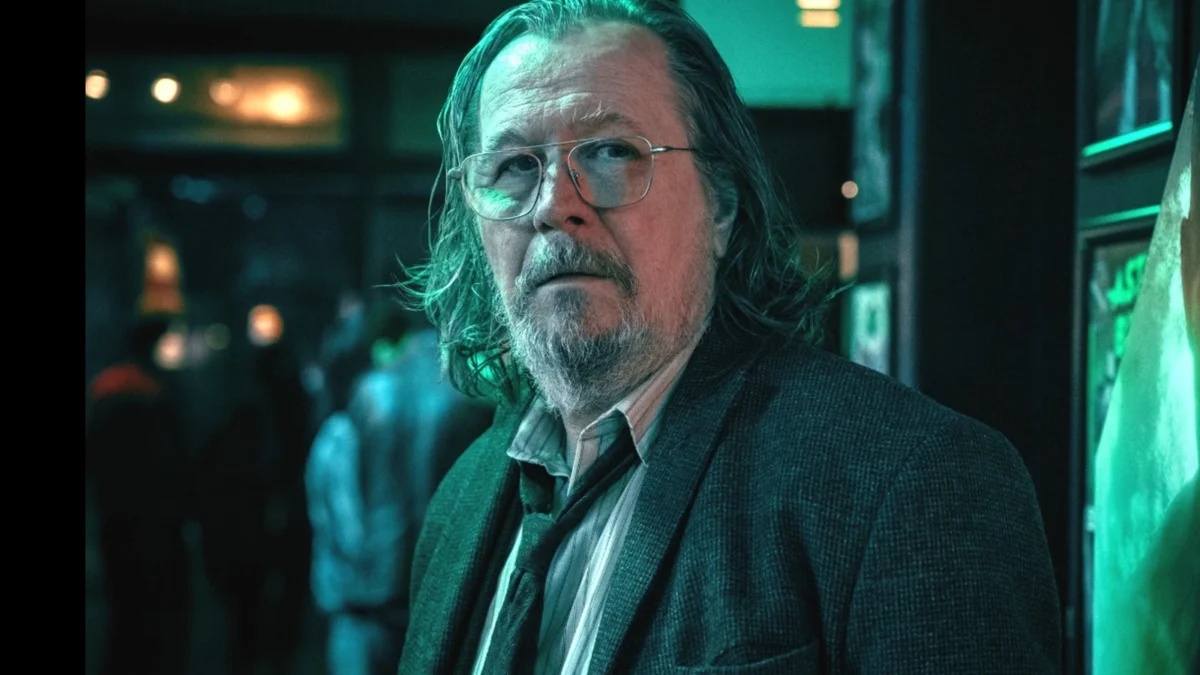
The landscape of British television has long been defined by a specific, tight-knit ecosystem of talent. Due to the concentration of high-end production facilities in and around London, viewers have grown accustomed to seeing the same versatile performers migrate between major franchises, from the sweeping vistas of Game of Thrones to the grounded, gritty espionage of Slow Horses. Now, as the acclaimed Apple TV+ spy thriller enters its sixth season, it has achieved a rare casting convergence: bridging the cinematic legacy of the original Harry Potter films with the highly anticipated future of the HBO Harry Potter television series.
Main Facts: The Intersection of Slough House and Hogwarts
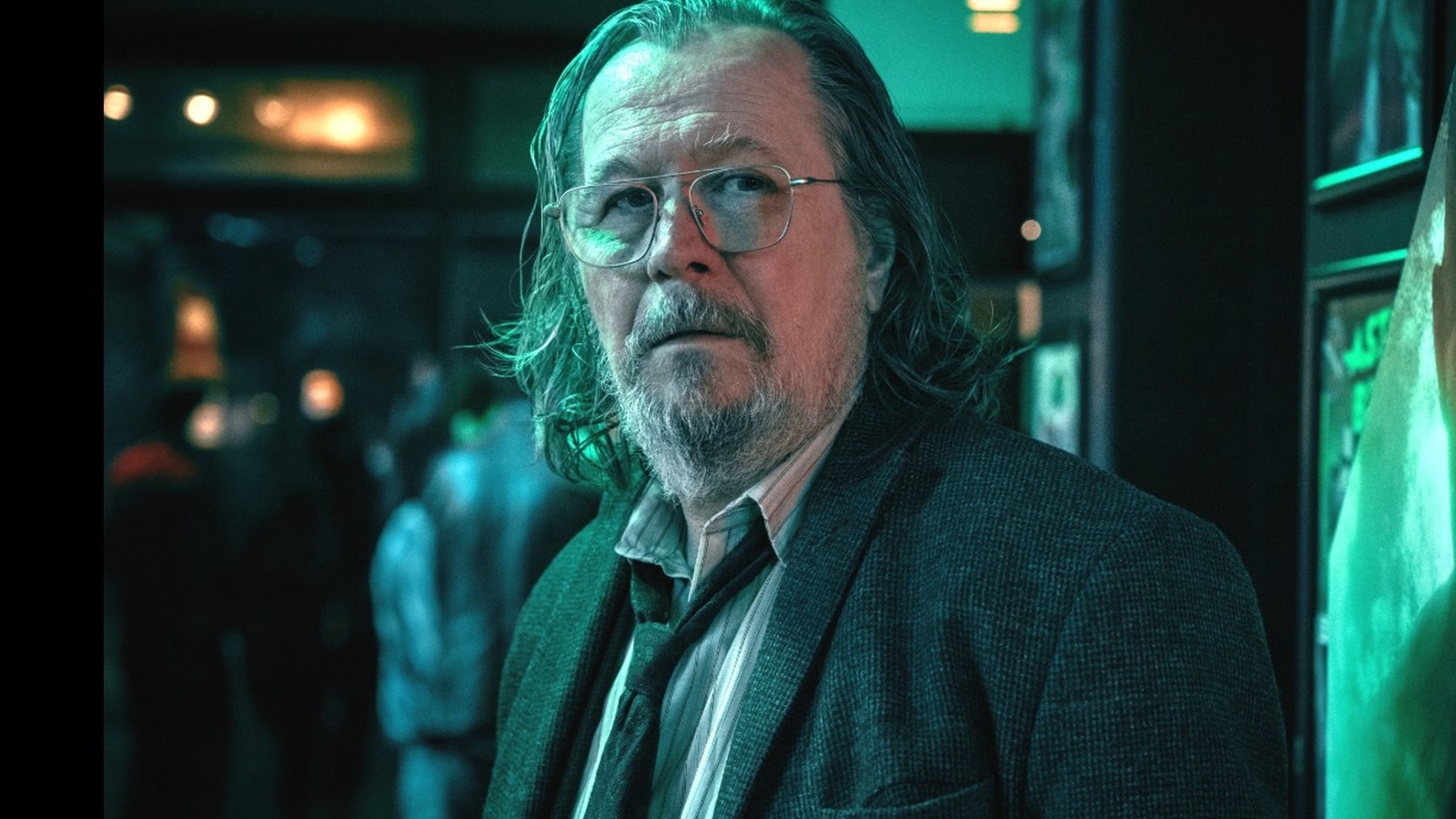
At the center of this crossover is the inimitable Gary Oldman, who has anchored Slow Horses since 2022 as Jackson Lamb. Oldman, a titan of British cinema, famously portrayed Sirius Black—Harry Potter’s godfather—starting in 2004’s Harry Potter and the Prisoner of Azkaban. His performance in Slow Horses as the caustic, unkempt, yet hyper-competent head of Slough House has been widely lauded as one of the best portrayals of a spy in modern television history.
In Season 6, Oldman finds himself sharing the screen with Lenny Rush, a rising star in the UK acting scene. Rush portrays Reece Nesmith, a child caught in a dangerous web of political intrigue after the murder of his father. Beyond his standout work in Slow Horses, Rush has officially been cast to portray Dobby the house-elf in the upcoming HBO Harry Potter series, specifically appearing in the second season.
This union represents more than just a casting coincidence; it is a symbolic passing of the torch from the man who helped define the middle era of the Harry Potter films to the actor tasked with reinterpreting one of the series’ most beloved and tragic characters for a new generation.
Chronology: From the Great Hall to the Arcade
To understand the weight of this intersection, one must look at the timeline of British production dominance.
- 2001–2011: The Harry Potter film franchise establishes a "golden age" of British casting. A "who’s who" of the Royal Shakespeare Company and the National Theatre—including Richard Harris, Alan Rickman, Maggie Smith, and Ralph Fiennes—cycle through the Wizarding World.
- 2004: Gary Oldman joins the franchise as Sirius Black, cementing his place in the cultural zeitgeist for a new generation of fans.
- 2022: Slow Horses premieres on Apple TV+, providing Oldman with a gritty, character-driven vehicle that contrasts sharply with the high-fantasy stakes of his earlier work.
- 2024: Lenny Rush makes waves in Slow Horses Season 6, demonstrating a combative, comedic chemistry with Oldman.
- 2025–2027: The HBO Harry Potter television series is slated for launch, with Rush set to take on the motion-capture and vocal performance of Dobby in the subsequent season.
The scene in the latest Slow Horses episode—featuring a tense yet amusing exchange between Lamb and young Reece in an arcade—serves as a microcosmic view of this evolution. Oldman, the veteran of blockbuster fantasy, plays the weary mentor to a child actor who is just beginning his own journey into that very same intellectual property.
Supporting Data: The UK Casting Phenomenon
The British film and television industry is often described as a "revolving door" of elite talent. This is not necessarily due to a lack of actors, but rather the sheer density of high-budget productions that require a specific caliber of performer.
When analyzing the cast lists of Game of Thrones, Star Wars, and Harry Potter, the overlap is statistically significant. Actors such as Warwick Davis, Fiona Shaw, and Domhnall Gleeson have become staples of major franchises, often playing pivotal roles in multiple competing IP silos. This phenomenon is a direct result of the "London cluster" effect, where production infrastructure, tax incentives, and a localized acting pool create a recursive cycle of talent.
However, the industry is currently at an inflection point. With the United States proposing federal tax credits to encourage domestic production, the "London-centric" nature of these massive, interconnected casting pools may face disruption. If Hollywood production begins to shift more heavily toward domestic U.S. states, the "revolving door" of British talent might be replaced by a more fragmented, globalized system. For now, however, the UK remains the epicenter, and Slow Horses stands as the current gold standard for utilizing that talent pool effectively.
Official Responses and Industry Outlook
The anticipation surrounding the HBO Harry Potter series is met with a mixture of excitement and deep-seated skepticism. The creative decision to remake the novels so closely to the original films has led many critics to question the necessity of the project.
Industry analysts have noted that the "toxic" public discourse surrounding J.K. Rowling has cast a long shadow over the production. Several original Harry Potter film stars, including Daniel Radcliffe and Emma Watson, have publicly distanced themselves from Rowling due to her controversial comments regarding the transgender community. These events have created a bifurcated public perception: the IP remains a global juggernaut, but its cultural reception is arguably more fraught than at any point in the last two decades.
In contrast, Slow Horses continues to operate with near-universal acclaim. By grounding its production in the espionage genre and focusing on the "losers" of the intelligence world, it has managed to cultivate an identity that is distinct from the glossy, big-budget franchises it so often pulls talent from. The show’s success is a testament to the fact that, regardless of the brand name, high-quality writing and performance remain the primary drivers of audience engagement.
Implications: A New Era of Television
The intersection of Slow Horses and Harry Potter serves as a poignant reminder of the transient nature of fame and the enduring power of the craft. As Lenny Rush prepares to step into the role of Dobby, he does so with the invaluable experience of having gone toe-to-toe with one of the most respected actors in the world.
Whether the HBO Harry Potter series will live up to the standard set by the films is an open question, one that will be answered starting this Christmas. Skeptics point to the lack of narrative innovation as a major hurdle, while proponents argue that a long-form television format will allow for a depth of world-building that the films—despite their brilliance—could never fully capture.
For now, the crossover in Slow Horses acts as a bridge. It connects the legacy of the old guard with the potential of the new. It suggests that while the landscape of global entertainment may shift due to tax laws, shifting demographics, and cultural controversies, the fundamental reliance on brilliant, collaborative acting remains the bedrock of great television. As we look toward the 2027 premiere of Harry Potter Season 2, we are reminded that even in the world of spies, ghosts, and house-elves, it is the people in front of the camera who ultimately define the magic of the medium.
