
RØDE Unveils the LPA1 Low-Profile Studio Arm: Bridging the Gap Between Professional Audio and Clean Video Composition
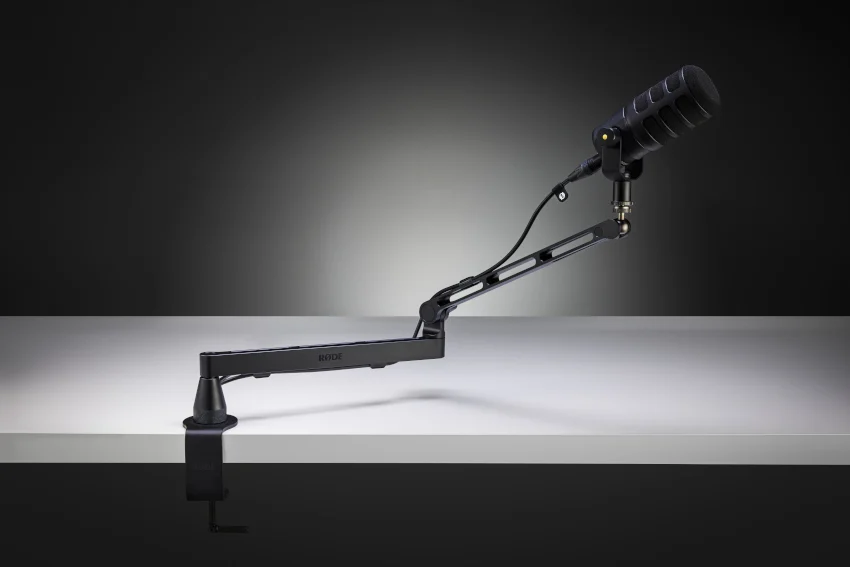
In the rapidly evolving landscape of digital content creation, the line between audio engineering and videography has effectively dissolved. Today’s creators—whether operating out of a multi-camera podcast studio, a home streaming setup, or a professional broadcast booth—rarely capture audio or video in isolation. They do both simultaneously, often in the exact same physical space.
This convergence has exposed a persistent logistical headache for modern producers: microphone placement. While a traditional studio boom arm excels at keeping a microphone suspended close to a speaker’s mouth for pristine audio capture, it often wreaks havoc on camera composition. Tall, overhead arms or bulky desk mounts frequently drift into the upper third of a video frame, creating an unwanted visual distraction that undercuts the polished look of a professional production.
To solve this dilemma, audio tech giant RØDE has launched its latest piece of production hardware: the RØDE LPA1 Pro Low-Profile Studio Arm. Retailing at $139 and available now in a sleek black finish (with a white edition slated for future release), the LPA1 is engineered from the ground up to keep professional-grade microphones securely positioned near the talent while staying discreetly out of the camera’s line of sight.
Main Facts
The RØDE LPA1 is a heavy-duty, low-profile studio mounting arm designed specifically for video podcasts, live streaming, broadcasting, and desk-based camera interviews. Unlike traditional vertical studio arms, the LPA1 hugs the desktop surface, utilizing a unique geometry that drops the supporting structure below the camera’s field of view.
Key technical specifications of the RØDE LPA1 include:
- Maximum Payload Capacity: 2kg (4.4 lbs), making it RØDE’s highest-capacity studio arm to date.
- Horizontal Reach: 750mm (approx. 29.5 inches).
- Articulation: Full 360-degree rotation at the base, paired with 90 degrees of upward adjustment and 60 degrees of downward movement.
- Universal Mounting Standards: Built-in compatibility with 1/4-inch, 3/8-inch, and 5/8-inch threads.
- Desk Compatibility: Heavy-duty desk clamp accommodates surfaces up to 70mm thick.
- Cable Management: Fully integrated internal routing channels for XLR and USB cables.
- Pricing & Availability: Priced at $139, available worldwide now in black, with a white variant forthcoming.
Chronology of the Low-Profile Studio Evolution
The evolution of the desktop microphone arm mirrors the rapid democratization of video production over the last decade.
Phase 1: The Broadcast Standard (Traditional Arms)
For decades, radio broadcasters and voiceover artists relied on high-profile, spring-loaded parallelogram arms. These mounts were optimized purely for audio ergonomics. They allowed a heavy broadcast mic to be swung effortlessly into position and stayed out of the user’s way during typing or reading scripts. However, these arms were designed entirely for the pre-video or audio-only era.
Phase 2: The Webcam and Streaming Boom
With the explosive growth of platforms like Twitch, YouTube, and independent podcasting in the mid-2010s, creators began turning on webcams and mirrorless cameras. Suddenly, millions of streamers found that their trusted broadcast arms were cutting directly across their faces on camera, creating awkward visual frames. Creators resorted to creative camera angles, cropping tightly, or using awkward desktop stands that picked up heavy keyboard vibrations.
Phase 3: The Low-Profile Revolution and RØDE’s Entry
Recognizing the visual clutter caused by traditional hardware, manufacturers began experimenting with "low-profile" designs—arms that sat flat against the desk before angling upward at the very last second near the microphone. While a few competitors introduced early iterations, RØDE’s entry into the space with the LPA1 represents a maturation of the category. By marrying low-profile architecture with an industry-leading 2kg payload and universal accessory mounting, RØDE has effectively future-proofed the desk arm for modern, multi-disciplinary creators who demand both audio fidelity and immaculate visual framing.
Supporting Data and Engineering Breakdown
RØDE has packed several advanced engineering choices into the LPA1, ensuring it can handle professional workloads without sagging or introducing mechanical noise into a recording.
2kg Payload and Material Integrity
The standout engineering metric of the LPA1 is its 2kg (4.4 lbs) maximum weight capacity. Many low-profile arms on the market struggle to support heavier broadcast setups, resulting in gradual drooping or structural failure over time. RØDE constructed the LPA1 using all-metal components designed to withstand the rigors of heavy daily use in commercial studios.
This high weight capacity ensures compatibility with a vast ecosystem of professional microphones, including both end-address and side-address models. RØDE highlights compatibility with its own popular lineup:
- PodMic & PodMic USB: Heavy dynamic podcasting staples.
- Procaster & Broadcaster: Professional-grade dynamic and condenser vocal microphones.
- NT1 Signature Series: Large-diaphragm studio condenser microphones, which traditionally require robust, stable suspension systems.
Universal Thread Standard and Multi-Use Versatility
While primarily designed for microphones, the LPA1’s mounting head supports 1/4-inch, 3/8-inch, and 5/8-inch standards. This opens up significant flexibility in compact studio spaces.
- Creators can mount small-format LED fill lights (such as RØDE or Lume Cube panels) to illuminate their faces from an ideal angle.
- Overhead or angled compact action cameras and mirrorless rigs can be attached for B-roll or specialized top-down shots.
- Field recorders, dummy mics, or wireless receiver docks can be securely positioned within arm’s reach.
However, users utilizing the arm for non-audio accessories must remain mindful of the 2kg payload limit, particularly when mounting cameras or heavy lighting modifiers with extended leverage points.

Clean Desk Integration and Cable Management
Visual clutter extends beyond the physical arm itself; dangling XLR and USB cables are notoriously difficult to hide in on-camera shots. Loose wires can snag on clothing, pull on connectors, or create distracting visual noise in wide-angle video frames.
The LPA1 solves this with integrated internal cable management. XLR and USB cables are neatly channeled through the structural components of the arm, keeping them completely concealed from the camera’s view. This not only preserves the aesthetic cleanliness of the stream or interview set but also streamlines the teardown and repositioning process.
Furthermore, the arm secures to desks up to 70mm (2.75 inches) thick via a sturdy, low-profile clamp. This non-permanent installation is vital for hybrid creators whose workspaces double as editing suites, gaming stations, or general office desks. The entire arm can be quickly adjusted, swung out of the way, or removed entirely when video recording is finished.
Official Responses and Industry Context
Industry analysts and early industry reviews point out that the LPA1 reflects a broader philosophy shift at RØDE: treating the creator’s workspace as an integrated audio-visual ecosystem rather than a collection of disparate silos.
In product announcements, RØDE representatives emphasized that modern content creation is inherently visual. "Microphone placement affects more than just sound," product designers noted during the rollout. "It influences framing, presenter movement, lighting arrangements, and the overall visual cleanliness of the shot."
By designing a support platform that respects the camera’s perspective while refusing to compromise on audio proximity, RØDE is addressing a pain point voiced consistently by video podcast producers, remote corporate interviewers, and independent live streamers alike.
Competitors in the audio space have offered various desk mounts, but few have managed to combine heavy payload capabilities, extensive reach, and universal accessory threading into a cohesive low-profile architecture at this price point.
Implications for Creators and Filmmakers
The introduction of the RØDE LPA1 has several distinct implications for various tiers of content creators:
1. Elevated Production Value for Solopreneurs
For single-operator video podcasters and streamers, high production value is often the deciding factor in audience retention. Stray cables, oversized microphone arms blocking the presenter’s face, and cluttered desks can project an amateur aesthetic. The LPA1 provides an accessible, turnkey method to achieve a clean, broadcast-network look without requiring a full-scale professional studio build-out.
2. Streamlined Multi-Camera Interviews
In face-to-face or remote interview configurations, maintaining eye contact and clear facial visibility is paramount. Traditional boom arms can create a physical and psychological barrier between the interviewer and guest. By dropping the hardware below the camera’s sightline, the LPA1 fosters a more natural, engaging environment for on-camera talent.
3. Workspace Flexibility
Because the LPA1 doubles as a multi-standard mount for lights and cameras, creators working in small home offices or tight rental spaces can maximize their real estate. Instead of cluttering a desk with multiple tripod stands for lights and microphones, a single LPA1 clamp can manage multiple responsibilities depending on the daily production schedule.
Final Thoughts
RØDE’s approach with the LPA1 proves that even mature product categories can be reimagined when viewed through the lens of modern video production. By prioritizing low-profile geometry without sacrificing the robust payload capacity required by high-end studio microphones, RØDE has created a versatile tool for the modern creator economy.
Priced competitively at $139 and available now in black (with a white version on the horizon), the LPA1 is poised to become a staple in home studios, professional broadcasting desks, and video podcast sets worldwide. For filmmakers, interviewers, and streamers looking to clean up their frames while keeping their audio pristine, the LPA1 offers a smart, practical, and visually invisible solution.
