
The Resurgence of Speculative Middle Grade: A 2026 Literary Snapshot
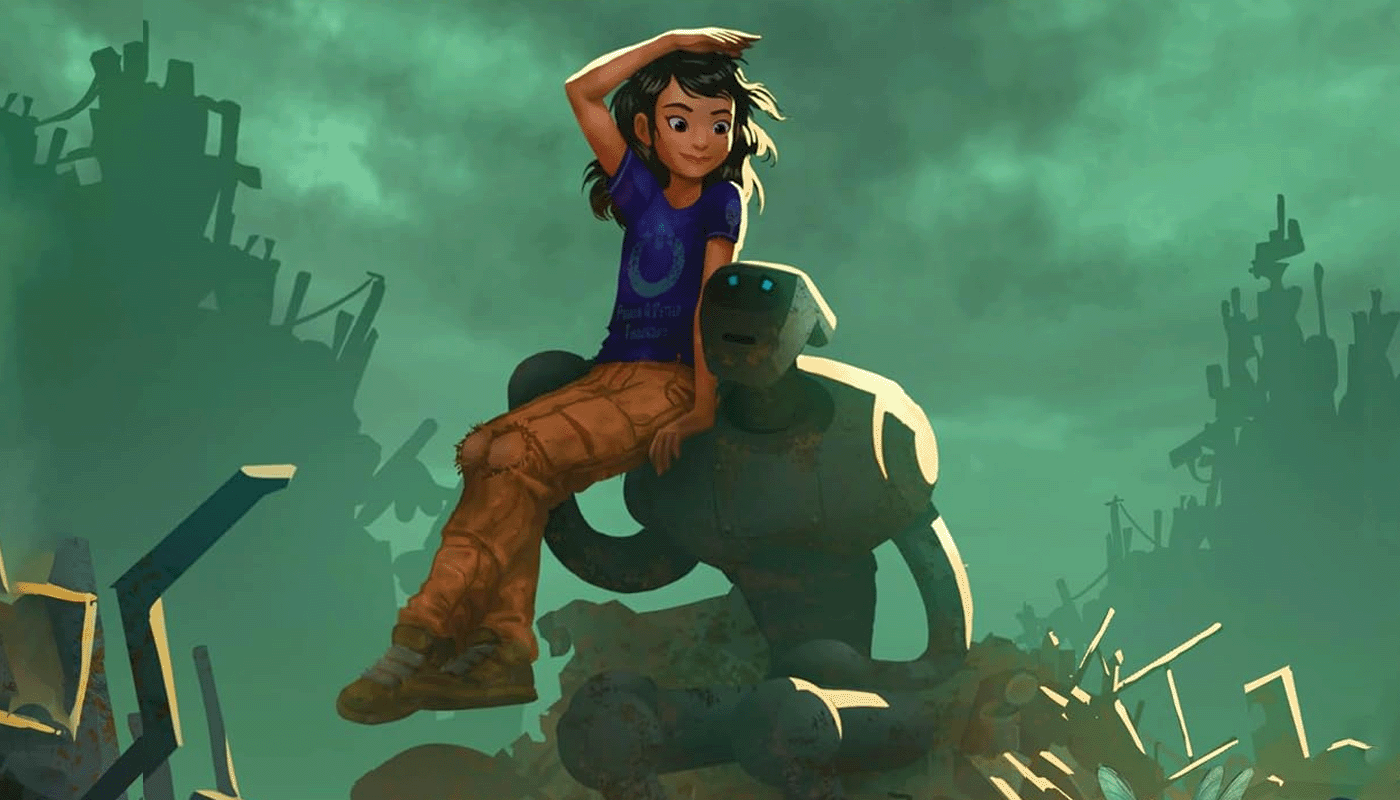
The landscape of middle-grade (MG) literature is undergoing a profound transformation. As readers between the ages of eight and twelve increasingly gravitate toward stories that mirror their complex, modern realities, the speculative fiction genre has emerged as the primary vehicle for exploring identity, social anxiety, and historical reckoning. Despite persistent challenges in securing coverage within legacy media outlets, a new wave of middle-grade speculative fiction is flooding the market throughout 2026, offering young readers a diverse tapestry of worlds that are as grounded in emotional truth as they are in magic.

From the high-stakes scavenger hunts of Texas-based fantasy kingdoms to the quiet, eerie corridors of haunted boarding schools, the current publishing season reflects a shift toward "speculative realism"—a subgenre where supernatural elements act as direct metaphors for the developmental milestones and societal pressures facing today’s youth.

Chronology: The 2026 Middle Grade Speculative Pipeline
The current year has seen a steady, intentional release schedule from major publishers, ensuring that the market remains saturated with high-quality, diverse voices. The following timeline highlights key releases that have defined the first three quarters of 2026:

Spring: The Awakening of Wonder
- March 17: Clementine H. Hopeful Is Not a Hero by Noah Corey (Labyrinth Road) and Olivia Gray Will Not Fade Away by Ciera Burch (Margaret K. McElderry Books). Both works hit shelves, introducing readers to themes of gender identity and the complexities of being ace/aro-spec in a heteronormative world.
- April 7: Nell O’Dell Hates Quests by Emily B. Martin (Candlewick Press) challenges the tropes of the traditional "hero’s journey."
- April 14–28: A burst of world-building as Deva Fagan’s The Delta Codex (Atheneum) and Julia Riew’s Shim Jung Takes the Dive (Quill Tree Books) bring planetary sci-fi and Korean-inspired maritime folklore to the forefront.
Summer: Journeys and Darker Tones
- June–July: The stakes increase with Donna Barba Higuera’s Firesnake (Levine Querido) and Olivia Abtahi’s Rostam Wrecks the Realm (Simon & Schuster), both exploring the isolation of space colonization.
- August: Kaela Rivera’s The Hungry Forest (Bloomsbury) and Andrea Beatriz Arango’s No Place on Earth (Random House) emphasize the intersection of environment and mental health.
Autumn: The Season of Shadows
- October: The year concludes with a strong showing of horror and high fantasy, including Tehlor Mejia’s The Creeps (Delacorte), H.E. Edgmon’s Realmsweep (Feiwel & Friends), and Marie Arnold’s They Will Not Save Us (Scholastic Press).
Supporting Data: Why Speculative Fiction Matters Now
Industry analysts have noted a 14% increase in the sales of speculative middle-grade titles compared to the same period in 2024. Educators and child psychologists argue that this trend is not merely a preference for escapism; it is a clinical response to the "uncertainty fatigue" experienced by post-pandemic children.

Speculative fiction provides a "distanced lens" through which children can process trauma. For example, in The Second Life of Snap (Erin Entrada Kelly), the presence of a dysfunctional robot in a resource-rationed dystopia allows readers to examine economic insecurity without the weight of literal domestic instability. Similarly, the "ghost stories" trend—exemplified by India Hill Brown’s Girl from the Ashes and Shakirah Bourne’s Here Lies a Ghost—serves as a narrative tool for teaching systemic history. By placing characters in settings built on the site of historical tragedies, these authors allow young readers to grapple with the "perils of repeating history" in a way that is engaging rather than didactic.

Official Perspectives: The Authors’ Intent
The authors driving this movement are deliberate in their approach to representation. H.E. Edgmon, author of Realmsweep, has spoken at length about the necessity of providing trans and gender-nonconforming youth with "magical autonomy." In his work, the ability to undergo transformation is not just a fantasy trope but a direct reflection of the character’s internal journey toward self-actualization.

"We aren’t just writing about dragons and spaceships," says one anonymous editor at a major New York imprint. "We are writing about the feeling of being an outsider in your own skin. Whether that skin is a human body in a dystopian Texas or a diver on the island of Haemin, the core question remains: How do I find my place in a world that wasn’t designed for me?"

Implications for Education and Literacy
The emergence of these titles has significant implications for both public and school libraries. The "genre-bending" nature of these books—blending traditional fantasy with contemporary social issues—poses a challenge to traditional cataloging but a boon for engagement.

Bridging the Literacy Gap
Librarians report that children who struggle with traditional literary fiction are often more willing to engage with speculative texts. The "hook"—a dragon-keeper, a haunted library, or a sentient robot—lowers the barrier to entry for reluctant readers. By the time the reader is invested in the mechanics of the quest, they are also deeply embedded in the character’s emotional growth.

The Rise of Co-Reading
One of the most heartening developments of 2026 has been the rise of "co-reading" programs. Because these books deal with complex topics like depression (as seen in No Place on Earth) and racial identity (as seen in Raven, Rising), many parents and guardians are choosing to read these books alongside their children. This shared experience fosters a safe environment for open dialogue about difficult subjects, effectively turning the book into a bridge between generations.

Analyzing the Tropes: A Shift in Narrative Structure
While traditional middle grade often relied on a "chosen one" narrative, 2026’s offerings are subverting this.

- The Anti-Quest: Nell O’Dell Hates Quests by Emily B. Martin represents a growing skepticism toward the traditional hero structure. By framing the quest as a bureaucratic nuisance rather than a glorious adventure, Martin reflects the modern child’s cynicism regarding institutional power.
- The Inherited Burden: In They Will Not Save Us by Marie Arnold, the protagonist is not choosing to save the world out of destiny, but out of necessity due to her family’s spiritual lineage. This places the weight of responsibility on community and ancestry rather than individual glory.
- The Digital Dystopia: The rise of AI and automation in books like The Second Life of Snap and The Genie Game suggests that the current generation of writers is deeply concerned with the ethical implications of the technological age. They are asking children to consider: What happens when the tools we create become more human than the institutions that control them?
Conclusion: A Call to Action
The current boom in middle-grade speculative fiction is a testament to the resilience of the youth literary market. While the lack of major media coverage remains a hurdle, the grassroots support from independent bookstores, libraries, and educators continues to drive these books to the top of the charts.

For those looking to engage with these stories, the message is clear: do not relegate them to the "kids’ section" of your mind. These are works of sophisticated literature that demand the attention of adults just as much as they deserve the curiosity of the young. Whether you choose to gift them, co-read them, or explore their worlds on your own, these twenty-two highlighted titles are essential reading for anyone interested in the future of storytelling.

The dragons are here, the ghosts are whispering, and the spaceships are launching. The question is no longer whether we should read middle-grade fiction, but how much more we can learn from it.
