
Timeless Warnings from the Cosmos: Why Robert Wise’s The Day the Earth Stood Still (1951) Remains as Urgent Today as Ever
Main Facts
Released nearly three-quarters of a century ago, Robert Wise’s 1951 science-fiction masterpiece The Day the Earth Stood Still continues to cast a long, philosophical shadow over contemporary cinema and cultural discourse. As a sobering cautionary tale regarding human hubris, mutual destruction, and moral short-sightedness, the film has earned its place in the pantheon of cinematic history. The American Film Institute (AFI) has honored the picture across multiple prestigious lists, recognizing it as one of the art form’s greatest science-fiction achievements, as well as a defining entry among cinema’s ultimate thrills and uplifting cheers.
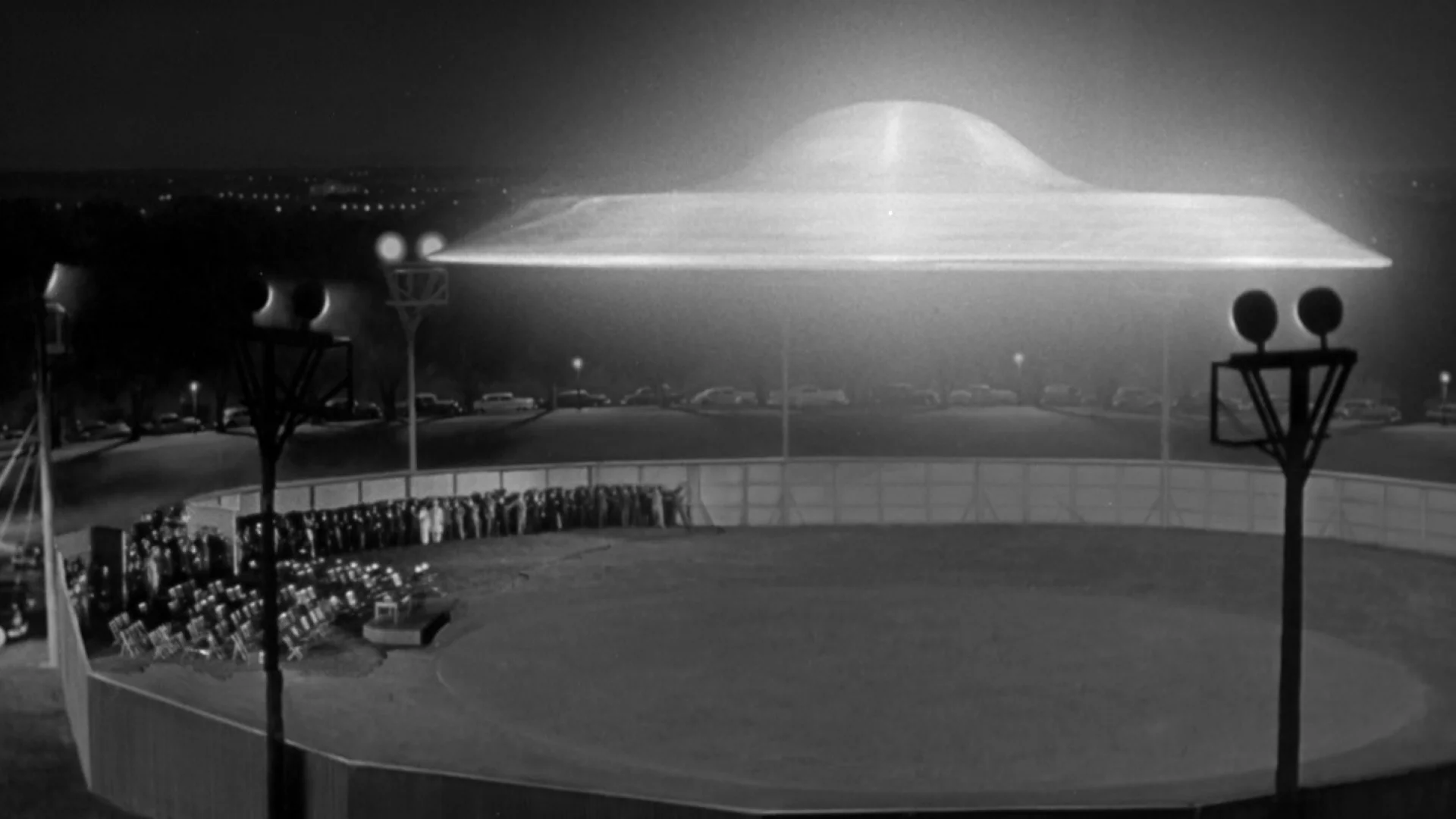
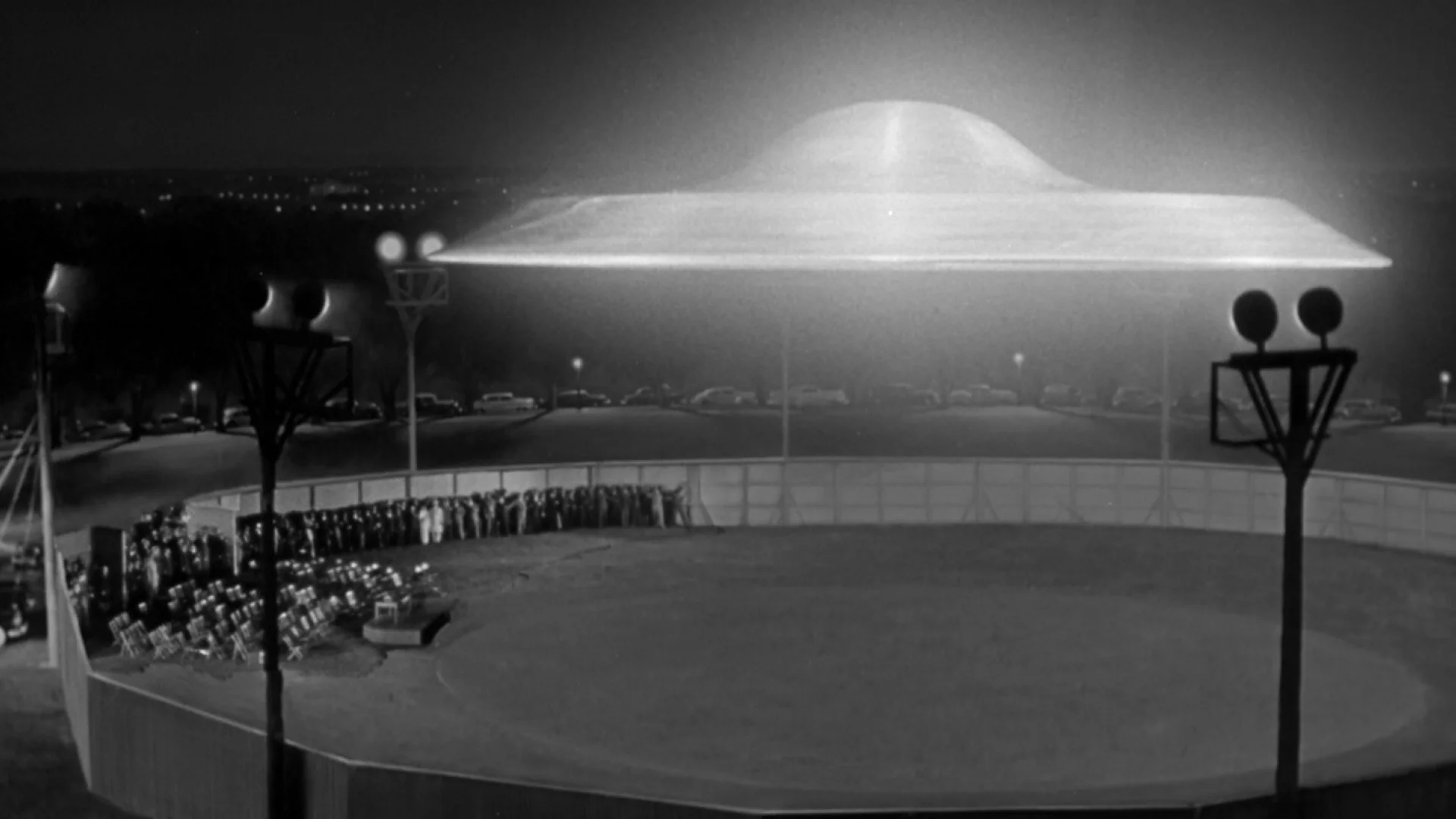
At its core, the narrative follows Klaatu, an extraterrestrial visitor who arrives on Earth accompanied by a formidable, invincible robot named Gort. Far from embodying the standard cinematic tropes of hostile alien invaders bent on global annihilation, Klaatu brings a message of peace—albeit paired with an ultimatum of absolute, uncompromising containment. If humanity cannot curb its self-destructive tendencies and violence, the galactic community will be forced to eliminate a species deemed a threat to universal stability.
Directed by Robert Wise—who would later receive the prestigious AFI Life Achievement Award in 1998 and serve as a dedicated mentor to emerging filmmakers as Chair of the AFI Conservatory (then known as the Center for Advanced Film Studies)—the film transcends the creature-feature aesthetics of the 1950s. Instead, it offers a cerebral, high-stakes political allegory that mirrors the anxieties of the atomic age, themes that resonate with chilling accuracy in the modern socio-political landscape.
Chronology of Production and Release
Understanding the enduring impact of The Day the Earth Stood Still requires looking back at its genesis during a uniquely volatile period in global history.
- 1950 (Pre-Production and Adaptation): Producer Julian Blaustein, working under 20th Century Fox, sought to develop a science-fiction project that reflected the deep-seated societal fears of the post-World War II era. He acquired the rights to Harry Bates’s 1940 short story "Farewell to the Master." Screenwriter Edmund H. North was brought on to adapt the tale, consciously shifting the primary antagonist from human mistrust to a grander theological and political commentary.
- Early 1951 (Principal Photography): Director Robert Wise took the helm, utilizing innovative cinematic techniques, including a specialized musical score composed by Bernard Herrmann that prominently featured the theremin to evoke an otherworldly, eerie atmosphere. Michael Rennie was cast as the dignified, quietly imposing Klaatu, while Patricia Neal portrayed Helen Benson, the earthling who serves as his primary bridge to human understanding.
- September 1951 (Theatrical Release): Distributed by 20th Century Fox, The Day the Earth Stood Still premiered in theaters nationwide. While initial box office returns were steady, the film quickly gained critical acclaim for treating science fiction as a vehicle for serious intellectual discourse rather than mere pulp entertainment.
- Late 20th Century to Present (AFI Recognition and Legacy): The film’s historical importance was cemented over the decades through various critical reevaluations. Its inclusion in multiple American Film Institute lists—ranging from top science-fiction films to benchmarks of cinematic suspense—solidified its status as a permanent fixture of American cultural heritage.
Supporting Data and Critical Reception
The enduring legacy of The Day the Earth Stood Still is substantiated by extensive critical accolades and historical metrics tracking its cultural footprint.
According to data compiled by the American Film Institute and film historians:
- Three AFI List Honors: The film achieved the rare distinction of being recognized across three distinct categories: AFI’s 100 Years…100 Cheers, AFI’s 100 Years…100 Thrills, and AFI’s 10 Top 10 (securing a spot among the greatest science-fiction films ever made).
- Thematic Resonance Index: Film scholars note a direct correlation between geopolitical tensions—such as the Cold War nuclear arms race of the 1950s—and modern anxieties surrounding artificial intelligence, autonomous military systems, and environmental collapse. The film’s core dilemma (police power delegated to infallible machines) mirrors contemporary debates regarding automated warfare.
- Box Office and Critical Consensus: Upon release, the film garnered favorable reviews from major publications, maintaining a near-flawless critical rating on modern aggregator platforms over seventy years later, proving that its intellectual depth has suffered no depreciation with age.
Official Responses and Industry Legacy
The production of The Day the Earth Stood Still represented a pivotal shift in how Hollywood studios approached genre filmmaking. Studio executives at 20th Century Fox initially harbored reservations about blending heavy-handed political philosophy with outer-space spectacle. However, the collaborative vision of producer Julian Blaustein, screenwriter Edmund H. North, and director Robert Wise ultimately prevailed.
Robert Wise’s subsequent career further cemented the film’s institutional significance. Upon receiving the AFI Life Achievement Award in 1998, Wise was celebrated not only for his diverse directorial catalog—which includes masterpieces like West Side Story and The Sound of Music—but for his foundational role in shaping the next generation of American filmmakers. As the Chair of the AFI Conservatory (Center for Advanced Film Studies), Wise championed the philosophy that cinema should challenge, educate, and provoke societal reflection.
In official retrospectives, the AFI Catalog highlights the film as a masterclass in economy of storytelling, proving that atmospheric tension, philosophical dialogue, and restrained special effects could outlast the bombastic excesses of lesser productions.
Implications for Modern Audiences and Future Storytellers
As contemporary society navigates a labyrinth of technological acceleration, geopolitical polarization, and ecological crises, the questions raised by Klaatu and Gort in 1951 remain fiercely relevant.

The Threat of Automated Hubris
The character of Gort—an indestructible automaton programmed to punish violence with absolute eradication—serves as an early cinematic exploration of autonomous systems operating beyond human moral judgment. In an era dominated by discussions surrounding artificial intelligence, algorithmic governance, and lethal autonomous weapons systems, Gort’s ultimate authority feels less like a distant sci-fi trope and more like an impending ethical dilemma.
A Mirror to Human Inhumanity
Klaatu’s observation that humanity’s violent tendencies pose a threat to the rest of the cosmos cuts just as deep today as it did during the height of the Cold War. The film challenges audiences to look past national, ideological, and cultural divisions, warning that collective self-annihilation is a very real possibility if technological progress outpaces ethical wisdom.
The Role of Non-Profit Preservation and Education
Organizations such as the American Film Institute continue to champion works like The Day the Earth Stood Still through non-profit initiatives supported by public donations and community engagement. By preserving these cultural milestones, institutions ensure that emerging storytellers have access to the foundational texts of cinematic history, inspiring future generations to use the moving image not just for entertainment, but as a medium for profound moral inquiry.
For those looking to revisit this cinematic milestone or experience its timeless message for the first time, comprehensive production histories and streaming availability can be explored through the official AFI Catalog. As viewers tune in across various digital platforms today, Klaatu’s parting words resonate with an unyielding, prophetic truth: the Earth’s survival depends entirely on humanity’s capacity to choose wisdom over destruction.
