
The Hound That Changed History: Reflecting on 76 Years of Snoopy and Charles Schulz’s Peanuts
By Robert Wood
Published October 6, 2026
Main Facts: The Legacy of a Pop Culture Icon
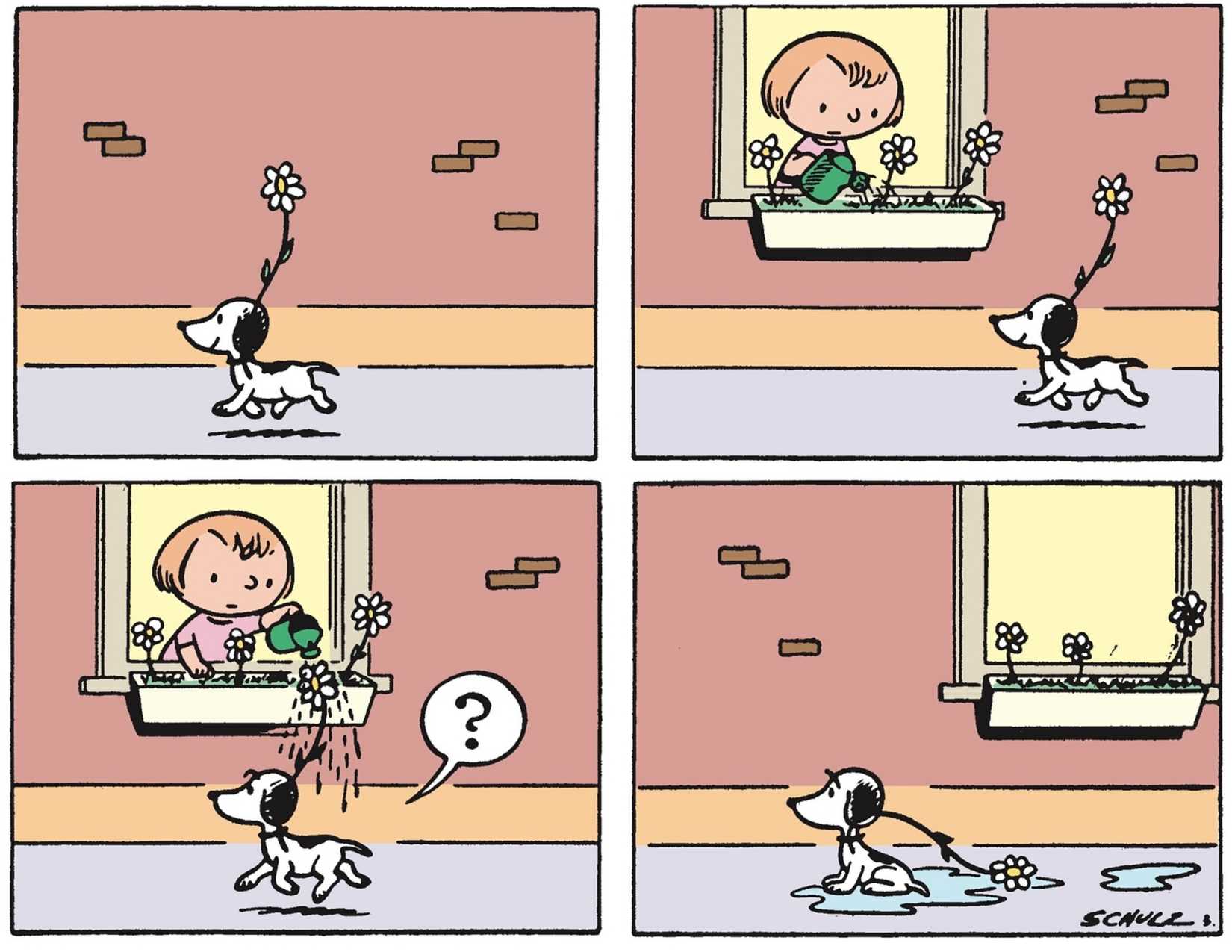
Seventy-six years ago, on October 4, 1950, cartoonist Charles M. Schulz introduced a quiet, unassuming element to a fledgling comic strip originally pitched under the working title Li’l Folks. Appearing in a simple four-panel sequence, a small, nameless puppy wandered into the frame, interacting with a flower before having its petals inadvertently watered by a little girl.
That modest four-panel debut marked the arrival of Snoopy—a character who would not only anchor the timeless longevity of Peanuts but also fundamentally redefine the boundaries of comic strip anthropomorphism.
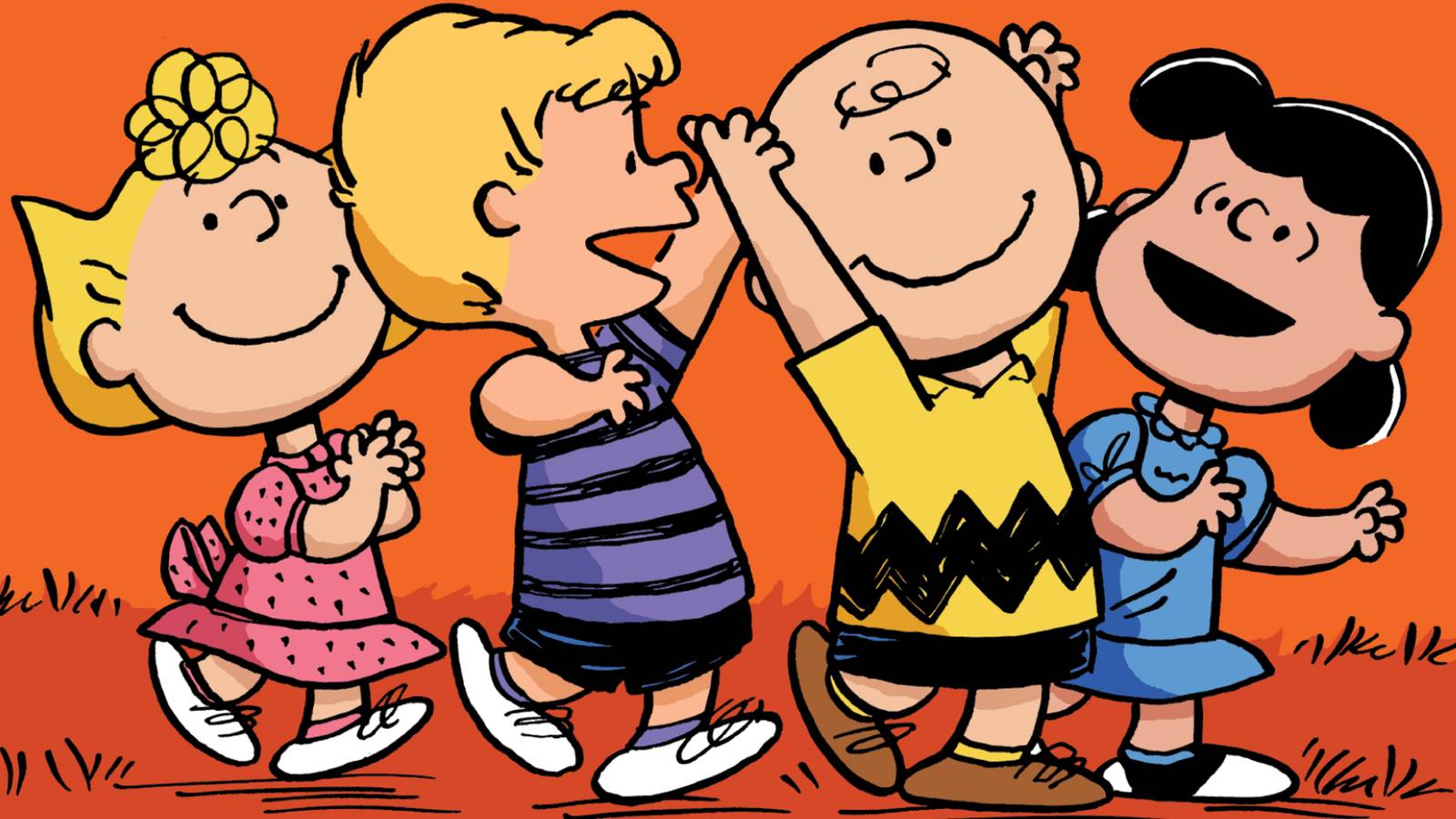
Over the decades, Peanuts embedded itself deeply into the global cultural consciousness. While elements like the kite-eating tree, Lucy van Pelt’s psychiatric booth, and Linus’s security blanket became legendary, the strip also shed early concepts—such as Charlie Brown’s initial penchant for practical jokes, a numerically designated friend named “555-95472,” and early iterations of Snoopy’s extended family. Yet, Snoopy remained the beating heart of the franchise’s evolution.
From plush toys and apparel to towering balloons floating down the streets of New York City during the Macy’s Thanksgiving Day Parade, Snoopy evolved from a quiet background canine into a multi-faceted commercial and artistic titan. His trajectory from a four-legged cartoon pet to a bipedal philosopher, World War I flying ace, and celebrated literary author stands as one of the most remarkable transformations in the history of illustrated media.
Chronology: The Evolution of Snoopy (1950–1966)
The transformation of Snoopy from a generic puppy into the complex, imaginative persona recognized worldwide did not happen overnight. Schulz deliberately cultivated the character over a span of sixteen years, introducing key traits, physical changes, and narrative companions in distinct chronological phases:

- October 4, 1950: Snoopy makes his first-ever appearance in Peanuts, interacting not with Charlie Brown, but with the early strip’s foundational character, Patty.
- October 10, 1950: Snoopy interacts with Charlie Brown for the first time, establishing their shared household and domestic dynamic.
- November 10, 1950: The puppy is officially given a name—Snoopy—during another interaction with Patty.
- 1952: Two years into the strip’s run, Schulz introduces thought balloons for Snoopy, allowing readers direct access to the canine’s dry wit, internal monologues, and rich fantasy life.
- 1956: Snoopy transitions from a traditional, four-legged puppy to a bipedal stance. This pivotal physical redesign allowed the character to participate in human-like activities, partake in mischief, and execute expressive dance numbers.
- December 5, 1960: Charlie Brown explicitly refers to Snoopy as a beagle in a strip—though Snoopy initially rejects the label internally, famously thinking, "I ain’t no stupid beagle!" He later embraces the breed identity, eventually aspiring to become the "Head Beagle."
- 1965: Snoopy’s iconic, highly imaginative alter egos—most notably the "World War I Flying Ace" engaging the Red Baron from atop his doghouse and the "World Famous Author" typing away on a typewriter—make their debut.
- 1966: Woodstock, Snoopy’s steadfast, unintelligible avian sidekick, joins the cast, solidifying Snoopy’s role as a caretaker and friend to other animals.
Supporting Data: Roots in Reality and Cross-Industry Influence
Snoopy’s charm was deeply rooted in reality. Charles Schulz based his iconic creation on a childhood pet: a black-and-white pointer mix named Spike. Growing up in Minnesota, Schulz’s family owned Spike, a dog renowned for his voracious appetite and unusual intelligence. As a teenager, Schulz frequently sketched Spike, capturing the dog’s distinct personality quirks—sketches that laid the conceptual groundwork for Snoopy years later.
The impact of Snoopy’s design evolution extended far beyond the pages of Peanuts. Most notably, Snoopy’s 1956 shift to a bipedal posture provided a masterclass in character animation and framing for comic artists globally.
In the early 1980s, animator and cartoonist Jim Davis sought to craft a dynamic opening sequence for the television special Here Comes Garfield, featuring his famous lazy feline dancing. Facing challenges with Garfield’s traditional, heavy, four-legged feline anatomy, Davis drew direct inspiration from Schulz’s work with Snoopy. Schulz actually assisted in redesigning aspects of Garfield’s movement to allow the cat to stand upright and dance gracefully across the screen—a testament to the far-reaching technical influence of Peanuts.
Key Franchise Statistics & Media Milestones
| Milestone / Feature | Detail |
|---|---|
| First Appearance | October 4, 1950 |
| Bipedal Redesign | 1956 |
| Thought Balloons Introduced | 1952 |
| Primary Creator | Charles M. Schulz |
| Notable Alter Egos | World War I Flying Ace, Joe Cool, World Famous Author |
| Key Animated Specials | A Charlie Brown Christmas, It’s the Great Pumpkin, Charlie Brown, A Charlie Brown Thanksgiving |
Official Responses and Archival Perspectives
Reflecting on the enduring legacy of the character, historians and representatives of the Charles M. Schulz Museum have consistently emphasized that Snoopy was the emotional canvas upon which Schulz projected his own observations of human absurdity and resilience.
While Schulz rarely treated his creations with overly academic pretension, he frequently noted in interviews that Snoopy offered a necessary escape hatch for the strip. Because Snoopy did not speak human words aloud—communicating instead through expressive body language, pantomime, and internal thought balloons—he transcended language barriers, making Peanuts universally accessible across dozens of languages and cultures.
Archival exhibits dedicated to Schulz’s creative process highlight that the cartoonist’s initial hesitation to define Snoopy too quickly was intentional. By allowing the character to grow organically over years rather than mapping out a rigid persona from day one, Schulz ensured that Snoopy could adapt to the shifting cultural landscapes of the 1950s, 60s, and beyond, remaining perpetually relevant to successive generations of readers.

Implications: The Enduring Cultural Footprint of Peanuts
Seventy-six years after a nameless puppy walked onto a comic strip panel to smell a flower, the implications of Charles Schulz’s work remain profound. Peanuts fundamentally altered the American comic landscape, bridging the gap between high-concept philosophical introspection and accessible daily humor.
Snoopy’s evolution—from a grounded domestic animal to an imaginative adventurer who refuses to be constrained by reality—mirrors humanity’s own desire to transcend the mundane. Whether he is sleeping atop a red doghouse, brooding over a rejected manuscript, or soaring through imaginary skies, Snoopy serves as a comforting reminder of the power of imagination.
As new generations discover the strip through modern platforms, digital distribution, and streaming projects like The Snoopy Show, the legacy of Charles Schulz’s creation stands secure. Snoopy is no longer merely a character in a newspaper comic; he is a universal symbol of joy, resilience, and unbridled creativity whose footprints will remain permanently stamped on pop culture history.
