
The Ghostface Crisis: How Internal Conflict and Controversy Have Plunged the Scream Franchise into Uncertainty
The Scream franchise has long been the gold standard for meta-horror, a self-aware series that managed to evolve from Wes Craven’s 1996 slasher deconstruction into a sprawling, multi-generational saga. However, in the wake of recent high-profile exits, creative shifts, and public controversies, the future of the iconic masked killer is more precarious than it has been in decades. As the industry looks toward the development of Scream 8, the franchise finds itself at a crossroads—caught between its legacy as a cultural phenomenon and a fractured production history that has alienated both its stars and its core audience.
The Resurrection and the Fallout
When Wes Craven, the mastermind behind the original trilogy and its 2011 revival, passed away in 2015, the future of Scream seemed to reach a definitive end. For years, the property remained dormant, trapped in the legal and creative limbo that often follows the death of an auteur. That changed in 2022 with the release of the "requel"—a fifth installment that successfully breathed new life into the series by blending legacy characters like Sidney Prescott (Neve Campbell) and Gale Weathers (Courteney Cox) with a fresh ensemble led by Melissa Barrera and Jenna Ortega.
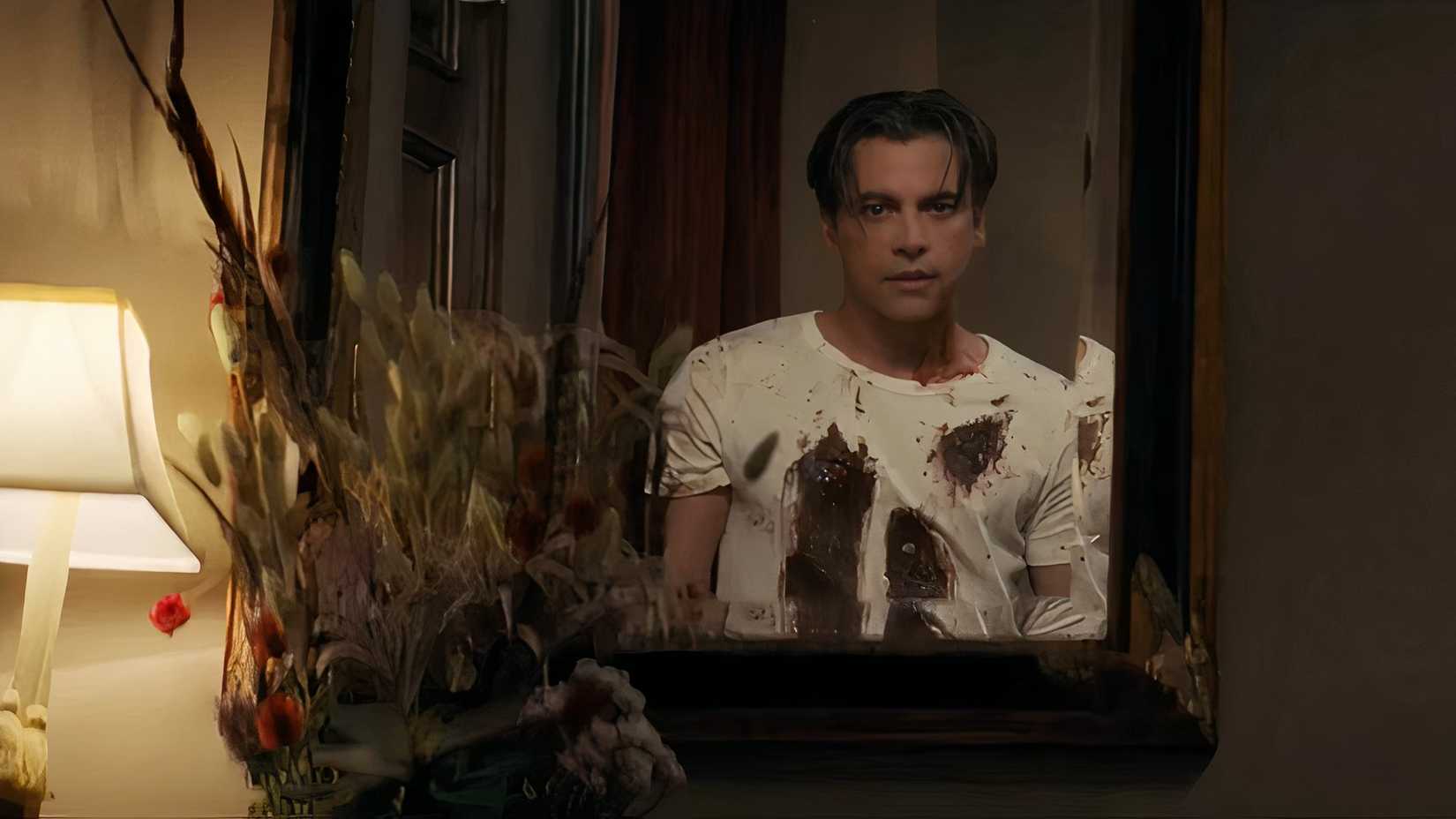
The 2022 film was a critical and commercial success, largely due to the chemistry between Barrera’s Sam Loomis and Ortega’s Tara Carpenter. The creative decision to tie Sam Loomis directly to the original killer, Billy Loomis (Skeet Ulrich), through hallucinatory sequences added a layer of psychological complexity that resonated with fans. It felt as though the franchise had finally secured a sustainable future.
However, the momentum came to a crashing halt in November 2023. Following a series of social media posts in which Melissa Barrera criticized the Israeli government’s military actions in Gaza, Spyglass Media Group—the studio overseeing the franchise—abruptly fired her. In a statement that sent shockwaves through Hollywood, Spyglass cited a "zero-tolerance" policy regarding rhetoric they deemed antisemitic. The fallout was immediate and catastrophic: director Christopher Landon walked away from the project, and shortly thereafter, the franchise’s new breakout star, Jenna Ortega, exited, citing scheduling conflicts—though many industry insiders viewed the departure as a show of solidarity.
A Chronology of a Fractured Franchise
The timeline of the Scream franchise’s recent turbulence serves as a case study in how modern political discourse and corporate studio culture can collide with intellectual property management.
- 1996–2011: The Golden Era. Wes Craven and writer Kevin Williamson cement the series as the definitive slasher franchise, with Scream 4 serving as a final, poignant farewell to the original vision.
- 2022: The Requel. Scream (2022) hits theaters, earning nearly $140 million globally and successfully passing the torch to a new generation.
- 2023: The Catalyst. As the Israel-Hamas war intensifies, Melissa Barrera utilizes her platform to advocate for a ceasefire. Spyglass Media Group issues a statement terminating her contract.
- Late 2023–Early 2024: The Mass Exodus. Director Christopher Landon publicly announces his departure from the series. Jenna Ortega officially exits the Scream universe. The planned trilogy arc, which was intended to focus on the Carpenter sisters, is effectively dissolved.
- 2026: The Current State. Scream (2026) hits theaters, attempting to pivot toward legacy-heavy nostalgia by bringing back figures like Matthew Lillard’s Stu Macher, yet the shadow of the 2023 controversy remains a dominant topic of discourse for the cast and the fan base.
The Skeet Ulrich Perspective: The Death of a Vision
Perhaps the most telling commentary on the current state of the franchise comes from Skeet Ulrich. Having returned to play the manifestation of Billy Loomis, Ulrich was intimately involved in the narrative arc mapped out for the new generation. In a recent interview with US Weekly, Ulrich was candid about the impossibility of continuing the story as it was originally envisioned.
"Without Melissa Barrera and Sam Loomis, there’s no Billy Loomis," Ulrich noted. "He was in her head. They had their chance at it and didn’t quite get to complete the three-film arc that they talked to me about."
This statement highlights the "forced" nature of the current creative direction. When a franchise relies on specific character-driven dynamics, removing the anchor point—in this case, Sam Loomis—leaves the remaining elements, such as the specter of Billy, without a logical narrative foundation. Ulrich’s comments serve as a warning: when a studio prioritizes public relations optics over the integrity of the storytelling, the internal logic of the universe begins to collapse.

The Return of Stu Macher and the Dilemma of Nostalgia
In an attempt to appease fans and maintain relevance, Scream (2026) made the controversial choice to bring back Matthew Lillard’s Stu Macher. While Stu was confirmed dead in the original 1996 film, the franchise has often flirted with the supernatural or the improbable. Seeing Lillard return was, for many, a nostalgic thrill, but the actor himself has voiced reservations.
Lillard has openly expressed regret regarding the circumstances surrounding his return, specifically noting his discomfort with how the studio handled the departure of his younger colleague, Barrera. This creates a strange, paradoxical environment on set: actors are returning to a franchise that defines their careers, yet they are doing so while feeling alienated by the corporate entities that control it. The "Stu Macher" return acts as a temporary bandage on a wound that requires far more than fan service to heal.
Implications for Scream 8 and Beyond
As production gears up for the eighth installment, the pressure on writers Lilla and Nora Zuckerman is immense. They are tasked with inheriting a franchise that is currently defined by its absence: the absence of its lead actresses, the absence of its intended director, and the absence of a cohesive narrative thread that links the Scream (2022) era to the future.
The Financial and Creative Risks
Spyglass and Paramount are facing a "brand equity" crisis. The Scream brand is built on being the smartest, most self-aware horror franchise in existence. When the real-world production drama becomes more famous than the movie itself, the "meta" quality of the series begins to feel cynical rather than clever.
Furthermore, the risk of "recasting fatigue" is high. If the studio attempts to replace the Carpenter sisters or move toward an entirely new cast, they risk losing the audience that invested in the 2022 iteration. However, attempting to force the existing characters into a new narrative without their emotional anchors will likely feel hollow.
The Future of the "Ghostface" Brand
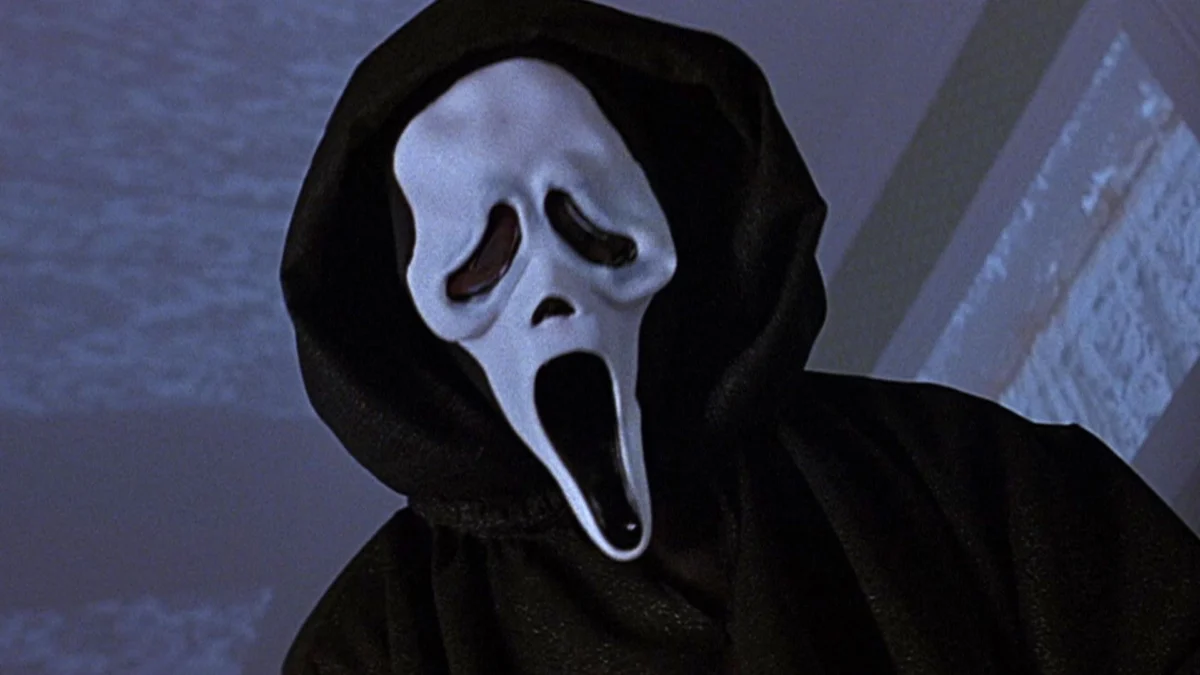
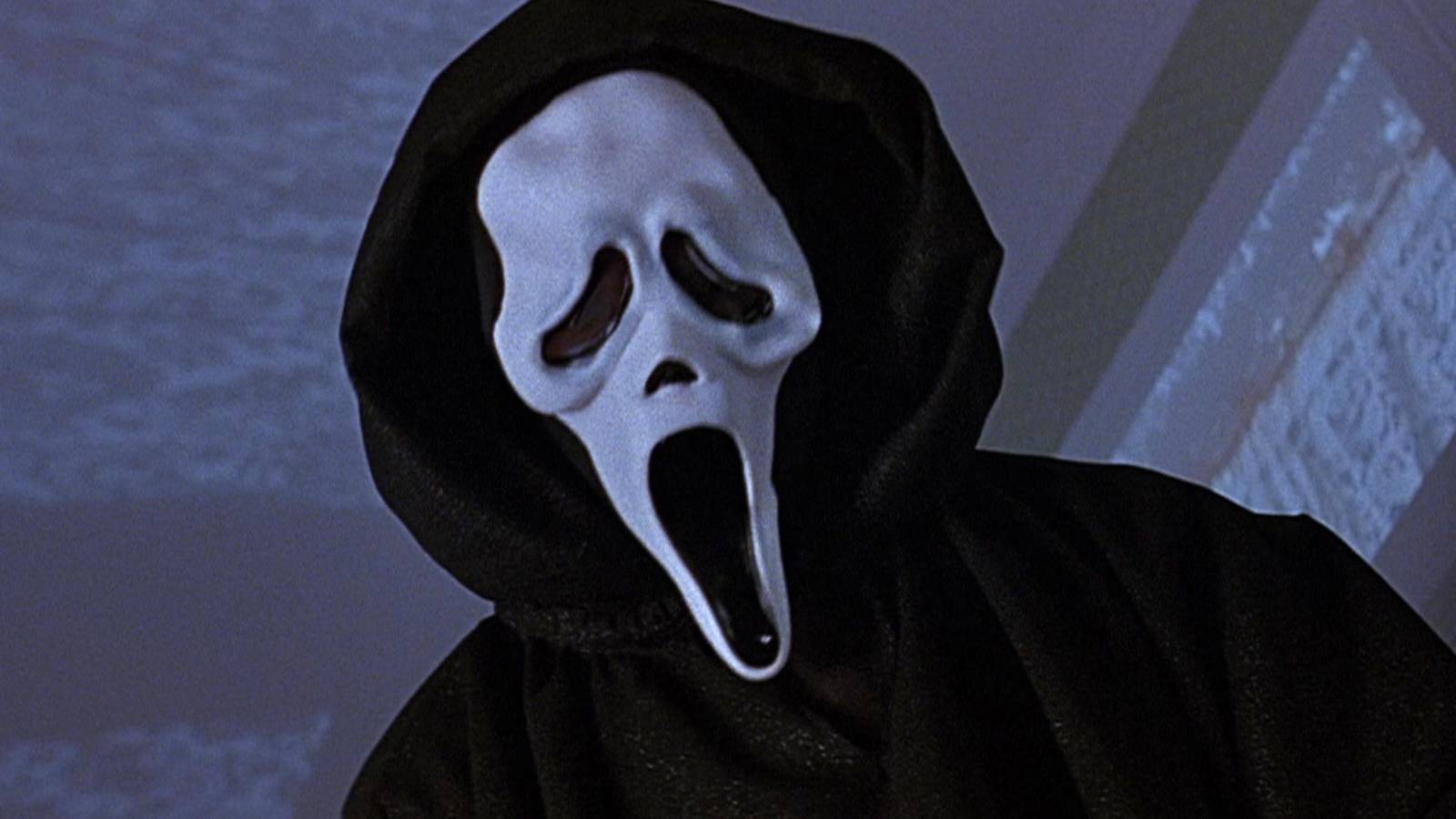
The Ghostface mask remains one of the most recognizable icons in horror history. Even with the current instability, the character has a life of its own that transcends individual actors or writers. The mask is a symbol of the "whodunit" structure—the idea that anyone can be the killer. This structural flexibility is the only thing currently saving the franchise from total obsolescence. By focusing on the mask rather than the specific individuals behind it, the studio may find a path forward, but it will require a massive shift in tone and a significant investment in rebuilding trust with the fan base.
Conclusion: A Franchise in Limbo
The Scream series is currently a mirror of the broader tensions within the entertainment industry. The clash between personal expression, corporate morality, and the bottom-line requirements of a legacy franchise has left the series in a state of suspended animation. While the announcement of Scream 8 suggests that the studio is committed to pushing forward, the path to 2027 or 2028 is fraught with obstacles.
For the series to survive, it must address the void left by its previous stars with grace, or find a way to reinvent itself so fundamentally that the previous controversies become a footnote rather than a defining feature. As it stands, the Scream franchise is screaming for a new identity—one that can honor the legacy of Wes Craven while surviving the harsh realities of the modern studio landscape. Whether it can find that voice, or whether it will continue to chase the ghosts of its past, remains to be seen. One thing is certain: the next installment will be the most scrutinized entry in the history of the franchise, serving as the ultimate test of whether Ghostface can truly endure the silence of its own collapse.
