
Threading the Web: A Retrospective Analysis of Cinematic Spider-Man Costumes Across Two Decades
By Eddie Possehl
Published October 6, 2026
Main Facts
Over the past two decades, the live-action cinematic legacy of Marvel’s flagship hero, Spider-Man, has continuously evolved. From Sam Raimi’s groundbreaking 2002 adaptation to the sprawling multiverse mechanics of the Marvel Cinematic Universe (MCU) and Sony’s distinct stylistic reboots, the web-slinger’s wardrobe has served as a visual shorthand for character growth, technological advancement, and cinematic reinvention. Across three distinct studio eras—Tobey Maguire’s foundational trilogy, Andrew Garfield’s gritty duology, and Tom Holland’s MCU integrations—fans have witnessed nearly two dozen unique suits. While certain designs have become etched into pop-culture history for their faithfulness to the source material, others have faced heavy criticism from audiences for being over-engineered, bland, or visually unappealing.

Chronology: The Evolution of Spidey’s Wardrobe on Screen
To understand how Spider-Man’s cinematic aesthetic has developed, one must trace the chronological release of the films and the narrative motivations that inspired each iteration of the suit.
1. The Foundation Era (Early 2000s)
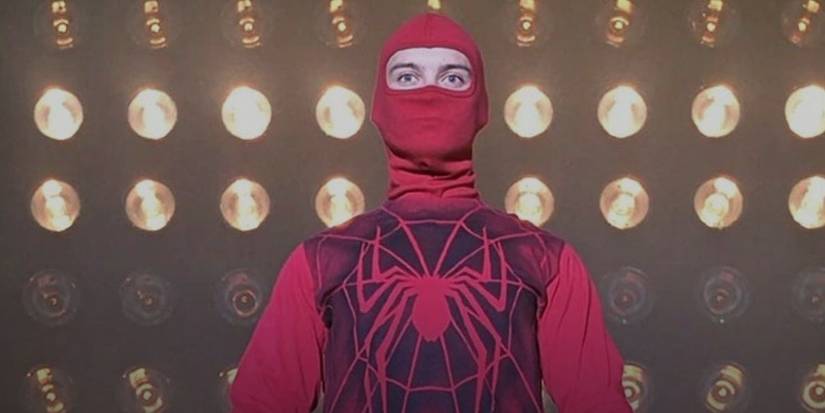
- The Wrestling Suit (Spider-Man, 2002): When Sam Raimi introduced audiences to Tobey Maguire’s Peter Parker, the character’s first foray into costumed vigilantism was born out of financial necessity. Entering a local wrestling ring for quick cash, Peter donned a makeshift outfit consisting of a sweatsuit, a red beanie, and a crude, spray-painted spider symbol on the chest. Far from sophisticated, this suit established a vital narrative trope: the grounded, DIY beginning of a hero. It possessed undeniable charm, serving as a clear spiritual predecessor to the iconic design that followed.
2. The Gritty Realism Era (2012–2014)
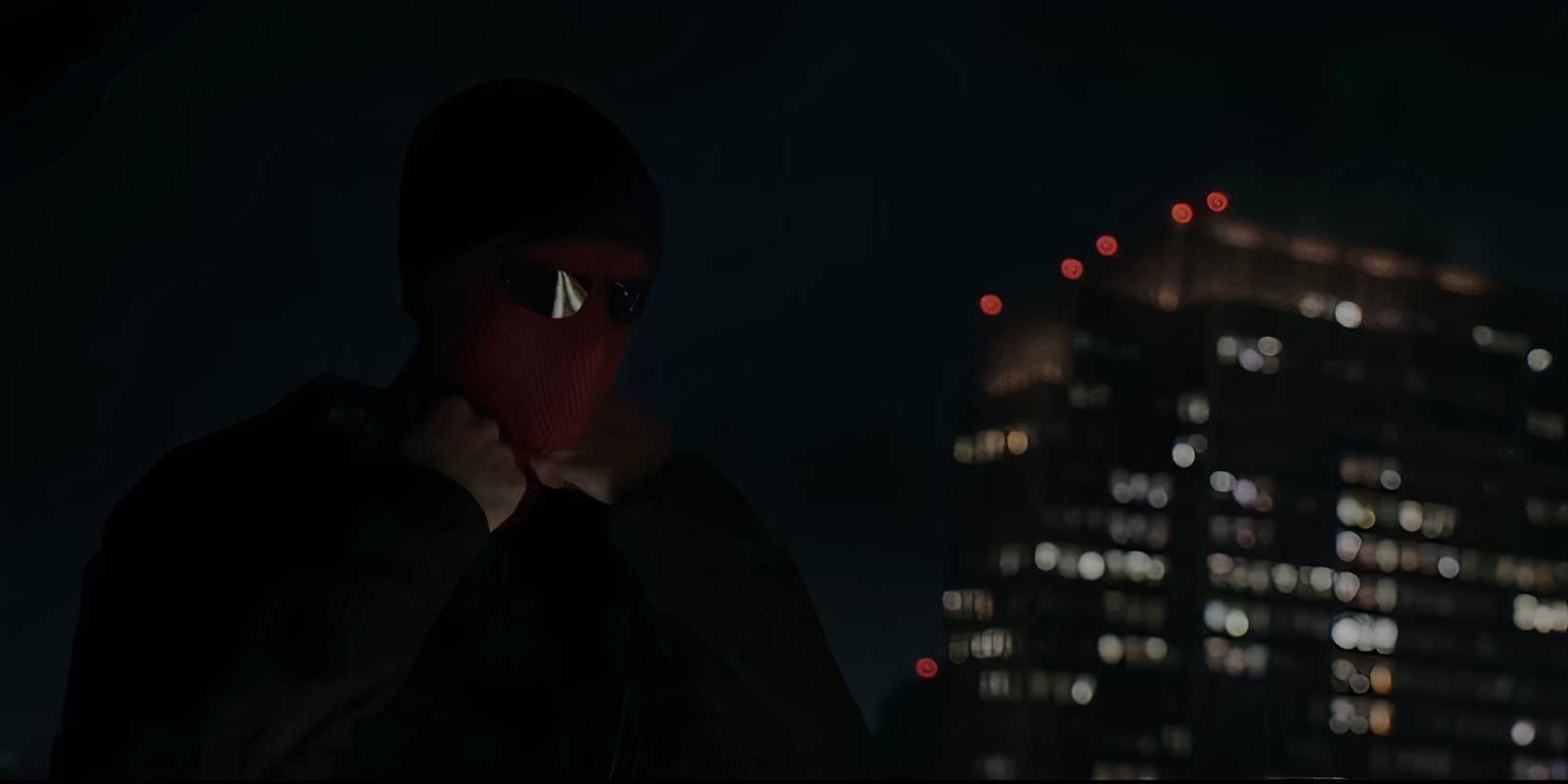
- The Vigilante Suit (The Amazing Spider-Man, 2012): When Marc Webb took over the franchise with Andrew Garfield in the lead role, the production team initially leaned heavily into a gritty, ultra-realistic aesthetic. The "Vigilante" outfit—worn before Peter adopts his classic costume—consisted of little more than a dark hoodie, fingerless gloves, and a ski-mask-style red face covering. Devoid of iconic style elements, it remains widely regarded as one of the most forgettable and uninspired costumes in franchise history.
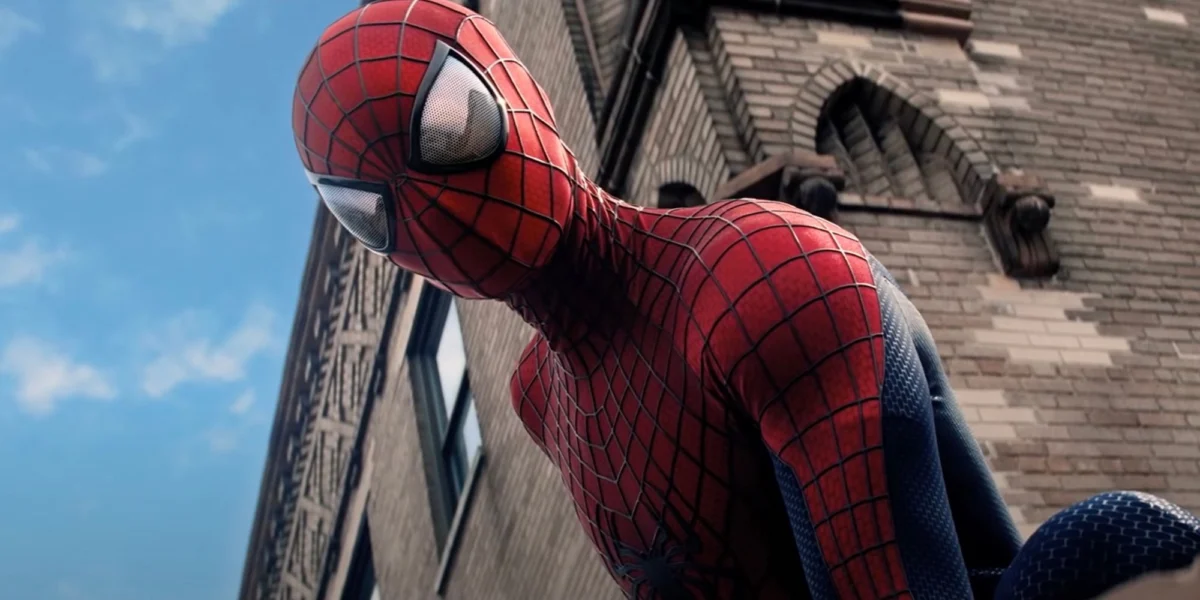
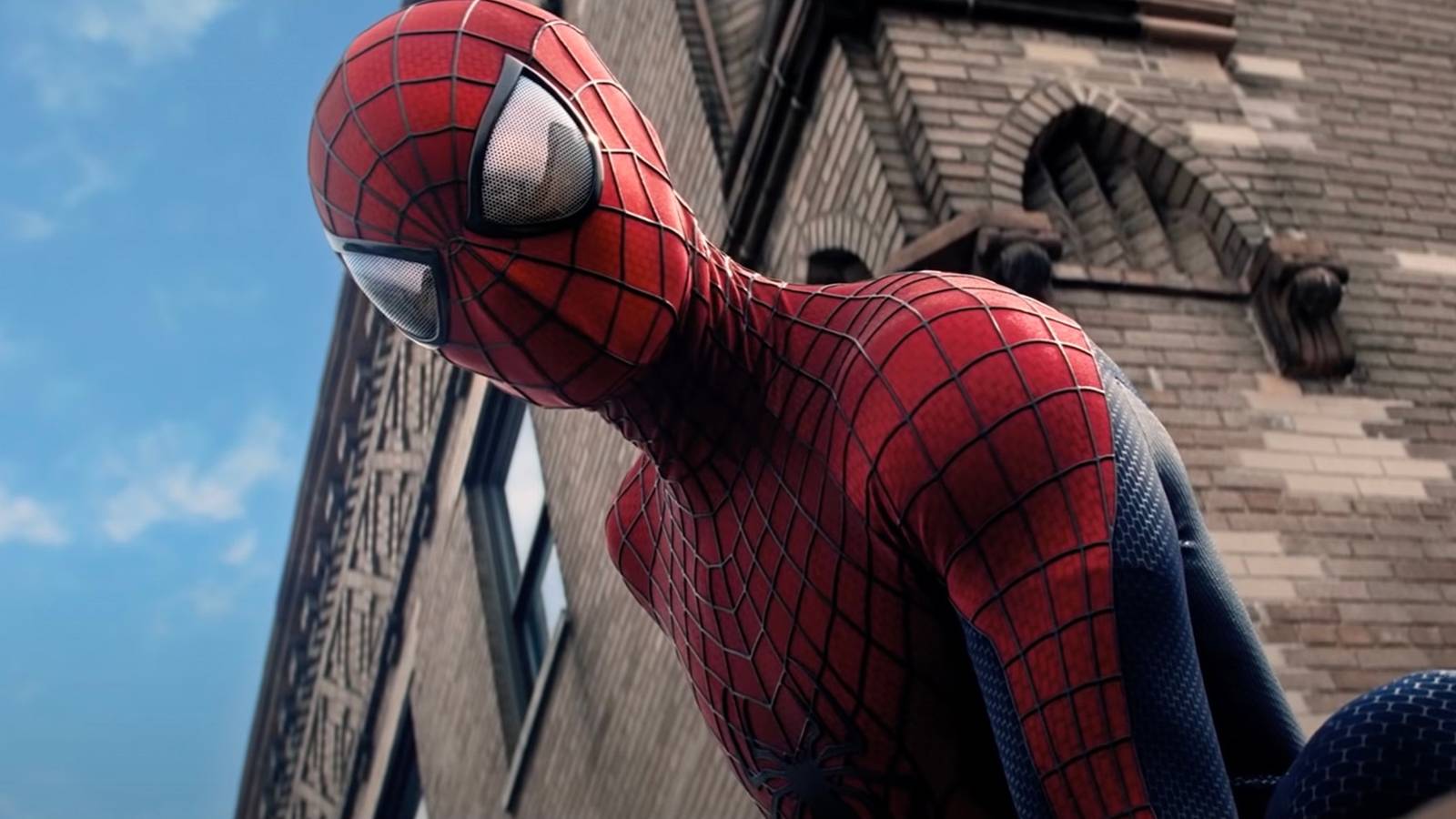
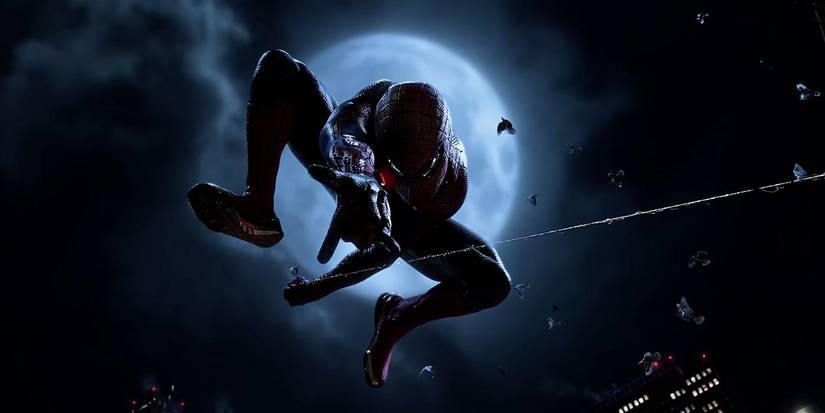
- The Amazing Suit Mk. I (The Amazing Spider-Man, 2012): Evolving past his initial makeshift gear, Peter debuted a sleek, athletic suit characterized by darker blue tones, yellow-tinted sunglasses-inspired lenses, and basketball-textured fabric. This design mirrored the grounded, slightly darker tone of the reboot while retaining enough classic elements to remain instantly recognizable as Spider-Man.
3. The Marvel Cinematic Universe Integration (2016–2021)
- The Stark Suit (Captain America: Civil War, 2016): Introduced when Tony Stark (Robert Downey Jr.) recruits a teenage Peter Parker (Tom Holland), this costume brought comic-accurate vibrance to the big screen. Featuring expressive, mechanical shutter lenses and advanced tactical capabilities, it was a massive hit among fans, though heavy CGI application in later films occasionally detracted from its physical realism.
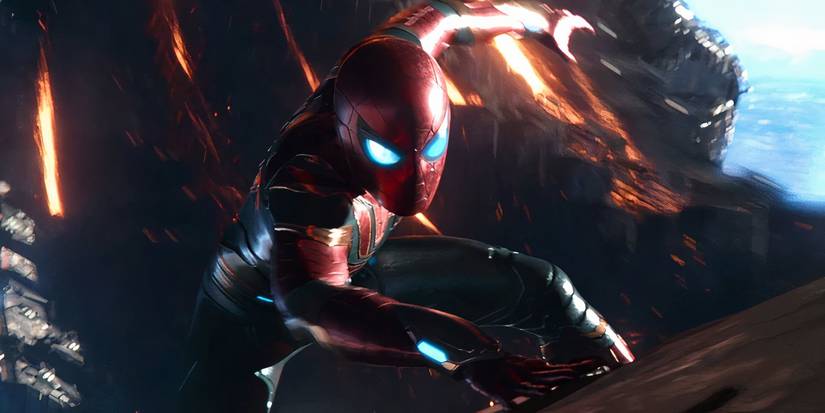
- The Iron Spider (Avengers: Infinity War, 2018): Gifted to Peter to survive the harsh environment of space, the MCU’s version of the Iron Spider departed from its comic-book inspiration by adopting a muted, metallic color palette and a heavily over-designed aesthetic. While technologically advanced—featuring retractable mechanical waldoes—its cluttered look made its eventual destruction in Spider-Man: No Way Home a welcome change for many viewers.
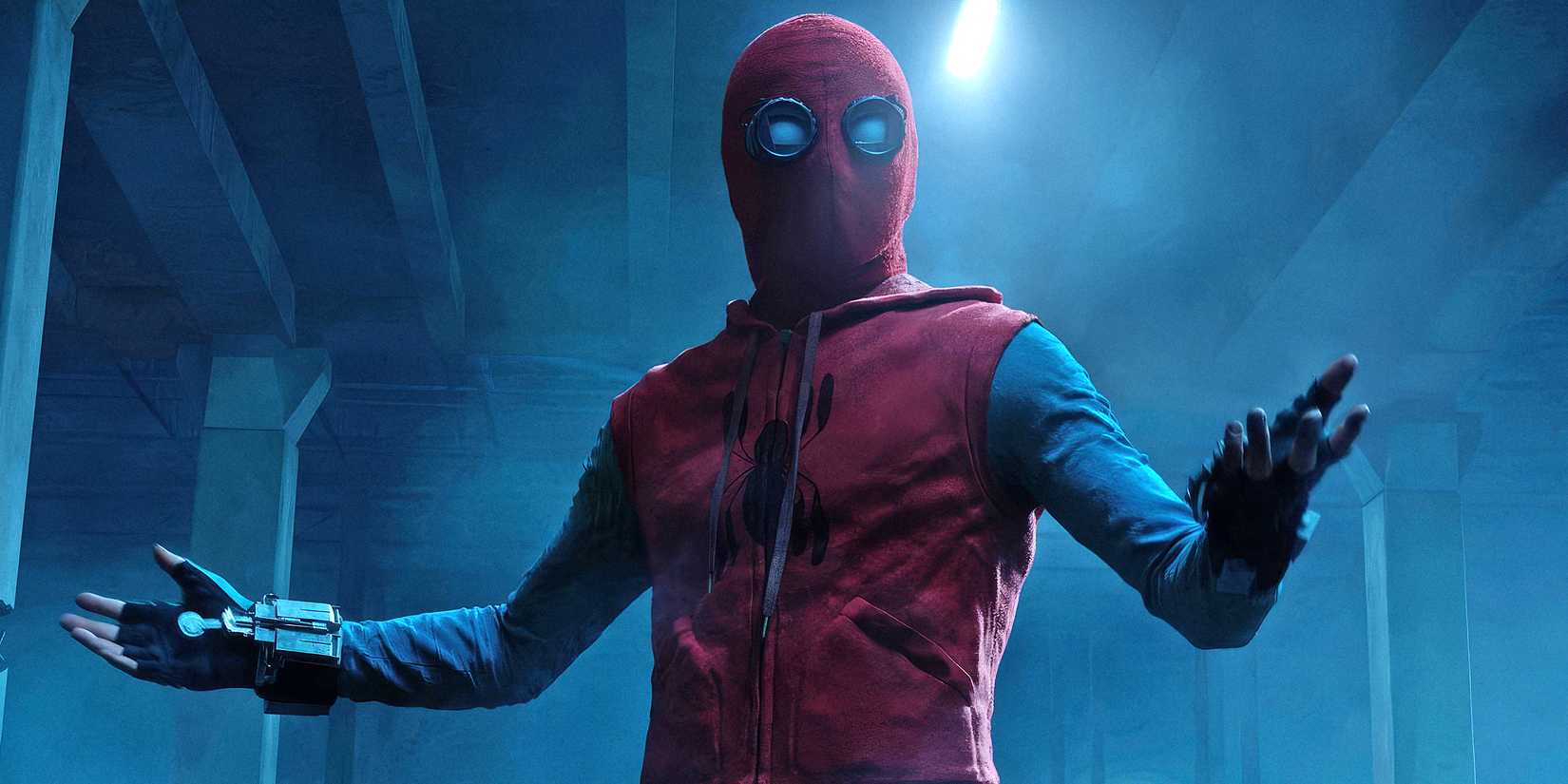
- The Sweatsuit / Homemade Suit (Spider-Man: Homecoming, 2017): After Tony Stark confiscates his high-tech gear, Peter is forced to rely on his original design: a red zip-up hoodie, sweatpants, and swimming goggles modified into expressive mechanical lenses. This stands out as arguably the most successful "homemade" costume in cinematic history, striking a perfect balance between resourcefulness and iconic silhouette.
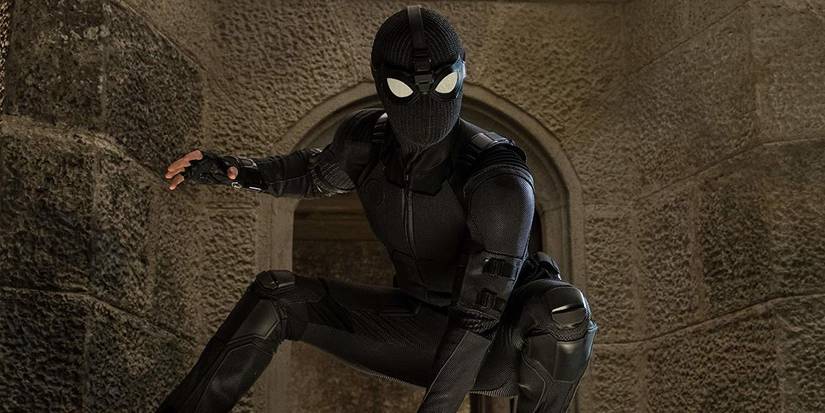
- The Night Monkey Suit (Spider-Man: Far From Home, 2019): Concocted by Ned Leeds (Jacob Batalon) to explain why Peter’s European vacation coincided with the appearance of a mysterious black-clad hero, this tactical stealth suit was essentially standard S.H.I.E.L.D. gear adorned with classic Spider-Man lenses. While functional for the plot’s comedic beats, its lack of distinct personality left it feeling visually barren.
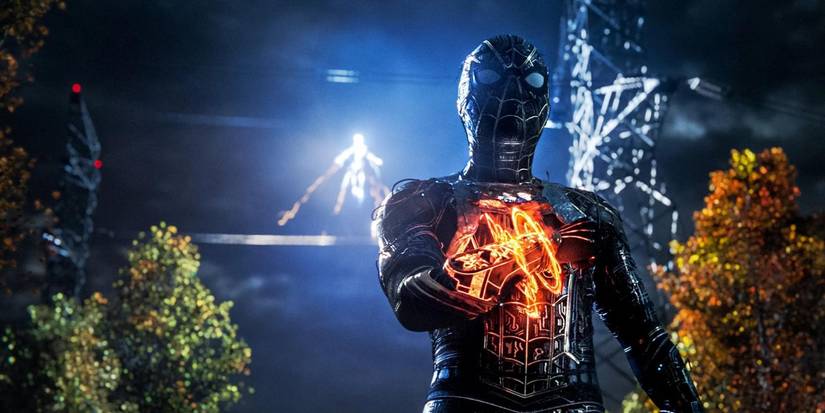
- The Upgraded Suit (Spider-Man: Far From Home, 2019): Fabricated by Peter using Stark Industries technology aboard a private jet, this suit swapped the traditional blue panels for a striking jet-black and red color scheme. The darker tones effectively masked the micro-patterned detailing, while the integration of web-wings and a large white back spider symbol gave it a unique identity.
- The Inverted Suit / Black and Gold Suit (Spider-Man: No Way Home, 2021): Born out of necessity when green paint is accidentally spilled on his Upgraded Suit, Peter turns the outfit inside out to reveal its exposed internal wiring and black-and-gold chassis. Though visually interesting in select action sequences, its brief screen time suggested it was designed primarily to drive merchandise sales.
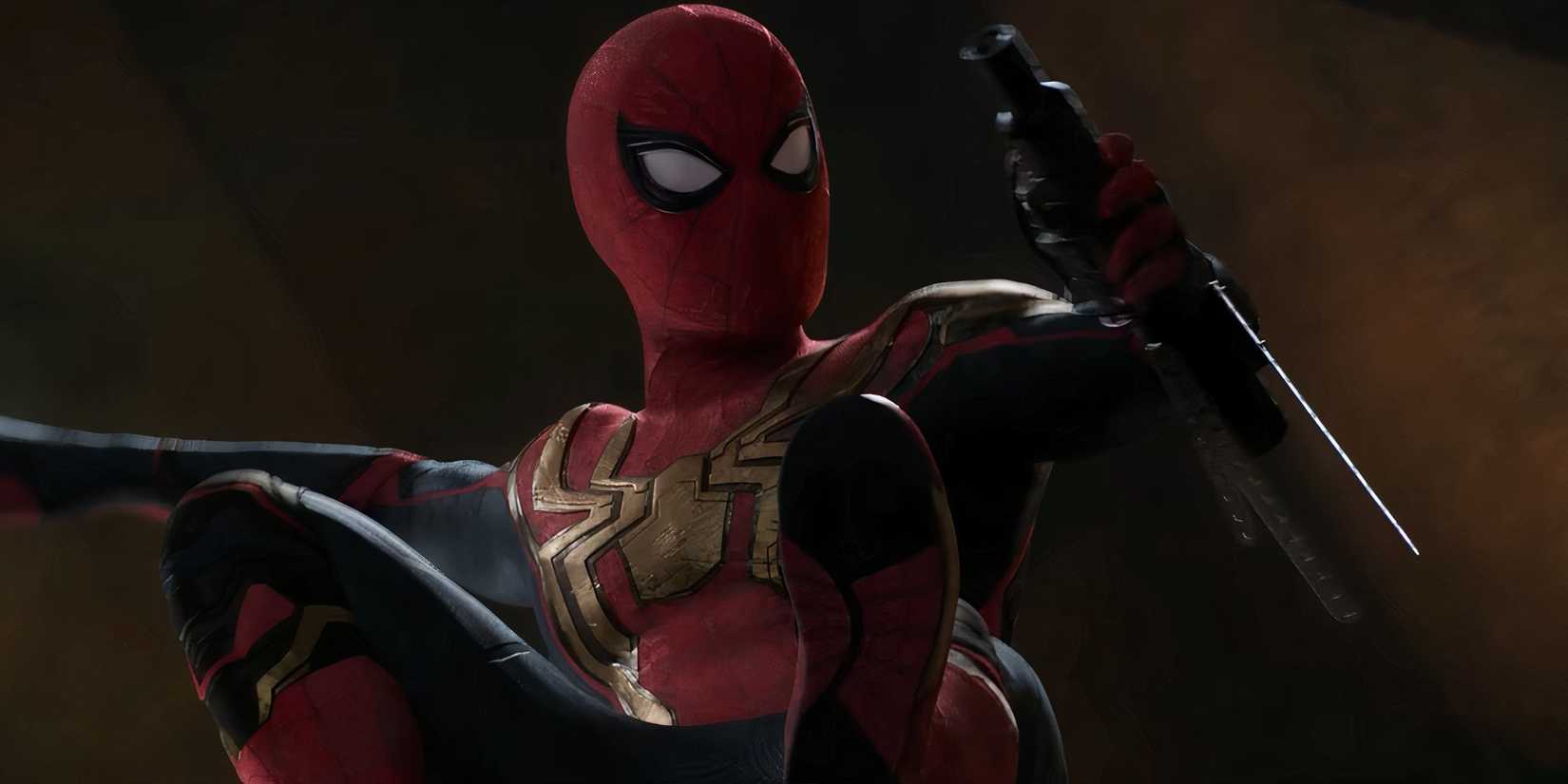
- The Integrated Suit (Spider-Man: No Way Home, 2021): When the nanotech from the Iron Spider suit merges with Peter’s Upgraded Suit after curing Doctor Octopus, the resulting hybrid features a prominent gold-accented spider emblem across the chest. Against expectations, the gold highlights harmonized well with the existing black-and-red foundation, offering a fresh visual identity.
Supporting Data: Costume Reception Metrics
Analyzing fan and critical reception across major pop-culture databases and film retrospectives reveals clear trends in how cinematic Spider-Man suits are evaluated:
- Fidelity vs. Innovation: Costumes that closely adapt iconic comic designs—such as the classic Raimi suit, the Stark Suit, and the No Way Home finale suit—consistently score highest in audience polls regarding visual appeal.
- The "Over-Design" Penalty: Outfits heavily reliant on busy line-work, excessive paneling, or uninspired tactical gear (such as the MCU Iron Spider and the Night Monkey suit) rank significantly lower in fan sentiment compared to streamlined, spandex-or-fabric-based counterparts.
- The Homemade Charm Factor: Fans display high tolerance—and often deep affection—for low-fidelity homemade outfits (Spider-Man 2002, Spider-Man: Homecoming) because they reflect Peter Parker’s working-class roots and resourcefulness, whereas early uninspired prototypes like The Amazing Spider-Man‘s Vigilante suit are penalized for lacking creative flair.
Official Responses and Creative Intentions
Behind every costume change lies a deliberate choice by costume designers, directors, and studio executives.
During the press junkets for The Amazing Spider-Man, designer Kym Barrett explained that the decision to give Andrew Garfield’s character a slimmer, more organic, runner-like physique—complete with elongated spider symbols and athletic shoe-inspired footwear—was intended to make the hero feel like a real teenager moving through real urban environments.
Conversely, within the MCU, head Marvel Studios executives and directors like Jon Watts utilized costume progression as a narrative arc for Tom Holland’s Peter Parker. Producer Kevin Feige noted in past interviews that Peter’s journey from homemade gear to Stark-subsidized armor, and finally to a suit crafted entirely by his own hand in the final moments of No Way Home, mirrors his maturation from an impulsive kid into an independent, self-reliant hero.
Implications for Future Franchises
The continuous reinvention of Spider-Man’s cinematic wardrobe carries significant implications for both storytelling and merchandising within the superhero genre.
First, the costume has become the primary visual indicator of where a given narrative falls on the spectrum of realism versus comic-book escapism. When studios lean too far into grounded, tactical realism—stripping away vibrant primary colors and classic emblems—they risk alienating purists who look to comic book films for visual spectacle.
Second, the commercial reality of superhero cinema cannot be ignored. The introduction of multiple suits per film—evident in recent MCU outings—drives massive waves of action figure sales, video game skin integrations, and collectible markets. However, as fan fatigue regarding "over-designed" variants grows, studios are increasingly learning that narrative necessity must justify visual changes.
Ultimately, whether web-slinging through the neon-lit streets of Manhattan or traversing the multiverse, Spider-Man’s costume remains a living canvas. As future iterations of the character inevitably make their way to the silver screen, designers will continue to walk the tightrope between honoring decades of comic book history and pushing the boundaries of modern cinematic design.
