
The AI Paradigm Shift: How YouTube’s "Made on" Event Is Reshaping Content Creation
In the rapidly evolving landscape of digital media, few platforms exert as much influence over the creative economy as YouTube. During its annual "Made on YouTube" event held in late September, the platform signaled a definitive shift in its operational philosophy: the total integration of generative artificial intelligence into every facet of the content creation lifecycle.
By embedding advanced AI tools directly into the creator workflow—from the drafting phase and thumbnail design to automated editing and performance optimization—YouTube is fundamentally changing the relationship between the human creator and the platform’s black-box algorithm. Simultaneously, the company is grappling with the dark side of this technological proliferation, introducing robust new "likeness detection" guardrails to combat the rising tide of deepfakes and unauthorized synthetic media.
The New Creative Stack: AI as the Co-Pilot
For many creators, the barrier to entry for professional-grade content has historically been high, requiring technical proficiency in editing software and a deep understanding of audience psychology. YouTube’s latest suite of tools aims to flatten that curve.
Drafting, Pacing, and Conversational Editing
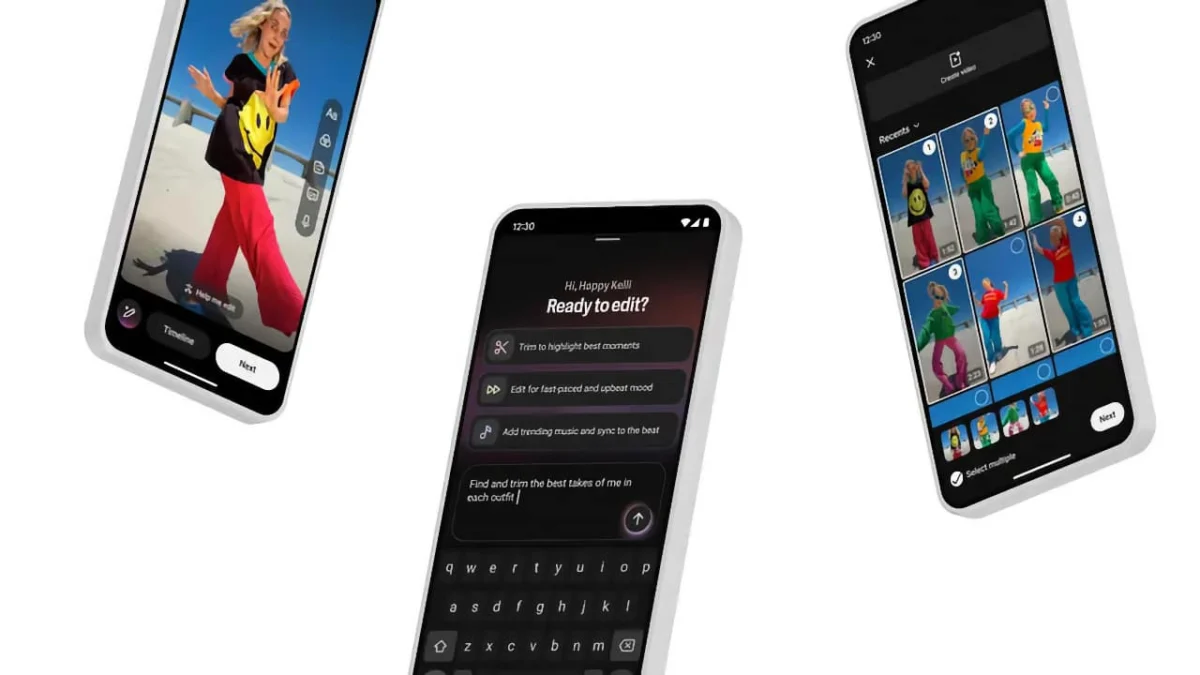
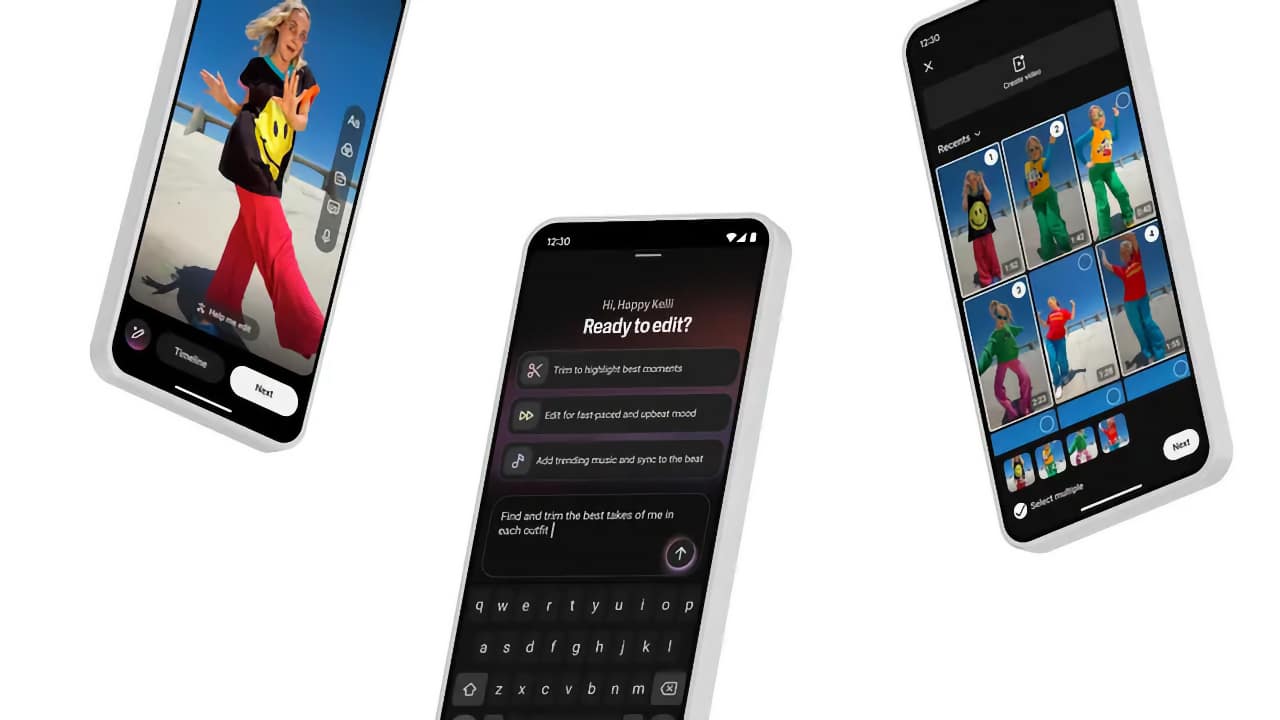
The standout feature unveiled at the event is the new "conversational editing" tool, currently rolling out for YouTube Shorts and the YouTube Create app. Powered by the Gemini Omni model, this tool allows creators to move away from the traditional, labor-intensive timeline-based editing process. Instead, users can simply describe their desired output in a chat interface. The AI then handles the heavy lifting: trimming awkward pauses, reordering clips to optimize pacing, and suggesting structural improvements.
Complementing this is a new "draft feedback" system. Before a creator hits the publish button, the AI analyzes the video’s narrative structure, pacing, and storytelling flow, offering actionable notes to enhance engagement. This essentially provides creators with a virtual producer, allowing them to iterate faster and refine their content with data-driven insights.
Algorithmic Optimization: Thumbnails and A/B Testing
YouTube is also leaning heavily into optimization. The platform revealed that over 40 million A/B tests have already been conducted on titles and thumbnails. The new generative tools now produce thumbnail and title variants that are stylistically aligned with a channel’s existing aesthetic, ensuring brand consistency.
Perhaps most provocatively, YouTube announced plans for a fully automated optimization system by late 2026. This system will monitor thumbnail performance in real-time and swap out underperforming assets for higher-performing variants without any human intervention. While this promises to maximize click-through rates (CTR), it raises questions about the diminishing role of human creative intuition in favor of algorithmic efficiency.
Chronology: From Monetization Hurdles to AI Integration
To understand the current climate, one must look at the recent history of YouTube’s Partner Program (YPP).
- 2024–2025: YouTube introduced stricter barriers to entry for the YPP, aiming to improve content quality but inadvertently making monetization more difficult for smaller, burgeoning channels.
- Late 2025: YouTube launched its initial "likeness detection" suite, primarily focused on protecting high-profile creators within the Partner Program from AI-generated deepfakes.
- March 2026: The platform expanded its likeness guardrails to include politicians, officials, and journalists, reflecting a growing concern over election integrity and misinformation.
- May 2026: Gemini Omni was integrated into the YouTube Create app, setting the stage for the generative editing features debuted in September.
- September 2026 (Made on YouTube): YouTube officially democratized AI tools for all users, including the new conversational editing features and the expansion of likeness detection to all adults over 18.
Supporting Data and the "Slop" Problem
The pivot toward AI is not merely a creative choice; it is a defensive maneuver against the influx of low-quality, automated content often referred to in industry circles as "AI slop."
YouTube’s July 2026 policy update laid the groundwork for this strategy by explicitly categorizing three types of content that would face demonetization:
- Generic, Templated Content: Videos that rely on AI-generated visuals or scripts without adding original perspective or creative value.
- Manipulative/Shock Content: Media designed solely to trigger emotional responses through artificial or exaggerated scenarios.
- AI Impersonators: Synthetic personas posing as human experts in critical fields such as health, finance, legal advice, or politics.
By naming "AI doctors" and "AI lawyers" as specific targets, YouTube is attempting to preempt a surge of misinformation that could undermine the platform’s credibility. The data suggests that as AI becomes more capable of mimicking human authority, the necessity for robust detection tools becomes not just a feature, but a requirement for survival.
Protecting the Human: Expanding Likeness Guardrails
The most significant social initiative announced at the event is the expansion of "likeness detection." Previously restricted to elite tiers of creators, this tool is now available to all adults.
How it Works
The system acts as a digital watchdog, scanning for content that utilizes a creator’s face or voice without authorization. By integrating these tools into the mobile experience, YouTube is allowing creators to monitor and request the removal of infringing content on the go.
Later in 2026, the platform will introduce "voice detection," a critical upgrade designed to identify AI-cloned voices that mimic the unique speech patterns and cadence of a creator. Once a match is confirmed, the creator is granted the agency to review the content and initiate a privacy complaint, effectively providing a streamlined legal pathway to tackle identity theft in the synthetic era.
Implications: A New Era of Digital Content
The implications of these changes are profound, both for individual creators and the broader digital economy.
The Black-Box Conundrum
YouTube is essentially providing the tools to "game" its own algorithm. By offering AI-driven title generation and automatic thumbnail optimization, YouTube is standardizing the "winning" formula. However, this creates a potential feedback loop where the algorithm is fed by the very AI tools it helped create, potentially leading to a homogenization of content style across the platform.
The Death of the "Human Touch"?
There is a legitimate fear that as these tools become standard, the "human" element of content—the raw, unpolished, and idiosyncratic nature of independent creators—may be smoothed over by AI. If every video is perfectly paced and every thumbnail is perfectly optimized by the same underlying model, the platform risks losing the very variety that made it successful in the first place.
A Two-Tiered Future
While the tools are theoretically available to everyone, the most successful creators will likely be those who use AI as a force multiplier for their own original, high-concept ideas, rather than those who rely on the AI to generate the core content itself. We are entering an era where the differentiator is no longer the ability to edit or design, but the ability to direct an AI to achieve a specific, human-centric vision.
Conclusion: Balancing Innovation and Integrity
YouTube is attempting a delicate balancing act. By embracing generative AI, it is providing its user base with a competitive advantage, potentially helping smaller creators reach the monetization threshold more quickly. Simultaneously, by investing heavily in likeness detection and strict content policies, it is trying to insulate itself from the existential threats posed by deepfakes and synthetic misinformation.
Whether these measures will suffice remains to be seen. As the technology continues to evolve, the distinction between "helpful assistant" and "algorithmic crutch" will become increasingly blurred. For now, YouTube has firmly positioned itself as the primary architect of the new AI-driven creator economy, setting the rules of engagement for the next generation of digital storytellers. The question for creators is no longer how to use the tools, but how to maintain their creative identity in a world where the machine is learning to replicate it.
