
The Ultimate Breaking of the Bat: How the New Animated ‘Knightfall’ Finally Delivers a Definitive Bane
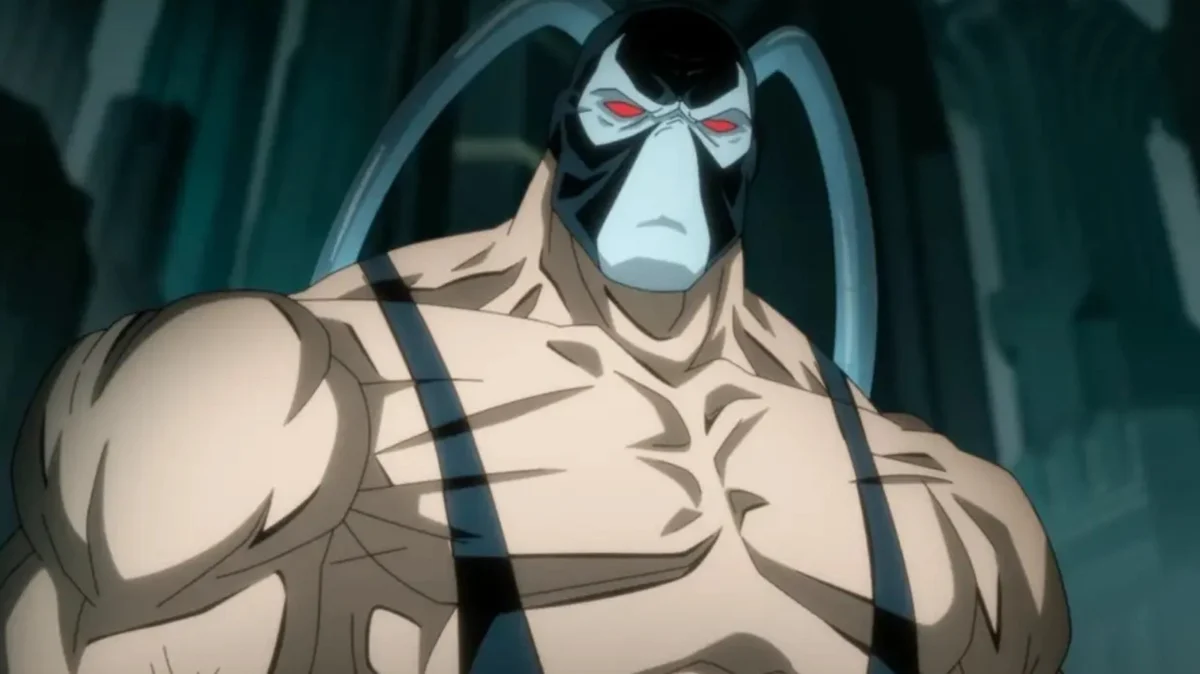
For over three decades, Bane has stood as one of the most formidable and recognizable adversaries in the Dark Knight’s legendary rogues’ gallery. Yet, despite his enduring cultural footprint—most notably cemented by Tom Hardy’s iconic, albeit divisive, cinematic portrayal in Christopher Nolan’s The Dark Knight Rises—many comic book purists have long argued that the character’s true narrative depth has never quite translated to the screen.
That narrative drought has officially ended. With the release of Batman: Knightfall – Part 1, Warner Bros. Animation has returned to form, delivering an R-rated, uncompromised adaptation of the seminal 1990s comic book crossover event. Helmed by director Jeff Wamester and featuring a chilling voice performance by Michael Mando, this new animated trilogy launcher bypasses the constraints of live-action blockbusters to present a Bane who is far more terrifying, intelligent, and faithful to his source material than any screen iteration that came before him.
Main Facts: A Faithful, R-Rated Reimagining
Batman: Knightfall – Part 1 marks the beginning of a planned trilogy that adapts one of the most transformative storylines in DC Comics history. In the early 1990s, the "Knightfall" saga shocked readers by fundamentally dismantling Bruce Wayne, both physically and psychologically.
The new animated film captures the core tenets of this classic arc:
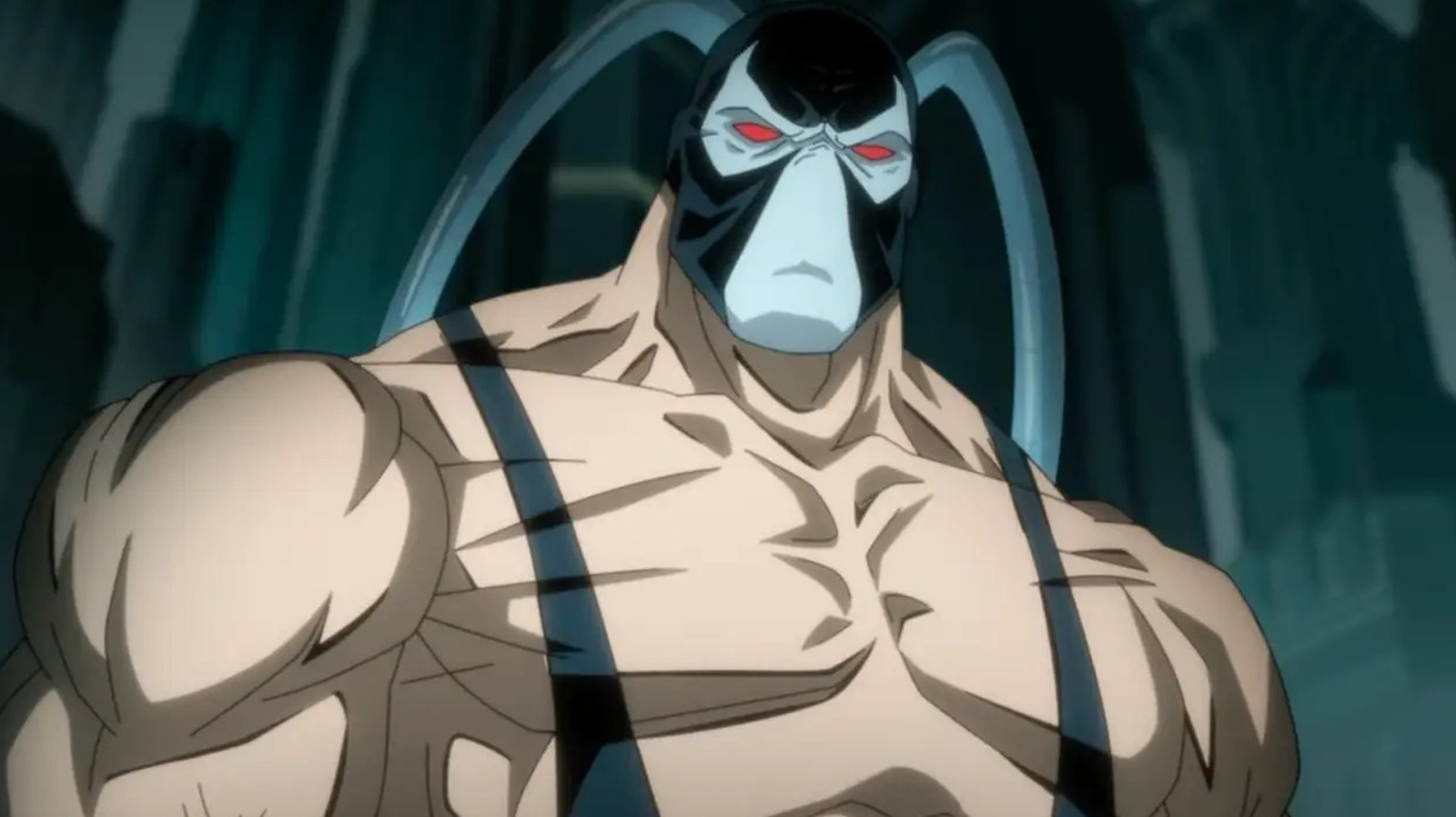
- The Creative Team: Directed by Jeff Wamester, the film dives headfirst into mature territory, earning an R-rating that allows for unvarnished brutality.
- The Voice Cast: The production features Anson Mount as Batman, Pablo Schreiber as Azrael, and most notably, Michael Mando as the voice of Bane.
- The Narrative Scope: Rather than reducing Bane to a mindless muscle-bound thug or a secondary pawn—pitfalls common in past adaptations—the film honors his strategic genius, psychological warfare, and harrowing origins in the brutal Peña Duro prison.
Chronology: Tracing the Evolution of the Man Who Broke the Bat
To understand why the new animated Knightfall represents a watershed moment for the character, it is helpful to look back at how Bane has been handled across media since his comic book debut.
The 1990s: Comic Book Origins and the "Knightfall" Event
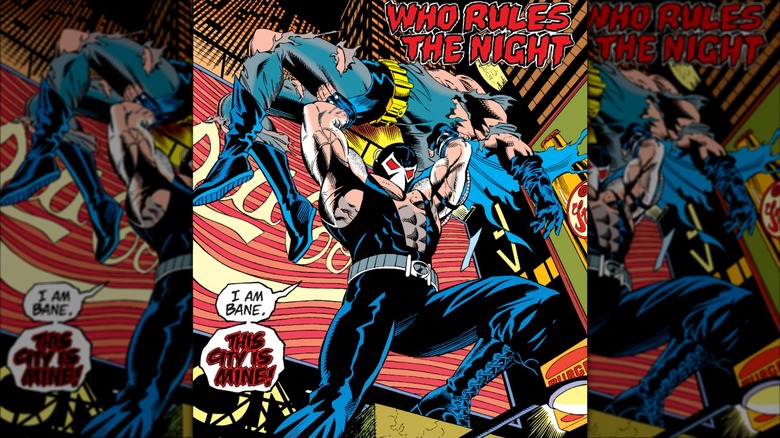
Created by Chuck Dixon, Doug Moench, and Graham Nolan, Bane burst onto the scene in 1993. Unlike many of Batman’s classic villains who originated in the Golden or Silver Ages, Bane was a product of the modern era. In the year-long "Knightfall" crossover event, he systematically wore Batman down by orchestrating a mass breakout at Arkham Asylum. The arc culminated in Batman #497, where Bane famously hoisted the exhausted hero over his knee and shattered his spine.
Prior to this, the standalone one-shot Vengeance of Bane established his tragic backstory: born and raised in the hellish Santa Prisca prison of Peña Duro to serve out his absent father’s life sentence, Bane was forced to hone his mind and body into peak condition just to survive, eventually becoming the test subject for the super-steroid known as Venom.
Past Screen Adaptations: Hits and Misses
Despite the comic’s massive impact, screen adaptations struggled for years to capture the character’s nuances:
- Batman: The Animated Series: Reportedly, the creators were initially reluctant to use Bane, featuring him only under duress, which resulted in a somewhat one-dimensional portrayal.
- Batman & Robin (1997): Robert Swenson played a version of Bane that completely stripped away the character’s cunning intellect, reducing him to a grunting, mindless henchman.
- The Dark Knight Rises (2012): Christopher Nolan’s grounded approach saw Tom Hardy don a stylized gas mask and rely on pain management rather than Venom. While Hardy’s Bane was undeniably imposing and successfully broke Christian Bale’s Batman, the character suffered from a muffled, high-pitched vocal delivery and a late-stage narrative twist that revealed him to be a subordinate to Marion Cotillard’s Talia al Ghul.
The Modern Redemption: Batman: Knightfall (2025)
Jeff Wamester’s animated feature corrects these missteps. By blending the psychological terror of the original comics with modern animation fluidity, the film finally presents a definitive, fully realized version of the villain.
Supporting Data: Comparing Screen Interpretations of Bane
| Adaptation | Actor / Voice | Key Strengths | Major Criticisms |
|---|---|---|---|
| Batman & Robin (1997) | Robert Swenson | Physical size, iconic visual presence. | Stripped of intelligence; reduced to a mute brute. |
| The Dark Knight Rises (2012) | Tom Hardy | Magnetic screen presence; memorable quotes; successfully breaks Batman. | Division over the voice; undermined by the Talia al Ghul twist; no Venom. |
| Batman: Knightfall (2025) | Michael Mando | Chillingly quiet intensity; comic-accurate physique and mask; deep psychological motivation. | Requires familiarity with broader DC lore (may be dense for casual viewers). |
Official Responses and Creative Intent
The production choices behind Batman: Knightfall reflect a deliberate desire by Warner Bros. Animation to honor the darker, more visceral aspects of 90s comic book storytelling. By leaning into an R-rating, the creative team was able to bypass the sanitized parameters of Saturday morning cartoons.
Director Jeff Wamester and the writers made a conscious effort to elevate Bane from a simple antagonist to a dark mirror of Bruce Wayne. In the animated film, Bane’s motivations are deeply tied to his obsession with Thomas Wayne’s legacy in Gotham City. Unlike the abstract motivations seen in early comics—where Bane simply wanted to defeat a "bat" demon from his nightmares—the film grounds his vendetta in ideological superiority. Bane views Bruce Wayne as a spoiled aristocrat unworthy of his father’s crown, contrasting sharply with his own harrowing, self-made survival in Peña Duro.
Furthermore, Michael Mando’s vocal performance has drawn widespread praise for subverting expectations. While comic book lettering often depicts Bane shouting his iconic threats, Mando delivers the famous line—"I am Bane! I could kill you, but death would only end your agony and silence your shame. Instead, I will simply … break you"—with a chilling, quiet growl, treating the defeated Batman as a figure beneath contempt.
Implications for the Future of DC Animation
The release of Batman: Knightfall – Parts 1 and the subsequent films currently in development carry significant implications for Warner Bros. Animation and the superhero genre at large:
- A Blueprint for Mature Adaptations: The success of the film’s R-rated, uncompromising tone proves that there is a robust, dedicated market for adult-oriented comic book adaptations that do not pander to younger demographics.
- Elevating Supporting Characters: By treating Bane with the psychological complexity typically reserved for villains like the Joker, the trilogy sets a higher standard for how comic book heavyweights should be handled on screen.
- Revitalizing Classic Crossovers: "Knightfall" was a monumental publishing event in the 1990s. The success of this animated trilogy opens the door for other massive comic book arcs (such as No Man’s Land or Under the Red Hood) to receive similarly expansive, multi-part treatments.
Ultimately, Batman: Knightfall proves that when creators respect the source material’s darkness, intelligence, and emotional weight, animated adaptations can easily surpass their live-action counterparts, giving fans the definitive definitive version of their favorite characters they have been waiting decades to see.
