
Descent into the Underworld: Dark Horse Comics and Mike Mignola Offer a Halloween Treat with ‘Hellboy in Hell’
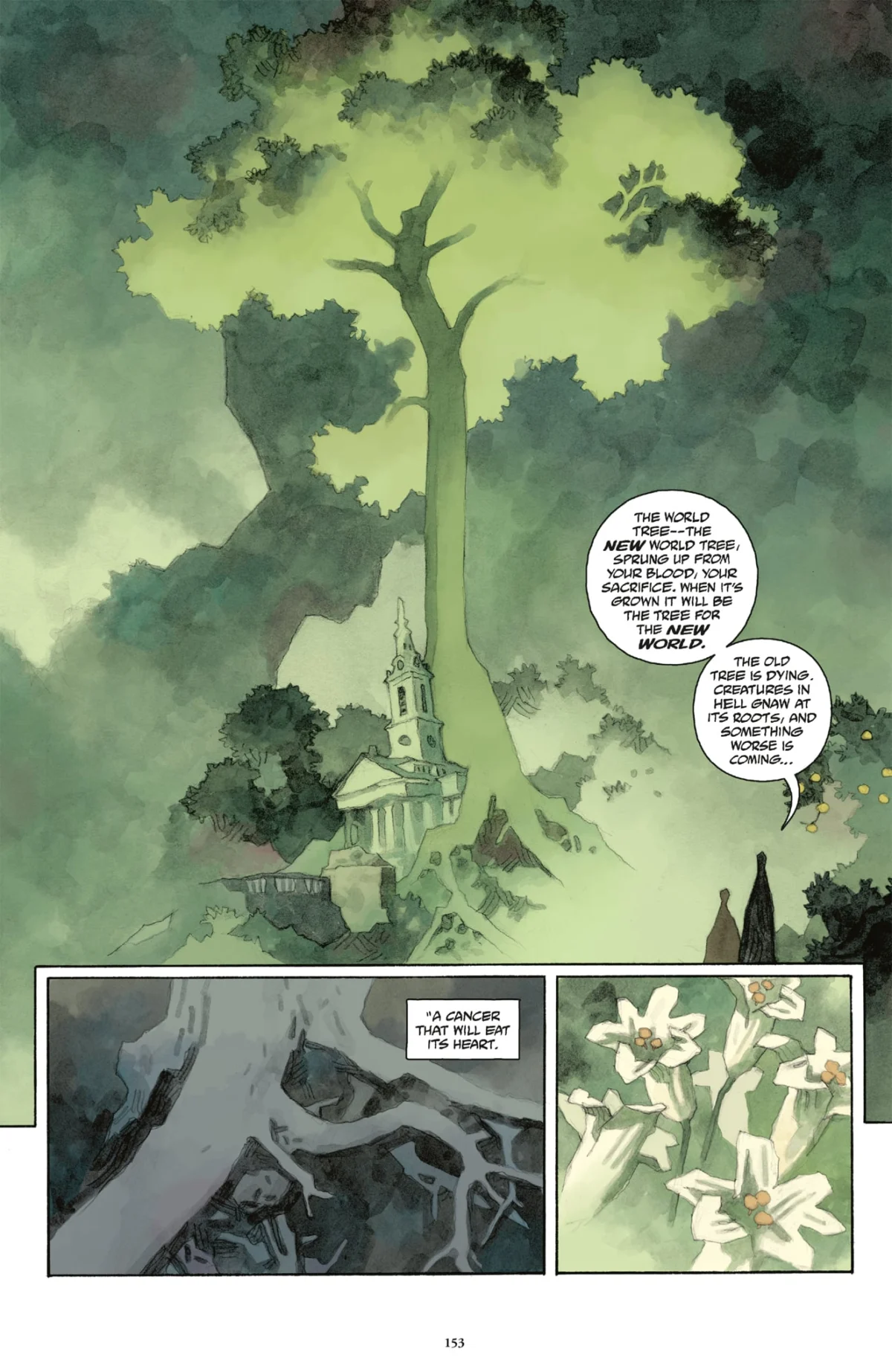
As the veil between worlds thins and the autumn air turns crisp, the ritual of the Halloween season brings with it a tradition cherished by horror enthusiasts and comic book aficionados alike: the annual gift of free, high-quality dark fantasy from the masters of the macabre at Dark Horse Comics. This year, in a move that honors the enduring legacy of one of modern comics’ most iconic anti-heroes, Dark Horse has partnered with Daily Dead to provide readers with unfettered access to a pivotal chapter of Mike Mignola’s Hellboy in Hell saga.
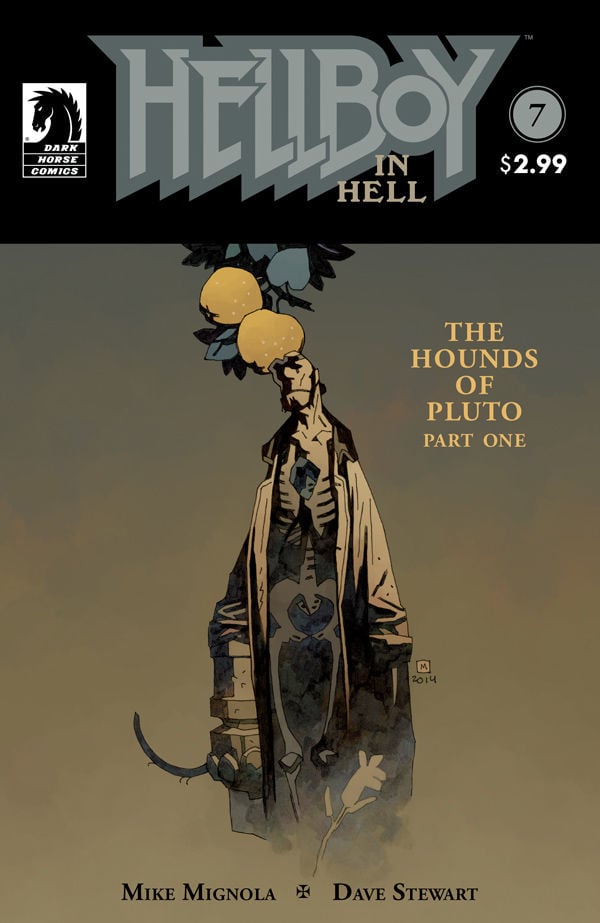
For those looking to immerse themselves in the surreal, haunting, and beautifully melancholic landscape of the afterlife, this initiative offers the perfect entry point. Readers can now experience the full weight of Hellboy in Hell #7: "The Hounds of Pluto," a masterclass in gothic storytelling and visual atmosphere.
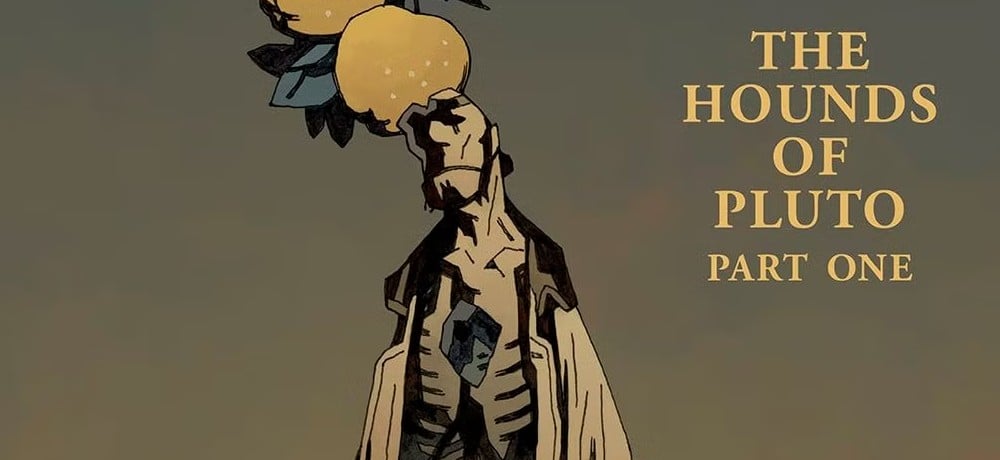
The Main Event: A Descent into the Abyss
The Hellboy in Hell series represents the culmination of Mike Mignola’s decades-long exploration of the paranormal, the folkloric, and the existential. After years of fighting for humanity on the surface, the character finds himself navigating the fractured, nightmarish topography of the underworld.
In issue #7, titled "The Hounds of Pluto," Mignola steers the narrative into deeper, more intimate territory. Following the events of previous installments, Hellboy is not merely a resident of the afterlife; he is a man—or, more accurately, a demon—under siege. A mysterious sickness begins to eat away at his very essence. Despite being technically "dead," the threat of total erasure looms large. Hellboy risks losing his identity, fading into the background as a hollow, mindless phantom among the countless spirits that wander the ruins of Hell.
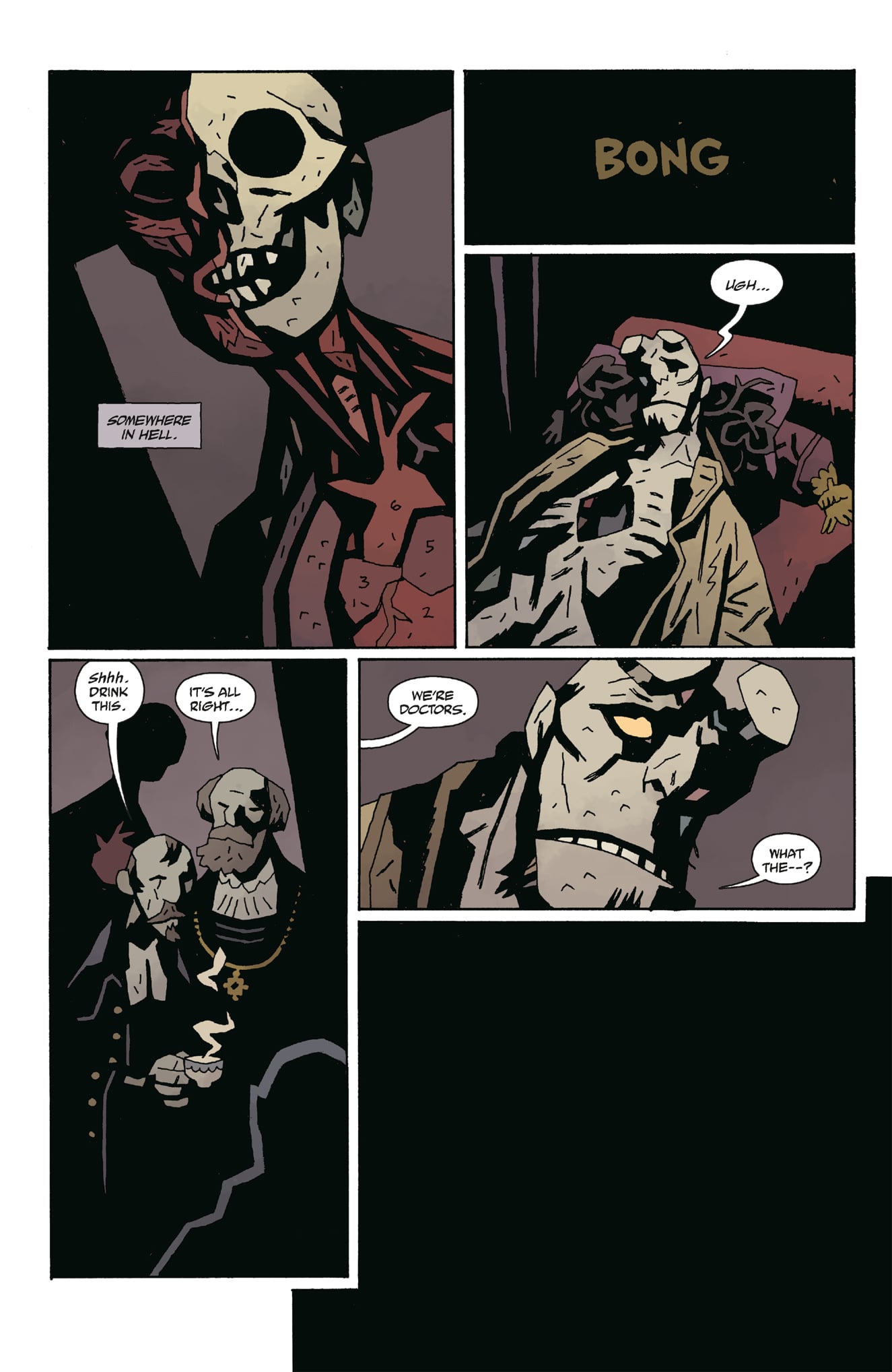
The narrative hook is deceptively simple: a group of enigmatic doctors claims to possess a cure for his affliction. However, in the world of Mignola’s creation, nothing is given for free. The price of salvation is a task that forces Hellboy to confront the very nature of his own existence.
Chronology of the Hellboy Saga
To understand the significance of "The Hounds of Pluto," one must appreciate the trajectory of Mike Mignola’s world-building. The Hellboy universe has expanded from the humble beginnings of Seed of Destruction (1994) into a sprawling mythos that touches on cosmic horror, Victorian ghost stories, and mythological deconstruction.
- The Early Years (1994–2010): Hellboy, the "World’s Greatest Paranormal Investigator," operated primarily on Earth, fighting Nazis, ancient deities, and the encroaching influence of the Ogdru Jahad.
- The Transition (2011): The conclusion of the Hellboy ongoing series saw the character sacrifice himself to save the world, marking a permanent shift in his status from hero-on-Earth to wanderer-in-the-afterlife.
- The Hell Years (2012–2016): The launch of Hellboy in Hell chronicled the character’s aimless, often surreal journey through the afterlife. This era stripped away the B.P.R.D. support structure, leaving Hellboy alone with his heritage and the crumbling architecture of his "home."
- The Modern Era: With the release of works like Hellboy in Hell: Nothing But Blood and Hellboy In Hell: Parade of Horrors, the interest in the character’s afterlife journey has seen a resurgence. Issue #7 serves as a crucial bridge in the overarching narrative, providing a visceral look at the stakes of Hellboy’s mortality in a land where death is not the end.
Supporting Data: Why "The Hounds of Pluto" Matters
Critics have long lauded Hellboy in Hell for its departure from traditional superhero storytelling. Unlike the action-packed skirmishes of his earlier days, Hellboy in Hell functions more like a fever dream or a dark fairy tale.
IGN, in its review of the series, noted: "Mike Mignola has lost none of his touch, delivering page after page with cinematic action sequences, haunting imagery, and inventive layouts that all contribute to the sense that Hellboy is on the cusp of something huge."
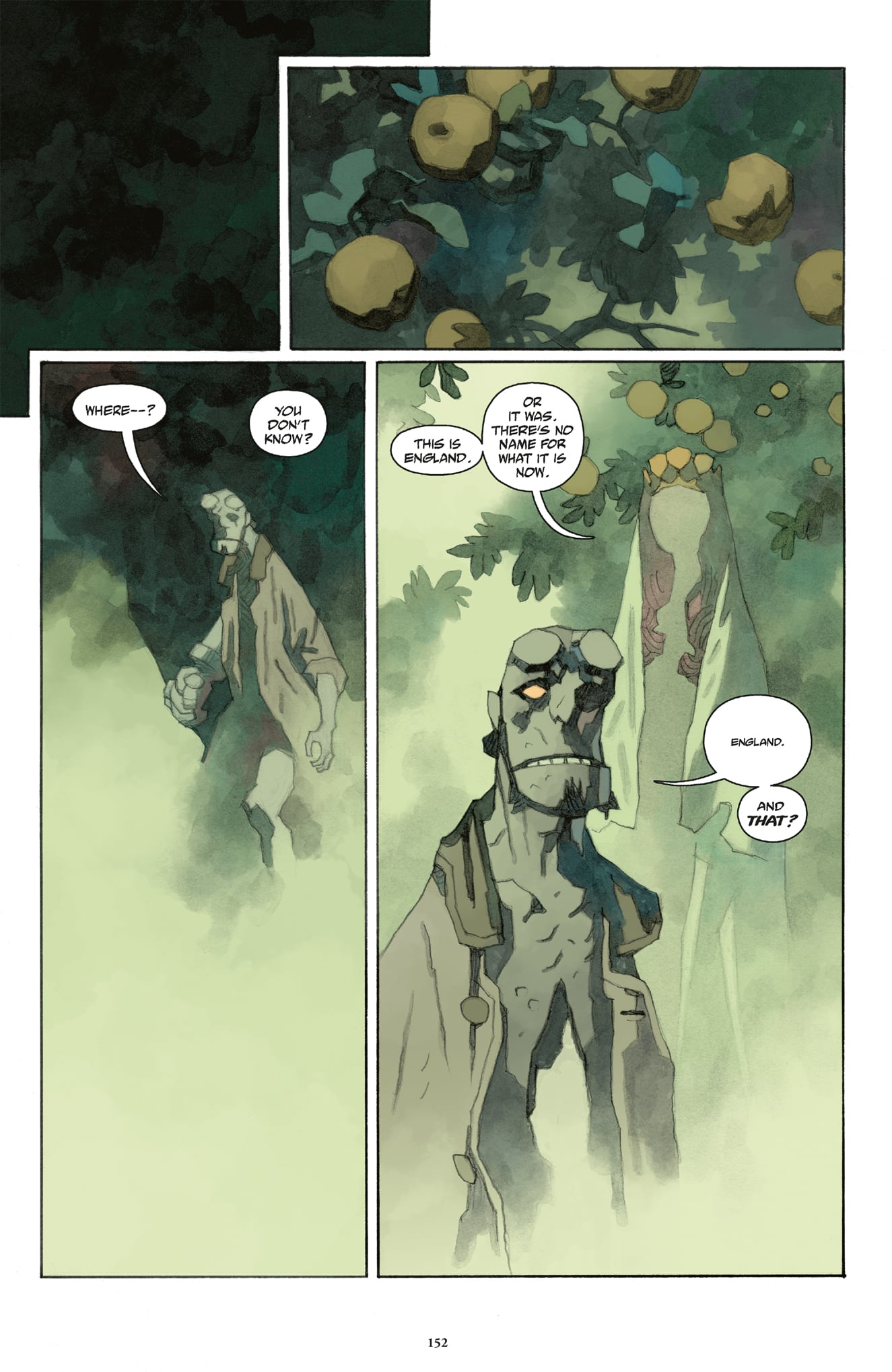
The visual language of this specific issue is paramount. Mignola’s use of negative space, sharp ink contrasts, and unconventional paneling serves to isolate the character, emphasizing his loneliness and the vast, decaying scale of Hell. "The Hounds of Pluto" is a two-part story that pushes the limits of the reader’s perception of the character. It forces the audience to ask: If Hellboy is a monster, what happens when he is preyed upon by the very forces that define his home?
Official Perspectives: The Creator’s Vision
Mike Mignola has consistently maintained that Hellboy in Hell was the story he was "born to tell." In various interviews, Mignola has expressed that moving Hellboy to the afterlife allowed him to shed the constraints of real-world physics and narrative logic.
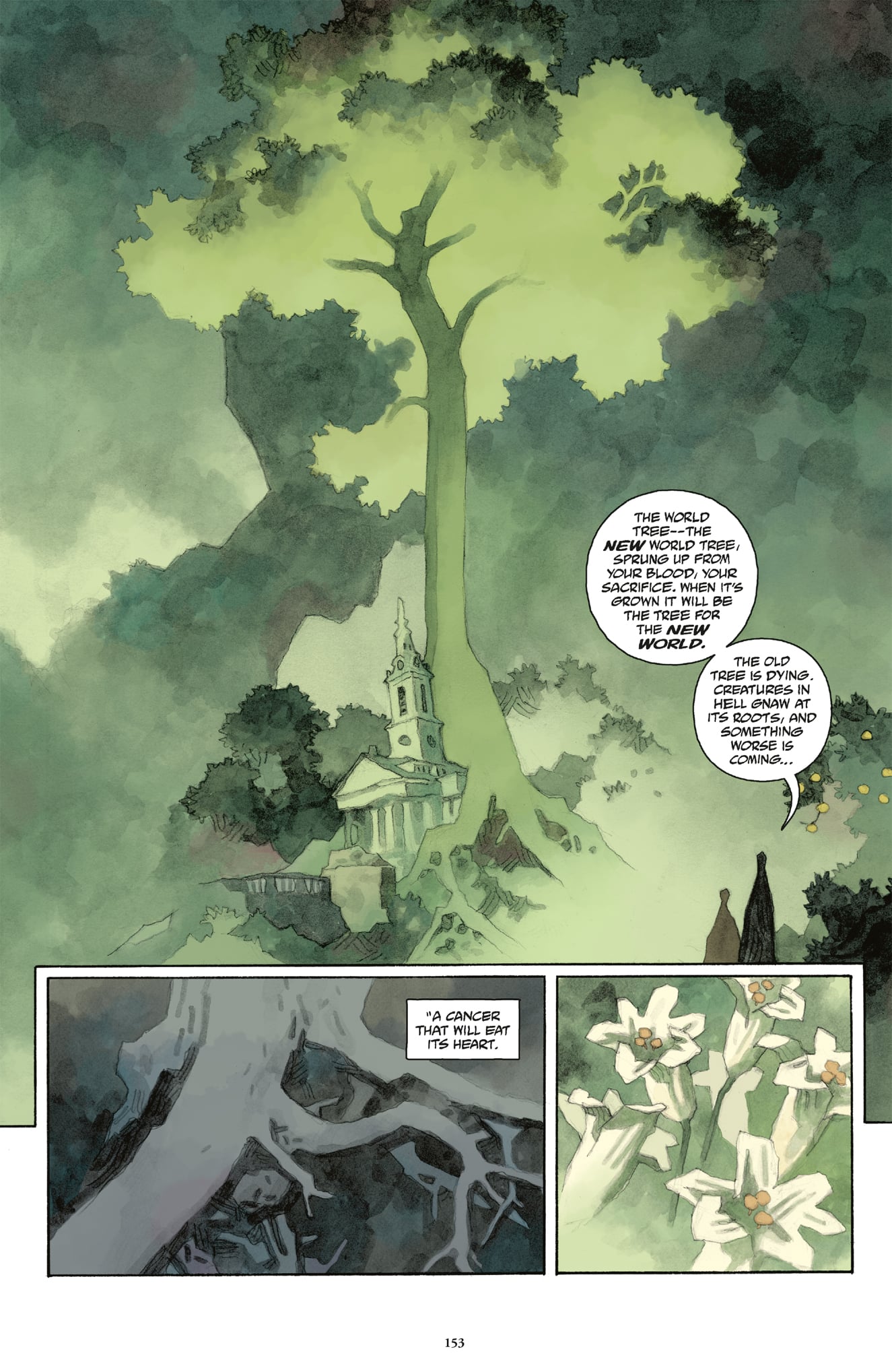
"When you’re in Hell, you don’t have to worry about the rules of the surface," Mignola noted in a retrospective on his career. "You can play with history, with legend, with the idea of what a soul is. Hellboy is a character who has always tried to reject his destiny, and in Hellboy in Hell, he finally has to face the reality of what it means to be a son of the pit."
By collaborating with Daily Dead for this Halloween event, Dark Horse is reinforcing the accessibility of these stories. The initiative serves both as a loyalty reward for long-time readers and an entry point for new fans who may have only encountered the character through the film adaptations.
Implications for the Future of the Franchise
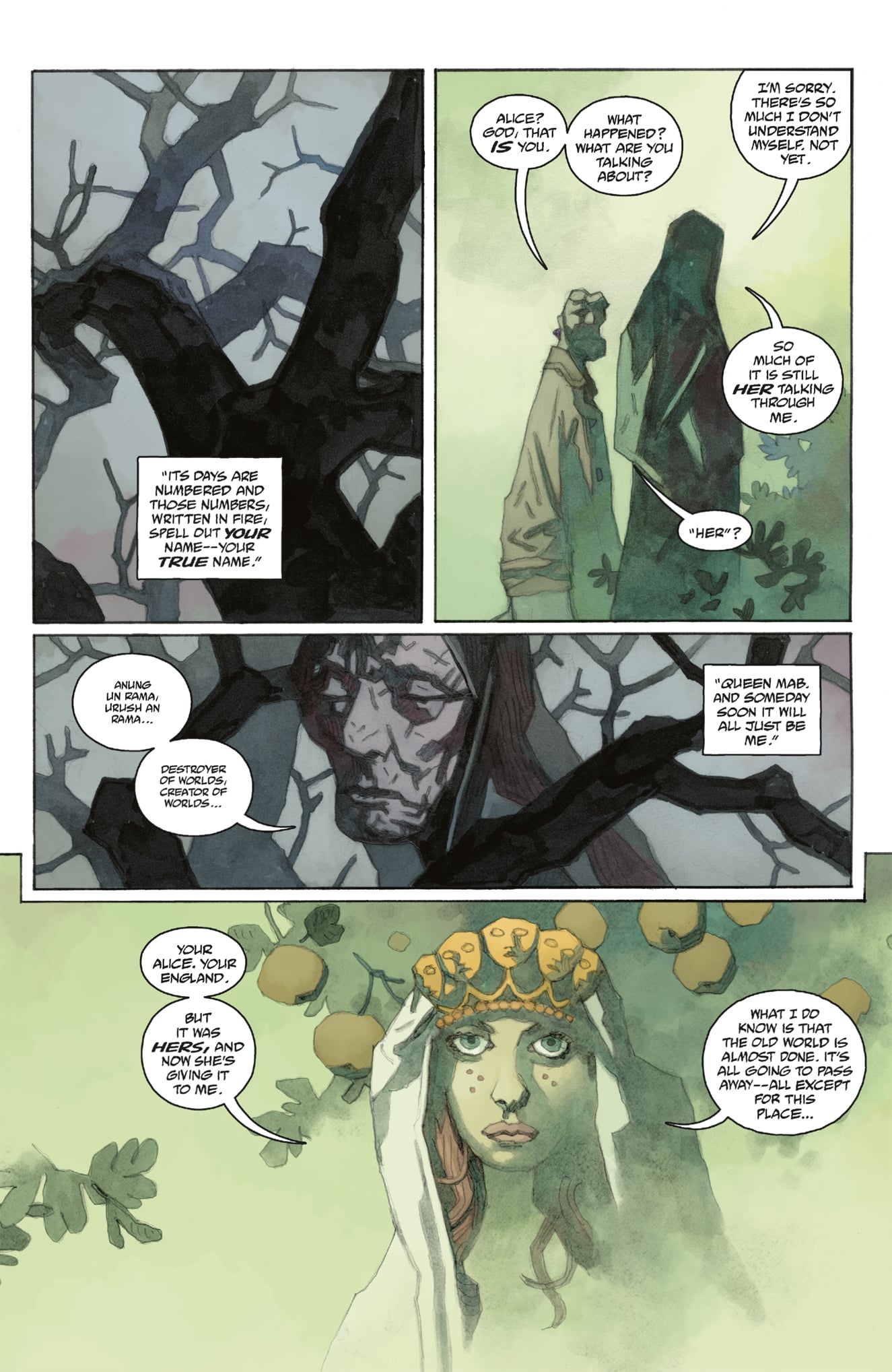
The continued focus on the Hellboy in Hell era has broader implications for the publisher. As Dark Horse continues to mine the depths of the Mignolaverse, the focus on the "Hell" years suggests a move toward more experimental, avant-garde storytelling.
The success of these digital distributions—where full issues are provided to foster community engagement—indicates a shift in how comics are consumed during seasonal marketing cycles. By offering a high-stakes, mid-series issue like #7, Dark Horse encourages readers to go back and collect the trade paperbacks, effectively revitalizing the back catalog.
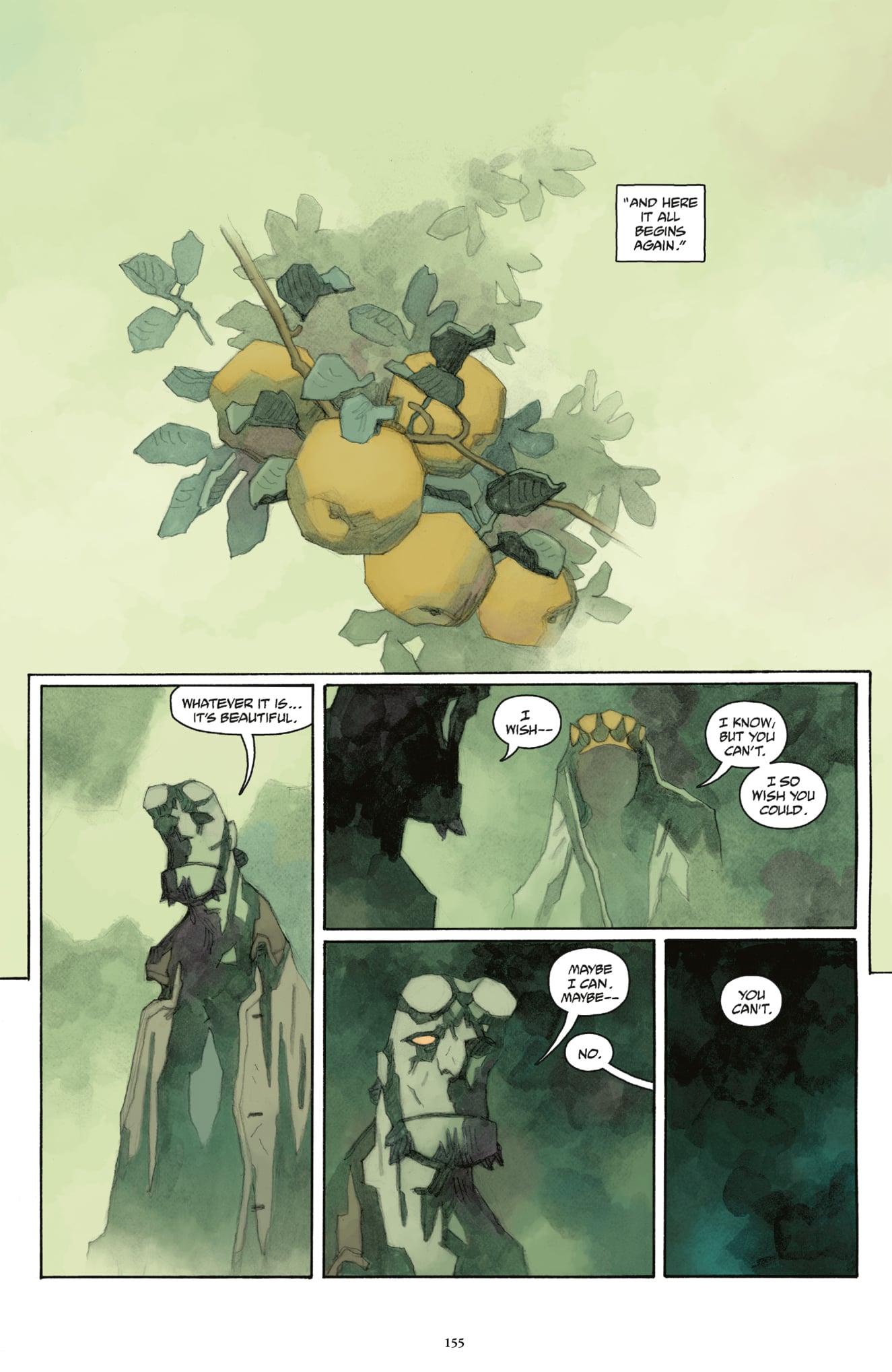
Furthermore, this move aligns with the increasing interest in "legacy" horror. As the industry leans into digital-first content to reach a global audience, the strategy of "sampling" high-quality literature acts as a gateway for the next generation of horror readers.
How to Engage with the Content
For those eager to dive into the abyss, the process is streamlined for immediate consumption. The partnership between Dark Horse and Daily Dead has made the digital issue available via a direct PDF link. This allows readers to experience the artwork in its intended format—clean, sharp, and immersive—without the need for proprietary reader software.
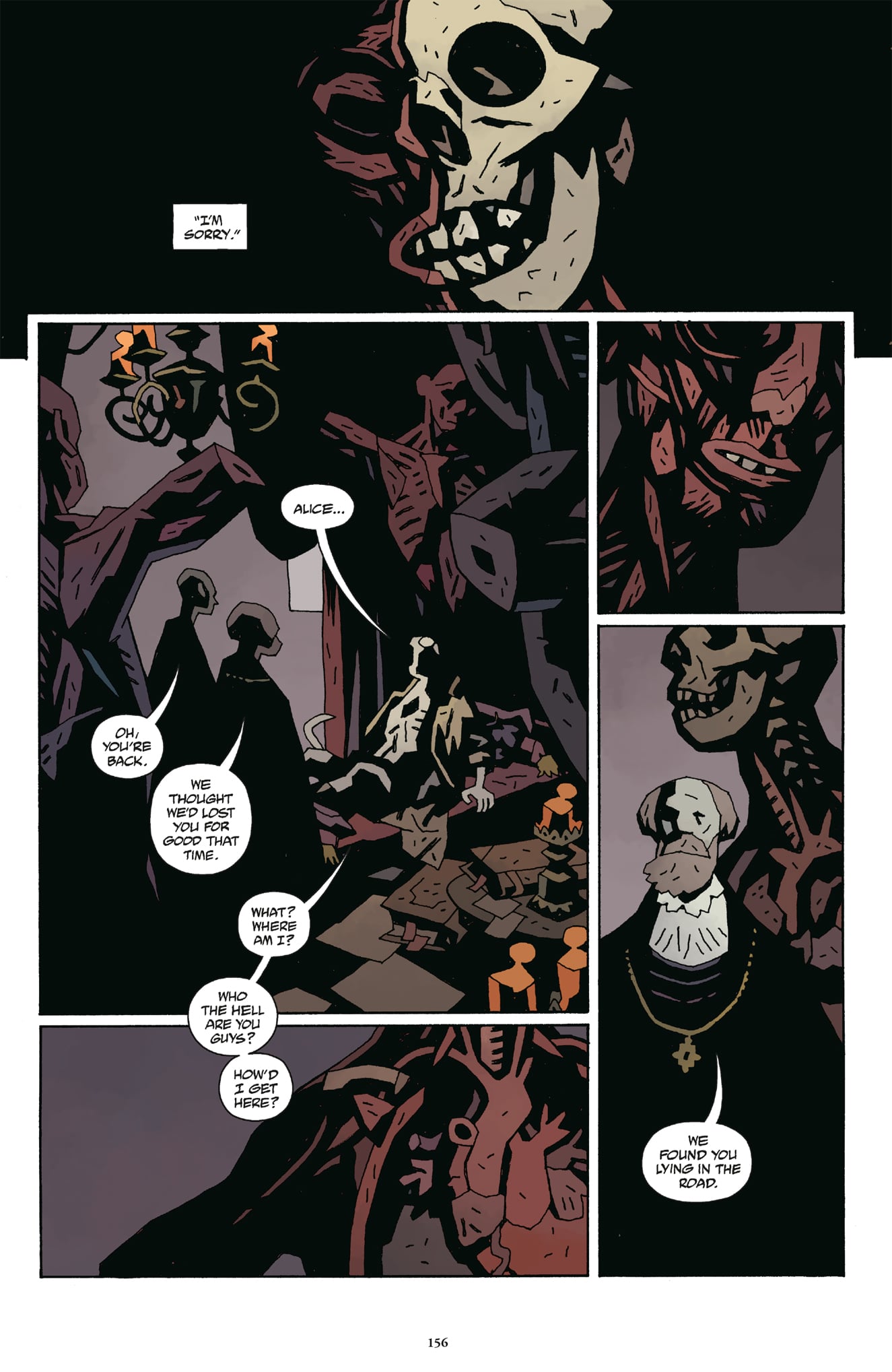
Whether you are a longtime fan of the Big Red or a newcomer drawn to the haunting, ink-drenched aesthetic of Mignola’s work, "The Hounds of Pluto" stands as a testament to the power of the medium. It is a story of sickness, survival, and the inescapable gravity of one’s own history.
To begin your descent, visit the official Daily Dead link to access the full issue of Hellboy in Hell #7.
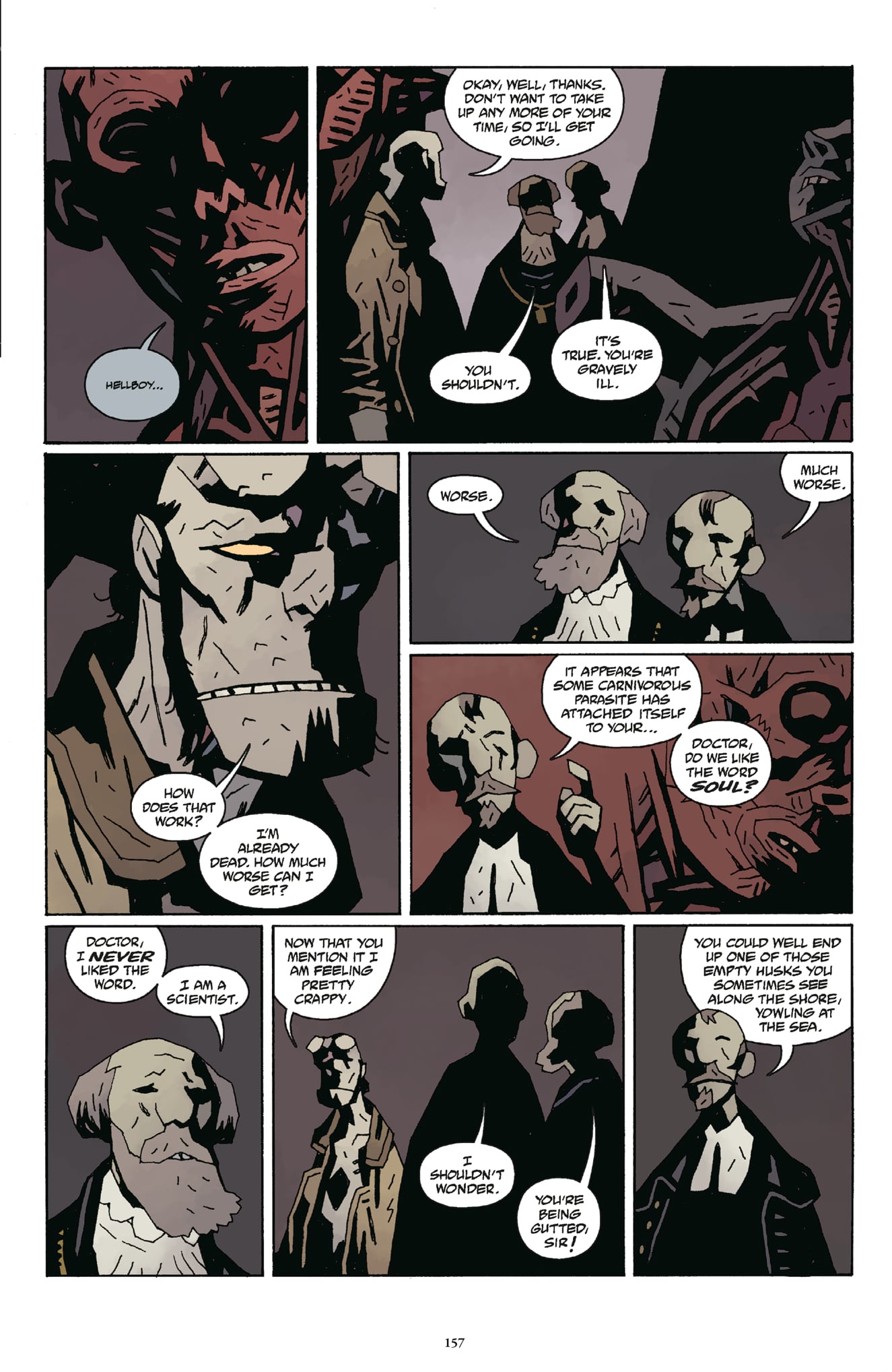
As you read, pay close attention to the way Mignola frames the dialogue against the oppressive silence of the underworld. It is, perhaps, the most chilling and beautiful way to spend a Halloween night—lost in the depths with Hellboy, waiting for the hounds to howl.
