
A Grand Return to the Celluloid Era: James Gray’s ‘Paper Tiger’ Ignites the 64th New York Film Festival
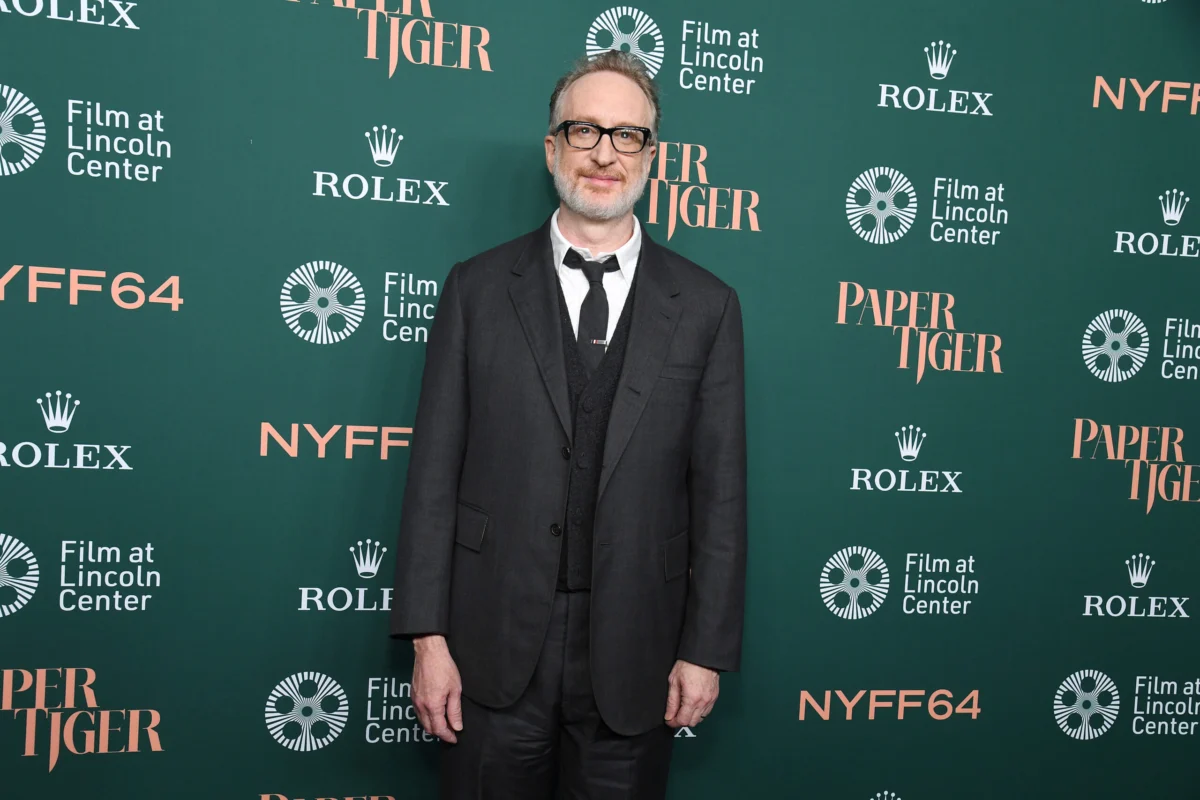
The 64th New York Film Festival (NYFF) kicked off this week with an act of cinematic defiance. By bypassing the traditional early-autumn festival circuit of Telluride and Toronto in favor of a prestigious gala premiere at Alice Tully Hall, Neon signaled its intent for James Gray’s Paper Tiger early: this is an Oscar contender, and it is a New York movie through and through.
While the film experienced a lukewarm reception regarding top-tier prizes at Cannes, it has since secured a critical foothold, garnering enough momentum to transition from an international festival curiosity to a bona fide awards-season heavyweight. As the lights dimmed at the Lincoln Center, the air was thick with the distinct, palpable anticipation that only a hometown premiere can generate.
The Genesis of an Opening Night Choice
For NYFF Artistic Director Dennis Lim, the decision to anchor the festival with Paper Tiger was made in the spring, almost the moment he viewed the first cut of the film. “It’s not easy to make personal films in the current landscape of American cinema,” Lim remarked during his opening night introduction.
His selection was more than just a nod to a director with a penchant for the city’s complex emotional topography; it was a statement about the medium itself. In a modern era dominated by digital projection and high-frame-rate streaming, Gray and the festival organizers made a deliberate, tactile choice: this was the first 35mm film to open the New York Film Festival in years. The decision to screen the movie on physical film strip added a layer of historical weight to the evening, emphasizing the "personal" nature of the storytelling that Lim championed.
A Technical and Artistic Gamble: The 35mm Commitment
James Gray, never one to shy away from the intersection of technology and art, took the stage to express his gratitude to Neon for their willingness to invest in 35mm prints. The director’s lighthearted comparison—liking the process to telling someone to "Auntie Em, fire up the Model T!"—belied the technical labor involved in the logistics of such a screening.

Despite the digital convenience of the modern age, the commitment to celluloid is expected to carry through to the film’s wide release. Sources confirm that Paper Tiger will maintain its 35mm presentation when it hits theaters on November 13. For purists and Academy voters, this choice serves as a calling card for the film’s craftsmanship, reinforcing its identity as a classic, character-driven drama rather than a byproduct of the algorithmic content era.
The Narrative Core: Queens, 1986
Set against the gritty, atmospheric backdrop of 1986 Queens, Paper Tiger is a family drama that pits the aspirations of the American middle class against the crushing weight of circumstance. The narrative centers on a triangle of powerhouse performances: Miles Teller, Adam Driver, and Scarlett Johansson.
Teller, stepping into the role of a hardworking, earnest father of two, delivers what critics are already calling his most mature work to date. His character’s descent into a crisis involving the Russian mafia—sparked by the reckless, albeit well-intentioned, actions of his brother (played by Driver)—provides the film with its visceral tension. Johansson, portraying the long-suffering wife, serves as the emotional anchor, her performance navigating the complex intersection of familial loyalty and justifiable indignation.
The Oscar Calculus: Evaluating the Contenders
As the black-tie crowd migrated to the legendary Tavern on the Green for the post-screening after-party, the conversations were as much about the Academy Awards as they were about the film’s narrative merits.
The Path for Miles Teller
Teller faces the steepest climb. As an Oscar newcomer, he is entering a category that is historically crowded and notoriously difficult for actors who have not yet "paid their dues" in the eyes of the Academy’s acting branch. However, the raw, grounded nature of his performance in Paper Tiger has the potential to sway voters looking for a breakout turn that avoids the typical "biopic" trap.

The Veterans: Johansson and Driver
The situation for Scarlett Johansson and Adam Driver is more nuanced. Johansson, a two-time nominee in 2020 (Marriage Story and Jojo Rabbit), is being positioned for a Supporting Actress run. Her ability to blend vulnerability with sharp-edged domestic realism makes her a formidable contender. Similarly, Driver—who secured back-to-back nominations for BlacKkKlansman and Marriage Story—has firmly established himself as a darling of the acting branch. His role as the catalyst for the family’s ruin allows for a complexity that voters often reward in the Supporting Actor category.
The success of these bids, however, remains tethered to the film’s box office performance and the sustainability of the critical conversation. If the film can maintain its "prestige" aura through the holiday season, the acting nominations appear well within reach.
Beyond the Gala: The Wider Festival Landscape
The chatter at the after-party served as a microcosm of the entire festival’s programming. With over 100 films on the docket, the industry buzz centered on several key titles vying for the same attention as Paper Tiger.
Among the most discussed were:
- "Naza": The Venice-winning documentary on the conflict in Gaza, which premiered on Saturday to intense scrutiny and praise.
- "You Can See Everything": An A24 release (October 16) that is being touted as one of the most unpredictable entries in the lineup.
- "Behemoth!": Tony Gilroy’s Centerpiece Gala film (Searchlight, December 4), featuring Pedro Pascal in a highly anticipated turn as a Hollywood composer.
- The Elizabeth Holmes Documentary: The Nathan Fielder/Lance Oppenheim project, which emerged from Telluride with a reputation for being one of the most incisive looks at the Silicon Valley scandal to date.
Looking Ahead: The "Screen Talk" Series
The discourse surrounding the festival is set to continue long after the final credits roll on the closing night. IndieWire’s annual "Screen Talk" podcast, a staple of the festival’s intellectual life, will be recording live at the Elinor Bunin Munroe Film Center.

The highlight of this year’s podcast series will be a special appearance by Tony Gilroy. The discussion is expected to provide a deep dive into the creative challenges of modern filmmaking, echoing the sentiments expressed by Dennis Lim during his opening remarks. The episode is slated to be recorded on October 6 and released to the public on October 9, offering a post-mortem of the festival’s most significant trends.
Implications for the Future of Independent Cinema
The success of the 64th New York Film Festival’s opening night with Paper Tiger suggests a shift in how studios view the "prestige" release cycle. By betting on a director-led, 35mm-shot drama, Neon is betting that there is still a significant, vocal audience for traditional cinematic storytelling.
The film’s reception, while mixed, confirms that the appetite for intimate, location-specific dramas remains robust, even in a market obsessed with scale. As the awards race heats up, Paper Tiger stands as a test case: can a film that eschews the "event" blockbuster formula still capture the cultural zeitgeist?
For now, the answer lies in the hands of the critics and the audiences who will flood the theaters on November 13. If Paper Tiger can translate its strong critical standing into broad, sustained success, it may well prove to be the spark that reignites the flame of the mid-budget, personal American film. For James Gray, the challenge was never just to make a film—it was to ensure that the medium, like his characters, remains resilient in the face of an ever-changing landscape.
As the industry looks toward the upcoming months, the trajectory of Paper Tiger will serve as a bellwether for the health of adult-oriented cinema. Whether or not it ultimately takes home the gold, its role in the 64th NYFF has already secured its place in the current conversation, reminding us that in the right hands, a "paper tiger" can still leave a lasting mark.
