
From the Tax-Write-Off Graveyard to the Silver Screen: Can ‘Coyote vs. Acme’ Defy the Odds and Become a Box Office Hit?
Main Facts
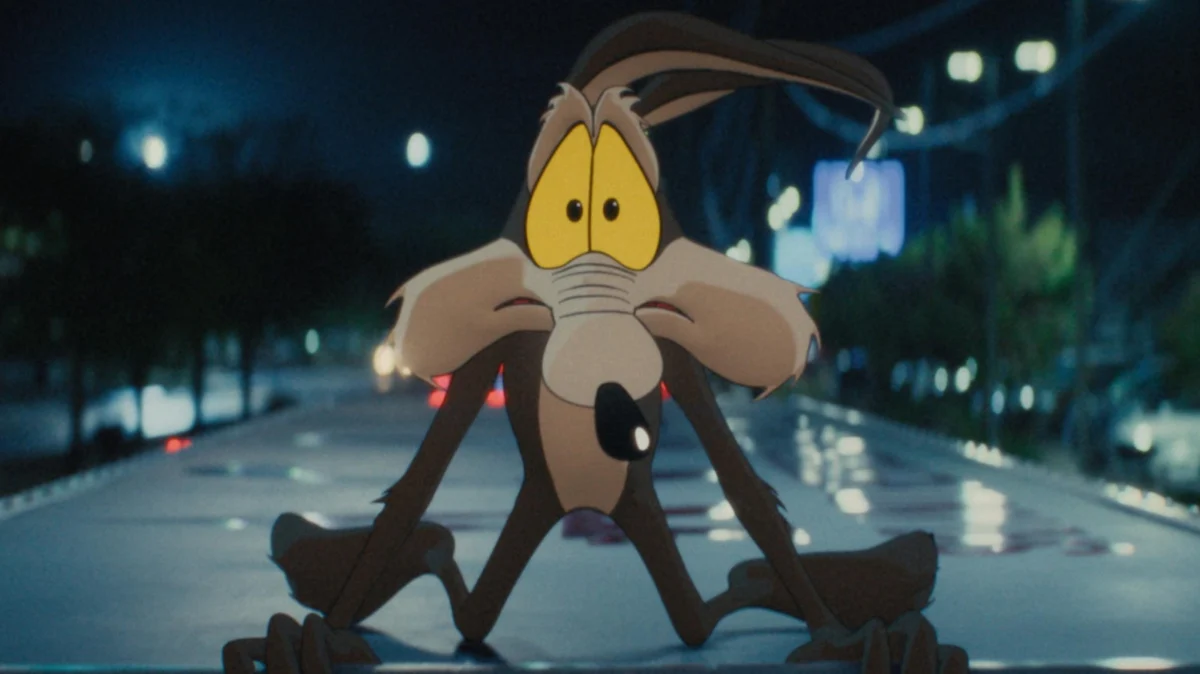
After surviving one of the most publicized corporate near-death experiences in modern Hollywood history, the hybrid live-action and animated feature Coyote vs. Acme is finally gearing up for its theatrical release on August 28, 2026. Directed by Dave Green and distributed by independent studio Ketchup Entertainment, the film brings the iconic Looney Tunes character Wile E. Coyote out of the desert canyon and into a courtroom.
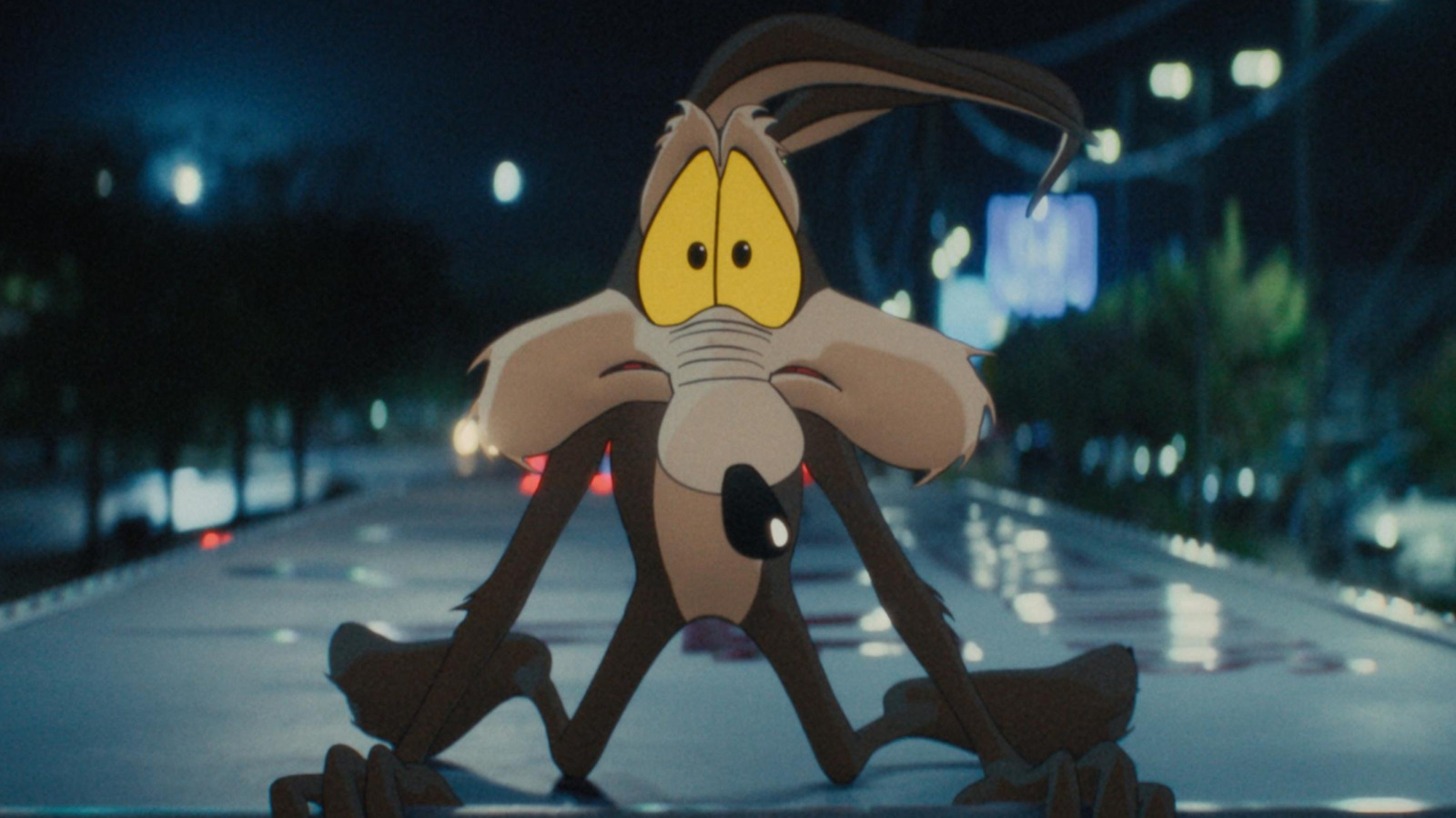
The movie’s plot centers around the hapless cartoon canine finally deciding to sue the ACME Corporation for a lifetime of catastrophic product failures. Wile E. teams up with a down-on-their-luck human billboard accident lawyer, played by Will Forte, to take on slick corporate counsel Buddy Crane, portrayed by John Cena.
Initially tracking for a modest domestic opening between $3 million and $8 million, updated industry forecasts from Box Office Pro now project a healthier opening weekend haul of $12 million to $18 million. With Ketchup Entertainment having acquired the film for a reported $50 million—less than its actual production budget—the financial stakes are drastically different than they would have been under Warner Bros. However, the studio faces an uphill battle regarding marketing muscle, distribution reach, and overcoming consumer habits in an unpredictable post-pandemic box office landscape.
Chronology: The Tumultuous Journey of ‘Coyote vs. Acme’
The path of Coyote vs. Acme to the silver screen has been winding, contentious, and emblematic of shifting studio strategies in the streaming era.
- The Production Phase: Produced by Warner Bros. Animation and the Warner Bros. Pictures Group, the film was developed as a high-profile blend of live-action cinematography and traditional animation, reminiscent of Who Framed Roger Rabbit and Space Jam. Creative talent, including director Dave Green and a vocal, passionate crew, spent years crafting a meta, heartfelt comedy that celebrated classic animation tropes while modernizing them for contemporary audiences.
- The Near-Cancellation (November 2023): In a move that shocked Hollywood, Warner Bros. Discovery announced that it was shelving Coyote vs. Acme entirely, choosing to take a massive tax write-off (valued at roughly $30 million) rather than release it in theaters or on Max. This triggered a monumental backlash from filmmakers, fans, and industry guilds who decried the practice of burying completed art for financial optimization, following similar controversial moves with Batgirl and Scoob! Holiday Haunt.
- The Reprieve and Shopping Period (Late 2023 – 2024): Following intense public outcry and private pressure from influential filmmakers whose movies were also affected, Warner Bros. reversed its hardline stance. The studio permitted producers to shop the finished film to other outside distributors, initiating a tense waiting game to see if any company would take a gamble on the orphaned project.
- Ketchup Entertainment Steps In: After months of uncertainty, independent distributor Ketchup Entertainment finalized a deal to rescue the film. Securing the rights for a reported $50 million, Ketchup gave the movie a new lease on life, leading up to its scheduled August 2026 premiere.
Supporting Data and Financial Outlook
As Coyote vs. Acme prepares to enter theaters, industry analysts are closely watching its financial metrics to determine if the indie rescue mission will pay off.
Box Office Projections
- Domestic Opening Weekend Estimates: Early tracking by Box Office Theory placed the film at a meager $3 million to $8 million. However, momentum has shifted, with Box Office Pro revising domestic opening weekend expectations upward to a more respectable $12 million to $18 million range.
- Competitive Landscape: The film opens on August 28, 2026, directly opposite Ridley Scott’s adult-skewing drama The Dog Stars, which is expected to bring in $18 million to $23 million. Because the two films target vastly different demographics, direct cannibalization of ticket sales is anticipated to be minimal. Meanwhile, major holdovers like Marvel’s Spider-Man: Brand New Day—which recently crossed the coveted $2 billion global milestone—are deep into their theatrical runs and no longer pose a threat to family and comedy footprints.
The Ketchup Entertainment Factor
A significant variable in the film’s financial health is its distributor. Ketchup Entertainment does not possess the massive global marketing infrastructure or sheer leverage of a major Hollywood studio like Warner Bros. The studio’s recent track record has been mixed; for instance, Robert Rodriguez’s sci-fi thriller Hypnotic struggled severely at the box office in 2023, pulling in just $16 million against a $65 million budget. Additionally, Ketchup handled The Day the Earth Blew Up, another Looney Tunes-adjacent project, which topped out at just over $15 million worldwide during one of the slowest box-office weekends in decades.
With limited financial resources for a full-scale television and billboard blitz, Ketchup must rely heavily on organic social media buzz and positive word-of-mouth.
Official Responses and Industry Reactions
The unprecedented survival of Coyote vs. Acme has drawn extensive commentary from filmmakers, critics, and studio executives alike, transforming the film into a referendum on the value of animation and artistic preservation.
Creative Community Outcry
When the initial cancellation announcement was made in late 2023, the reaction from the creative community was swift and uncompromising. Directors, animators, and writers took to social media to condemn the write-off practice, pointing out the cruelty of destroying completed work for short-term corporate tax benefits. The collective outrage forced a rare corporate pivot, establishing a vital precedent that finished films might find a second life elsewhere if public pressure is loud enough.
Critical Reception
Early reviews for the film have been overwhelmingly positive, easing fears that the movie might suffer from post-production limbo or cobbled-together edits. Critics have lauded its sharp wit, emotional resonance, and deep appreciation for classic cartoon slapstick. Reviewing the film for /Film, Witney Seibold praised it as being "perfect for 2026," highlighting its clever blending of corporate satire and timeless physical comedy.
Implications: What Coyote vs. Acme Means for Hollywood
The trajectory of Coyote vs. Acme extends far beyond the box office performance of a single family comedy; it carries profound implications for the future of copyright ownership, independent distribution, and corporate accountability in the entertainment industry.
A Blueprint for Rescuing Shelved Art
The successful rescue of the film by Ketchup Entertainment establishes a potential playbook for other completed projects trapped in corporate vaults. If Coyote vs. Acme manages to turn a profit—or at least recoup its acquisition and localized marketing costs—other studios may feel more inclined to sell off unwanted films rather than suffer the reputational damage and public relations nightmares associated with permanent shelving.
The Shift Toward Word-of-Mouth Marketing
Because independent distributors lack the deep pockets required for hundred-million-dollar marketing pushes, the performance of Coyote vs. Acme will test the limits of grassroots, internet-driven hype. If audiences who loudly cheered online for the film’s release actually show up in theaters, it could prove that digital advocacy can successfully translate into physical ticket sales. Conversely, a poor turnout driven by fans waiting for a streaming debut would reinforce industry fears that online noise does not reliably equate to box office revenue.
Ultimately, regardless of whether Coyote vs. Acme becomes a runaway blockbuster or a modest sleeper hit, the mere fact that audiences can buy a ticket and sit in a dark theater to watch Wile E. Coyote finally take on the ACME Corporation is an extraordinary victory for cinema lovers everywhere.
