
Entertainment Industry Shaken as Paramount and Warner Bros. Merge into "Skydance" — But James Gunn’s DC Universe Survives the Cut
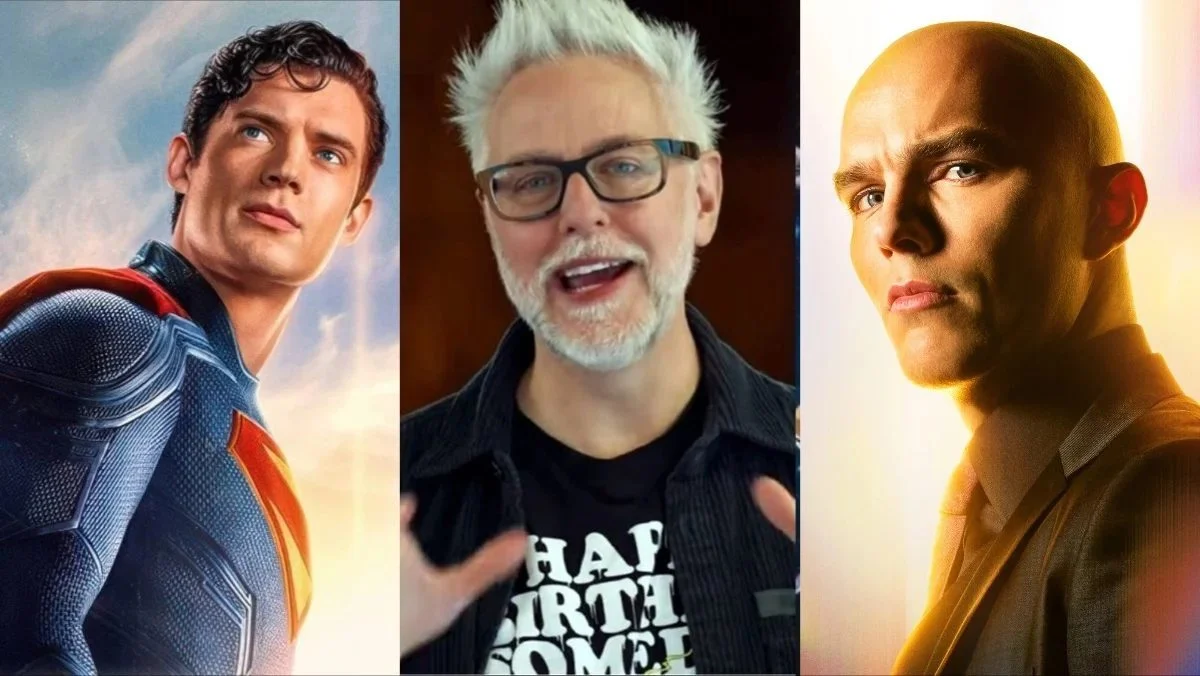
Main Facts
An atmosphere of intense anxiety and profound uncertainty has gripped the global entertainment industry. As two legendary Hollywood titans officially converge, the sweeping corporate restructuring threatens to displace thousands of workers, upend established intellectual properties (IPs), and dramatically narrow the diversity of creative voices in mainstream media. The merger creates a colossal new corporate entity operating under the unified banner of Skydance, backed by a staggering $110 billion price tag.
Amid widespread panic regarding layoffs, studio consolidation, and the potential cancellation of dozens of projects in development, early reports confirm that one prominent cinematic universe has successfully weathered the storm. Co-CEOs James Gunn and Peter Safran have emerged unscathed from the corporate bloodbath. According to industry tracking and insider reports highlighted by Forbes, Gunn and Safran will retain their leadership roles at DC Studios. Their overarching vision for the newly minted DC Universe (DCU) remains entirely intact, offering a rare anchor of stability as the historic corporate marriage finalizes on October 6.
While executive departures and structural redundancies ripple across both the legacy Paramount and Warner Bros. pipelines, the decision to shield the DCU points to a calculated corporate strategy: protect the assets that are actively generating cultural momentum and financial returns.
Chronology of Events and Corporate Consolidation
To fully understand how James Gunn and Peter Safran managed to secure their positions during one of the largest corporate realignments in media history, it is necessary to examine the rapid timeline of events that reshaped Hollywood.
The Genesis of the New DCU (2023–2025)
When James Gunn and producer Peter Safran were first tapped to lead DC Studios, the cinematic landscape for the brand was in desperate need of repair. Following years of disconnected storytelling, shifting creative mandates, and mixed box-office performances under the old DC Extended Universe (DCEU) banner, Gunn and Safran wiped the slate clean.
In early 2025, the duo officially announced their meticulously mapped-out first slate of interconnected films and television shows. This rebooted universe was designed from the ground up to establish internal continuity across film, television, and animation, all while maintaining the idiosyncratic, creator-driven comedic and emotional style that Gunn popularized with Marvel’s Guardians of the Galaxy and DC’s The Suicide Squad.
Rumors and Rumblings of Merger Anxiety (Mid-2026)
As whispers of a massive corporate acquisition grew louder throughout mid-2026, speculation mounted over how a combined studio entity would manage its multi-billion-dollar cinematic portfolios. Industry analysts predicted severe budget cuts and an aggressive rationalization of overlapping superhero properties. Because Paramount historically housed robust franchises of its own (ranging from Mission: Impossible to Top Gun and Star Trek), financial analysts questioned whether Warner Bros.’ newly formed superhero division would be streamlined or scaled back to reduce corporate debt following the $110 billion buyout.

The Finalization Date and Leadership Retention (October 2026)
With the merger officially slated to close on October 6, 2026, high-level executive meetings began leaking internal decisions to the trades. While structural downsizing and high-profile exits are hitting various departments across the newly formed Skydance conglomerate, the retention of Gunn and Safran became a notable exception. Rather than halting or rebooting DC’s multi-platform roadmap yet again, the incoming corporate brass opted for continuity, securing the creative duo’s services for the foreseeable future.
Supporting Data: The Commercial and Critical Case for the DCU
The decision to preserve James Gunn’s vision is not merely a sentimental choice; it is heavily backed by recent commercial successes, critical reception, and growing fan engagement across multiple media formats. Skydance’s leadership is inheriting a portfolio that has regained its footing after years of turbulence.
Box Office and Critical Milestones
- The Triumph of Superman (2025): Serving as the official cornerstone of Gunn’s new DCU, Superman proved to be a massive commercial and cultural hit. Critics praised its return to classic optimism and bright, character-driven storytelling, while global audiences turned out in droves, validating the soft-reboot strategy at the box office.
- Television Expansion (Lanterns and Peacemaker): The small-screen component of the DCU has performed exceptionally well. The prestige drama series Lanterns has drawn widespread acclaim, winning over even the most cynical comic book purists with its grounded, atmospheric storytelling. Meanwhile, subsequent seasons of Peacemaker have continued to perform strongly on streaming platforms, proving that Gunn’s specific brand of irreverent humor has long-term legs.
- Mixed Yet Stable Cinematic Entries: While cinematic outings such as Supergirl received more polarized reviews from critics, fan response remained generally favorable, showcasing an appetite for diverse narrative angles within the universe. Upcoming projects, including the horror-tinged Clayface film, point to a varied, genre-bending approach that keeps audiences guessing.
- The Elseworlds Exception: Beyond the core DCU continuity, standalone projects like Matt Reeves’ The Batman universe continue to thrive independently, with eager anticipation building around The Batman — Part II.
The sheer breadth and health of these interconnected properties made an executive shakeup at DC Studios an unnecessary risk for a newly formed conglomerate trying to project confidence to Wall Street.
Official Responses and Industry Reactions
The announcement that Gunn and Safran are safe has drawn varied reactions from Hollywood guilds, union representatives, trade analysts, and the creative community at large.
The Corporate Perspective from Skydance
While formal press conferences detailing the macro-level organizational charts of the combined Skydance-Warner Bros.-Paramount entity are ongoing, financial insiders suggest that stability is the primary currency for the new administration. In statements provided to financial outlets like Forbes, representatives emphasized that high-performing divisions with clear, actionable consumer demand would be insulated from immediate cost-cutting measures.
The Creative Community’s Concerns
Despite the good news for DC fans, the mood across the broader entertainment sector remains grim. Writers, directors, independent producers, and below-the-line union workers have expressed deep concerns over the broader merger. Consolidating two legacy studios into a single behemoth invariably concentrates power into fewer hands, raising fears about the suppression of mid-budget adult dramas, original IPs, and diverse directorial voices.
While James Gunn and Peter Safran have carved out a secure fortress for themselves inside the DCU, industry watchdogs note that their insulation highlights a troubling trend: only ultra-high-grossing, globally dominant intellectual properties are truly safe in the age of mega-mergers.
Implications for the Future of the DCU Under Skydance
As the dust settles on the October 6 merger deadline, the immediate crisis has been averted, but several long-term questions remain regarding the creative sovereignty of DC Studios.
Creative Freedom vs. Corporate Oversight
The ultimate test for Gunn and Safran under the Skydance banner will not be whether they survive the initial corporate transition, but whether they will retain the unbridled artistic and experimental freedom they enjoyed during their tenure under Warner Bros. Discovery. Historically, corporate mergers of this magnitude bring heightened risk aversion, tighter budgetary controls, and increased pressure from shareholders to maximize global box office appeal while minimizing creative risks.
Will Skydance allow Gunn to continue greenlighting idiosyncratic, R-rated, or boundary-pushing projects like Peacemaker and Clayface? Or will the pressure for four-quadrant, safe-for-work blockbusters slowly erode the unique tone that made the initial DCU slate so refreshing to audiences?
A Relieved Fanbase on Watch
For now, millions of comic book fans can breathe a sigh of relief. The multi-year plan mapped out by Gunn and Safran will proceed without the catastrophic interruption of another studio reboot. However, as the entertainment world transitions into the Skydance era, the cinematic adventures of Superman, Batman, Green Lantern, and Supergirl will be operating under a newly watchful corporate eye.
The DCU is safe for today—but the true measure of this merger’s impact on storytelling will unfold in the years to come.
