
The Phenomenon Returns: Sony and Netflix Set 2029 Theatrical Release for KPop Demon Hunters Sequel
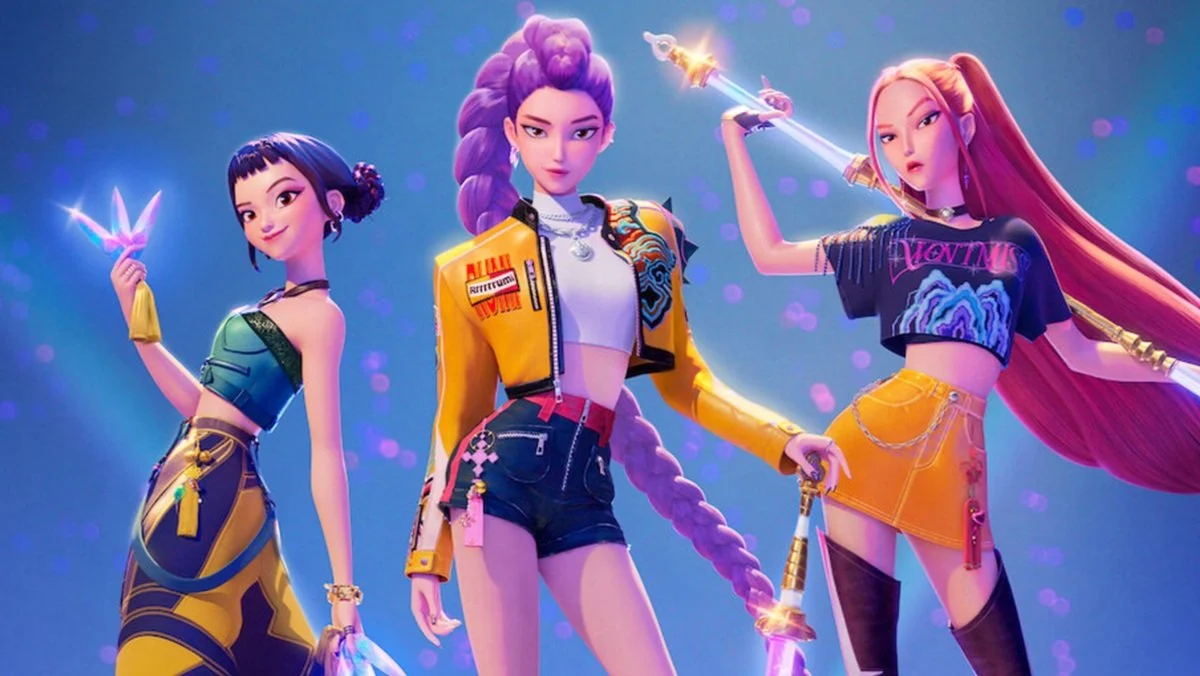
Main Facts
The cultural juggernaut that captured the global imagination in 2025 is officially getting a follow-up. KPop Demon Hunters, the animated sensation that shattered streaming records and dominated mainstream music charts, is returning for a sequel. However, the announcement comes with a striking caveat: fans will have to exercise immense patience, as the film’s release date has been officially slated for 2029.
While the four-year wait has raised eyebrows across the entertainment industry, the sequel brings a major victory for traditional cinephiles and theater owners. Unlike its predecessor, which debuted exclusively on streaming, the KPop Demon Hunters sequel will receive a "very broad theatrical release" globally before eventually making its way to the streaming library.
This strategic shift highlights a major evolution in Netflix’s distribution philosophy. Executives are balancing the unprecedented digital demand that made the first film a viral powerhouse with the undeniable cultural capital of a major theatrical event. For Sony Pictures Animation, which co-produced the project, the move to the big screen feels like a long-overdue rectification after passing on a traditional theatrical run for the original movie.
As the fandom—affectionately obsessed with the fictional, demon-slaying K-pop girl group Huntr/x—begins the long countdown to 2029, the industry is left analyzing how a digital-first experiment transformed into one of the most valuable animated properties of the decade.
Chronology of a Cultural Milestone
To understand the magnitude of the 2029 sequel announcement, one must trace the meteoric rise of the original film throughout 2025.
- Early 2025: Rumors and early promotional material for KPop Demon Hunters begin circulating, presenting a high-concept premise: a world-famous K-pop girl group balancing stadium tours with clandestine supernatural warfare.
- Mid-2025: The film drops globally on Netflix, bypassing traditional theatrical exhibition entirely. Sony, which backed the animation, opts for the direct-to-streaming model—a decision that initially drew questions from box-office analysts who doubted whether an animated feature could create a cultural footprint without a weekend opening box office.
- Late 2025 (The Explosion): Within weeks of its release, KPop Demon Hunters defies all expectations. It shatters internal metrics to become the most-watched Netflix original movie of all time, outperforming massive live-action blockbusters and reshaping the platform’s demographic reach. Concurrently, the fictional group Huntr/x transcends the screen, landing three separate tracks simultaneously on the Billboard Hot 100 charts—a rare feat for virtual or animated acts.
- November 2025: Following overwhelming fan demand and unprecedented commercial validation, studio executives confirm that development on KPop Demon Hunters 2 is officially underway, complete with a targeted release window of 2029 and a confirmed commitment to a massive theatrical rollout.
Supporting Data and Box-Office Paradox
The trajectory of KPop Demon Hunters offers a fascinating case study in modern media consumption, resting on staggering data points that justify both its success and the long production timeline for its sequel.
According to industry reports from outlets like Variety, the first film achieved a milestone previously thought impossible for a streaming-first animated feature: placing three songs concurrently on the Billboard Hot 100 charts. The music, blending authentic K-pop production values with western pop hooks and narrative-driven lyricism, proved to be the ultimate Trojan horse, driving repeat viewings and cross-platform engagement on TikTok, Spotify, and YouTube.
Furthermore, Netflix confirmed that KPop Demon Hunters secured the title of the most-watched original movie in the platform’s history. This achievement is all the more staggering when contextualized against the history of the streamer’s original film division, which launched its first-ever original movie, Lilyhammer, back in 2012. In just over a decade, Netflix evolved from prestige dramas and indie acquisitions to producing a global animated phenomenon capable of rivaling legacy studio powerhouses like Disney and Illumination.
Yet, this success introduces a paradox regarding the first film’s release strategy. Industry analysts frequently debate whether Sony and Netflix left millions of dollars on the table by keeping the film out of theaters. Would a traditional theatrical window have stunted its viral, word-of-mouth growth among younger demographics? Or would a theatrical run have legitimized it even faster? Ultimately, the accessibility of streaming allowed the film to saturate global markets instantaneously, creating a massive, hyper-engaged consumer base that a traditional theatrical rollout might have built more slowly.
Official Responses and Strategic Shifts
The decision to take the sequel to the big screen represents a fascinating pivot in corporate strategy. During a recent financial and operational briefing, Netflix’s co-CEO addressed the changing philosophy behind the company’s distribution models, specifically pointing to the KPop Demon Hunters sequel as a test case for hybrid thinking.
"What we’re doing is looking at this model and saying, ‘Okay, how do we serve movie lovers who may want to see this movie in a theater,’ and ‘How do we not harm value to Netflix?’ ‘How do we position the film best in the world?’" the co-executive explained.
This commentary signals a softening of Netflix’s historically rigid stance against traditional theatrical windows for its biggest animated and tentpole properties. By partnering with exhibitors for a "very broad" global release, Netflix acknowledges that certain intellectual properties demand the communal, large-format experience of a cinema. For Sony Animation, which brings the technical artistry to life, this guarantees that their animators’ intricate work on character models, vibrant neon-lit concert sequences, and fluidly choreographed martial arts battles will finally be experienced the way they were initially designed to be seen: on a giant screen with thunderous surround sound.
Implications for the Industry and the Fandom
As the entertainment landscape looks ahead to 2029, the announcement carries several profound implications for both the audience and the business of animation.
The Aging-Up Phenomenon
One of the most immediate points of discussion among fans and critics alike is the four-year gap between films. Animation production is notoriously meticulous, requiring years of storyboarding, voice recording, visual effects, and musical composition. However, a 2029 release means that children and teenagers who fell in love with Huntr/x in 2025 will be significantly older by the time Rumi, Mira, and Zoey return to action. A child of ten will be fourteen; a teenager of fifteen will be nearly twenty.
While this could alienate a portion of the original core audience, media historians note that generational animated franchises often thrive precisely because they span years, cultivating lifelong loyalty while continuously onboarding a fresh wave of younger viewers.
Expanding the Lore
The first film introduced a rich, albeit lightly explored, mythology surrounding the hidden demonic threats lurking beneath the glitz and glamour of the global pop music industry. With no official plot details yet revealed for the sequel, screenwriters and directors have a blank canvas to expand upon the lore of Rumi, Mira, and Zoey. Will the sequel dive deeper into the origins of the demon hunters? Will Huntr/x face a rival supernatural group, or an existential threat that forces them to go public with their dual identities? The narrative possibilities are nearly endless.
A New Blueprint for Streaming Giants
Ultimately, the KPop Demon Hunters sequel proves that the walls between streaming services and traditional Hollywood theatrical distribution are becoming increasingly porous. By utilizing streaming to incubate, test, and grow a brand-new intellectual property into a household name, Netflix and Sony have effectively pioneered a low-risk, high-reward incubation model.
If the 2029 theatrical release breaks box office records the way its predecessor broke streaming records, it will validate a brand-new playbook for the future of animated filmmaking—proving that the road to the silver screen can sometimes start right in your living room.
