
The Critical Pulse: Exploring the Intellectual Landscape of Cinema Scope Issue 97
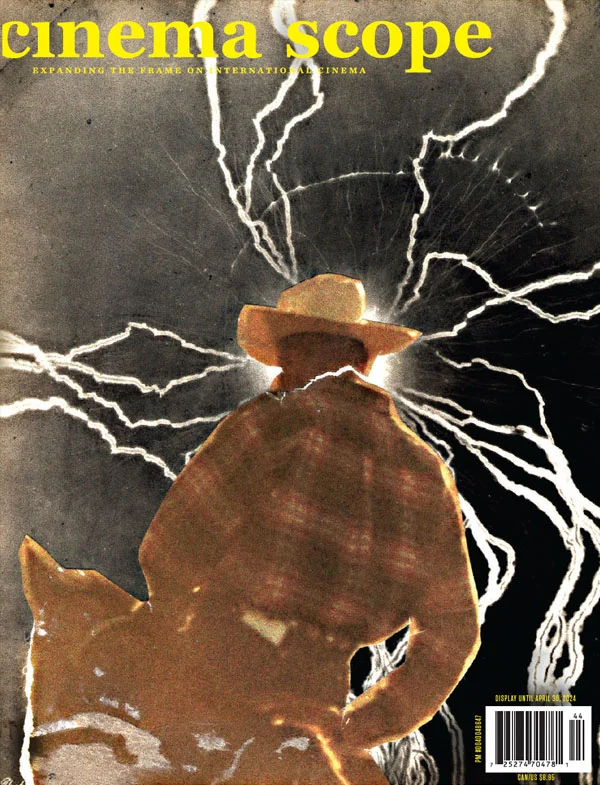
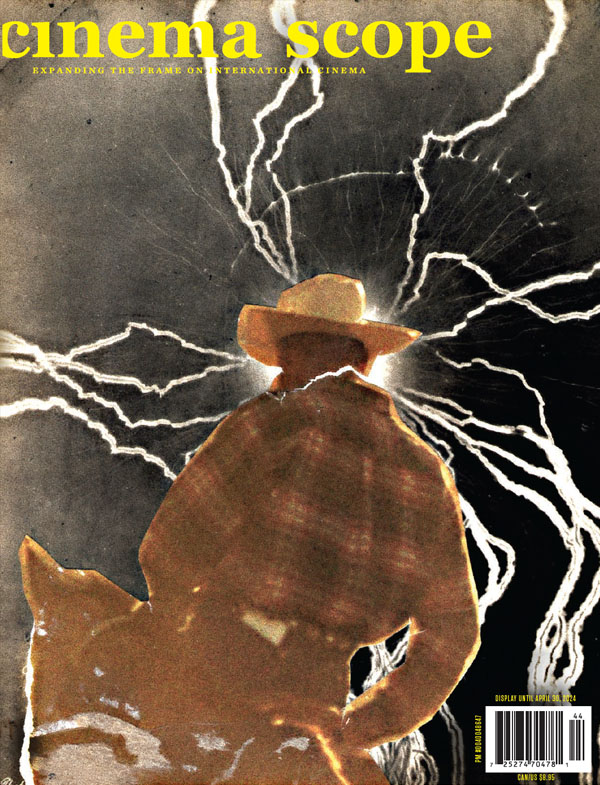
In an era where digital content consumption often favors the ephemeral and the rapid-fire, Cinema Scope continues to serve as a vital bastion of deep-dive film criticism. Issue 97 of the prestigious publication stands as a testament to the magazine’s enduring commitment to rigorous analysis, historical preservation, and the celebration of both auteurist ambition and independent spirit. This latest installment is not merely a collection of reviews; it is a curated survey of the global cinematic zeitgeist, bridging the gap between contemporary blockbuster releases and the avant-garde traditions that shape the medium’s future.
The Intellectual Architecture: Main Themes and Editorial Vision
The editorial philosophy behind Issue 97, helmed by Mark Peranson, reflects a desire to ground contemporary cinema within the broader tapestry of cultural history. By juxtaposing major studio outputs—such as David Fincher’s The Killer or Martin Scorsese’s Killers of the Flower Moon—against experimental works and archival rediscoveries, the magazine forces a dialogue between the "now" and the "then."
The issue is structured to provide a comprehensive look at the state of film, organized into four primary pillars: Interviews, Features, Columns, and Currency. This taxonomy allows readers to navigate from the intimate creative process of directors like Hamaguchi Ryusuke to the broader industry trends analyzed by stalwarts of the field like Jonathan Rosenbaum.
Chronology of Content: A Deep Dive into the Issue
The structure of the issue suggests a deliberate narrative arc, moving from the personal reflections of creators to the critical reception of current releases.
H3: Interviews and the Creative Process
The "Interviews" section serves as the heartbeat of the issue, offering unparalleled access to the minds behind some of the most discussed films of the year.
- Hamaguchi Ryusuke on Evil Does Not Exist: Beatrice Loayza’s conversation with the Japanese auteur provides a masterclass in thematic deconstruction, exploring how Hamaguchi navigates the tension between environmental encroachment and human morality.
- The Industry Perspective: Adam Nayman’s dialogue with Alex Ross Perry regarding Videoheaven and Pavements highlights the intersection of music culture and DIY filmmaking. Similarly, Jordan Cronk’s interview with Rodrigo Moreno (The Delinquents) sheds light on the creative risks inherent in South American cinema.
- Documentary Practice: Antoine Thirion’s profile on Dimitris Athiridis’s massive undertaking, exergue – on documenta 14, offers a granular look at the endurance required to document the complexities of the international art world.
H3: Features and Historical Context
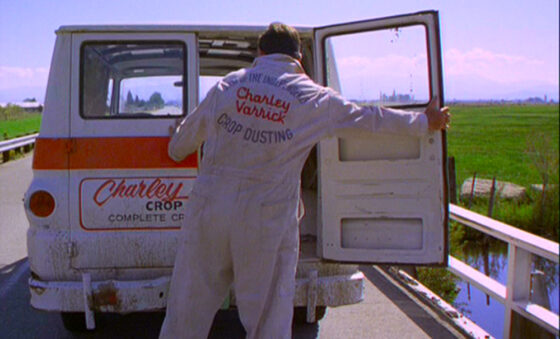
The features section expands the lens, moving toward cultural criticism. The roundtable discussion on Charley Varrick, moderated by Christoph Huber with Veronika Franz and Severin Fiala, provides a fascinating look at the "last of the independents" era of Hollywood. Erika Balsom’s investigation into the First International Women’s Film Seminar serves as a critical historical reclamation, while Thom Andersen’s piece on "Film Tourists in Los Angeles" provides a geographical and sociological mapping of the city that defines global cinema.
Supporting Data: Mapping the Cinematic Terrain
The "Currency" section provides the core data for the issue, offering a barometer for how top-tier critics are reacting to the most significant releases of the current awards cycle.
| Film | Primary Critic | Focus Area |
|---|---|---|
| The Killer | Adam Piron | Genre subversion and procedural tension |
| Killers of the Flower Moon | Robert Koehler | Historical epic and structural ambition |
| Menus-Plaisirs – Les Troisgros | Jay Kuehner | Observational documentary technique |
| Poor Things | Deragh Campbell | Performance and visual artifice |
| The Practice | Haden Guest | Narrative ambiguity and international co-production |
| Priscilla | Manuela Lazic | Intimate portraiture and biographical scope |
This section serves as a diagnostic tool for the reader, providing a high-level overview of the technical and thematic successes of the 2023-2024 awards season.

Official Responses and Critical Legacy: The "Deaths of Cinema"
Perhaps the most poignant aspect of Issue 97 is its inclusion of the "Deaths of Cinema" column, which honors the legacies of Terence Davies and Vincent Grenier. These are not mere obituaries; they are critical reassessments of their contributions to the form. Lawrence Garcia’s tribute to Davies and Michael Sicinski’s focus on Grenier remind readers that cinema is a lineage. The "official" critical response to these passings in the pages of Cinema Scope underscores the publication’s role as an arbiter of what remains significant in the history of film.
Implications for the Future of Film Criticism
The existence of a publication like Cinema Scope—and specifically this 97th issue—carries significant implications for the future of film journalism.
H3: The Shift Toward Long-Form Analysis
In an age of "hot takes" and 280-character reviews, Cinema Scope reinforces the necessity of the long-form essay. The articles in this issue, whether they are discussing Will Hindle’s experimental shorts or Joe Pera’s television work, demonstrate that depth is not a luxury—it is a requirement for understanding the evolution of the moving image.
H3: The Globalization of Perspectives
By covering a diverse array of international films—from Argentina and Chile to Japan and Greece—the magazine pushes against the hegemony of Western-centric film discourse. This inclusive approach ensures that the "Currency" of cinema is viewed through a multifaceted lens, acknowledging that the most innovative filmmaking is often happening outside of traditional studio systems.
H3: Bridging the Gap Between TV and Film
The inclusion of "TV or Not TV," specifically focusing on the work of Joe Pera, acknowledges the blurring lines between episodic television and independent cinema. As platforms shift, Cinema Scope’s ability to treat television with the same critical rigor as theatrical film is essential for maintaining a holistic view of the media landscape.
Conclusion: Why Issue 97 Matters
Issue 97 of Cinema Scope is more than a list of articles; it is an intellectual roadmap. By balancing the "Currency" of high-profile, star-studded releases with the "Features" that look at the structural history of independent film, the publication creates a coherent philosophy of what it means to be a cinephile today.
As we look toward the future, the lessons provided by the contributors—Loayza, Nayman, Cronk, Balsom, and others—serve as a reminder that film criticism is a participatory act. It requires patience, a willingness to engage with the difficult and the unknown, and a commitment to honoring the creators who challenge the status quo.
For the reader, this issue acts as an invitation to look closer at the films they think they know, and to venture into the archives and the margins to find the works they haven’t yet discovered. As Mark Peranson notes in his Editor’s Note, the landscape of cinema is constantly shifting, but the need for clear-eyed, passionate, and historically informed writing remains a constant. Issue 97 is a formidable contribution to that tradition, ensuring that even in a rapidly changing industry, the conversation remains vibrant, critical, and essential.
